Why Do Zinc Die Cast Parts Need Coating?
Why Do Zinc Die Cast Parts Need Coating?
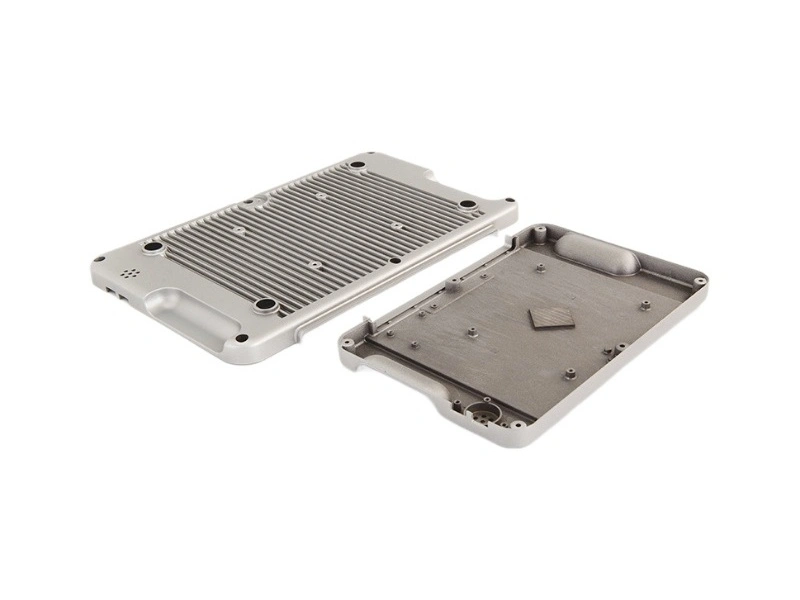
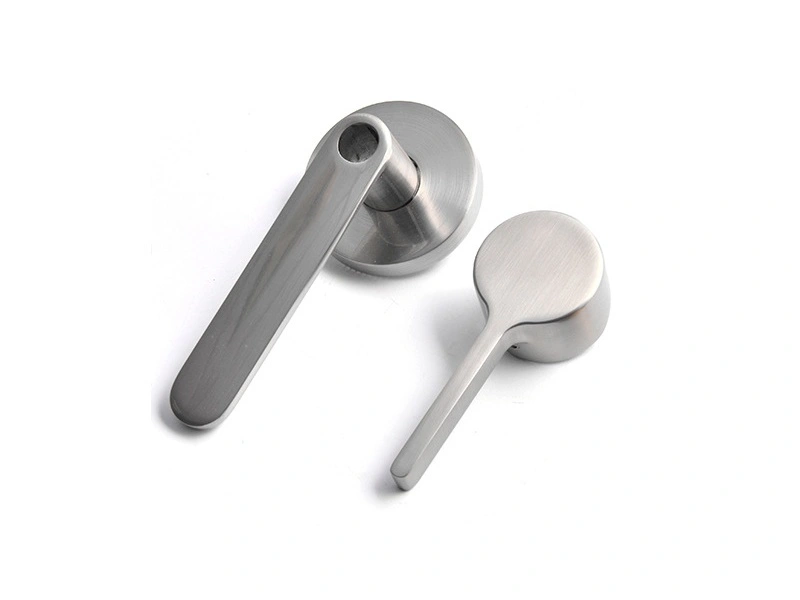
Zinc die casting parts need coating when buyers want better appearance, more consistent color, improved corrosion resistance, better wear resistance, protected hand-contact surfaces, decorative effects, and higher product acceptance. Coating is especially important for visible parts, consumer products, electronic housings, automotive interior components, hardware parts, and industrial products that need stable appearance and long-term use quality.
For many custom zinc die cast parts, coating is not only a cosmetic step. It can help improve surface value, reduce visible defects, protect functional or handled areas, and meet buyer inspection standards. If the part has strict appearance requirements, coating quality should be considered together with die casting tooling, casting surface quality, polishing, deburring, masking, inspection, and packaging.
1. Main Reasons Zinc Die Cast Parts Need Coating
Reason | What Coating Improves | Buyer Value |
|---|---|---|
Appearance improvement | Improves visible surface quality and product presentation | Helps parts pass cosmetic inspection more easily |
Color consistency | Creates a controlled color, gloss, or texture across batches | Improves brand consistency and final product quality |
Corrosion resistance | Adds protection against moisture, handling, and environmental exposure | Improves service life in suitable applications |
Wear resistance | Protects handled, contacted, or decorative surfaces from damage | Reduces early surface wear and customer complaints |
Decorative effect | Creates premium, painted, plated, coated, or clear finished surfaces | Improves product value and market acceptance |
2. How Coating Improves Appearance and Color Consistency
Zinc die cast parts are often used in visible products such as handles, locks, decorative hardware, electronic housings, consumer product components, automotive interior parts, and industrial covers. Coating can make these parts look more consistent, cleaner, and closer to the final product design requirement.
Appearance Requirement | Why Coating Helps | Buyer Should Confirm |
|---|---|---|
Consistent color | Coating helps unify color across production batches | Color code, gloss level, texture, and approved sample |
Better visible surface | Coating improves final product appearance after proper surface preparation | Cosmetic surfaces and acceptable defect limits |
Decorative finish | Painting, plating, powder coating, or clear coating can create different visual effects | Finish type, reference photo, and inspection standard |
Batch appearance stability | Clear coating requirements reduce variation between lots | Sample approval rules and cosmetic inspection method |
3. How Coating Improves Corrosion Resistance
Coating can improve corrosion resistance by creating a protective layer between the zinc die cast part and the working environment. This is useful when parts may face moisture, handling, indoor humidity, outdoor exposure, industrial environments, or long-term use conditions.
Corrosion-Related Factor | Why It Matters | Buyer Should Define |
|---|---|---|
Use environment | Indoor, outdoor, humid, automotive, and industrial environments require different protection | Working condition and expected service life |
Coating type | Painting, powder coating, plating, e-coating, and clear coating offer different protection levels | Required coating process and performance target |
Surface preparation | Clean surfaces improve coating adhesion and durability | Cleaning, deburring, polishing, and pre-treatment requirements |
Corrosion testing | Some projects need salt spray, adhesion, or coating thickness checks | Test standard, sample quantity, and acceptance criteria |
4. How Coating Improves Wear Resistance and Hand-Contact Protection
Zinc die cast parts used in handles, knobs, locks, consumer products, connectors, and hardware may be touched, rubbed, assembled, or exposed to repeated handling. Coating can protect these surfaces and improve the user experience.
Part Area | Risk Without Coating | Coating Benefit |
|---|---|---|
Hand-contact surface | Surface may wear, discolor, or feel unfinished after repeated handling | Improves touch feel, appearance durability, and user acceptance |
Decorative face | Visible scratches or marks may reduce product value | Protects cosmetic areas and improves presentation |
Assembly contact area | Rubbing or fitting may damage unprotected surfaces | Improves wear resistance when coating is properly selected |
Frequently used hardware | Repeated use may reduce appearance quality | Helps maintain finish consistency during service life |
5. Why Coating Is Important for Automotive, Electronics, Hardware and Industrial Parts
Different industries use coating for different reasons. Automotive parts may need stable appearance and durability. Electronic housings may need clean appearance and protection. Hardware parts often need decorative or wear-resistant finishes. Industrial parts may need corrosion resistance, handling protection, and long-term surface stability.
Application | Why Coating Is Needed | Buyer Benefit |
|---|---|---|
Automotive interior parts | Need stable appearance, touch feel, and repeated-use durability | Improves product value and inspection acceptance |
Electronic housings | Need color consistency, appearance protection, and surface quality | Improves finished product appearance and customer confidence |
Hardware and lock parts | Need decorative finish, corrosion protection, and wear resistance | Improves appearance and long-term use quality |
Industrial products | Need corrosion protection, handling durability, and stable finish | Reduces surface damage and improves service reliability |
6. Why Coating Quality Starts Before the Coating Process
Good coating quality depends on more than the coating material. It also depends on zinc die casting surface quality, tooling design, parting line location, gate marks, porosity control, polishing, deburring, cleaning, masking, and inspection. If the casting surface has pores, oil contamination, roughness, heavy parting lines, or surface defects, the coating may show defects or lose adhesion.
Control Area | Effect on Coating | Risk if Ignored |
|---|---|---|
Tooling design | Affects parting lines, gate marks, ejector marks, and visible surface quality | Coating may not hide tooling-related defects |
Casting quality | Affects pores, roughness, flow marks, and surface consistency | Pinholes, poor appearance, or rejected cosmetic surfaces |
Surface preparation | Cleaning, polishing, and deburring improve coating adhesion | Peeling, blistering, or inconsistent finish |
Masking and inspection | Protects functional areas and confirms final quality | Assembly interference or visual quality disputes |
7. What Buyers Should Confirm Before Coating Zinc Die Cast Parts
Buyers should confirm coating requirements during the RFQ stage, especially if zinc die cast parts are visible, touched, assembled, or used in demanding environments. Clear coating requirements help the supplier quote accurately and reduce sample rework, appearance disputes, and batch rejection.
Buyer Should Confirm | Why It Matters | How It Helps the Supplier |
|---|---|---|
Coating type | Different coatings have different appearance, protection, and cost | Helps choose painting, powder coating, plating, e-coating, or clear coating |
Cosmetic surfaces | Visible areas need stricter surface preparation and inspection | Helps focus quality control on buyer-facing surfaces |
Color and finish standard | Color, gloss, texture, and appearance requirements affect production control | Improves sample approval and batch consistency |
Use environment | Corrosion, handling, humidity, and wear affect coating selection | Helps match coating performance with real use conditions |
Inspection requirement | Appearance, thickness, adhesion, and corrosion testing affect cost and lead time | Reduces late price changes and quality disputes |
8. Summary
Why Zinc Die Cast Parts Need Coating | Main Value |
|---|---|
Improve appearance | Makes visible parts cleaner and more professional |
Unify color | Improves color consistency across products and batches |
Improve corrosion resistance | Protects parts from moisture, handling, and environmental exposure |
Improve wear resistance | Protects handled and contact surfaces from early damage |
Protect hand-contact surfaces | Improves touch feel, surface durability, and user experience |
Improve decorative effect | Supports consumer products, hardware, electronics, and automotive appearance standards |
In summary, zinc die cast parts need coating to improve appearance, unify color, increase corrosion resistance, improve wear resistance, protect hand-contact surfaces, create decorative effects, and meet product appearance standards. If zinc die cast parts are used for visible surfaces, consumer products, electronic housings, automotive interior components, hardware, or long-term use environments, coating is often an important step for improving product value and buyer acceptance.