How to Plan Customized Zinc Die Casting for OEM Metal Parts
How to Plan Customized Zinc Die Casting for OEM Metal Parts
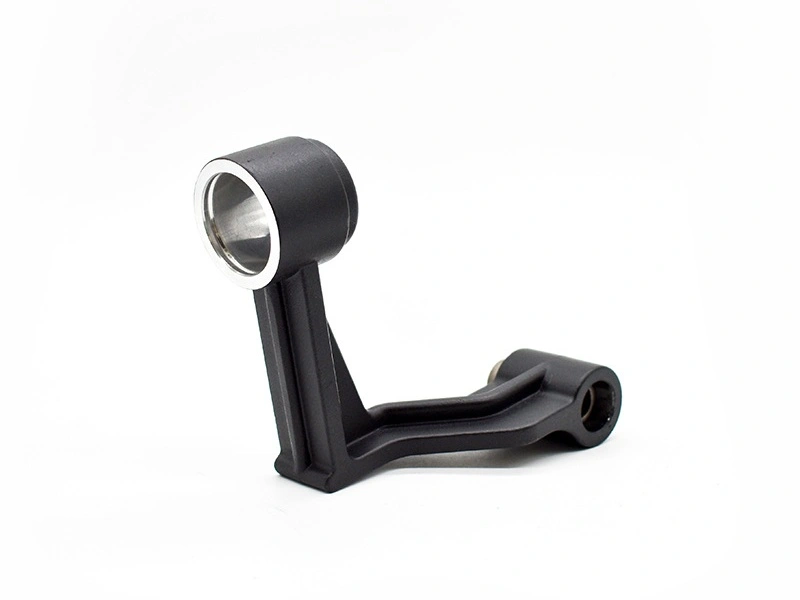
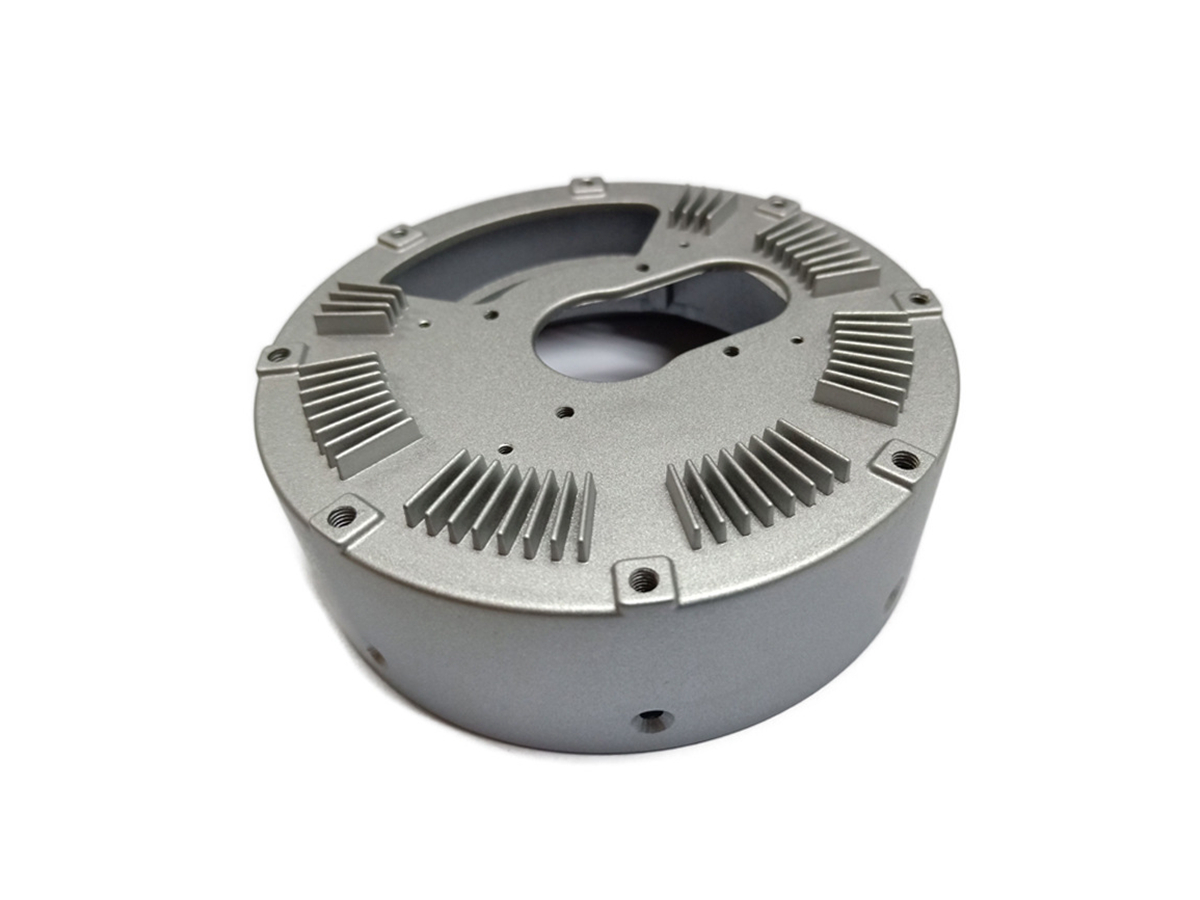
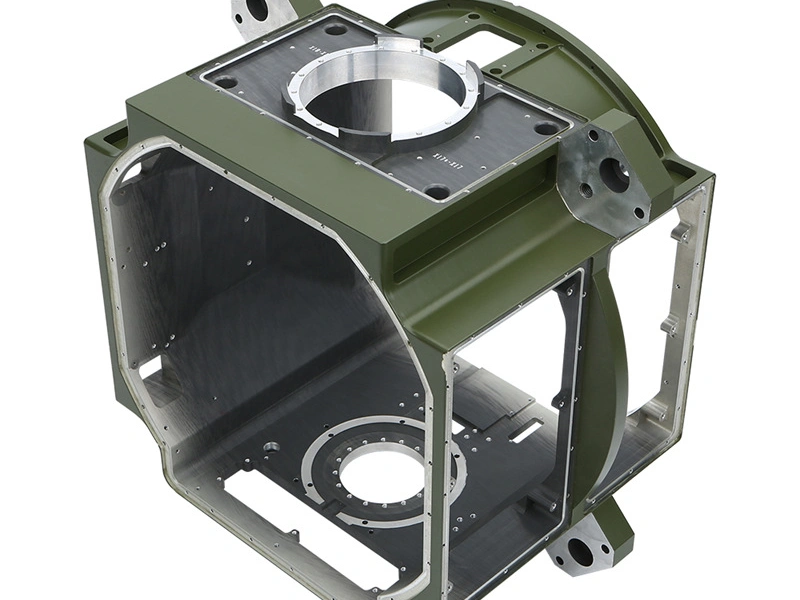
Customized zinc die casting is used when OEM buyers need metal parts made around specific product requirements, brand appearance, functional interfaces, surface finish standards, assembly conditions, packaging needs, and repeat production plans. It is not only about producing a zinc casting from a drawing. It is about turning a product-specific requirement into a controlled manufacturing workflow.
For OEM projects, customized zinc die casting may involve custom shapes, custom sizes, Zamak alloy selection, private tooling, machined features, logo details, texture, custom color, decorative coating, assembly-ready delivery, custom packaging, and long-term repeat production.
This article explains how buyers can plan customized zinc die cast parts from requirement definition to tooling, material selection, surface appearance, CNC post-machining, sample approval, drawing revision control, and mass production delivery.
What Does Customized Zinc Die Casting Mean for OEM Buyers?
Customized zinc die casting means the part is made according to the buyer’s product function, appearance standard, brand requirement, assembly interface, finish requirement, and delivery condition. For OEM buyers, this can include a unique product shape, special surface finish, logo, texture, private mold, specific alloy, functional machining, assembly process, or packaging method.
The key value is not simply whether zinc alloy can be cast. The real value is whether the supplier can convert the buyer’s custom requirements into a stable production route that can be repeated across samples, pilot runs, and future production batches.
Customized Requirement | Typical OEM Need | Manufacturing Focus |
|---|---|---|
Custom shape | OEM housings, covers, handles, brackets, caps, or product structures. | Tooling feasibility, wall thickness, draft, ribs, bosses, and mold layout. |
Custom alloy | Parts requiring strength, surface quality, wear resistance, or stable dimensions. | Zamak or ZA alloy selection based on part function and production needs. |
Custom surface finish | Painting, powder coating, decorative coating, tumbling, sand blasting, or polishing. | Finish sample approval, coating thickness, cosmetic standard, and durability control. |
Logo or texture | Brand mark, product texture, matte finish, glossy finish, or decorative detail. | Tooling detail, surface preparation, finish consistency, and appearance inspection. |
Assembly-ready delivery | Parts that need machining, inserts, screws, pins, trial assembly, or packaging. | CNC machining, assembly checking, inspection, and protected shipment. |
For customized projects, buyers should define the required delivery state early. A raw casting, machined casting, painted casting, assembled component, and packaged finished part require different planning.
What Information Should Buyers Define Before Customized Zinc Die Casting?
Customized zinc die casting projects need clear input before quotation and tooling. If the supplier receives only a simple drawing or sample photo, it may miss important details related to brand appearance, surface finishing, machining, assembly, or packaging.
Before requesting a quote, OEM buyers should define the part function, product appearance, brand elements, assembly interface, annual volume, finish standard, and packaging requirement.
Customized Requirement | Buyer Should Define | Why It Matters |
|---|---|---|
Part function | Final use, load condition, movement, fastening, contact, or protection role. | Determines alloy selection, structure review, machining, and inspection method. |
Product appearance | Visible surfaces, color, texture, gloss, cosmetic limits, and finish sample. | Affects tooling layout, ejector location, gate position, polishing, coating, and packaging. |
Brand elements | Logo, pattern, marking, engraving, embossing, or product identification. | Affects mold detail, surface treatment, inspection standard, and final brand appearance. |
Assembly interface | How the zinc part fits with screws, pins, plastic parts, seals, inserts, or other components. | Determines CNC post-machining, burr control, fit test, and assembly validation. |
Annual volume | Expected quantity, order frequency, pilot run, and mass production target. | Affects tooling strategy, cavity number, cost planning, and production capacity. |
Finish standard | Painting, powder coating, decorative coating, polishing, tumbling, or sand blasting. | Determines surface preparation, coating thickness, color standard, and finishing inspection. |
Packaging requirement | Protection, separation, labeling, batch identification, or assembly-ready packing. | Prevents scratches, coating damage, mixed batches, and delivery-related rejection. |
Clear input helps the supplier evaluate customized zinc die cast parts as finished OEM components instead of basic casting blanks.
Customization Options for Zinc Die Cast Parts
Customized zinc die casting can include many layers of customization. Some projects only need a custom shape and size. Others require specific alloy selection, custom finishing, logo detail, surface texture, assembly features, and special packaging.
Customization Type | Example | Manufacturing Impact |
|---|---|---|
Shape customization | Housings, handles, covers, connector shells, caps, decorative parts. | Affects mold design, parting line, gate, venting, and ejection planning. |
Size customization | Dimensions, wall thickness, hole position, mounting features. | Affects casting feasibility, shrinkage control, machining allowance, and inspection. |
Alloy customization | Zamak 3, Zamak 5, Zamak 7, ZA-8, or other zinc alloy directions. | Affects strength, hardness, surface quality, wear resistance, and cost. |
Surface customization | Painting, powder coating, decorative coating, tumbling, sand blasting, polishing. | Affects appearance, coating thickness, corrosion protection, and assembly clearance. |
Logo customization | Embossed logo, engraved logo, brand mark, or product identification. | Affects mold detail, surface quality, finishing method, and visual inspection. |
Texture customization | Matte texture, glossy area, product grip texture, decorative surface. | Affects tool surface, finishing consistency, and surface acceptance standard. |
Assembly customization | Threads, inserts, locating faces, hinge areas, mating surfaces, assembled parts. | Affects CNC machining, post-machining, assembly testing, and quality inspection. |
Packaging customization | Scratch protection, separators, labels, batch control, export packaging. | Affects final delivery quality and repeat order traceability. |
Because these customization items affect each other, buyers should review them together. For example, a custom coating can affect assembly clearance, while a logo detail can affect tooling, polishing, coating, and inspection.
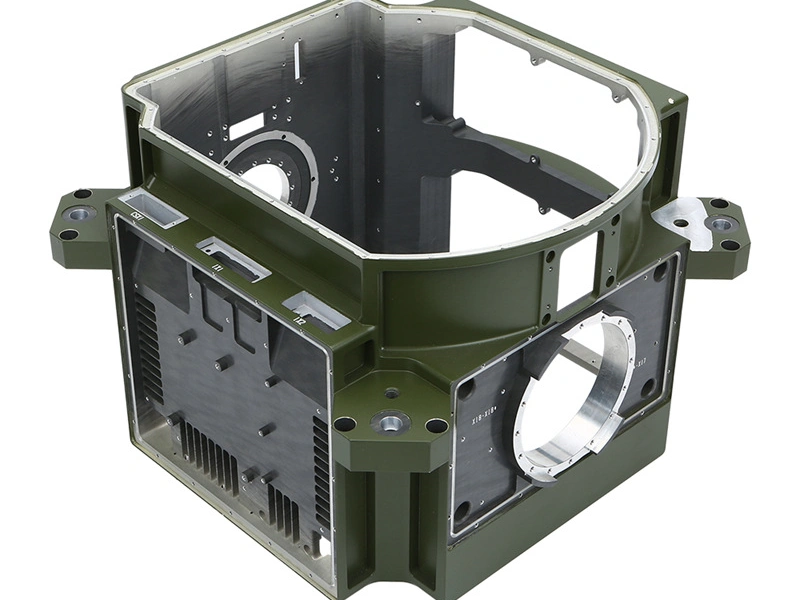
How OEM Drawings Become Customized Zinc Die Casting Projects
OEM drawings are the starting point for customized zinc die casting, but a complete project usually needs more than one drawing. The supplier may need a 3D model, 2D drawing, cosmetic requirement, assembly drawing, finish sample, old sample, BOM information, and packaging instruction.
Each document helps the supplier understand a different part of the customized requirement.
OEM Document | Supplier Review Focus |
|---|---|
3D model | Structure, wall thickness, draft, undercuts, parting direction, and mold feasibility. |
2D drawing | Critical dimensions, tolerances, functional areas, machining notes, and inspection points. |
Appearance requirement | Visible faces, logo, texture, color, gloss, cosmetic standard, and finish level. |
Assembly drawing | Fit relationship, screw locations, insert areas, mating surfaces, and functional testing. |
Finish sample | Color, gloss, texture, coating appearance, decorative effect, and buyer approval standard. |
Packaging instruction | Scratch protection, batch labeling, anti-mixing control, handling, and final delivery method. |
If the buyer only provides part geometry but does not define appearance, finishing, or assembly requirements, the supplier may produce a technically cast part that still fails final product expectations.
Private Tooling for Customized Zinc Die Casting
Customized zinc die casting usually requires private tooling. Private tooling helps protect the buyer’s unique part structure, product appearance, logo detail, and long-term production plan. It also gives the supplier a stable foundation for repeat orders.
Private tooling is not only a mold cost. It is a long-term project asset. Buyers should confirm tool ownership, storage, maintenance, revision records, cavity number, and expected tool life early in the project.
Private Tooling Item | Why Buyers Should Confirm |
|---|---|
Tool ownership | Clarifies the buyer’s long-term rights for customized OEM parts. |
Tool storage | Ensures the mold is protected, traceable, and available for repeat production. |
Tool maintenance | Helps maintain surface quality, dimensional stability, and production consistency. |
Revision records | Prevents old and new mold versions from being mixed during repeat orders. |
Cavity number | Affects production capacity, unit cost, and cavity-to-cavity consistency. |
Tool life | Supports long-term planning for repeat orders, maintenance, and future replacement. |
A supplier with private tooling for customized zinc die casting capability can connect mold design with surface appearance, CNC post-machining, logo detail, and mass production requirements. When mold durability matters, suitable materials such as H13 die casting mold steel may also be considered for die casting tool applications.
Material Selection for Customized Zinc Die Casting
Material selection for customized zinc die casting should be based on the buyer’s product requirement, not only the lowest material price. The selected alloy affects part strength, hardness, surface finish, fine detail, logo clarity, post-machining, assembly performance, and long-term use.
Common zinc alloys for customized die casting include Zamak 3, Zamak 5, Zamak 7, ZA-8, and other zinc alloy directions depending on application needs.
Custom Requirement | Possible Alloy Direction | Planning Note |
|---|---|---|
General OEM zinc parts | Balanced performance, stable dimensions, and broad suitability for many custom parts. | |
Higher strength hardware | Suitable for hardware, small load-related parts, and stronger custom zinc components. | |
Thin wall or detailed logo | Useful when flowability, fine detail reproduction, and surface performance are important. | |
Wear-related part | Can be evaluated for selected applications requiring wear resistance or stronger performance. | |
Premium appearance part | Zamak 3 or Zamak 7 | Should be reviewed together with polishing, painting, decorative coating, and packaging needs. |
The final alloy decision should be reviewed with tooling, surface finish, post-machining, assembly, and quality inspection requirements. A decorative logo part and a high-strength hardware part may require different material strategies.
Custom Surface Finish, Color, Texture and Logo Planning
Custom appearance requirements are a major reason buyers choose customized zinc die casting. OEM buyers may need a custom color, decorative coating, logo, texture, polished surface, painted finish, powder-coated surface, or special product appearance.
These requirements should be planned before tooling. If cosmetic requirements are discussed only after casting, the supplier may need rework, mold changes, polishing correction, color adjustment, or new samples.
Custom Appearance Requirement | Planning Focus | Risk If Ignored |
|---|---|---|
Custom color | Finish sample, color reference, gloss level, batch comparison, and approval standard. | Batch color difference and customer rejection. |
Logo | Mold detail, embossing, engraving, surface marking, and finishing compatibility. | Unclear brand mark or distorted logo detail. |
Texture | Tool surface, surface treatment, polishing direction, and inspection sample. | Inconsistent texture or poor touch feel. |
Decorative coating | Base casting surface quality, coating process, handling, and packaging protection. | Surface defects may become more visible after finishing. |
Powder coating | Coating thickness, masking, edge coverage, and assembly clearance. | Fit problems, coating buildup, or inconsistent protection. |
Polishing | Base surface control, defect limits, polishing direction, and visual standard. | Pits, marks, or casting defects become obvious. |
Neway’s related surface options can support surface finishing for customized zinc casting, custom painting for zinc die cast parts, powder coating for customized zinc die casting, tumbling for customized zinc die cast parts, and sand blasting for customized zinc die cast parts. For premium cosmetic parts, decorative coatings for customized zinc parts can also be considered.
Post-Machining and Assembly Requirements for Customized Zinc Parts
Customized zinc die cast parts often need functional features after casting. These may include custom holes, threaded features, locating surfaces, hinge or rotating areas, insert fitting zones, mating surfaces, logo area protection, and assembly-ready delivery.
Buyers should define whether machining happens before or after surface finishing. For example, a coated mating area may need masking, while a threaded hole may need machining, deburring, and gauge inspection before final assembly.
Customized Feature | Manufacturing Support |
|---|---|
Threaded hole | CNC machining for customized zinc die cast parts, tapping, deburring, and gauge inspection. |
Locating feature | Post-machining for customized zinc die casting, fixture inspection, and CMM check. |
Insert area | Fit review, controlled machining, insert test, and assembly validation. |
Hinge area | Hole machining, movement test, pin fit check, and functional inspection. |
Coated mating area | Finish thickness review, masking control, clearance check, and assembly test. |
Assembly-ready part | Inspection, trial assembly, packaging, and ready-to-use delivery planning. |
For custom zinc components that must enter final assembly, CNC post-machining for assembly fit can help control functional areas after casting. Assembly service for customized zinc die cast parts can also reduce buyer-side secondary operations.
Drawing Revision and Change Control in Customized Zinc Die Casting
Customized zinc die casting projects often change during development. After samples, buyers may adjust hole position, logo size, texture, color, surface finish, assembly surfaces, tolerances, or packaging. If these changes are not controlled, old and new versions can be mixed in tooling, CNC programs, inspection standards, and repeat orders.
Every revision should be recorded with a clear revision number, approval date, updated drawing, and affected production process. The supplier should update tooling records, CNC programs, inspection documents, finish samples, and packaging instructions when needed.
Change Item | Production Area Affected |
|---|---|
Hole position change | CNC program, tooling insert, fixture, inspection standard, and assembly test. |
Logo change | Tooling detail, surface marking, cosmetic inspection, and finish approval. |
Finish change | Surface process, coating thickness, color sample, masking, and packaging protection. |
Tolerance change | Machining plan, CMM standard, fixture inspection, and sampling plan. |
Packaging change | Delivery method, labeling, batch identification, protection, and logistics handling. |
Quantity change | Tooling cavity plan, production schedule, cost structure, and mass production planning. |
Revision control is especially important for repeat OEM production. Before each repeat order, the buyer and supplier should confirm the latest drawing version, approved sample, finish standard, and packaging requirement.
Sample Approval for Customized Zinc Die Casting Projects
Sample approval for customized zinc die casting should confirm more than size. OEM buyers should verify shape, logo, texture, color, surface finish, machining, assembly, function, packaging, and appearance standards before moving forward.
A golden sample can become the reference for future production, especially for visible parts, logo parts, painted parts, decorative coated parts, and parts that require special packaging.
Sample Approval Item | What Buyer Should Confirm |
|---|---|
Shape and size | Whether the sample matches the approved 3D model and 2D drawing. |
Logo and texture | Whether branding, pattern, texture, sharpness, and position meet OEM requirements. |
Finish and color | Whether painting, coating, gloss, surface feel, and color match the approved sample. |
Machined features | Whether holes, threads, locating faces, insert areas, and mating surfaces meet requirements. |
Functional fit | Whether the part passes trial assembly, movement check, fastening test, or fit validation. |
Packaging | Whether the packaging protects cosmetic surfaces and functional areas during delivery. |
For dimensional verification, CMM inspection for customized zinc die casting can help confirm critical dimensions and functional areas. For long-term production, quality control for customized zinc die casting should also include repeatable inspection records.
How to Manage Customized Zinc Die Casting From Prototype to Production
Customized zinc die casting should move through a controlled workflow. This is especially important for OEM parts that involve custom appearance, logo detail, private tooling, CNC machining, surface finishing, assembly, packaging, and repeat orders.
Stage | Main Task | Output |
|---|---|---|
Requirement review | Confirm customization scope, product function, appearance, assembly, and packaging. | RFQ and feasibility review. |
DFM and material review | Review structure, alloy selection, surface finish, machining, and production risks. | Manufacturing plan. |
Private tooling | Develop dedicated tooling for the customized zinc die cast part. | Tooling sample. |
Sample trial | Verify casting quality, dimensions, logo, finish, machining, and basic function. | Sample report. |
Change control | Record changes to drawing, tooling, CNC, finish, inspection, or packaging. | Updated drawing and tooling record. |
Finish approval | Confirm color, texture, gloss, coating, logo appearance, and visual standard. | Approved sample. |
Pilot production | Validate small-batch consistency before scaling. | Production checklist. |
Mass production | Produce and deliver repeatable customized zinc die cast parts. | Repeatable customized parts. |
Buyers can use prototype customized zinc die cast parts for early validation, low-volume customized zinc die casting for trial production, and mass production customized zinc die casting for repeat OEM orders.
How to Choose a Customized Zinc Die Casting Manufacturer
A customized zinc die casting manufacturer should be able to manage more than casting production. OEM buyers should evaluate whether the supplier can review drawings, select zinc alloys, build private tooling, manage tooling revisions, support CNC machining, control surface finishing, inspect customized features, manage version control, support assembly, and protect finished parts during packaging.
If the project includes custom color, logo, texture, functional interfaces, private tooling, or long-term repeat production, the supplier should have a controlled workflow for each stage.
Manufacturer Capability | Why It Matters | Buyer Benefit |
|---|---|---|
OEM drawing review | Confirms whether the custom design can be cast, machined, finished, and assembled. | Reduces late changes and tooling risk. |
Zinc alloy selection | Matches material properties to strength, appearance, wear, and cost needs. | Improves part suitability and prevents material mismatch. |
Private tooling | Supports custom shape, logo, texture, and repeat production. | Protects OEM part identity and improves long-term consistency. |
Tool modification record | Tracks changes after sample review and engineering updates. | Reduces wrong-version production risk. |
CNC and post-machining | Controls holes, threads, locating features, and assembly surfaces. | Improves assembly fit and functional reliability. |
Surface finishing | Controls custom color, coating, decorative appearance, and protection. | Supports branded and appearance-sensitive zinc die cast parts. |
Version control | Ensures drawing, tooling, CNC, inspection, and packaging documents stay aligned. | Prevents old revisions from entering repeat production. |
Packaging and repeat production | Protects finished parts and supports long-term OEM supply. | Improves delivery quality and repeat order stability. |
A one-stop customized zinc die casting supplier can help connect tooling, die casting, CNC machining, surface finishing, inspection, assembly, packaging, and mass production into one integrated OEM manufacturing workflow.
Summary
Customized zinc die casting is suitable for OEM metal parts that require custom shape, custom alloy, private tooling, logo detail, custom color, texture, machining, surface finishing, assembly-ready delivery, packaging, and repeat production. Buyers should not treat these projects as simple casting orders.
To reduce risk, buyers should define customization scope before quotation, prepare complete OEM documents, confirm private tooling rules, choose suitable zinc alloys, approve appearance samples, control drawing revisions, validate machined and assembled features, and establish repeat production standards.
Planning Area | Key Buyer Question | Recommended Action |
|---|---|---|
Customization scope | What exactly must be customized? | Define shape, size, alloy, finish, logo, texture, assembly, packaging, and repeat order needs. |
OEM documents | Does the supplier have enough information to start the project? | Provide 3D model, 2D drawing, appearance standard, assembly drawing, finish sample, and packaging instruction. |
Private tooling | How will the custom mold be owned, stored, maintained, and revised? | Confirm tool ownership, storage, maintenance, cavity number, revision records, and tool life. |
Material | Which zinc alloy supports the custom part requirement? | Evaluate Zamak 3, Zamak 5, Zamak 7, ZA-8, or other zinc alloy options based on final use. |
Appearance | How will custom color, logo, texture, and finish be controlled? | Use finish samples, visual standards, tooling review, coating control, and golden sample approval. |
Revision control | How will drawing changes be managed? | Record revision numbers and update tooling, CNC programs, inspection standards, finish samples, and packaging requirements. |
Production | Can the project move safely from sample to repeat OEM orders? | Use prototype validation, pilot production, quality control records, assembly checks, packaging standards, and mass production planning. |
FAQ
What Should OEM Buyers Define Before Starting Customized Zinc Die Casting?
How Does Private Tooling Support Customized Zinc Die Cast Parts?
How Should Custom Finish, Color, Texture and Logo Requirements Be Controlled?
Why Is Drawing Revision Control Important in Customized Zinc Die Casting?
How Can Customized Zinc Die Casting Move From Sample Approval to Repeat OEM Production?