How Can Private Tooling Support Customized Zinc Die Cast Parts?
How Can Private Tooling Support Customized Zinc Die Cast Parts?
Private tooling supports customized zinc die cast parts by protecting part geometry, logo details, surface requirements and repeat production consistency. Buyers should confirm tooling ownership, revision records, mold maintenance, storage and long-term use before production. For OEM projects, private tooling should be treated as a key project asset, not only as an upfront tooling cost.
1. Why Private Tooling Matters for Customized Projects
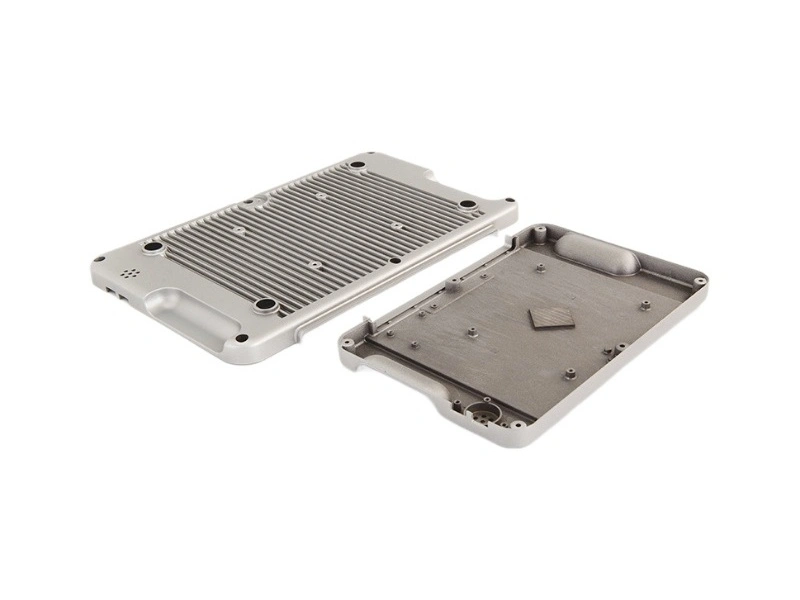
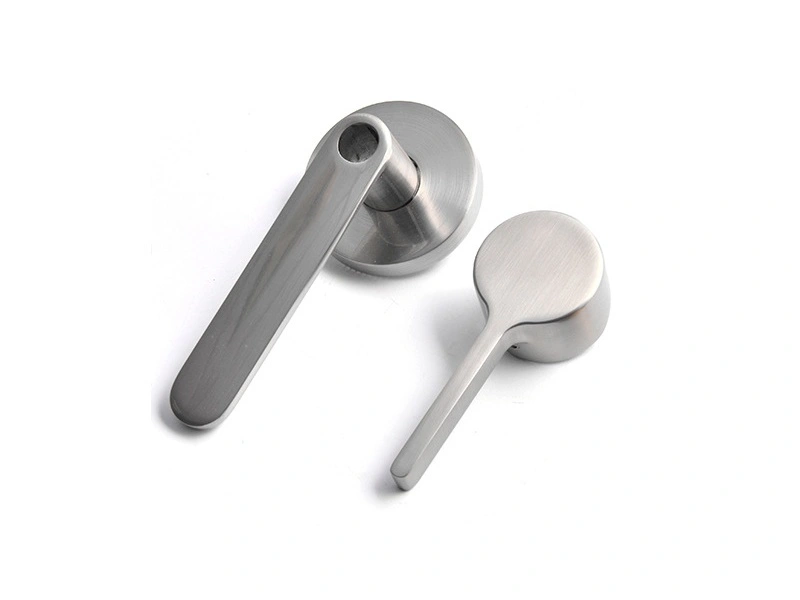
Customized zinc die cast parts often include unique geometry, brand logos, visible surfaces, textures, special holes, custom assembly features or private product structures. These features are defined by the mold. If tooling control is weak, the buyer may face wrong-version parts, unstable appearance, inconsistent dimensions or unclear ownership during repeat orders.
Private tooling helps protect customized part design and supports stable repeat production because the mold is built around the buyer’s specific product requirements.
Private Tooling Point | Buyer Should Confirm | Why It Matters |
|---|---|---|
Tool ownership | Who owns the mold and who can use it | Protects project rights and private product design. |
Tool maintenance | How the mold is maintained and repaired | Keeps quality stable during repeat orders. |
Revision record | What changed, when it changed and why | Prevents wrong-version zinc die cast parts. |
Tool storage | Where the mold is stored and how it is protected | Supports long-term repeat production. |
Cavity control | Whether each cavity produces consistent parts | Improves batch stability in multi-cavity tooling. |
2. How Private Tooling Protects Logo, Texture and Geometry
Logo details, surface textures, part shape, ribs, bosses, holes and appearance areas are all influenced by the mold. If the mold is not managed as a private project asset, logo wear, texture changes, cavity variation or uncontrolled modifications may affect the final part.
Neway can support custom die casting molds for zinc parts and help buyers manage mold design, revision records and maintenance needs. For some tooling projects, material choices such as H13 mold steel for zinc die casting may be evaluated based on production requirements.
3. Why Tool Maintenance Is Important for Repeat Production
Mold condition changes during long-term production. Wear can cause flash, burrs, dimensional drift, logo detail loss and surface quality variation. If the part has visible surfaces, brand marks or tight assembly requirements, tooling maintenance becomes especially important.
For long-term customized projects, buyers should confirm how the supplier tracks mold condition, performs maintenance, records repairs and checks cavity consistency. Neway can support repeat production for customized zinc parts with tooling maintenance and production quality control.
Tooling Risk | Possible Result | Recommended Control |
|---|---|---|
Unclear mold ownership | Private part design may not be properly protected. | Confirm tooling ownership and usage rights before production. |
No revision record | Repeat orders may use the wrong mold version. | Document every mold modification and sample approval. |
Insufficient mold maintenance | Flash, burrs, surface variation and dimensional drift may increase. | Use mold maintenance records and periodic tooling checks. |
Logo area wears over time | Brand mark may become unclear in later batches. | Monitor logo and texture areas during repeat production. |
Multi-cavity variation | Parts from different cavities may not match consistently. | Use cavity tracking and inspection controls. |
4. How Neway Supports Private Tooling Management
Neway can coordinate private tooling, zinc die casting, surface finishing, inspection and production release under one workflow. This helps buyers reduce the risk of mold version confusion, uncontrolled repair, delayed repeat orders and inconsistent customized parts.
For buyers that need full project coordination, Neway can provide one-stop zinc die casting supplier support and quality control for mass production consistency.
Summary
Buyer Question | Recommended Tooling Control |
|---|---|
Why use private tooling? | It protects custom geometry, logo, surface details and repeat production consistency. |
What should buyers confirm? | Tool ownership, usage rights, storage, maintenance, revision records and cavity control. |
How does tooling affect repeat orders? | Mold condition affects flash, dimensions, logo clarity, surface quality and batch stability. |
When should tooling be treated as a core asset? | When the customized zinc die cast part is used for long-term OEM production. |