ZL040
Material Introduction
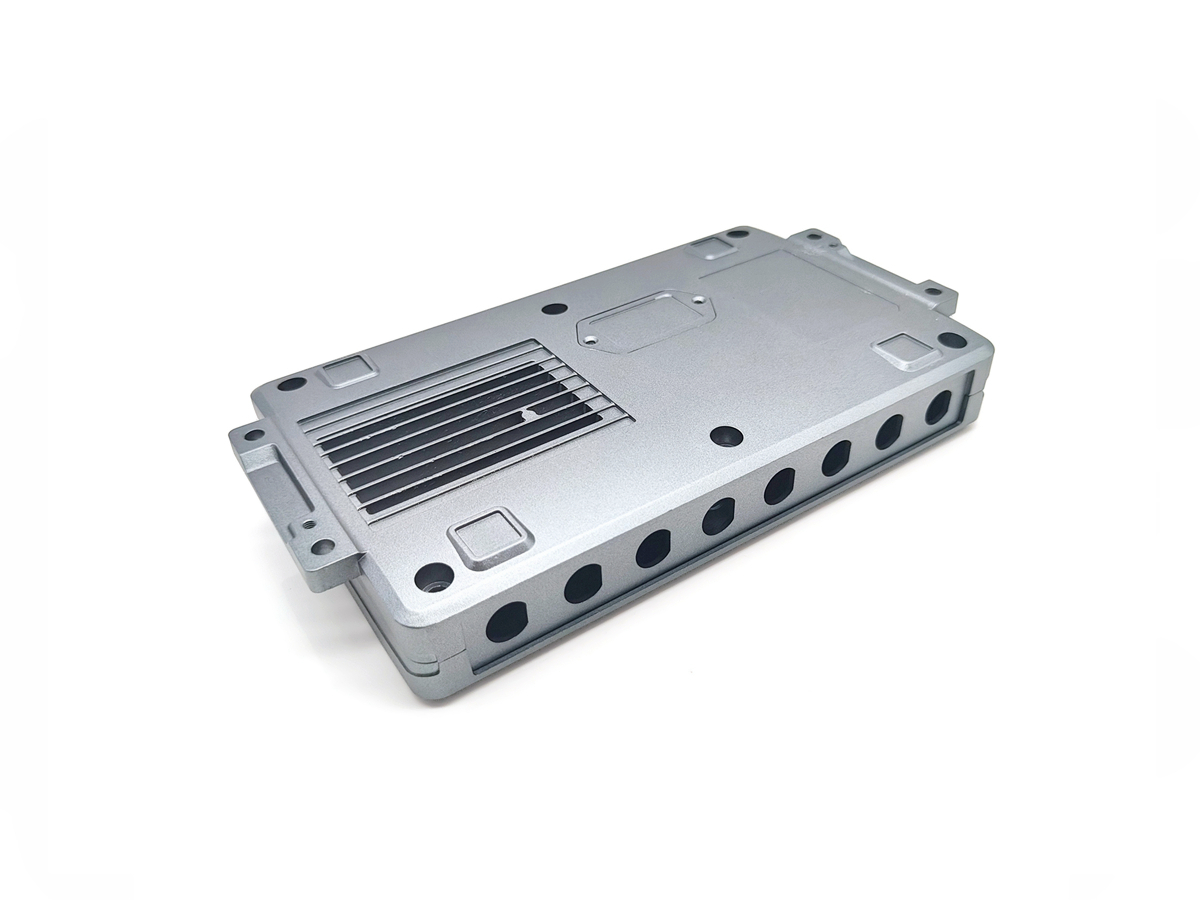
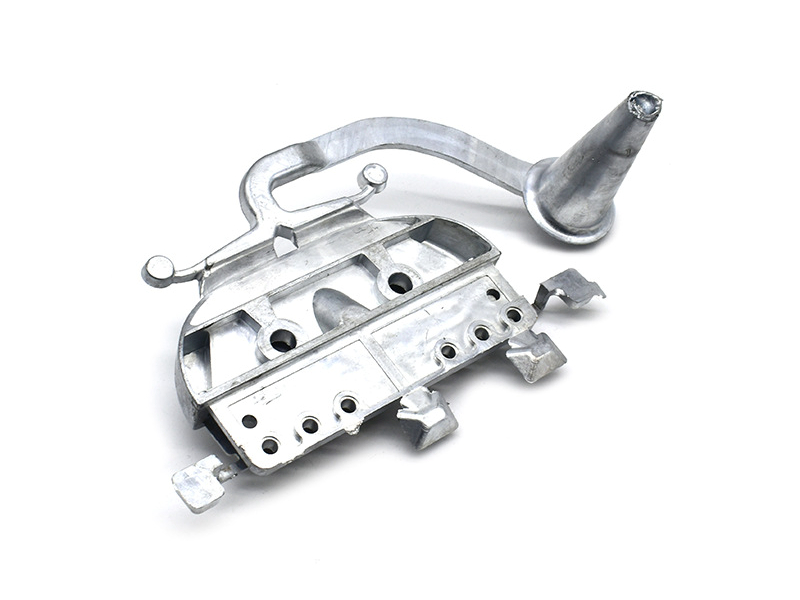
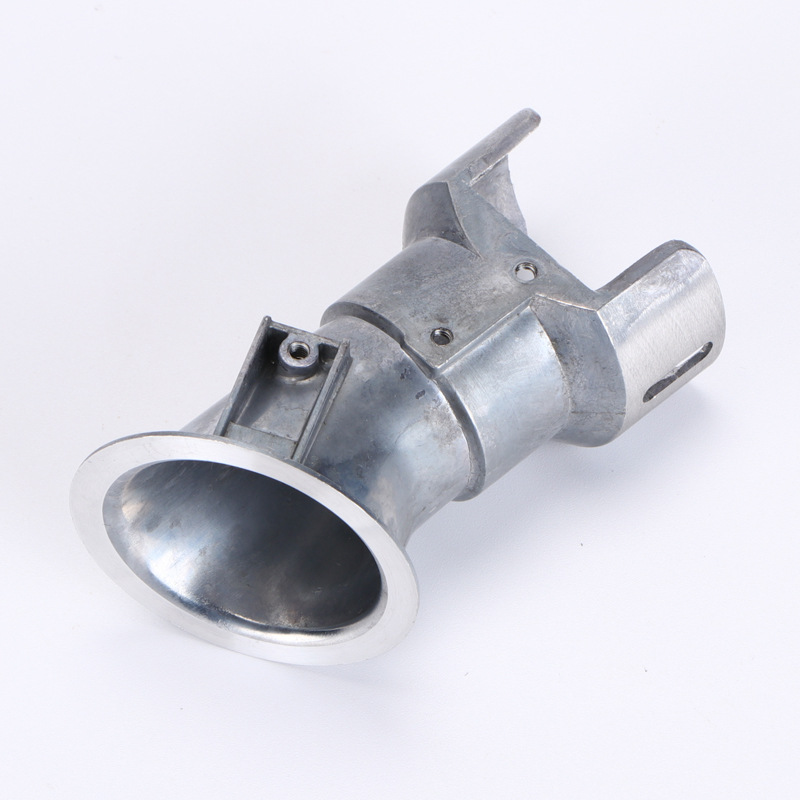
ZL040 is a high-performance zinc-based alloy specifically engineered for precision zinc die casting applications that demand superior dimensional accuracy, thin-wall capability, and high stability in mass production. Designed with excellent fluidity and exceptional strength at room temperature, ZL040 exhibits outstanding castability, enabling manufacturers to create miniature, complex, and tightly tolerance components. When combined with Neway’s advanced tool and die making capabilities and refined process control, ZL040 supports clean surface finishes, minimal porosity, and high repeatability—critical for electronics, precision mechanisms, automotive interior elements, locking systems, and premium consumer hardware. The alloy’s low melting temperature enables reduced cycle time and high production efficiency, making it a cost-effective yet high-performance option for medium- to high-volume die-cast components.
International Names or Representative Grades
Region | Common Name | Representative Grades |
|---|---|---|
USA | Zinc Alloy for Die Casting | ZA Series, Zamak Grades |
Japan | JIS Zinc Die-Cast Alloy | ZDC1, ZDC2 |
Europe | EN Zinc Alloys | ZL0430, ZL041 |
China | Zinc Alloy | ZL040, ZL041 |
Consumer Electronics | Precision Zinc Alloy | Zamak 7, Zamak 3 |
Alternative Material Options
If specific mechanical, thermal, or cost requirements differ from those provided by ZL040, several alternative materials may serve as suitable substitutes. For improved impact strength or higher hardness, Zamak 5 offers enhanced mechanical performance. For applications requiring excellent dimensional stability and widely used standardization, Zamak 3 remains the industry benchmark. If slightly higher fluidity or better creep resistance is needed, Zamak 7 provides improved casting precision. For improved strength-to-weight ratio or higher temperature resistance, aluminum alloys such as A380 and A383/ADC12 may be selected. For superior corrosion resistance and premium mechanical properties, copper-based alloys such as Brass 464 or copper-brass alloys provide excellent alternatives when cost allows.
Design Purpose
ZL040 was designed to provide exceptional casting precision for miniature or medium-sized components, where fine details, tight tolerances, and dimensional repeatability are crucial. The alloy’s balanced composition enhances fluidity and reduces shrinkage, thereby minimizing common die-casting defects, including cold shuts, porosity, and cracking. It was engineered for fast cycling in high-pressure die-casting machines, enabling efficient production with minimal scrap. ZL040’s purpose is to serve industries where stability, surface quality, and cost control are critical, particularly in intricate mechanisms, decorative hardware, and mechanical assemblies that require durable, stable zinc alloy structures.
Chemical Composition
Element | Composition (%) |
|---|---|
Zinc (Zn) | Balance |
Aluminum (Al) | 3.5–4.3 |
Copper (Cu) | 0.02–0.25 |
Magnesium (Mg) | 0.03–0.08 |
Iron (Fe) | ≤0.075 |
Lead/Cadmium/Tin | Trace (<0.003 each) |
Physical Properties
Property | Value |
|---|---|
Density | ~6.6 g/cm³ |
Melting Range | ~380–395°C |
Thermal Conductivity | ~105 W/m·K |
Electrical Conductivity | ~27% IACS |
Thermal Expansion | 27–30 µm/m·°C |
Mechanical Properties
Property | Typical Value |
|---|---|
Tensile Strength | ~290 MPa |
Yield Strength | ~220 MPa |
Elongation | 1–2% |
Hardness | ~95–110 HB |
Impact Strength | Moderate to High |
Key Material Characteristics
Very high fluidity enables excellent mold filling for fine details and thin-wall castings.
Low melting temperature supports fast cycle times and reduced energy consumption.
High-dimensional stability for precision-engineered hardware and mechanical assemblies.
Excellent surface finish quality, suitable for both direct use and decorative finishing.
Strong room-temperature mechanical performance is ideal for durable consumer components.
Suitable for high-volume metal casting production environments.
Enhanced resistance to die soldering and hot cracking during high-pressure casting.
Minimal porosity when paired with optimized mold design and engineering control.
Excellent compatibility with electroplating, powder coating, and decorative processes.
Reliable dimensional repeatability across large production batches.
Manufacturability in Different Processes
High-pressure zinc die casting: Ideal for complex geometries using zinc die casting systems.
CNC machining: Achieves precise features with CNC machining for holes, mating surfaces, and post-cast refinement.
Surface finishing: Compatible with sand blasting and tumbling for surface smoothing.
Electroplating: Ideal for chrome, nickel, and decorative finishes on consumer hardware.
Powder coating: Works well with powder coating for durable, uniform surfaces.
Painting: Accepts painting for aesthetic or functional coating requirements.
Mold optimization: Performs best when supported by expert die-casting design services.
Assembly: Compatible with integrated assembling operations for multi-component systems.
Suitable Post-Processing Methods
Electroplating for decorative or corrosion-resistant finishes on high-appearance components.
Powder coating for durable and uniform surface protection.
Painting for customized colors, branding, or protective layers.
Mechanical polishing to achieve smooth, reflective, or decorative surfaces.
Tumbling and vibratory finishing to deburr and enhance surface uniformity.
Sandblasting to prepare surfaces for coatings or to improve texture.
CNC machining for tight-tolerance critical features or threaded areas.
Common Industries and Applications
Electronics housings, device frames, and miniature precision components.
Locking system hardware and internal mechanisms require stability.
Automotive interior components, decorative elements, and structural fittings.
Consumer hardware, premium enclosures, and aesthetic product bodies.
Power tools, switches, brackets, and ergonomic handle structures.
Industrial components requiring compact, high-strength zinc alloy performance.
When to Choose This Material
When thin-wall, intricate, highly detailed castings are required.
When production requires a fast cycle time and excellent casting stability.
When parts require high-quality surface finishing or decorative plating.
Achieving consistent performance in high-volume manufacturing is essential.
When dimensional accuracy and low porosity are critical to function.
When moderate mechanical strength at room temperature is sufficient.
When cost-effective zinc alloys outperform aluminum or copper options.
When smooth finishing and high repeatability support integrated product assembly.
Explore Related Blogs