Zn-22Al
Material Introduction
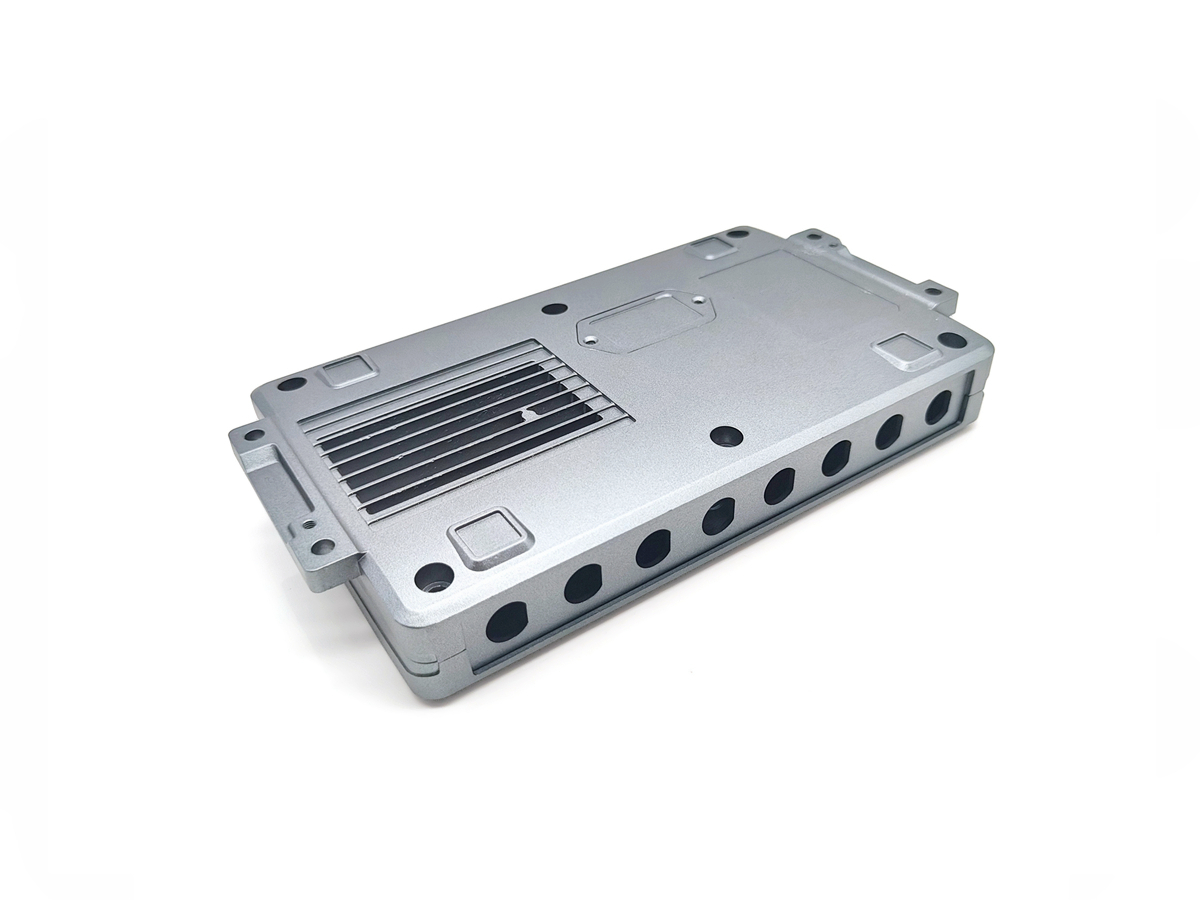
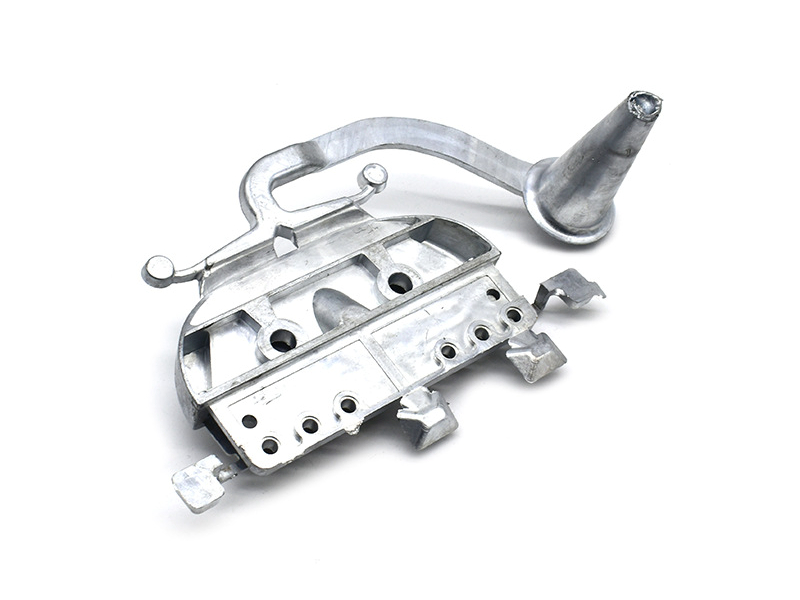
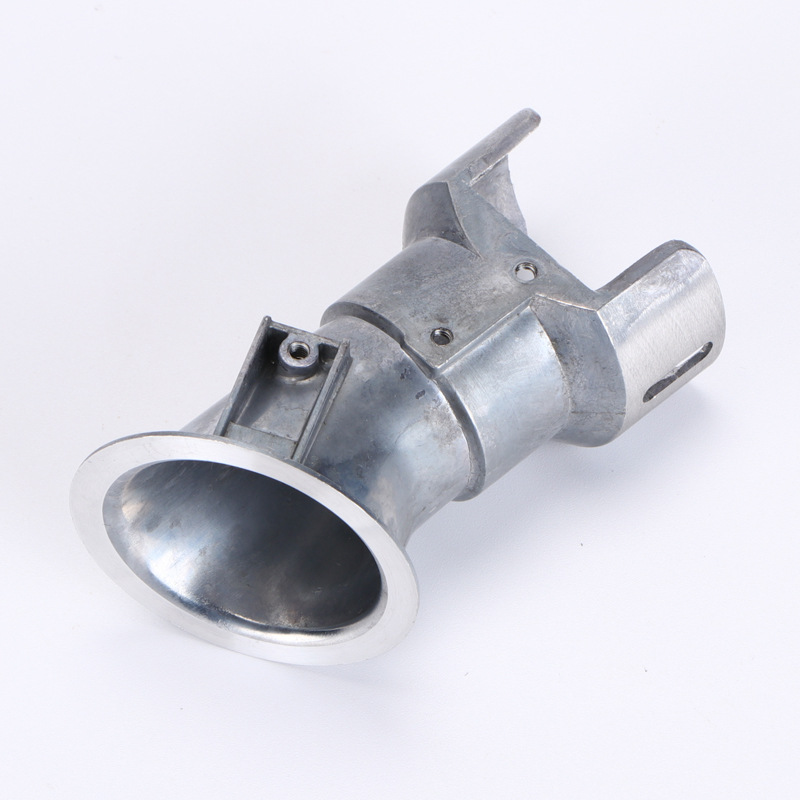
Zn-22Al is a high-performance zinc–aluminum alloy engineered for precision zinc die casting and advanced gravity or squeeze-casting applications. With approximately 22% aluminum, this alloy belongs to the ZA family (Zinc–Aluminum), known for its exceptional strength, improved wear resistance, and significantly enhanced dimensional stability compared to conventional zinc alloys, such as Zamak 3 or Zamak 5. Zn-22Al exhibits a microstructure that provides high hardness, excellent bearing characteristics, and superior fatigue resistance, making it suitable for medium-load and high-load functional components. Its castability supports both thin-wall geometries and thicker structural cross-sections, allowing excellent replication of surface details and fine features. When produced using Neway’s controlled metal casting environments and precision tool and die making, Zn-22Al consistently delivers robust, dimensionally stable parts ideal for gears, bushings, precision housings, structural brackets, and machinery components.
Alternative Material Options
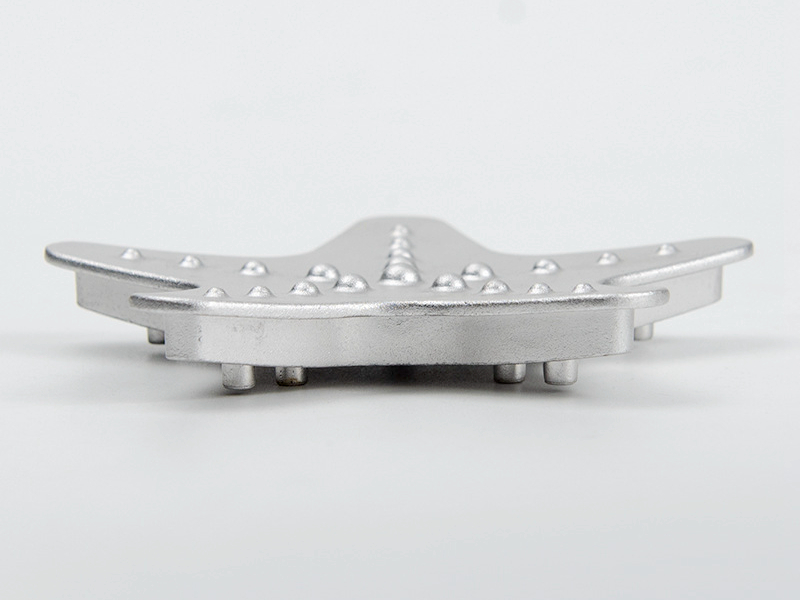
When Zn-22Al’s specific performance characteristics exceed typical needs—or when different mechanical or environmental priorities arise—several alternative alloys may be considered. For applications where higher ductility and broader industrial adoption are desired, Zamak 3 is preferred for its excellent formability and widespread standardization. When a balance of increased strength and manageable cost is required, Zamak 5 or ZDC1 provides versatile mechanical performance. For ultra-high precision and thin-wall casting, Zamak 7 offers improved fluidity and low impurity levels. For significantly higher strength or thermal performance in load-bearing structures, aluminum alloys such as A380 or A383/ADC12 may be used. When enhanced corrosion performance or premium appearance is required, copper-based alloys like Brass 380 or copper-brass alloys offer superior finish quality and structural reliability.
International Equivalent / Comparable Grade
Country/Region | Equivalent / Comparable Grade | Specific Commercial Brands / Standards | Notes |
USA (ASTM) | ZA-22 | ASTM B86 ZA-22 | Directly equivalent alloy standardized for high-strength zinc–aluminum castings. |
Europe (EN) | ZnAl22Cu / ZA22 | EN ZnAl22 | Typical European variant with similar Al content and mechanical behavior. |
China (GB) | ZA-22 type | Zn–22Al | Equivalent Chinese practice for zinc–aluminum performance alloys. |
Japan (JIS) | No direct JIS equivalent | Imported under ZA-22 | Used mostly as an imported material for high-performance casting. |
UK (BS) | ZA-22 | BS 1004 ZA-22 | Adopted UK designation typically aligned with ASTM compositions. |
Design Purpose
Zn-22Al was developed to provide a zinc-based alloy with mechanical properties approaching those of aluminum and brass, while maintaining the casting efficiency of zinc alloys. Its high aluminum content increases strength, hardness, and wear resistance, making it ideal for gears, bushings, and structural components subjected to sliding contact, moderate thermal loads, or high-frequency cycling. It was designed to reduce dependence on heavier or more expensive copper-based alloys while providing better dimensional stability than many aluminum castings. The alloy serves engineering teams seeking a high-performance, precision-castable material that reduces machining requirements and improves durability without substantially increasing material cost.
Chemical Composition
Element | Zinc (Zn) | Aluminum (Al) | Copper (Cu) | Magnesium (Mg) | Iron (Fe) | Lead/Cadmium/Tin |
Composition (%) | Balance | 20–23 | 0.5–1.2 | 0.02–0.06 | ≤0.075 | Trace (<0.003 each) |
Physical Properties
Property | Density | Melting Range | Thermal Conductivity | Electrical Conductivity | Thermal Expansion |
Value | ~5.0 g/cm³ | ~380–480°C | ~110 W/m·K | ~22% IACS | ~25 µm/m·°C |
Mechanical Properties
Property | Tensile Strength | Yield Strength | Elongation | Hardness | Wear Resistance |
Value | ~410–450 MPa | ~350 MPa | ~1–3% | ~120–140 HB | Very High |
Key Material Characteristics
Extremely high strength—significantly higher than Zamak alloys—ideal for structural and load-bearing applications.
Excellent wear resistance suitable for gears, bushings, and sliding contact components.
High hardness comparable to certain aluminum bronzes but with lower processing cost.
Supports complex geometries and precise thin-wall casting using zinc die casting or gravity casting methods.
Stable dimensional behavior over time, offering improved creep resistance compared with conventional zinc alloys.
Superior bearing performance, enabling metal-on-metal contact in moderate-load mechanisms.
Smooth-as-cast surfaces are compatible with decorative or protective finishing processes.
Lower density than most zinc alloys, resulting in lighter components without compromising strength.
High thermal conductivity suitable for heat-spreading elements in small enclosures.
Better fatigue resistance under repetitive mechanical cycles than Zamak series alloys.
Manufacturability And Post Process
Zinc die casting: Can be cast in hot-chamber systems for small parts or cold-chamber systems for larger geometries.
Gravity casting: Suitable for thicker-wall or load-bearing components requiring improved soundness.
Squeeze casting: Enhances density, reduces porosity, and maximizes mechanical performance.
High tool precision, achieved through tool and die making, ensures accurate shaping and minimizes distortion.
Post machining: Milling, boring, reaming, and grinding produce tight-tolerance functional features.
Threading and tapping: Achieves strong thread quality due to high hardness and stable chip formation.
Tumbling and deburring are essential for removing sharp edges and preparing surfaces for coating.
Sand blasting: Improves adhesion for coatings and produces uniform textures.
Inspection support using die castings inspection ensures structural and dimensional reliability.
Suitable Surface Treatment
Powder coating: Provides corrosion protection and durable decorative finishes.
Liquid painting: Enables fine color control for aesthetic products.
Sand blasting: Prepares surfaces and creates refined matte textures.
Tumbling: Smooths surfaces and enhances tactile quality.
Electroplating: Provides decorative chrome, nickel, and wear-resistant multi-layer finishes.
Chemical conversion coatings: Chromate or trivalent passivation for enhanced corrosion performance.
E-coating: Provides uniform protective layers in deep cavities.
Laser marking: Ideal for serial identification or branding without compromising surface finish.
Common Industries and Applications
Precision gears, cams, and mechanical motion components.
Bearings, bushings, and low-speed sliding interfaces.
Small machinery parts require high wear resistance.
Structural brackets and supports in compact systems.
Premium hardware is used in consumer electronics and devices.
Automotive interior mechanisms and actuator components.
When to Choose This Material
When your design requires significantly higher strength and hardness than Zamak alloys can deliver.
When wear resistance and bearing performance are critical in long-life mechanical assemblies.
When you need a cost-effective alternative to brass or bronze for medium-load applications.
When tighter dimensional stability is required compared with aluminum castings.
When casting, efficiency and the reproduction of fine detail are essential to shorten production cycles.
When reduced weight is beneficial but structural performance must be maintained.
When your product roadmap involves multiple surface-finish variations for premium aesthetics.
When mechanical fatigue, friction, and contact stress dictate material selection.
Explore Related Blogs