
Tumbado con Medios Cerámicos: Desbarbado de Precisión para Piezas de Fundición a Presión
Introducción
En el ámbito del acabado de componentes de fundición a presión, el tumbado con medios cerámicos se erige como una solución principal para el desbarbado de precisión y el refinado de superficies. Esta técnica avanzada de acabado en masa utiliza abrasivos cerámicos diseñados para ofrecer resultados consistentes y de alta calidad en una amplia gama de aplicaciones de fundición a presión. En Neway, el tumbado con medios cerámicos representa una piedra angular de nuestras completas capacidades de postprocesamiento, proporcionando a los clientes soluciones de desbarbado confiables para componentes de fundición a presión de aluminio, fundición a presión de zinc y fundición a presión de cobre.
A diferencia de los métodos de acabado convencionales que pueden comprometer la integridad dimensional o la consistencia superficial, el tumbado con medios cerámicos ofrece un control preciso sobre la calidad de los bordes y las características de la superficie mientras mantiene tolerancias críticas. Este método se ha vuelto esencial para componentes que requieren tanto fiabilidad funcional como excelencia cosmética dentro de nuestro entorno de fabricación integrado y de servicio integral.
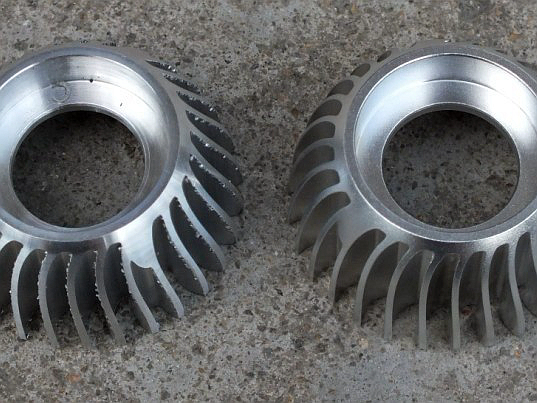
¿Qué es el Tumbado con Medios Cerámicos?
El tumbado con medios cerámicos es un proceso de acabado en masa de precisión que utiliza abrasivos cerámicos especialmente formulados para eliminar rebabas, redondear bordes y mejorar los acabados superficiales en componentes de fundición a presión. Estos medios diseñados consisten en partículas abrasivas clasificadas con precisión—típicamente óxido de aluminio, carburo de silicio o circonia—unidas dentro de una matriz cerámica vitrificada, creando una acción de corte controlada que refina progresivamente las superficies sin introducir cambios dimensionales significativos.
El proceso opera a través de una combinación de abrasión mecánica y mejora química, donde compuestos especializados trabajan en conjunto con los medios cerámicos para lograr características superficiales específicas. Este enfoque avanzado permite un control preciso sobre la calidad de los bordes, la textura superficial y la precisión dimensional, haciéndolo particularmente valioso para componentes de precisión con requisitos de tolerancia estrictos o aquellos destinados a aplicaciones de alto rendimiento.
Beneficios Clave del Tumbado con Medios Cerámicos
La implementación del tumbado con medios cerámicos ofrece ventajas sustanciales en las dimensiones de calidad, eficiencia y economía:
Desbarbado de Precisión: Elimina eficazmente incluso las rebabas microscópicas de líneas de partición, canales de colada y ubicaciones de pasadores eyectores
Redondeo de Bordes Controlado: Crea radios consistentes y predecibles de 0.03 mm a 0.8 mm en bordes y esquinas
Consistencia Superficial Superior: Logra texturas superficiales uniformes con valores de rugosidad (Ra) de 0.2 μm a 1.5 μm
Integridad Dimensional: La remoción mínima de material preserva tolerancias críticas y características geométricas
Vida Útil Extendida del Medio: Las formulaciones cerámicas duraderas proporcionan una larga vida útil y un rendimiento consistente
Versatilidad de Material: Compatible con varias aleaciones de aluminio, aleaciones de zinc y aleaciones de cobre
Eficiencia del Proceso: La acción de corte rápida reduce los tiempos de ciclo mientras mantiene los estándares de calidad
Acceso a Geometrías Complejas: Procesa eficazmente características intrincadas, pasajes internos y áreas de difícil acceso
Tipos y Formulaciones de Medios Cerámicos
Neway emplea una gama completa de formulaciones de medios cerámicos, cada una diseñada para aplicaciones específicas de desbarbado y acabado:
Medios de Óxido de Aluminio: Medios de propósito general para desbarbado eficiente y redondeo de bordes
Medios de Carburo de Silicio: Formulaciones de alta agresividad para remoción rápida de rebabas en componentes robustos
Medios Basados en Circonia: Opciones de alta densidad para corte acelerado y vida útil extendida
Medios para Pre-Enchapado: Formulaciones de abrasivo fino para preparación de superficies antes del anodizado o electrodeposición
Medios para Redondeo de Precisión: Medios con formas especiales para el rompido controlado de bordes y refinado de esquinas
Medios Específicos para Aplicación: Formulaciones personalizadas optimizadas para materiales de fundición y requisitos de acabado particulares
Características y Capacidades de Desbarbado de Precisión
El tumbado con medios cerámicos produce características de desbarbado distintivas que lo hacen ideal para aplicaciones de precisión:
Eliminación Completa de Rebabas: Eliminación de rebabas microscópicas y bordes afilados de todas las superficies accesibles
Calidad de Borde Consistente: Radios de borde uniformes en lotes de producción y geometrías de componentes
Refinado Superficial: Mejora simultánea del acabado superficial mientras se eliminan las rebabas
Preservación Geométrica: Mantenimiento de dimensiones críticas, ángulos y características funcionales
Resultados Libres de Estrés: Inducción mínima de tensión residual en comparación con los métodos de desbarbado mecánico
Rendimiento de Fatiga Mejorado: La reducción de puntos de concentración de tensión mejora la durabilidad del componente
Preparación para Recubrimiento: Morfología superficial ideal para procesos posteriores de pintura en polvo o pintura
Aplicaciones en Componentes de Fundición a Presión de Precisión
El tumbado con medios cerámicos ha demostrado ser particularmente valioso para componentes que requieren una calidad de borde y consistencia superficial excepcionales:
Componentes Automotrices: Desbarbado de precisión para piezas similares a nuestro proyecto automotriz BYD
Carcasas de Electrónica: Preparación libre de rebabas para componentes en carcasas de base de datos Huawei
Dispositivos Médicos: Redondeo de bordes crítico para instrumentos quirúrgicos y componentes implantables
Componentes de Sistemas de Fluidos: Desbarbado de pasajes internos y superficies de sellado para un rendimiento sin fugas
Ensamblajes Mecánicos: Preparación de bordes de precisión para ajustes por interferencia y componentes móviles
Contactos Eléctricos: Eliminación de rebabas para conexión eléctrica confiable y prevención de arcos
Productos de Consumo: Seguridad y estética mejoradas para componentes que requieren bordes suaves
Optimización del Proceso y Parámetros de Control
Los procesos de tumbado con medios cerámicos de Neway se rigen por sofisticados sistemas de control y protocolos de garantía de calidad:
Protocolos de Selección de Medios: Adaptación del tipo, tamaño y forma del abrasivo a requisitos específicos de desbarbado
Optimización de Compuestos: Aditivos químicos de precisión para lubricación, activación superficial y mejora del corte
Calibración de Equipos: Velocidades de rotación optimizadas, relaciones medio-pieza y tiempos de ciclo para resultados consistentes
Monitoreo del Proceso: Evaluación continua del desgaste del medio, eficiencia de corte y consistencia dimensional
Verificación de Calidad: Inspección integral que incluye evaluación de la calidad del borde, medición de rugosidad superficial y controles dimensionales
Sistemas de Documentación: Registros completos del proceso para trazabilidad de calidad y repetibilidad de fabricación
Comparación con Métodos Alternativos de Desbarbado
El tumbado con medios cerámicos ocupa una posición distintiva dentro de las capacidades de postprocesamiento de Neway:
Frente al Desbarbado Manual: Proporciona consistencia, eficiencia y rentabilidad superiores para volúmenes de producción
Frente al Granallado: Ofrece un control de bordes más preciso y un impacto dimensional mínimo
Frente al Desbarbado Térmico: Elimina zonas afectadas por el calor y mantiene las propiedades del material
Frente al Mecanizado CNC: Procesa múltiples componentes simultáneamente con costos por pieza más bajos
Frente al Acabado por Vibración: Ofrece una acción de corte más agresiva con mejor vida útil del medio
Frente al Tumbado con Medios de Resina: Proporciona tasas de corte más rápidas y medios más duraderos para aplicaciones desafiantes
Protocolos de Control de Calidad e Inspección
El compromiso de Neway con la excelencia en calidad se refleja en nuestros protocolos integrales de inspección para el tumbado con medios cerámicos:
Evaluación Previa al Proceso: Evaluación de componentes entrantes para identificar requisitos específicos de desbarbado
Monitoreo Durante el Proceso: Controles regulares de la condición del medio, concentración del compuesto y parámetros del proceso
Verificación Posterior al Proceso: Evaluación integral utilizando tecnologías de medición avanzadas
Inspección de Calidad de Bordes: Examen microscópico de las condiciones del borde y consistencia del radio
Medición de Rugosidad Superficial: Evaluación cuantitativa de las mejoras en la textura superficial
Validación Dimensional: Verificación de que se mantienen las tolerancias y geometrías críticas
Documentación y Trazabilidad: Registros completos del proceso para cada lote de producción
Implementaciones Industriales y Casos de Éxito
El tumbado con medios cerámicos ha demostrado un valor excepcional en diversas aplicaciones industriales:
Componentes de Herramientas Eléctricas: Desbarbado de precisión para piezas en herramientas eléctricas Bosch
Hardware de Electrónica: Preparación de bordes para componentes que requieren manejo y ensamblaje seguros
Sistemas Automotrices: Desbarbado de componentes críticos para confiabilidad y rendimiento
Equipos Industriales: Preparación de componentes para ensamblaje de precisión y larga vida útil
Productos de Consumo: Seguridad y estética mejoradas para artículos que requieren bordes suaves y sin rebabas
Componentes Aeroespaciales: Preparación crítica de bordes para componentes sujetos a fatiga y tensión
Avances Técnicos e Innovación de Procesos
Las capacidades de tumbado con medios cerámicos de Neway continúan evolucionando a través del desarrollo técnico continuo:
Avances en Formulación de Medios: Composición cerámicas de próxima generación con eficiencia de corte mejorada y vida útil extendida
Sistemas de Control de Procesos: Monitoreo y ajuste automatizado de parámetros críticos del proceso
Tecnología de Compuestos: Formulaciones químicas avanzadas para un rendimiento mejorado y compatibilidad ambiental
Expansión de Aplicaciones: Adaptación para nuevos materiales de fundición y sistemas de aleaciones especializadas
Tecnología de Garantía de Calidad: Sistemas de medición avanzados para una evaluación integral de la calidad del borde
Iniciativas de Sostenibilidad: Desarrollo de procesos respetuosos con el medio ambiente y protocolos de reciclaje de medios
Conclusión
El tumbado con medios cerámicos representa un avance sofisticado en la tecnología de desbarbado de precisión para componentes de fundición a presión, ofreciendo una calidad de borde inigualable mientras mantiene la integridad dimensional y la consistencia del proceso. En Neway, nuestra experiencia en el tumbado con medios cerámicos—integrada dentro de nuestro ecosistema de fabricación de servicio integral—permite a los clientes lograr características de borde que cumplen con los requisitos funcionales y de seguridad más exigentes.
A medida que los estándares de fabricación continúan aumentando en todas las industrias, el tumbado con medios cerámicos sigue siendo un proceso esencial para componentes que requieren una calidad de borde y consistencia superficial excepcionales. Al aprovechar este método avanzado de desbarbado, los fabricantes pueden lograr una confiabilidad superior del producto, un rendimiento mejorado y una mayor satisfacción del cliente, al tiempo que optimizan la eficiencia de fabricación y la rentabilidad.
Preguntas Frecuentes
¿Qué tipos de rebabas puede eliminar eficazmente el medio cerámico mediante el tumbado?
¿Cómo afecta el tumbado con medios cerámicos a las tolerancias dimensionales de los componentes de precisión?
¿Cuál es la vida útil típica del medio y la frecuencia de reemplazo para los procesos de tumbado cerámico?
¿Se puede utilizar el tumbado con medios cerámicos tanto para desbarbado pesado como para redondeo fino de bordes?
¿Cómo se compara el tumbado con medios cerámicos con el desbarbado manual para geometrías complejas?
¿Qué tipos de compuestos se utilizan con los medios cerámicos y cómo afectan al proceso?
¿Se puede aplicar el tumbado con medios cerámicos a componentes con agujeros ciegos profundos o pasajes internos?
