
Recubrimientos Decorativos: Mejorando la Apariencia de Piezas de Fundición a Presión
Introducción
En los mercados actuales, centrados en el consumidor y el diseño, se espera que los componentes de aluminio, zinc y cobre fundidos a presión no solo ofrezcan un rendimiento funcional, sino también una estética premium. Ya sea que se utilicen en electrónica de consumo, accesorios de lujo, interiores automotrices o hardware para hogares inteligentes, la apariencia de una pieza fundida a presión juega un papel importante en la percepción del producto. Por lo tanto, los recubrimientos decorativos se han convertido en un elemento clave de la ingeniería moderna de componentes fundidos a presión.
En Neway, la ingeniería de superficies decorativas está estrechamente integrada con nuestro flujo de trabajo de producción de fundición a presión, asegurando que la intención de diseño, la selección de aleaciones, la preparación de la superficie y las tecnologías de acabado se alineen para lograr un producto final consistente y visualmente atractivo. Nuestras estrategias de recubrimiento mejoran el atractivo visual, enmascaran imperfecciones menores, mejoran la sensación táctil y extienden la vida útil de los componentes cosméticos.
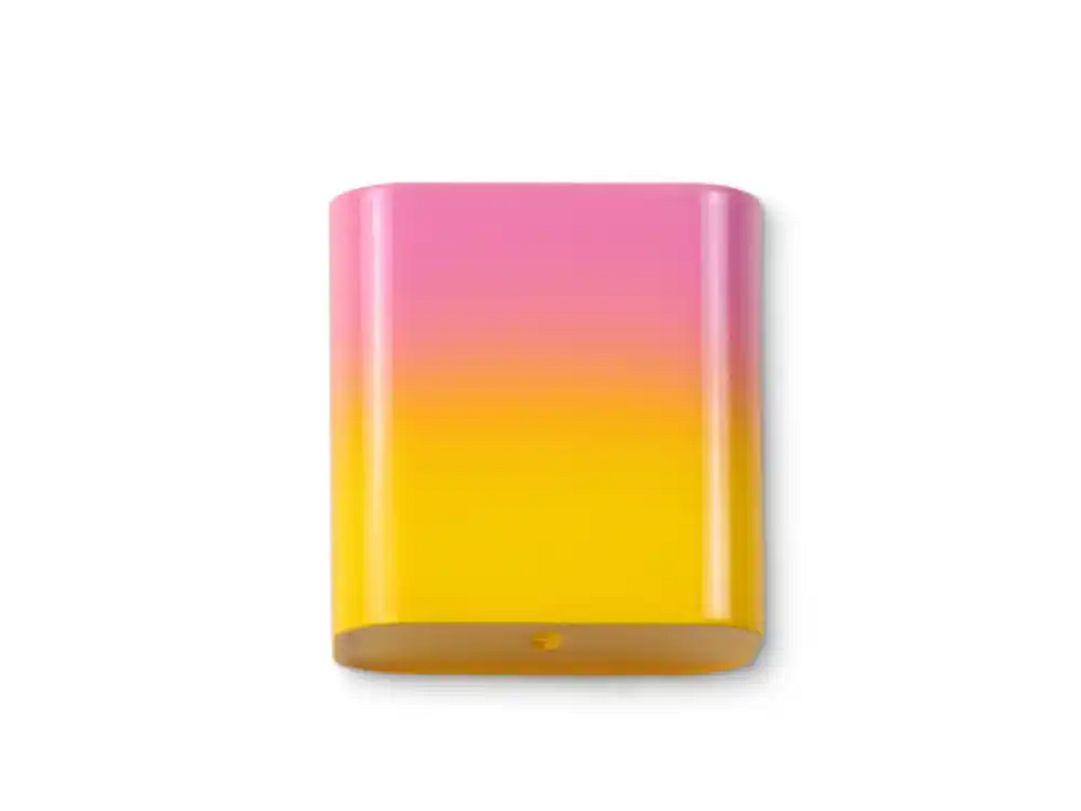
Función de la Aleación y el Proceso de Fundición en el Acabado Decorativo
Los recubrimientos decorativos funcionan mejor cuando la aleación del sustrato y los parámetros de fundición están optimizados para la calidad superficial. Las capacidades de fundición a presión de aluminio de Neway y su sólido portafolio de aleaciones de aluminio para fundición a presión proporcionan superficies lisas y dimensionalmente estables, ideales para anodizado o pintura. Para componentes cosméticos de alto detalle, la fundición a presión de zinc de alta precisión combinada con sistemas de aleación de zinc de flujo fino logra bordes nítidos y superficies uniformes para acabados decorativos premium.
Los elementos decorativos de cobre o latón, fabricados con materiales de nuestras familias de aleaciones de cobre y latón, a menudo requieren pasos de pretratamiento únicos para estabilizar el color, el brillo y la adhesión del recubrimiento. Todos los materiales son seleccionados y validados a través de nuestra plataforma centralizada de selección de materiales de fundición para garantizar la compatibilidad con los resultados decorativos deseados.
Tipos de Recubrimientos Decorativos para Componentes Fundidos a Presión
Los recubrimientos decorativos pueden agruparse ampliamente en acabados orgánicos, capas inorgánicas u óxidos y sistemas de película delgada premium. Cada grupo ofrece cualidades visuales y táctiles únicas que pueden adaptarse a los objetivos de diseño del producto.
Pintura Líquida y Sistemas de Imprimación-Capa Superior
La pintura líquida ofrece una versatilidad inigualable en términos de color, brillo, textura y efectos visuales. A través del servicio de pintura líquida de alto control de Neway, se aplican sistemas multicapa para lograr acabados mate, satinado, metálico, perlado o de tacto suave.
La pintura decorativa se utiliza ampliamente en carcasas de electrónica de consumo, hardware de lujo y cubiertas cosméticas. Con un control preciso del espesor y una excelente uniformidad, los recubrimientos líquidos también ayudan a enmascarar porosidad menor y artefactos de fundición, produciendo superficies lisas y de alta gama.
Recubrimiento en Polvo para Acabados Estéticos Duraderos
El recubrimiento en polvo proporciona acabados decorativos más gruesos y resistentes a los impactos, con una fuerte cobertura en bordes y durabilidad a largo plazo. Utilizando la línea de recubrimiento en polvo decorativo de Neway, los clientes pueden elegir entre cientos de colores y texturas, que van desde texturas mate finas hasta superficies brillantes como espejo.
Los recubrimientos en polvo son ideales para productos que requieren tanto atractivo estético como durabilidad robusta, como hardware de electrodomésticos, luminarias y productos de consumo para exteriores.
Anodizado para una Apariencia Premium del Aluminio
El anodizado es preferido para piezas de aluminio que requieren superficies decorativas premium, metálicas y de colores resistentes. El servicio de anodizado decorativo de Neway produce capas de óxido que pueden teñirse en una amplia gama de colores, mejorando al mismo tiempo la resistencia a los arañazos y la estabilidad del brillo.
Diferentes acabados anódicos (transparentes, mate grabados, satinados o coloreados electrolíticamente) ofrecen una estética elegante para electrónica de consumo, carcasas de iluminación y hardware arquitectónico.
Acabados Decorativos PVD y Galvanizados
Cuando se requiere el máximo impacto visual, los recubrimientos por deposición física de vapor (PVD) ofrecen efectos visuales metálicos profundos, con alta uniformidad y fuerte resistencia al desgaste. Un ejemplo es el proyecto PVD de acabado espejo en Zamak, donde los componentes de zinc fundido a presión logran una apariencia pulida y de superficie de lujo.
Los acabados PVD pueden crear colores como cromo, oro, oro rosa, titanio negro y tonos iridiscentes multicapa. Estas películas a menudo se colocan sobre una capa base galvanizada o pintada para garantizar la adhesión, reflectividad y estabilidad a largo plazo.
Preparación de la Superficie para la Calidad Decorativa
Un acabado decorativo de alta gama solo es alcanzable con una preparación adecuada del sustrato. El pretratamiento de la superficie elimina imperfecciones, suaviza texturas y asegura que los recubrimientos se adhieran de manera consistente.
Las rutas de postprocesamiento de fundiciones de Neway incluyen:
Tumbado de precisión para el acondicionamiento suave de bordes y el desbarbado;
Granallado controlado para superficies mate uniformes y una mejor adherencia del recubrimiento;
Refinamiento por mecanizado CNC para interfaces cosméticas de alta precisión.
Estos pasos minimizan los defectos visibles y crean texturas consistentes, asegurando que los recubrimientos decorativos produzcan una estética uniforme y premium.
Consideraciones de Diseño para Recubrimientos Decorativos
El éxito del recubrimiento decorativo comienza en la etapa de diseño y herramental. Las superficies mal diseñadas pueden crear defectos visibles, variación de color o brillo desigual.
Al colaborar desde el principio a través del servicio de diseño de herramental y moldes de Neway, los diseñadores pueden incorporar chaflanes, transiciones suaves y sistemas de alimentación optimizados para reducir marcas de flujo, porosidad y visibilidad de líneas de partición. Nuestro servicio de ingeniería respalda características cosméticas críticas, como planos y curvas de alta visibilidad.
Integración con el Diseño de Ensamblaje y Sistema
Los recubrimientos decorativos deben resistir el manejo, las tensiones del ensamblaje y el uso a largo plazo. Dentro del servicio de ensamblaje para fundiciones a presión de Neway, los dispositivos de sujeción y los procesos de control de par, junto con medidas de protección, salvaguardan las superficies delicadas durante la integración de las piezas. Las estrategias de enmascaramiento crean acabados contrastantes o secciones de metal expuestas para acentos táctiles o puntos de conexión a tierra.
Proyectos en electrónica de consumo, como la colaboración de carcasa de aluminio para Huawei, y hardware de consumo estético, como la carcasa de afeitadora Philips, demuestran cómo los recubrimientos decorativos y los procesos de ensamblaje deben alinearse para lograr un color, textura y sensación consistentes.
Prototipado y Validación de Acabados Decorativos
Los recubrimientos decorativos requieren validación visual, táctil y ambiental antes de la producción en masa. Neway proporciona una evaluación temprana utilizando muestras de prototipos recubiertas rápidamente y modelos cosméticos impresos en 3D para probar la armonía del color, la consistencia del brillo y el ajuste con componentes adyacentes.
La durabilidad superficial, la adhesión y la estabilidad ambiental (como la exposición a UV o la resistencia química) se verifican utilizando equipos dentro de nuestras instalaciones de inspección y prueba de fundición a presión. Estas pruebas aseguran que los recubrimientos decorativos mantengan su apariencia premium durante todo el ciclo de vida del producto.
Conclusión
Los recubrimientos decorativos transforman los componentes fundidos a presión en elementos de producto visualmente atractivos y de alto valor. Al combinar aleaciones optimizadas, preparación de superficie de precisión, tecnologías de recubrimiento avanzadas y flujos de trabajo de ensamblaje integrados, Neway ofrece acabados que elevan tanto la estética como la durabilidad.
Ya sea para dispositivos de consumo de lujo, hardware para interiores automotrices o accesorios arquitectónicos, los recubrimientos decorativos, diseñados y desarrollados teniendo en cuenta la fabricación, aseguran que las piezas fundidas a presión no solo funcionen de manera confiable, sino que también dejen una impresión visual duradera.
Preguntas Frecuentes
¿Qué aleaciones de fundición a presión proporcionan el mejor sustrato para recubrimientos decorativos?
¿Cómo se comparan el recubrimiento en polvo, la pintura y el anodizado para aplicaciones estéticas?
¿Qué pasos de preparación de la superficie son esenciales para lograr acabados decorativos premium?
¿Pueden los recubrimientos decorativos también proporcionar beneficios funcionales, como resistencia a arañazos o corrosión?
¿Cómo valida Neway la calidad de los recubrimientos decorativos antes de lanzar la producción en masa?
