
Cómo Protegen los Revestimientos Anticorrosivos las Piezas de Fundición a Presión
Introducción
Los componentes de fundición a presión sirven como la columna vertebral estructural de muchos productos modernos, que van desde herramientas eléctricas y módulos automotrices hasta electrónica de consumo y hardware industrial. Si bien aleaciones como el aluminio, el zinc y el cobre ofrecen excelentes relaciones resistencia-peso, libertad de diseño y precisión dimensional, su rendimiento a largo plazo en entornos reales depende en gran medida de un control efectivo de la corrosión. La humedad, las sales, los productos químicos y el acoplamiento galvánico pueden socavar rápidamente las superficies desprotegidas, lo que lleva a decoloración, picaduras y, en última instancia, fallas funcionales.
En Neway, la ingeniería anticorrosiva está integrada en todo el servicio de fundición de metales, en lugar de tratarse como un paso final opcional. Al combinar las aleaciones base adecuadas, un diseño de molde optimizado, un posprocesado controlado y sistemas de revestimiento robustos, aseguramos que las piezas de fundición a presión mantengan tanto la apariencia como la integridad estructural a lo largo de años de operación, incluso en climas severos y entornos industriales exigentes.
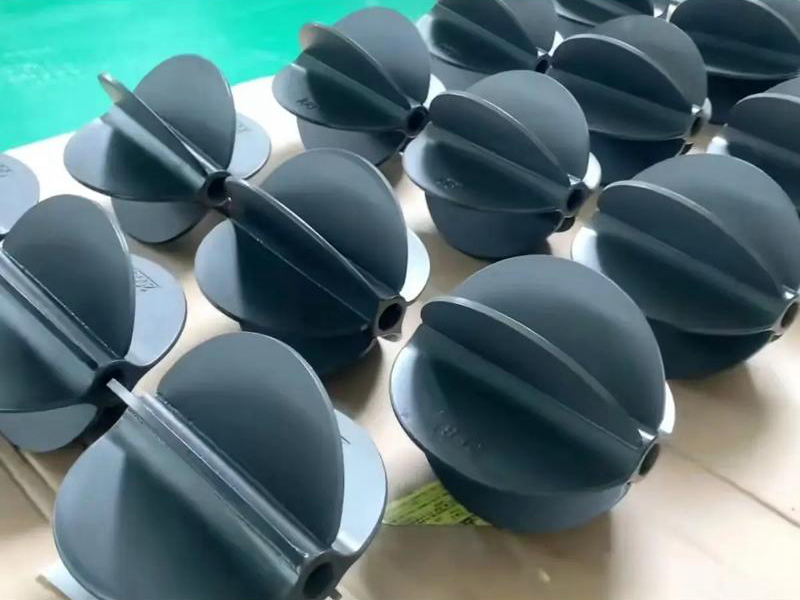
Por Qué las Piezas de Fundición a Presión son Propensas a la Corrosión
Las aleaciones de fundición a presión operan en entornos reales que a menudo son mucho más agresivos que las condiciones de laboratorio. La exposición típica incluye:
Humedad condensada y ciclos de humedad en aplicaciones exteriores o semi-exteriores
Sales de carretera, contaminantes industriales o atmósferas costeras que contienen cloruros y sulfatos
Agentes de limpieza, lubricantes, refrigerantes y productos químicos de proceso
Acoplamiento galvánico cuando las piezas de fundición a presión se ensamblan con aceros u otros metales
El aluminio forma una película de óxido natural, pero sin un diseño y acabado adecuados, esa película puede dañarse o socavarse localmente, lo que lleva a corrosión por picaduras. Las aleaciones de zinc pueden sufrir de óxido blanco o corrosión por arrastre en ambientes de alta humedad o propensos a la condensación. Las aleaciones a base de cobre son más nobles pero aún pueden empañarse, decolorarse o sufrir deszincificación si no están protegidas adecuadamente.
La corrosión no solo afecta la apariencia. Puede aumentar la fricción en interfaces deslizantes, afectar la resistencia del contacto eléctrico, debilitar nervaduras delgadas o características de montaje, y comprometer superficies de sellado. Los revestimientos anticorrosivos actúan como una barrera personalizada entre el entorno y el sustrato, reduciendo la tasa de ataque y estabilizando el rendimiento con el tiempo.
Papel de la Aleación y el Proceso de Fundición en la Resistencia a la Corrosión
La protección efectiva comienza con la aleación y la ruta de fundición correctas. Para componentes estructurales que deben equilibrar peso, resistencia y resistencia a la corrosión, Neway a menudo selecciona entre las establecidas aleaciones de fundición a presión de aluminio. Cuando se combinan con un diseño de molde y un control de proceso adecuados, estas aleaciones forman una microestructura uniforme y una capa de óxido estable que soporta revestimientos y anodizado.
Donde se requieren detalles finos, paredes delgadas y alta calidad cosmética, la fundición a presión de zinc permite características definidas y baja porosidad superficial. Con una preparación superficial y un revestimiento apropiados, las aleaciones de zinc pueden ofrecer resistencia a la corrosión a largo plazo incluso en aplicaciones decorativas exigentes. Para hardware crítico eléctrica y térmicamente, la fundición a presión de cobre combina una excelente conductividad con tratamientos superficiales personalizados para controlar el empañamiento y la corrosión.
Nuestro equipo de ingeniería utiliza la base de datos centralizada de materiales de fundición para equilibrar los requisitos estructurales, la exposición ambiental y la compatibilidad del revestimiento. Dentro de ese marco, familias como las aleaciones de aluminio para fundición a presión, las aleaciones de zinc para fundición a presión y las aleaciones de cobre-latón para fundición a presión se seleccionan teniendo en cuenta tanto el comportamiento frente a la corrosión como el acabado superficial.
Preparación Superficial: La Base de la Protección contra la Corrosión
Ningún revestimiento puede compensar superficies mal preparadas. Los agentes desmoldantes residuales, óxidos, rebabas o contaminantes incrustados crean puntos débiles donde puede iniciarse la corrosión. Por lo tanto, Neway trata la preparación superficial como una parte controlada y documentada del flujo de trabajo del posproceso para piezas de fundición a presión, no solo como un paso de limpieza manual.
Los pasos de preparación mecánica y química se combinan para crear una superficie uniforme y activa:
Acondicionamiento de bordes y desbarbado mediante operaciones de vibrado para eliminar bordes afilados y micro-rebabas que atrapan humedad y contaminantes.
Generación de textura mediante chorreado con arena de piezas de fundición a presión para aliviar la tensión superficial, abrir micro-irregularidades y promover la adhesión del revestimiento.
Refinamiento dimensional con mecanizado CNC de interfaces críticas para asegurar que las superficies de sellado, roscas y posiciones de rodamiento permanezcan dentro de la tolerancia después del revestimiento.
A estas operaciones les sigue una limpieza y secado controlados, asegurando que los sistemas de revestimiento se apliquen sobre sustratos consistentes y libres de contaminantes. Esto reduce el riesgo de ampollas, corrosión bajo película y fallos de adhesión.
Revestimientos Orgánicos de Barrera: Pintura y Pintura en Polvo
Los revestimientos orgánicos crean una barrera física entre el entorno y el metal, al tiempo que proporcionan identidad visual, control del brillo y sensación táctil. Neway ofrece dos sistemas orgánicos principales adaptados a piezas de fundición a presión.
Para aplicaciones que requieren sistemas multicapa, películas delgadas o coincidencia de color precisa, aplicamos pilas de pintura diseñadas a través de nuestro servicio de pintura líquida. Las capas de imprimación mejoran la adhesión y la resistencia a la corrosión, mientras que las capas finales proporcionan apariencia y durabilidad química. Este enfoque es particularmente adecuado para hardware de zinc con detalles finos y carcasas cosméticas donde se debe minimizar el impacto dimensional.
Cuando se requiere máxima durabilidad de barrera y resistencia al impacto, se utilizan sistemas electrostáticos de polvo. A través de la línea dedicada de pintura en polvo, las partículas de polvo cargadas forman una película gruesa y uniforme después del curado, típicamente en el rango de 60–120 μm. El revestimiento resultante ofrece una fuerte resistencia a las astillas, una excelente cobertura de bordes y una protección robusta en entornos exteriores o industriales.
Ambos sistemas pueden combinarse con imprimaciones resistentes a la corrosión o capas de conversión para mejorar el rendimiento en pruebas de niebla salina y exposición de campo a largo plazo.
Revestimientos de Conversión y Anódicos para Piezas de Fundición a Presión de Aluminio
Para sustratos de aluminio, los revestimientos inorgánicos son particularmente potentes porque modifican directamente la química superficial y la microestructura del metal. Los procesos de anodizado estándar y duro construyen una capa de óxido que está químicamente unida a la aleación base, actuando tanto como aislante eléctrico como una barrera robusta contra la corrosión.
Las soluciones de anodizado de Neway para piezas de fundición a presión de aluminio pueden ajustarse para el espesor de la capa, la porosidad y la calidad del sellado, permitiendo a los ingenieros equilibrar la resistencia al desgaste, el comportamiento frente a la corrosión y la capacidad de teñido. Para escenarios más exigentes, como componentes expuestos a electrolitos agresivos, temperaturas elevadas o exposición prolongada a los rayos UV, se emplean tecnologías avanzadas asistidas por plasma. Con el tratamiento de anodizado por arco, se genera una capa más gruesa y similar a la cerámica, aumentando significativamente la estabilidad a la corrosión y la resistencia a la ruptura eléctrica.
Estos sistemas anódicos a menudo se combinan con cambios de diseño, como radios de filete aumentados y espesores de pared optimizados, desarrollados durante la colaboración temprana a través de nuestro servicio de diseño para fundición a presión. Esto asegura que la capa de óxido se forme uniformemente y que las concentraciones de tensión, que pueden actuar como puntos de iniciación de la corrosión, se minimicen.
Integración con Herramental, Ensamblaje y Flujos de Trabajo Integrales
El rendimiento frente a la corrosión está influenciado por cada interfaz en el producto, no solo por las superficies expuestas. Los métodos de fijación, el diseño de las uniones y las parejas galvánicas entre materiales juegan un papel importante. Es por eso que Neway integra las decisiones sobre revestimientos con la planificación del herramental y el ensamblaje desde el principio.
A través de nuestras capacidades dedicadas de fabricación de herramental y moldes, las ubicaciones de las compuertas, la geometría de los rebosaderos y los ángulos de desmoldeo se eligen cuidadosamente para revestir efectivamente regiones de alto riesgo, como bordes afilados y aletas delgadas. Durante la planificación del ensamblaje, los sujetadores, insertos y componentes de acoplamiento se seleccionan para minimizar el desajuste galvánico y prevenir daños a los revestimientos durante la instalación, aprovechando la experiencia integrada en nuestro servicio de ensamblaje de fundición a presión.
Todo esto se agrupa en un modelo de fabricación integrado, ofreciendo un servicio integral para piezas de fundición a presión. Este servicio abarca fundición, mecanizado, acabado, revestimiento y ensamblaje, todo ejecutado bajo una única arquitectura de proceso. Esto reduce los daños por manipulación, mejora la trazabilidad y asegura que las medidas de protección contra la corrosión permanezcan consistentes durante todo el ciclo de vida del producto.
Ejemplos de Aplicación en el Mundo Real
Los revestimientos anticorrosivos no son teóricos; se validan diariamente en programas probados en campo. Para herramientas de alta carga y alta vibración, como el proyecto de hardware para herramientas eléctricas Bosch, las carcasas de aluminio y zinc pintadas en polvo deben resistir impactos repetidos, almacenamiento húmedo y exposición química. La selección adecuada de la imprimación y la cobertura de bordes son esenciales para prevenir la corrosión bajo película cerca de las ubicaciones de los sujetadores y las empuñaduras.
En el sector automotriz, componentes como soportes y carcasas, similares a los del programa de fundición a presión de BYD, operan en condiciones de niebla salina, entornos bajo el capó y temperaturas variables. Los sistemas de revestimiento deben combinar protección contra la corrosión con estabilidad térmica, manteniendo al mismo tiempo la integridad de la unión con juntas y clips.
Para productos de consumo premium, como las carcasas cosméticas en el proyecto de carcasa de afeitadora Philips, la corrosión se manifiesta principalmente como degradación estética: manchas, empañamiento y decoloración de bordes. Los sistemas de pintura multicapa combinados con sustratos de zinc cuidadosamente preparados aseguran que las superficies permanezcan visualmente limpias a pesar del contacto con humedad, aceites de la piel y agentes de limpieza.
Prototipado, Pruebas y Garantía de Calidad
Las estrategias de revestimiento más efectivas se validan temprano, mucho antes de que comience la producción en masa. La capacidad de prototipado rápido de Neway permite a los clientes crear muestras de fundición tempranas o sustitutos funcionales, que luego pueden someterse a sistemas de revestimiento candidatos y pruebas ambientales.
En los casos en que la geometría aún está evolucionando, la impresión 3D de piezas prototipo y las pruebas de fundición en arena de tiradas cortas pueden acelerar la evaluación de la preparación superficial y la adhesión del revestimiento en formas representativas. Una vez definido un sistema objetivo, se lleva a cabo una validación integral utilizando las herramientas de medición, cámaras de niebla salina y configuraciones de durabilidad en nuestro centro de pruebas e inspección de piezas de fundición a presión.
Después de una validación exitosa, las especificaciones del revestimiento se incorporan a la documentación del proceso para tiradas de producción en masa y, cuando corresponda, fases de transición manejadas bajo fabricación de bajo volumen. Esto asegura que el rendimiento frente a la corrosión permanezca estable a medida que los programas escalan desde lotes piloto hasta producción a pleno ritmo.
Conclusión
Los revestimientos anticorrosivos son un habilitador crítico para piezas de fundición a presión confiables y duraderas. Transforman aleaciones estructuralmente sólidas pero vulnerables en componentes robustos que resisten la humedad, los productos químicos y el abuso mecánico mientras preservan la apariencia y la función. Sin embargo, el rendimiento del revestimiento no depende únicamente de la química; es el resultado de elecciones cuidadosamente alineadas en la selección de aleaciones, diseño del molde, preparación superficial, método de aplicación y control de calidad.
Al integrar estos factores a través de la fundición, el mecanizado, el acabado y el ensamblaje, Neway proporciona soluciones anticorrosivas diseñadas a medida para el entorno y ciclo de vida de cada producto. Ya sea que esté diseñando un dispositivo de consumo compacto, una herramienta eléctrica de alto par o un módulo automotriz bajo el capó, nuestro enfoque de ingeniería centrado en la corrosión ayuda a proteger sus piezas de fundición a presión desde el primer prototipo hasta años de operación en el mundo real.
Preguntas Frecuentes
¿Qué aleaciones de fundición a presión ofrecen la mejor resistencia a la corrosión de base antes de aplicar revestimientos?
¿Cómo se comparan la pintura en polvo y la pintura líquida en el rendimiento a largo plazo frente a la corrosión en piezas de fundición a presión?
¿Cuándo se debe preferir el anodizado o el anodizado por arco sobre los revestimientos orgánicos para piezas de fundición a presión de aluminio?
¿Qué pasos de preparación superficial son más críticos para prevenir la corrosión bajo película y las ampollas?
¿Cómo prueba y valida Neway los sistemas anticorrosivos antes de pasar a la producción en masa?
