
¿Cómo proporcionamos el servicio de ensamblaje de hardware por fundición de metal?
Introducción
A medida que la fabricación avanza hacia una mayor complejidad del producto e integración funcional, los clientes esperan cada vez más que no solo se les entreguen piezas fundidas de alta calidad, sino ensamblajes completos listos para su instalación. En Neway, hemos construido un servicio integral de ensamblaje de hardware que fusiona la fundición de precisión, el mecanizado, el acabado superficial, el fijado, la unión adhesiva y el ensamblaje a nivel de sistema en un flujo de trabajo de producción unificado. Esto permite a nuestros clientes optimizar sus cadenas de suministro, reducir los plazos de entrega y mejorar la consistencia de los componentes tanto en series de producción grandes como pequeñas.
Desde carcasas estructurales de aluminio hasta hardware decorativo de zinc y componentes de cobre de alta conductividad, nuestro servicio de ensamblaje por fundición de metal está diseñado para abarcar todo el ciclo de vida de la fabricación de piezas. Esto comienza con la selección del material y la fundición, y se extiende a través del mecanizado detallado, el postratamiento y el ensamblaje final. Al integrar todas las etapas en una única plataforma de ingeniería, eliminamos las brechas de coordinación que comúnmente ocurren cuando los clientes trabajan con proveedores separados.
Fundición: Construyendo una base de hardware de alta calidad
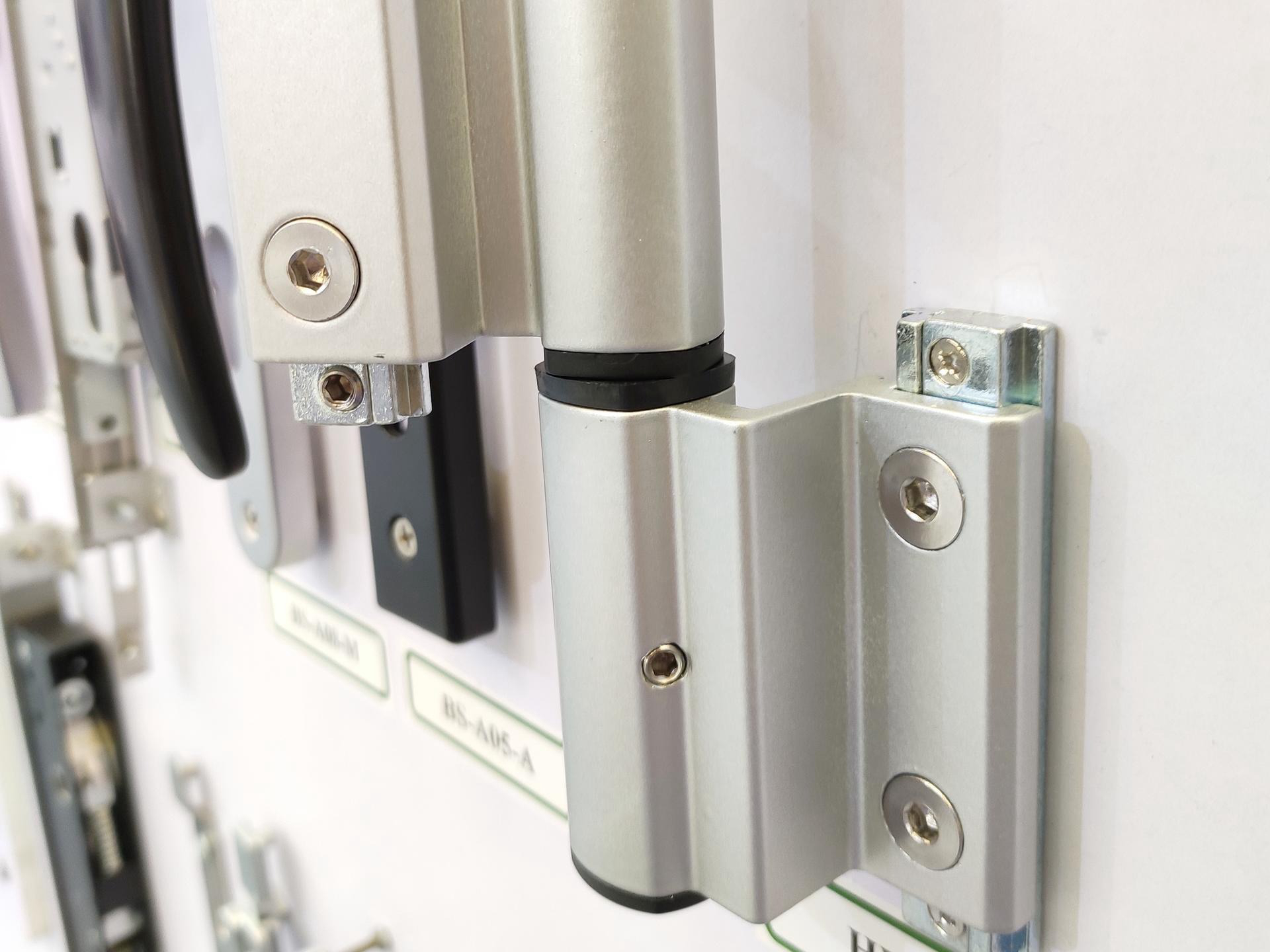
El corazón del ensamblaje de hardware es la fundición de metal, donde comienzan la geometría y los requisitos funcionales. Neway admite múltiples procesos de fundición según el tamaño, la complejidad y la aplicación de la pieza. Los componentes de aluminio que requieren un rendimiento ligero y de alta resistencia se producen mediante fundición a presión de aluminio, un proceso que ofrece tolerancias estrechas y excelentes propiedades mecánicas. Para componentes pequeños y detallados, como pomos, soportes, bisagras y elementos decorativos, la fundición a presión de zinc ofrece una fluidez superior y un excelente acabado superficial.
El hardware eléctrico o de fontanería de servicio pesado a menudo utiliza la fundición a presión de cobre, donde la conductividad, la resistencia a la corrosión y el rendimiento térmico son críticos. El proceso seleccionado depende de los objetivos de coste, la carga mecánica y las expectativas estéticas.
Cada familia de materiales, incluidas las aleaciones de aluminio, las aleaciones de zinc y las aleaciones de cobre/latón, presenta diferentes comportamientos de fundición. Nuestro equipo de ingeniería evalúa las características de contracción, el rendimiento del flujo del molde y los requisitos de calidad superficial durante la fase de diseño inicial. Esto garantiza que la etapa de fundición establezca una base sólida y precisa para el mecanizado y ensamblaje posteriores.
Ingeniería de utillaje y diseño de moldes
El utillaje personalizado afecta a la consistencia de las piezas, la alineación del ensamblaje y la estabilidad de la producción. A través de nuestro servicio dedicado de fabricación de moldes y utillaje, diseñamos y fabricamos moldes que optimizan la fabricabilidad y la eficiencia de las piezas. Al anticipar los requisitos de ensamblaje, como la alineación de agujeros, las demandas de sujeción o las superficies de unión, incorporamos características directamente en el diseño del molde.
Esto reduce el tiempo de mecanizado posterior y garantiza la repetibilidad dimensional, lo cual es crítico cuando múltiples componentes deben encajar durante el ensamblaje. Nuestros ingenieros de utillaje también evalúan los ángulos de desmoldeo, las líneas de partición y las ubicaciones de las entradas para minimizar las rebabas y simplificar las operaciones de acabado posteriores a la fundición.
Prototipado rápido y validación
Antes de comprometerse con el utillaje completo, muchos clientes requieren prototipos funcionales para confirmar las dimensiones, el espacio libre para el ensamblaje y las condiciones de interfaz del hardware. La capacidad de prototipado rápido de Neway admite la impresión 3D, el mecanizado CNC y la fundición con moldes blandos. Esto permite a los clientes verificar cómo interactúan los componentes dentro de su sistema más grande y evaluar las características ergonómicas o las opciones de fijación.
Nuestros ingenieros utilizan frecuentemente las etapas de prototipado para probar el engranaje de roscas, el movimiento de bisagras o el acoplamiento con piezas de plástico o goma. El prototipado también proporciona información valiosa para el plan de proceso de ensamblaje final.
Mecanizado CNC de alta precisión para superficies listas para ensamblar
Una vez fundidas las piezas, se trasladan al mecanizado para el detallado de precisión. Nuestros servicios de mecanizado CNC refinan interfaces críticas como:
• Agujeros roscados
• Asientos de rodamientos
• Caras de acoplamiento y bridas
• Orificios concéntricos
• Ranuras de tolerancia estrecha
• Características de montaje críticas para la orientación
El hardware que requiere una alineación rotacional precisa o un ensamblaje por ajuste a presión se beneficia especialmente del mecanizado CNC. El mecanizado también garantiza que cualquier elemento de fijación del ensamblaje, como tornillos, pasadores o insertos, encaje con una precisión repetible en toda la producción de alto volumen.
Las estrategias de mecanizado se desarrollan en función de la geometría de la fundición, la dureza del material y los requisitos finales de ensamblaje. Por ejemplo, el hardware con ensamblajes mecánicos largos puede requerir una planicidad precisa en superficies amplias para evitar tensiones durante el apriete.
Tratamiento superficial para durabilidad y estética
Los ensamblajes de hardware a menudo requieren resistencia a la corrosión, protección contra arañazos, estabilidad a los rayos UV o acabados cosméticos específicos para cumplir con sus requisitos. El tratamiento superficial juega un papel importante para garantizar que el hardware ensamblado pueda soportar el estrés ambiental y mecánico.
Pintura en polvo: Utilizando pulverización electrostática y curado a alta temperatura, se forma un recubrimiento altamente denso con un espesor promedio de 60–120 μm, que ofrece una resistencia al rocío salino de 500–1.000 horas. Adecuado para componentes estructurales en entornos altamente corrosivos, proporcionando una excelente resistencia a la abrasión, al impacto y a la intemperie.
Pintura líquida: El espesor del recubrimiento es típicamente de 15–40 μm, logrando un control de uniformidad de apariencia de ±5 μm. Admite sistemas de imprimación + capa superior de múltiples etapas, con una adhesión que cumple con ASTM D3359 4B–5B. Adecuado para componentes de apariencia que requieren alta precisión de color, suavidad superficial y consistencia de detalles.
Anodizado: Genera una película de óxido de 5–25 μm (40–70 μm para anodizado duro) mediante procesos electroquímicos. La dureza superficial puede aumentarse a HV 300–500, y la resistencia a la corrosión puede durar de 336 a 720 horas de exposición al rocío salino. Adecuado para hardware de aluminio, combina alta resistencia al desgaste, rendimiento de color estable y excelente disipación de calor.
Ensamblaje: El núcleo de la integración del hardware
El ensamblaje de hardware abarca desde el simple atornillado hasta la integración mecánica compleja que involucra múltiples piezas fundidas y componentes externos. Aquí es donde el servicio de ensamblaje de Neway juega un papel central. Nuestras estaciones de trabajo de ensamblaje están equipadas para manejar:
• Atornillado y fijación con pernos
• Ajustes a presión y por interferencia
• Alineación de elementos rotativos
• Inserción de componentes de goma o plástico
• Preparación de puntos de conexión a tierra eléctrica
• Remachado, remachado por presión y estacado
• Subconjuntos funcionales
Los ingenieros de ensamblaje utilizan estaciones de sujeción para garantizar el paralelismo, la perpendicularidad y la precisión dimensional al ensamblar componentes fundidos.
Unión adhesiva, soldadura y unión híbrida
Algunos hardware requieren métodos de unión más allá de la fijación mecánica. Para carcasas ligeras, la unión adhesiva proporciona juntas resistentes a las vibraciones y estéticamente limpias. Para estructuras metálicas que requieren alta resistencia, se puede aplicar soldadura o soldadura fuerte. El método de unión se elige en función de las condiciones de carga, los requisitos de estanqueidad y la composición del material.
Evaluamos los desajustes por expansión térmica, la exposición a vibraciones y las condiciones ambientales antes de determinar si la unión adhesiva, la fijación mecánica o el refuerzo soldado proporcionan la estructura de ensamblaje más confiable.
Control de calidad e inspección
El éxito del ensamblaje depende de la precisión tanto de los componentes individuales como de la alineación entre ellos. El equipo de inspección de Neway utiliza máquinas de medición por coordenadas (CMM), escaneo óptico, medidores de par, pruebas de fugas y ciclado funcional para validar los ensamblajes. Los productos complejos se someten a comprobaciones de continuidad de conexión a tierra eléctrica, verificación de par, pruebas de integridad de sellos e inspección de adhesión del recubrimiento.
Los ensamblajes completos de hardware se validan utilizando la misma infraestructura de inspección aplicada en nuestras instalaciones de inspección de piezas fundidas a presión, garantizando tanto la precisión dimensional como la fiabilidad funcional.
Ofreciendo fabricación integrada a través del servicio integral
Una de las fortalezas definitorias de Neway es nuestro enfoque unificado de la producción. En lugar de obtener piezas, mecanizado, acabado y ensamblaje de múltiples proveedores, los clientes confían en nuestro servicio integral para piezas fundidas a presión para consolidar todo su flujo de trabajo.
Esto reduce:
• El plazo de entrega
• Los errores de comunicación
• Los daños en tránsito
• La acumulación de tolerancias
• Los costes de inventario y almacén
Al supervisar todo el ciclo de vida, desde la fundición hasta el acabado y el ensamblaje, garantizamos una consistencia y trazabilidad inigualables en todos los componentes de hardware.
Soporte para ensamblaje de bajo volumen y alta variedad
Muchos clientes requieren modificaciones de diseño frecuentes o series de producción pequeñas. El hardware que involucra nuevo utillaje, ensamblajes piloto o pruebas de mercado puede producirse a través de nuestro flujo de trabajo de fabricación de bajo volumen. Esto permite una respuesta rápida a las revisiones de ingeniería sin los largos plazos de entrega tradicionalmente asociados con los productos basados en fundición.
Para pedidos de alta variedad, las estaciones de trabajo flexibles y los diseños de utillaje modular nos permiten ensamblar diversas configuraciones de hardware manteniendo una calidad estable.
Aplicaciones industriales para el ensamblaje de hardware fundido
Nuestro servicio de ensamblaje de hardware por fundición de metal respalda a industrias que requieren componentes duraderos y de ingeniería de precisión, incluyendo:
• Marcos, soportes y bisagras para electrónica de consumo, como los de hardware de electrónica de consumo
• Sistemas de cierre, soportes y ensamblajes de carcasas para automoción similares a componentes automotrices
• Herramientas industriales, conectores, pestillos y envolventes de máquinas
• Hardware para HVAC e iluminación que requiere disipación de calor y resistencia a la corrosión
Dado que cada industria tiene requisitos funcionales, mecánicos y estéticos únicos, nuestros flujos de trabajo de ensamblaje se personalizan para garantizar un rendimiento óptimo del producto.
Conclusión: Ofreciendo soluciones completas de hardware a través de la integración de ingeniería
Proporcionar un servicio de ensamblaje de hardware por fundición de metal requiere más que capacidad de fundición; requiere previsión de ingeniería, coordinación multidisciplinaria y un ecosistema de fabricación integrado. En Neway, combinamos técnicas avanzadas de fundición, mecanizado CNC, acabado de precisión e ingeniería de ensamblaje para ofrecer soluciones completas de hardware listas para su instalación.
Desde la producción de alto volumen hasta la personalización de bajo volumen, nuestro modelo verticalmente integrado garantiza eficiencia, fiabilidad y calidad consistente. Clientes de diversas industrias confían en nuestra experiencia para simplificar sus cadenas de suministro, mejorar la fabricabilidad y llevar ensamblajes de hardware robustos al mercado más rápido.
Preguntas frecuentes
¿Qué tipos de ensamblajes de hardware metálico soporta Neway?
¿Cómo garantizan la consistencia dimensional en las piezas fundidas a presión ensambladas?
¿Qué tratamientos superficiales son compatibles con los componentes ensamblados?
¿Pueden integrar el mecanizado, la unión adhesiva y la soldadura en un único flujo de trabajo de ensamblaje?
¿Cómo apoyan los ensamblajes de hardware de bajo volumen o prototipo?
