
Servicios de Mecanizado CNC Posterior para Piezas Fundidas a Presión: Desbloqueando Precisión y Rend...
Introducción
La fundición a presión de alta presión permite la producción eficiente de componentes metálicos complejos en grandes volúmenes, pero la geometría tal como sale del molde rara vez es suficiente para ensamblajes exigentes. Las interfaces críticas, los ajustes de rodamientos, las superficies de sellado estancas y las conexiones roscadas deben cumplir niveles de tolerancia que superan la capacidad de la pieza fundida en bruto. Aquí es donde los servicios de mecanizado CNC posterior transforman las piezas fundidas a presión de forma casi neta en componentes de alta precisión y alto rendimiento, listos para cargas reales y fiabilidad a largo plazo.
En Neway, el mecanizado posterior no se trata como una idea tardía. Es una extensión diseñada de nuestro servicio de fabricación de fundición a presión, diseñada para cerrar la brecha entre la capacidad del molde y los requisitos finales del producto. Al integrar la fundición, el mecanizado, el tratamiento superficial y la inspección en un flujo de trabajo único y controlado, ayudamos a los clientes a desbloquear todo el potencial funcional de las piezas fundidas a presión de aluminio, zinc y cobre.
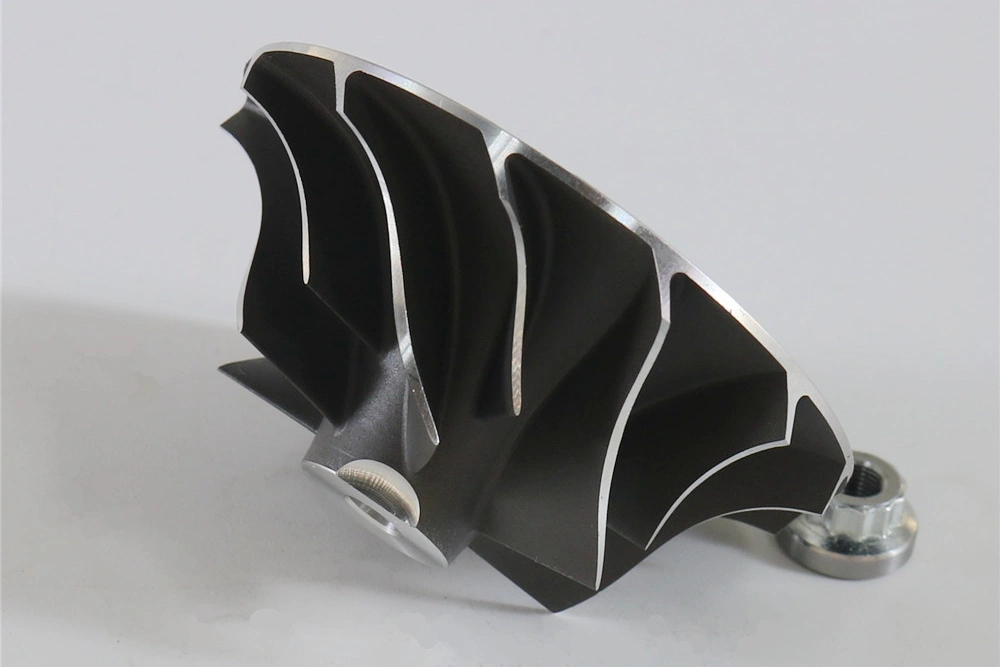
¿Qué son los Servicios de Mecanizado CNC Posterior para Piezas Fundidas a Presión?
Los servicios de mecanizado CNC posterior abarcan todos los procesos de corte, taladrado, mandrinado, roscado y conformado de precisión aplicados después de que una pieza ha sido fundida a presión y recortada. La fundición a presión proporciona la forma general; el mecanizado posterior aporta la precisión dimensional final, el acabado superficial y la fidelidad geométrica requeridos por el ensamblaje.
Las operaciones típicas de mecanizado posterior incluyen:
Fresado plano de bridas de montaje y caras de sellado
Mandrinado de acabado de asientos de rodamientos y alojamientos de ejes
Taladrado y roscado de agujeros con tolerancia posicional estricta
Conformado de contornos funcionales como guías, ranuras y trayectorias de levas
Ajuste fino de dimensiones críticas para que coincidan con componentes emparejados
Estas operaciones se ejecutan en centros de mecanizado multieje bajo el paraguas de las capacidades de mecanizado CNC de Neway, con utillajes dedicados y controles de proceso adaptados a cada pieza y aleación. El objetivo es lograr un ajuste y una función consistentes y repetibles a lo largo de toda la producción.
Vinculando la Fundición a Presión y el Mecanizado Posterior
El rendimiento del mecanizado CNC posterior está estrechamente vinculado a la estabilidad del proceso de fundición a presión aguas arriba. Cuando la pieza fundida está bien diseñada, la cantidad de material que debe eliminarse es predecible y la geometría acabada permanece dentro de la banda de tolerancia prevista. Para lograr esto, Neway conecta el diseño de piezas y utillajes, la fundición y el mecanizado desde las primeras etapas del proyecto.
Nuestros ingenieros de fundición a presión apoyan a los clientes a través de un servicio de diseño integrado orientado a la fundición que evalúa el espesor de pared, el ángulo de desmoldeo, la disposición de nervaduras y la ubicación de referencias para la mecanizabilidad. Al mismo tiempo, nuestro equipo de utillaje utiliza la fabricación interna de utillajes y moldes para alinear las ubicaciones de las entradas, los expulsores y las líneas de partición con la estrategia de mecanizado planificada. Esto minimiza la distorsión y proporciona superficies de referencia fiables para los pasos CNC posteriores.
Una vez validado el utillaje, se lanzan las series de producción utilizando materiales de nuestro portafolio calificado de materiales para fundición a presión. Las aleaciones de aluminio, zinc y cobre se seleccionan en función de los requisitos mecánicos, el comportamiento térmico y las características de mecanizado posteriores.
Consideraciones de Material en el Mecanizado CNC Posterior
Cada familia de aleaciones reacciona de manera diferente bajo fuerzas de corte, calor y contacto con la herramienta. Comprender estos comportamientos es esencial para lograr tanto precisión dimensional como integridad superficial en las piezas fundidas a presión mecanizadas posteriormente.
Para componentes de aluminio, Neway dispone de una amplia gama de aleaciones de aluminio para fundición a presión de alta presión, incluidas grados optimizados para resistencia, colabilidad y resistencia a la corrosión. Estas aleaciones generalmente se mecanizan bien, pero se requieren parámetros de corte estables y recubrimientos de herramienta apropiados para evitar la formación de filo recrecido y mantener acabados superficiales finos en caras de sellado y cosméticas.
Las piezas a base de zinc, producidas utilizando sistemas de aleaciones de fundición a presión de zinc diseñados, a menudo presentan geometrías intrincadas, paredes delgadas y contornos decorativos. Su excelente mecanizabilidad permite un trabajo de detalle preciso; sin embargo, se debe tener cuidado para evitar el emborronamiento o rebabas excesivas en características finas, especialmente cuando las piezas están destinadas a plateado o recubrimientos premium.
Para aplicaciones eléctricas y térmicas exigentes, las aleaciones de fundición de cobre y latón de Neway ofrecen una conductividad superior y robustez mecánica. Estas aleaciones requieren avances, velocidades y uso de refrigerante controlados para equilibrar el desgaste de la herramienta, la generación de calor y la calidad del borde, especialmente en superficies de contacto y bordes de sellado.
Flujo del Proceso: Desde la Fundición hasta el Mecanizado Posterior
El mecanizado CNC posterior es más eficiente cuando se integra en una cadena de procesos claramente definida. Un flujo de trabajo típico de Neway incluye:
Selección de la aleación y ruta de fundición a presión apropiadas a través de soluciones de fundición a presión de aluminio, producción de fundición a presión de zinc o servicios de fundición a presión de cobre.
Diseño y validación de utillajes para garantizar una geometría de fundición predecible y un comportamiento de llenado uniforme.
Recorte de la pieza fundida, eliminación de rebabas y acondicionamiento inicial mediante operaciones de vibrado en masa o chorreado de arena para fundición a presión cuando sea necesario.
Creación de características de precisión utilizando mecanizado posterior dedicado para piezas fundidas a presión en centros de mecanizado CNC.
Acabados superficiales opcionales y tratamientos protectores dentro de un flujo de trabajo de postproceso unificado.
Inspección final y validación utilizando equipos avanzados de prueba dimensional y superficial.
Al mantener el control sobre cada paso de esta cadena, eliminamos desalineaciones entre proveedores y garantizamos que la geometría mecanizada posteriormente permanezca estable con el tiempo.
Desbloqueando la Precisión a través del Mecanizado CNC Posterior
El objetivo principal del mecanizado CNC posterior es la precisión: dimensiones exactas, geometría consistente y comportamiento de ensamblaje repetible. Para productos complejos, incluso pequeñas desviaciones en la posición de los agujeros, la planicidad o la perpendicularidad pueden provocar un mal ensamblaje, ruido, fugas o desgaste prematuro.
Utilizando plataformas de mecanizado multieje, Neway optimiza las trayectorias de las herramientas, las estrategias de corte y las ubicaciones de los utillajes para controlar:
Diámetros críticos para ejes, rodamientos y casquillos
Planicidad y paralelismo en caras de unión y conexiones estructurales
Precisión posicional para sujetadores roscados y pasadores de centrado
Concentricidad y excentricidad en interfaces giratorias
Características sensibles a la orientación en mecanismos cinemáticos o de guiado
Estos controles se definen durante las revisiones de ingeniería iniciales respaldadas por nuestro servicio de ingeniería centrado en la aplicación, donde los planos, las cadenas de tolerancias y las piezas emparejadas se analizan como un sistema conectado.
Mejorando el Rendimiento más allá de las Dimensiones
La precisión no es solo números en un plano. El rendimiento también depende de cómo interactúan las superficies bajo carga, movimiento, temperatura y exposición ambiental. El mecanizado CNC posterior juega un papel decisivo en dar forma a estas interacciones.
En interfaces de sellado, se eligen pasadas de acabado para lograr un rango de rugosidad objetivo que soporte la compresión de juntas o el sellado de O-rings sin sobreesforzar el material. Para superficies deslizantes, las geometrías de contacto y la textura se ajustan para equilibrar la fricción y el desgaste. Para componentes expuestos a cargas dinámicas, las transiciones mecanizadas reducen las concentraciones de tensión y mejoran el comportamiento a fatiga.
Cuando los componentes están protegidos adicionalmente por recubrimientos o tratamientos, como sistemas de pintura industrial, líneas de pintura en polvo, anodizado convencional para aluminio o tecnología avanzada de anodizado por arco, las superficies mecanizadas posteriormente sirven como base para la adhesión, la resistencia a la corrosión y la calidad visual.
Diseño y Prototipado para Piezas Fundidas a Presión Mecanizadas Posteriormente
La estrategia de mecanizado CNC posterior más efectiva se construye antes de que se corte el primer acero de herramienta. Durante las fases de concepto y diseño, Neway colabora con los clientes para refinar la geometría, seleccionar referencias de datum y definir márgenes de mecanizado que sean realistas tanto en términos de costo como de rendimiento.
Para validar conceptos rápidamente, confiamos en prototipado rápido y construcciones piloto que pueden combinar piezas fundidas prototipo, componentes mecanizados a partir de sólido y pasadas iniciales de acabado CNC. Esta etapa se utiliza para confirmar:
Ajuste de ensamblaje y comportamiento de par de apriete
Rendimiento de sellado en juntas e interfaces
Holguras para piezas móviles y cableado
Calidad visual y táctil en superficies expuestas
A medida que el diseño se estabiliza, estas rutas de prototipado se convierten en producción estructurada de bajo volumen para construcciones de ingeniería, y finalmente en programas de producción en masa completos que utilizan parámetros CNC idénticos o estrechamente relacionados.
Soluciones Integradas Todo en Uno para Ensamblajes Mecanizados Posteriormente
Para muchos clientes, el requisito no es solo una sola pieza fundida mecanizada, sino un ensamblaje completo. Por lo tanto, los servicios de mecanizado CNC posterior de Neway se integran con nuestra capacidad de ensamblaje dedicada, lo que nos permite transformar piezas fundidas mecanizadas con precisión en módulos listos para usar.
Al aprovechar un modelo de fabricación integral, de extremo a extremo y todo en uno, consolidamos la fundición, el mecanizado, el acabado, la inspección y el ensamblaje en una sola cadena de suministro. Esto reduce significativamente la complejidad logística, el riesgo de acumulación de tolerancias y la sobrecarga de comunicación entre múltiples proveedores. También proporciona un único punto de contacto de ingeniería para la mejora continua a lo largo del ciclo de vida del producto.
Garantía de Calidad en el Mecanizado CNC Posterior
Cada ruta de mecanizado posterior en Neway está respaldada por un plan de garantía de calidad a medida que combina verificaciones dimensionales, evaluación superficial y pruebas funcionales. Utilizando nuestro laboratorio de inspección de precisión, aplicamos medición por CMM, escaneo óptico, perfilado de rugosidad superficial y, cuando es necesario, pruebas de fugas, par de apriete o carga.
Las actividades clave de calidad incluyen:
Inspección de primera pieza para rutas de mecanizado nuevas o modificadas
Estudios de capacidad y control estadístico de procesos en dimensiones clave
Análisis de R&R de calibres para garantizar la validez de las mediciones
Recalificación periódica de utillajes y trayectorias de herramientas
Gestión de muestras patrón para mantener estándares visuales y funcionales
Estos controles garantizan que la precisión y el rendimiento desbloqueados por el mecanizado CNC posterior no solo se logren una vez, sino que se mantengan a lo largo de toda la vida del programa.
Conclusión
Los servicios de mecanizado CNC posterior son el puente crítico entre la fundición a presión de forma casi neta y el rendimiento en el mundo real. Al combinar procesos de fundición robustos, estrategias de corte específicas del material, utillajes a medida e inspección rigurosa, Neway entrega componentes fundidos a presión que logran las dimensiones, la calidad superficial y la fiabilidad funcional que exigen las aplicaciones modernas.
Ya sea que necesite una única interfaz de precisión en una carcasa de alto volumen o un componente estructural completamente mecanizado para un ensamblaje complejo, una estrategia de mecanizado posterior integrada transforma las piezas fundidas a presión en piezas de alto valor y listas para rendir. Con soporte integral desde el diseño hasta la producción en masa, Neway permite a los clientes desbloquear precisión y rendimiento en cada proyecto construido sobre bases de fundición a presión.
Preguntas Frecuentes
¿Qué características en las piezas fundidas a presión requieren más comúnmente mecanizado CNC posterior para cumplir con los requisitos de ensamblaje?
¿Cómo determina Neway los márgenes de mecanizado y los objetivos de tolerancia para componentes mecanizados posteriormente?
¿Se pueden combinar tratamientos superficiales como pintura en polvo o anodizado con tolerancias ajustadas de mecanizado posterior?
¿Qué métodos de inspección se utilizan para verificar la precisión y el rendimiento de las piezas fundidas a presión mecanizadas posteriormente?
¿Cómo puede la colaboración temprana en el diseño reducir el costo y el tiempo de entrega para proyectos de mecanizado CNC posterior?
