
Soluciones de Mecanizado CNC a Medida para Piezas de Fundición a Presión Personalizadas
Introducción
A medida que los diseños de productos se vuelven más compactos, multifuncionales y exigentes estéticamente, las piezas de fundición a presión estándar rara vez son suficientes por sí solas. La mayoría de los proyectos ahora requieren una geometría que esté estrechamente alineada con arquitecturas de sistema únicas, ensamblajes de múltiples piezas y requisitos visuales específicos de la marca. Para alcanzar estos objetivos de manera confiable, las fundiciones a presión personalizadas deben combinarse con soluciones de mecanizado CNC flexibles y precisas que estén adaptadas a la función, el material y el volumen de producción de cada componente.
En Neway, tratamos el mecanizado CNC como un kit de herramientas configurable que se adapta a la intención de diseño de cada cliente. En lugar de ofrecer una única ruta de posprocesamiento genérica, combinamos utillajes dedicados, trayectorias de herramienta optimizadas y planificación de procesos integrada para respaldar proyectos de fundición de metal altamente personalizados. Ya sea que esté desarrollando una carcasa compacta para electrónica, un soporte estructural automotriz o un módulo mecánico de precisión, nuestros ingenieros de mecanizado alinean la capacidad del proceso con sus objetivos específicos de rendimiento y costo.
Por qué la Fundición a Presión Personalizada Necesita Mecanizado CNC a Medida
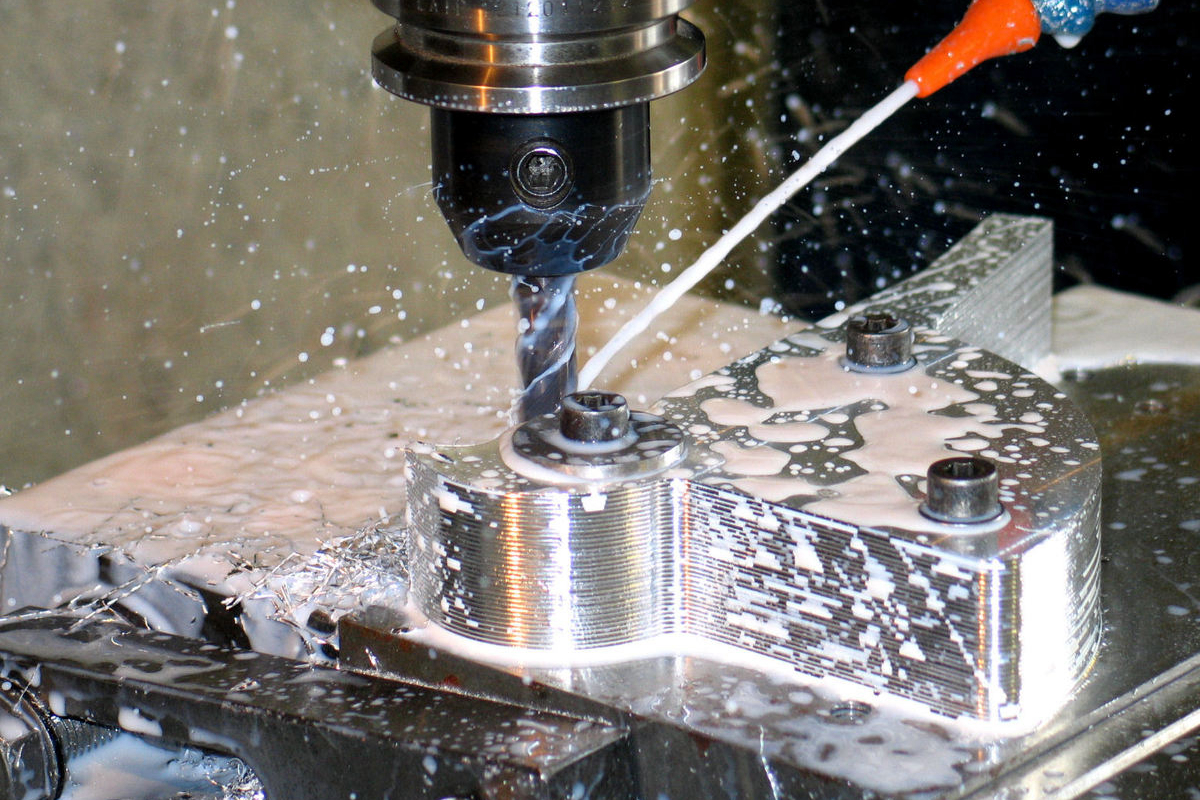
La fundición a presión es excelente para producir componentes de forma casi neta con formas complejas, nervaduras y paredes delgadas. Sin embargo, los diseños altamente personalizados a menudo exigen tolerancias más ajustadas, interfaces de acoplamiento refinadas y detalles funcionales dedicados que no se pueden realizar completamente solo con el molde. El mecanizado CNC a medida cierra esta brecha refinando selectivamente:
Interfaces de ensamblaje como bridas, espárragos y caras de localización
Características roscadas, orificios de precisión y asientos de rodamientos
Superficies de sellado para juntas, O-rings y pasajes de fluidos
Patrones de montaje que deben coincidir con sistemas externos o diseños heredados
Para piezas producidas mediante fundición a presión de aluminio de alta presión, procesos de fundición de zinc de precisión o fundiciones a presión a base de cobre, el mecanizado CNC transforma la capacidad de fundición general en un rendimiento específico del componente. En lugar de forzar los diseños para que se ajusten a un proceso estándar, el proceso se ajusta para adaptarse al diseño.
Co-ingeniería de Diseño con el Mecanizado en Mente
Las soluciones personalizadas más eficientes surgen cuando los clientes involucran a nuestro equipo desde el inicio del ciclo de diseño. A través de la consulta de diseño de fundición a presión de Neway, revisamos modelos CAD, requisitos funcionales y diseños de ensamblaje para definir qué superficies realmente requieren mecanizado y qué áreas pueden permanecer tal como se funden.
Durante esta fase colaborativa, nosotros:
Identificamos datums críticos e interfaces de acoplamiento que deben mecanizarse
Definimos márgenes de mecanizado que equilibran precisión con tiempo de ciclo
Evaluamos la accesibilidad de herramientas y conceptos de utillaje
Recomendamos cambios en el espesor de pared, estructura de nervaduras o geometría de espárragos para estabilizar el mecanizado
Este enfoque evita especificar en exceso las tolerancias en superficies no críticas, asegurando que el esfuerzo de CNC se centre donde aporta más valor. Como resultado, la solución final logra la precisión requerida con una estructura de costos optimizada.
Estrategias de Mecanizado Basadas en el Material
Diferentes materiales de fundición a presión requieren diferentes estrategias de mecanizado. La experiencia de Neway en una amplia gama de familias de aleaciones nos permite adaptar los parámetros de CNC a cada grado específico.
Para fundiciones de aluminio, nuestro portafolio de aleaciones de aluminio para fundición a presión validadas incluye opciones comunes como A380, ADC12 y varios grados de la serie EN AC. Cada aleación tiene su característica de maquinabilidad, comportamiento térmico y propiedades de formación de viruta. Las herramientas de corte, recubrimientos y estrategias de refrigerante se seleccionan para minimizar la acumulación de borde y mantener superficies lisas con baja rugosidad (Ra) en regiones de sellado y cosmética.
Los componentes de zinc, producidos a través de sistemas de aleación de zinc especializados, se utilizan a menudo para piezas decorativas y de diseño intrincado, como perillas, bisagras y mecanismos de cierre. Aquí, las estrategias de mecanizado se ajustan para preservar los detalles finos mientras se evita el emborronamiento o rebabas excesivas que podrían comprometer el plateado o la calidad visual.
Para aplicaciones de alta conductividad o alta resistencia, las piezas personalizadas hechas de aleaciones de fundición a presión de cobre y latón requieren un control cuidadoso del desgaste de la herramienta y la generación de calor. En estos casos, el mecanizado CNC se utiliza a menudo para dar forma a interfaces de contacto, regiones portadoras de corriente y superficies térmicamente críticas, con geometrías verificadas mediante metrología de precisión.
Vinculando el Diseño de Utillaje, Fundición y Mecanizado CNC
La calidad de las soluciones de CNC a medida depende en gran medida de la estabilidad del utillaje y la fundición aguas arriba. El servicio de fabricación de utillaje y moldes de Neway está estrechamente integrado con nuestro equipo de ingeniería de mecanizado para garantizar que el diseño del molde, la alimentación y los patrones de enfriamiento respalden un posprocesamiento repetible.
Al alinear líneas de partición, posiciones de expulsores y datums de mecanizado durante la etapa de diseño del utillaje, simplificamos el diseño de utillajes y mantenemos referencias consistentes a lo largo del proceso de fundición y las operaciones finales de CNC. Esta alineación es particularmente crucial para piezas complejas que requieren mecanizado en múltiples caras o en múltiples configuraciones.
Una vez que el utillaje se valida en el taller, los servicios de fundición de metal de alta presión producen componentes de forma casi neta que se adhieren al sobre dimensional acordado durante la fase de ingeniería. Los programas de CNC se ajustan luego en función de datos de medición reales de las primeras series, creando un ciclo de retroalimentación cerrado entre el rendimiento del molde y las rutas de mecanizado.
Desde Prototipos hasta Rutas de Producción a Medida
Las piezas personalizadas a menudo pasan por varias iteraciones de diseño antes de alcanzar una configuración estable. Para respaldar este proceso, Neway combina la flexibilidad del mecanizado con herramientas de desarrollo rápido. Los modelos iniciales pueden crearse a través de servicios de prototipado rápido, incluyendo utillaje temporal, fundición de muestras o piezas sustitutas mecanizadas directamente a partir de palanquillas sólidas.
Estas muestras iniciales permiten a los clientes validar el ajuste, la sensación y la función de sus productos en ensamblajes del mundo real. Al mismo tiempo, nuestros ingenieros recopilan datos de mecanizado, como tiempos de ciclo, vida útil de herramientas y comportamiento del utillaje, que luego informarán la ruta de producción optimizada. A medida que el programa madura, las estrategias a medida hacen una transición fluida a etapas de fabricación de bajo volumen y eventualmente a flujos de trabajo de producción en masa robustos.
Integrando el Mecanizado CNC con el Posproceso y Tratamiento de Superficie
Las piezas personalizadas frecuentemente combinan precisión funcional con características superficiales específicas o identidad visual de marca. Por lo tanto, las soluciones de mecanizado de Neway se integran en un posproceso más amplio para fundiciones a presión, donde el desbarbado, limpieza y acondicionamiento superficial respaldan el acabado final.
Operaciones de acabado en masa como el tumbling para componentes de fundición a presión y el chorreado de arena controlado pueden secuenciarse antes o después de las operaciones de CNC, dependiendo de la sensibilidad de las superficies mecanizadas. Para requisitos cosméticos o de alta durabilidad, luego integramos:
sistemas de pintura líquida para color y brillo precisos
líneas de recubrimiento en polvo para una resistencia a la corrosión robusta
procesos de anodizado de aluminio para dureza y apariencia
tecnología de anodizado por arco para capas de óxido avanzadas
Al alinear las rutas de CNC con las condiciones de recubrimiento y acabado, prevenimos la acumulación de bordes, evitamos daños en áreas críticas y mantenemos las tolerancias incluso después de aplicar los tratamientos superficiales.
Utillaje a Medida y Control de Proceso
Las fundiciones a presión personalizadas rara vez encajan en utillajes genéricos. Para garantizar una precisión repetible, Neway diseña y fabrica utillajes específicamente adaptados a la geometría y secuencia de mecanizado de cada pieza. Un utillaje adecuado:
Soporta paredes delgadas y características delicadas sin deformación
Alinea los datums de mecanizado con las referencias de fundición
Controla la fuerza de sujeción y su distribución
Permite configuraciones eficientes de múltiples caras u operaciones
Estos utillajes se vuelven parte integral de la solución de mecanizado a medida y se validan mediante pruebas y estudios de capacidad. Una vez estables, se incorporan a líneas de producción controladas monitoreadas por nuestras instalaciones de inspección de fundición a presión, que incluyen medición CMM, evaluación de rugosidad superficial y pruebas funcionales cuando se requieren.
Ejemplos del Mundo Real de Piezas de Fundición a Presión Mecanizadas CNC Personalizadas
El valor del mecanizado CNC a medida es más visible en aplicaciones reales. Neway respalda piezas de fundición a presión personalizadas en diversas industrias, tales como:
Marcos de GPU y elementos electrónicos estructurales, similares al marco de GPU A380, cooperación, donde la rigidez, planitud y precisión de la interfaz son críticas para los módulos térmicos.
Carcasas de comunicación y servidores comparables a los ensamblajes de carcasa de base de datos de aluminio de Huawei, que combinan tolerancias dimensionales ajustadas con criterios cosméticos estrictos.
Cuerpos y accesorios de herramientas eléctricas alineados con proyectos de hardware y carcasas de Bosch, donde el diseño ergonómico, la resistencia al impacto y las interfaces robustas deben unificarse.
En cada caso, los procesos de CNC se personalizan según las cargas mecánicas específicas, definiciones de interfaz y estándares de marca del producto final. El resultado es un componente de fundición a presión que se comporta como un elemento de sistema completamente diseñado en lugar de una fundición genérica.
Soluciones a Medida Todo en Uno para Programas Personalizados
Gestionar proveedores separados para fundición, mecanizado, acabado y ensamblaje introduce riesgo en cada etapa del proceso. Para evitar desalineaciones y acumulación de tolerancias, los clientes pueden confiar en la solución de fundición a presión todo en uno de Neway, que consolida toda la cadena de valor bajo un único equipo de ingeniería.
Este modelo integrado asegura que las estrategias de mecanizado CNC a medida se desarrollen en coordinación con el diseño de moldes, selección de materiales, tratamientos superficiales e incluso el ensamblaje final cuando sea necesario. El resultado es una vía estable, trazable y rentable desde el concepto hasta la producción calificada.
Conclusión
Las soluciones de mecanizado CNC a medida son cruciales para desbloquear todo el potencial de las piezas de fundición a presión personalizadas. Al alinear la intención de diseño con materiales, utillaje, fijación y posprocesamiento, Neway entrega componentes que cumplen con las exigentes expectativas funcionales, de ensamblaje y cosméticas, incluso en productos complejos y de alta integración.
Desde el soporte de diseño inicial y el prototipado rápido, pasando por validaciones de bajo volumen y producción en serie a gran escala, nuestros ingenieros de mecanizado tratan cada pieza como una combinación única de requisitos en lugar de un SKU genérico. Esta mentalidad, respaldada por capacidades integradas de fundición, acabado e inspección, nos permite proporcionar soluciones de fundición a presión personalizadas que ayudan a los clientes a llevar productos diferenciados y de alto rendimiento al mercado con confianza.
Preguntas Frecuentes
¿Qué características en las piezas de fundición a presión personalizadas se benefician más del mecanizado CNC a medida?
¿Qué tan temprano deben incluirse las consideraciones de mecanizado en el proceso de diseño de fundición a presión?
¿Puede Neway respaldar prototipos rápidos que utilicen estrategias de mecanizado CNC similares a la producción en masa?
¿Cómo coordinan el mecanizado CNC con tratamientos superficiales como el recubrimiento en polvo o el anodizado?
¿Qué métodos de inspección se utilizan para verificar la precisión de las piezas de fundición a presión mecanizadas CNC personalizadas?
