
¿Qué es el Servicio de Ensamblaje para Piezas de Fundición a Presión?
Introducción
En la producción moderna de fundición a presión de alto volumen, los clientes esperan cada vez más componentes completamente terminados y listos para instalar, en lugar de piezas fundidas independientes. Esta demanda impulsa la importancia de un servicio profesional de ensamblaje de fundición a presión, donde los componentes fundidos, mecanizados y con tratamiento superficial se integran en unidades funcionales completas. En Neway, el ensamblaje se diseña como un flujo de trabajo controlado con precisión que une la fundición, el mecanizado, el acabado superficial y la validación final del producto.
El ensamblaje de componentes de fundición a presión requiere un profundo conocimiento de los materiales, incluyendo la fundición a presión de aluminio, la fundición a presión de zinc y la fundición a presión de cobre, así como la capacidad de integrar sujetadores, insertos, sellos, componentes electrónicos y hardware de acoplamiento. Al centralizar estas operaciones, Neway respalda plazos de entrega más cortos, mayor consistencia y una complejidad reducida de la cadena de suministro tanto para programas de producción de bajo volumen como de alto volumen.
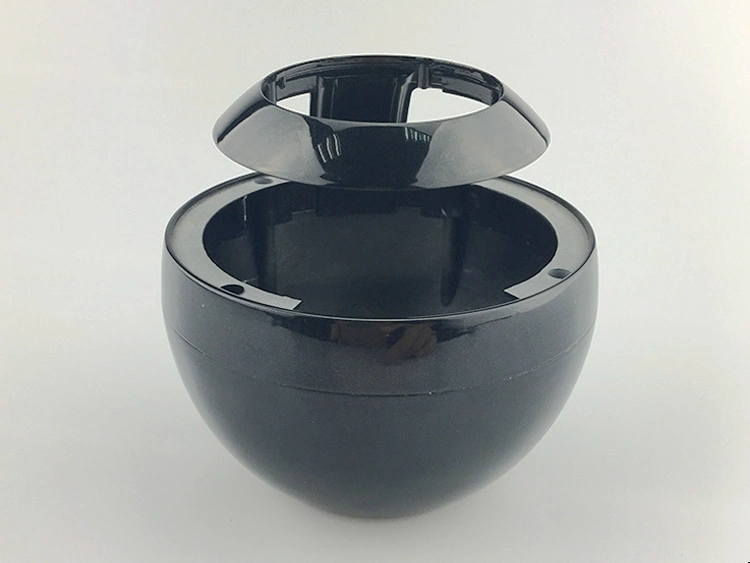
Cómo se Integra el Ensamblaje en el Flujo de Trabajo de Fundición a Presión
El ensamblaje típicamente ocurre después de que se han validado los pasos de fundición, recorte, desbarbado y mecanizado. Un flujo de trabajo completo incluye:
Fundición inicial de precisión utilizando procesos de fundición de metales
Refinamiento dimensional mediante mecanizado CNC para roscas, bridas, orificios e interfaces de ensamblaje
Preparación superficial mediante operaciones como vibrado o chorreado de arena
Acabado funcional o cosmético, incluyendo pintura, revestimiento en polvo o anodizado
Una vez completados estos pasos previos, las piezas pueden integrarse en ensamblajes utilizando varios métodos, incluyendo sujetadores, adhesivos, estructuras de prensado, dispositivos de alineación y elementos de movimiento. Realizar todas las etapas dentro de nuestro servicio integral de fundición a presión garantiza que cada componente sea compatible y estable durante todo el proceso de ensamblaje.
Operaciones Principales en el Ensamblaje de Fundición a Presión
La capacidad de ensamblaje de Neway cubre tanto métodos de integración mecánica como híbrida. Las funciones principales de ensamblaje incluyen:
Fijación con tornillos y pernos – crucial para carcasas estructurales, soportes y módulos de herramientas eléctricas
Prensado y ajuste por interferencia – utilizado para ejes, cojinetes, bujes y pasadores de alineación
Remachado, remachado por presión y fijación por estampado – adecuado para piezas de aluminio y zinc de pared delgada
Unión adhesiva y sellado – adhesivos utilizados en electrónica de consumo, carcasas de iluminación y ensamblajes impermeables
Inserción de juntas tóricas, empaquetaduras y elementos de amortiguación
Integración de piezas de plástico moldeado o caucho
Para ensamblajes que involucran componentes sensibles o cosméticos—por ejemplo, carcasas similares a las utilizadas en proyectos de carcasa de afeitadora Philips—el par de torsión controlado, la alineación del dispositivo de sujeción y los protocolos de manipulación son esenciales para prevenir daños.
Importancia del Mecanizado CNC en la Calidad del Ensamblaje
El ensamblaje preciso depende en gran medida de la precisión dimensional, la cual se garantiza mediante servicios avanzados de mecanizado CNC. Las características críticas conformadas durante el mecanizado incluyen:
Asientos de cojinetes
Orificios taladrados y características roscadas
Superficies de acoplamiento planas
Ranuras de ubicación y bordes de referencia
El mecanizado también garantiza que las uniones por prensado o controladas por par de torsión se comporten de manera consistente en la producción en masa—un requisito esencial para industrias como la automotriz y la de herramientas industriales.
Influencias del Tratamiento Superficial en el Ensamblaje
Los acabados superficiales modifican la fricción, la resistencia a la corrosión, la sensación táctil y la apariencia. Dependiendo de los requisitos del ensamblaje, Neway aplica:
revestimiento en polvo para aplicaciones de alto desgaste
pintura líquida para un control cosmético estricto
anodizado para componentes de aluminio que requieren durabilidad
anodizado por arco para un rendimiento superficial avanzado
Colecciones como cerraduras de puertas, abrazaderas, envolventes de herramientas eléctricas y carcasas electrónicas dependen del tratamiento superficial para prevenir el desgaste durante ciclos repetidos. Las superficies limpias y sin rebabas producidas mediante operaciones previas garantizan que los revestimientos se adhieran correctamente y que las interfaces de ensamblaje permanezcan dimensionalmente estables.
Dispositivos de Ensamblaje y Control de Proceso
Para una alineación, precisión de par de torsión y repetibilidad consistentes, se desarrollan dispositivos de ensamblaje dedicados para cada proyecto. Los dispositivos de sujeción respaldan:
Perpendicularidad y paralelismo durante la fijación
Alineación rotacional precisa para ensamblajes de bisagras o ejes
Presión controlada durante la unión adhesiva y el curado
Protección de superficies cosméticas
Las operaciones de ensamblaje se verifican utilizando la misma infraestructura de inspección que se encuentra en el centro de inspección de piezas de fundición a presión de Neway, incluyendo mediciones CMM, pruebas de par de torsión, ciclado funcional y controles de fugas.
Beneficios del Ensamblaje Integrado de Fundición a Presión
Cuando el ensamblaje lo realiza el mismo proveedor responsable de la fundición, el mecanizado y el acabado, los clientes se benefician de múltiples maneras:
Plazo de entrega más corto y logística más simple
Mejor control de la acumulación de tolerancias
Menor riesgo de daños por manipulación
Calidad consistente en grandes volúmenes
Mejor retroalimentación de fabricabilidad durante el diseño
Esta integración es especialmente valiosa para programas de alta variedad o en rápida evolución respaldados por el flujo de trabajo de fabricación de bajo volumen de Neway.
Aplicaciones Industriales
El ensamblaje de fundición a presión se utiliza ampliamente en industrias que requieren precisión mecánica, durabilidad e integración funcional:
Carcasas de electrónica de consumo y conjuntos de bisagras como los vistos en proyectos de carcasa de aluminio de Huawei
Soportes automotrices, cuerpos de cerraduras y carcasas estructurales similares a piezas fundidas automotrices de BYD
Marcos de herramientas eléctricas y hardware mecánico, como ensamblajes de herramientas Bosch
Componentes de maquinaria industrial que requieren durabilidad y alineación
Conclusión
El servicio de ensamblaje para piezas de fundición a presión no es un proceso aislado—es una etapa de integración altamente diseñada que unifica la fundición, el mecanizado, el acabado superficial y la validación funcional en un marco de producción completo. Mediante dispositivos de sujeción avanzados, control dimensional e inspección de calidad, Neway garantiza que cada producto ensamblado de fundición a presión esté listo para su instalación inmediata y rendimiento a largo plazo. Ya sea que el objetivo sea una carcasa cosmética para el consumidor o un módulo mecánico de alta carga, nuestras capacidades de ensamblaje ofrecen precisión, confiabilidad y eficiencia de fabricación.
Preguntas Frecuentes
¿Qué tipos de ensamblajes de fundición a presión respalda Neway?
¿Cómo mejora el mecanizado CNC la precisión del ensamblaje?
¿Qué tratamientos superficiales son compatibles con los componentes ensamblados?
¿Pueden manejar tanto ensamblajes de bajo volumen como de producción en masa?
¿Cómo garantizan la alineación y la consistencia funcional en los ensamblajes?
