
¿Qué es el Servicio de Pintura para Piezas de Fundición a Presión?
Introducción
La pintura es una de las soluciones de acabado más versátiles y ampliamente utilizadas para componentes de fundición a presión. Hace mucho más que añadir color; un proceso de pintura bien diseñado mejora la resistencia a la corrosión, optimiza el rendimiento al desgaste, estabiliza la apariencia con el tiempo y respalda la identidad de marca mediante un control preciso del color y el brillo. Para los fabricantes de equipos originales (OEM) en las industrias de herramientas eléctricas, automoción, electrónica de consumo, sistemas de cierre y equipos industriales, las piezas de fundición a presión pintadas a menudo definen la primera impresión del usuario sobre la calidad del producto.
En Neway, la pintura se integra en un servicio completo de pintura para fundición a presión que vincula la fundición, la preparación de la superficie, la formulación del recubrimiento y la inspección de calidad en un único flujo de trabajo controlado. En lugar de tratar la pintura como un paso cosmético separado, diseñamos toda la ruta de fabricación—desde la selección de la aleación hasta el ensamblaje—para lograr acabados pintados consistentes y de alto rendimiento en fundiciones a presión de aluminio, zinc y cobre.
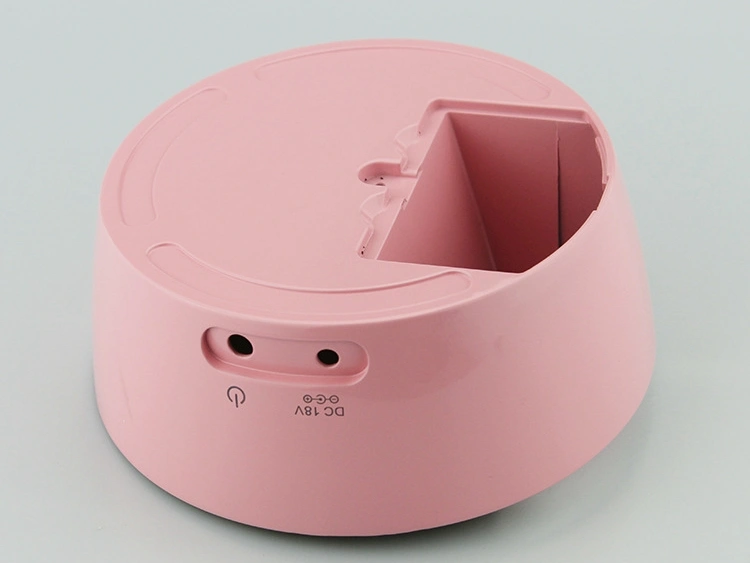
Dónde se Encuadra la Pintura en el Flujo de Trabajo de la Fundición a Presión
La pintura se aplica típicamente después de que se ha establecido la integridad estructural y dimensional de una pieza de fundición a presión. Una cadena de proceso típica incluye:
La fundición a alta presión se utiliza en nuestro entorno de producción de fundición de metales, donde se crea la geometría de la pieza y las propiedades mecánicas base.
Los procesos específicos de material incluyen fundición a presión de aluminio para carcasas, fundición a presión de zinc para componentes de hardware detallados, y fundición a presión de cobre para componentes conductores.
Operaciones de postprocesado para desbarbado, limpieza y refinamiento dimensional.
Aplicación de capas de imprimación y acabado en una línea de pintura controlada.
Ensamblaje final y pruebas funcionales de las piezas recubiertas.
Al situar la pintura después de todos los pasos críticos de mecanizado y postprocesado, nos aseguramos de que las superficies funcionales sean estables y estén libres de daños por operaciones posteriores que podrían comprometer el recubrimiento. La pintura se convierte en la piedra angular de la cadena de valor, consolidando la calidad cosmética y la protección ambiental antes de que las piezas sean ensambladas o enviadas.
Cómo Funciona el Proceso de Pintura para Piezas de Fundición a Presión
Pintar piezas de fundición a presión es un proceso de múltiples etapas que equilibra el rendimiento de la película, la apariencia y la productividad. Una ruta típica incluye:
Prelimpieza y desengrase – eliminación de agentes desmoldeantes, aceites de corte y contaminantes.
Preparación mecánica de la superficie – desbarbado y texturizado para estabilizar la rugosidad superficial.
Pretratamiento químico – recubrimientos de conversión o promotores de adhesión cuando se requieren.
Aplicación de imprimación – proporcionando adhesión, resistencia a la corrosión y protección contra impactos de piedras.
Aplicación de acabado – aportando el color final, brillo, textura y resistencia química.
Curado controlado – curado térmico o UV para alcanzar las propiedades finales de la película.
Inspección final – controles visuales más mediciones de espesor, adhesión y brillo.
El diseño del sistema de pintura se adapta al sustrato, la geometría y el entorno de uso final. Los componentes expuestos a condiciones exteriores o automotrices se benefician de imprimaciones gruesas y flexibles y acabados resistentes químicamente, mientras que las piezas interiores o decorativas pueden priorizar la precisión del color y la suavidad de la superficie.
Sistemas de Pintura Utilizados en Piezas de Fundición a Presión
Neway trabaja con una amplia gama de tecnologías de pintura industrial para cumplir con los requisitos específicos del cliente:
Imprimaciones y acabados a base de disolventes para aplicaciones de alta adhesión y alta durabilidad.
Sistemas a base de agua para cumplir con regulaciones ambientales manteniendo el rendimiento.
Pinturas de un componente (1K) para programas rentables y de alto volumen.
Sistemas de dos componentes (2K) para una resistencia química y a la abrasión superior.
Barnices transparentes para proteger superficies metálicas o plateadas sin cambiar el color.
Para las condiciones mecánicas y ambientales más exigentes, la pintura puede combinarse con acabados alternativos. Por ejemplo, las piezas estructurales que requieren la máxima resistencia a impactos y astillado podrían usar o complementar un acabado de pintura en polvo, mientras que las carcasas de aluminio premium podrían combinar pintura con una capa anódica subyacente.
Preparación de la Superficie: La Clave para la Adhesión de la Pintura
Ningún sistema de pintura puede funcionar correctamente en una superficie mal preparada. Las aleaciones de fundición a presión pueden tener porosidad localizada, microrebabas y residuos superficiales que deben abordarse antes de pintar. Neway integra la preparación de la superficie en un postproceso dedicado para flujos de trabajo de fundición a presión para garantizar una adhesión y apariencia de la pintura consistentes.
Las etapas típicas de preparación mecánica incluyen:
Acondicionamiento de bordes y desbarbado mediante operaciones de vibrado, que eliminan bordes afilados y rebabas que podrían causar adelgazamiento o astillado de la pintura.
Generación de textura y eliminación de óxido mediante chorreado con arena de piezas fundidas, creando un perfil de anclaje uniforme y controlado para las imprimaciones.
Refinamiento de precisión de refuerzos, caras de sellado e interfaces utilizando características mecanizadas por CNC, asegurando que las áreas críticas mantengan la precisión dimensional después del recubrimiento.
A estos pasos les siguen la limpieza química y, cuando es necesario, tratamientos de conversión para mejorar aún más la resistencia a la corrosión y la unión de la imprimación. El resultado es un sustrato estable donde los sistemas de pintura se comportan de manera predecible durante largas vidas útiles.
Consideraciones de Materiales y Diseño para Piezas de Fundición a Presión Pintadas
La elección de la aleación base y la geometría de la pieza tiene un impacto directo en la calidad de la pintura, la resistencia al astillado y la estabilidad del color. El equipo de ingeniería de Neway respalda la toma de decisiones en etapas tempranas a través de un proceso estructurado de selección de material de fundición que alinea los requisitos mecánicos, térmicos y cosméticos.
Por ejemplo:
Las aleaciones estructurales comunes dentro de la familia de aleaciones de fundición a presión de aluminio ofrecen buena estabilidad dimensional, proporcionando una base adecuada tanto para imprimaciones como para acabados decorativos.
Los grados de zinc de alta fluidez de nuestro portafolio de aleaciones de zinc son ideales para piezas cosméticas intrincadas que requieren logotipos nítidos y detalles finos.
Los sustratos de cobre y latón de materiales de fundición de cobre-latón pueden pintarse o dejarse parcialmente expuestos para crear efectos combinados metálicos y de contraste de color.
Durante el desarrollo de la herramienta, nuestros expertos en fabricación de moldes y matrices ajustan las ubicaciones de las entradas, líneas de partición y radios para minimizar defectos cosméticos. Este enfoque reduce el riesgo de marcas de hundimiento, líneas de flujo visibles o porosidad superficial que podrían transmitirse a través de películas delgadas de pintura.
Pintura vs. Otros Tratamientos Superficiales
La pintura es una de las varias opciones de acabado para piezas de fundición a presión, cada una con fortalezas distintivas:
Pintura ofrece una flexibilidad de color inigualable, control fino del espesor y compatibilidad con patrones de enmascaramiento complejos.
Pintura en polvo enfatiza la durabilidad, resistencia al astillado y rendimiento de película gruesa.
Anodizado y capas de óxido avanzadas proporcionan un aspecto metálico con mayor resistencia al desgaste y a la corrosión.
Para componentes de aluminio donde una estética metálica y resistencia a los arañazos son prioritarias, nuestros procesos de anodizado decorativo pueden ser la opción preferida. En entornos hostiles que requieren espesores extremos de óxido o propiedades funcionales especiales, tratamientos de anodizado por arco pueden complementar o reemplazar métodos de pintura convencionales.
Seleccionar el acabado correcto depende del posicionamiento del producto, exposición ambiental, cargas mecánicas y costo total de propiedad. En muchos casos, la pintura proporciona el mejor equilibrio entre apariencia, costo y flexibilidad entre variantes de producto.
Integración con el Ensamblaje y la Fabricación Integral
Los componentes pintados deben sobrevivir no solo a las condiciones de servicio, sino también al ensamblaje y la logística. Arañazos, marcas de sujeción o bordes astillados durante el ensamblaje pueden erosionar rápidamente el valor de un acabado pintado premium. Para evitar estos problemas, la pintura se coordina con los servicios de ensamblaje de fundición a presión de Neway, incluyendo el diseño de dispositivos, control de par y protección de superficies cosméticas.
Esta integración se extiende a todo el modelo de fabricación integral para fundición a presión. La fundición, el mecanizado, el postprocesado, la pintura y el ensamblaje se gestionan bajo una única arquitectura de proceso, lo que reduce los pasos de manipulación y mejora la trazabilidad. Para los clientes, esto significa una calidad pintada consistente desde el prototipo hasta la producción, todo gestionado por un único equipo de ingeniería.
Prototipado y Desarrollo de Pintura
Lograr la combinación correcta de color, brillo y textura a menudo requiere iteración. Neway respalda la evaluación temprana y el refinamiento del diseño con prototipado rápido de piezas recubiertas, permitiendo a los clientes probar la apariencia visual, ergonomía y alineación con la marca antes de comprometerse con la herramientización de producción.
Para formas complejas o ensamblajes integrados, los modelos maestros impresos en 3D pueden recubrirse utilizando pilas de pintura de intención de producción para validar el color y la sensación superficial en geometrías realistas. Una vez que las muestras de fundición a presión están disponibles, las series de prototipos confirman cómo se comporta el sistema de pintura elegido en el sustrato real, incluyendo su cobertura de líneas de partición, chaflanes y características de marca.
Control de Calidad y Validación del Rendimiento de la Pintura
Las piezas de fundición a presión pintadas se validan utilizando una combinación de inspección visual y pruebas cuantitativas. En Neway, cada programa de pintura cuenta con el respaldo de las herramientas de medición y durabilidad dentro de nuestras instalaciones de prueba e inspección de fundición a presión.
Los controles típicos incluyen:
Espesor y uniformidad de la película seca.
Pruebas de adhesión (métodos de cuadrícula o desprendimiento).
Mediciones de brillo y color relativas a estándares maestros.
Evaluaciones de resistencia a impactos, abrasión y arañazos.
Resistencia a la corrosión y humedad, cuando se requiere.
Una vez validadas, los parámetros de pintura—como configuraciones de pulverización, tiempos de evaporación y condiciones de curado—se fijan en la documentación del proceso y se trasladan a las fases de fabricación de bajo volumen y producción en masa. Esto asegura que los acabados pintados permanezcan estables a medida que los programas escalan y evolucionan.
Ejemplos de la Industria de Piezas de Fundición a Presión Pintadas
Las piezas de fundición a presión pintadas aparecen en muchos de los programas de clientes a largo plazo de Neway:
Carcasas y accesorios de herramientas eléctricas para proyectos similares a la colaboración con herramientas eléctricas Bosch, donde las superficies pintadas deben resistir impactos, abrasión y exposición química.
Dispositivos de cuidado personal, como la carcasa de fundición a presión de la afeitadora Philips, dependen de un espesor y brillo de pintura cuidadosamente controlados para lograr una apariencia premium.
Carcasas de telecomunicaciones y redes ejemplificadas por el proyecto de carcasa de base de datos de aluminio Huawei, donde la pintura contribuye a la identidad de marca y resistencia ambiental.
Componentes automotrices siguen los patrones del programa de piezas de fundición a presión BYD, donde las superficies pintadas deben mantener tanto la estética como la resistencia a la corrosión en condiciones de carretera exigentes.
Conclusión
El servicio de pintura para piezas de fundición a presión es un paso técnicamente exigente y estratégicamente importante en el desarrollo moderno de productos. Cuando está bien diseñado, los acabados pintados ofrecen color, textura y brillo consistentes mientras protegen la aleación subyacente de la corrosión, el desgaste y el daño ambiental. Al integrar la pintura en un flujo de trabajo integral de fundición a presión que abarca la selección de aleaciones, herramientización, preparación de superficies y ensamblaje, Neway permite a los clientes transformar piezas fundidas en bruto en componentes visualmente atractivos y duraderos listos para el uso en el mundo real.
Desde carcasas industriales robustas hasta dispositivos de consumo refinados, nuestros servicios de pintura están diseñados en torno a la disciplina de ingeniería y el control de procesos—asegurando que cada pieza recubierta refleje tanto los requisitos funcionales como la estética de marca del producto final.
Preguntas Frecuentes
¿Qué tipos de sistemas de pintura utiliza Neway típicamente para piezas de aluminio y zinc de fundición a presión?
¿Cómo influye la preparación de la superficie en la adhesión y durabilidad de las piezas de fundición a presión pintadas?
¿Cuándo se debe elegir la pintura en lugar de la pintura en polvo o el anodizado para un componente de fundición a presión?
¿Cómo se controla la consistencia del color y los niveles de brillo en lotes de producción grandes?
¿Puede Neway respaldar tanto la pintura de prototipos como la de producción en masa para el mismo diseño de fundición a presión?
