
¿Qué es el Servicio de Arenado para Piezas de Fundición a Presión?
Introducción
En el mundo de la fabricación de componentes de fundición a presión, lograr la textura superficial perfecta es a menudo tan crítico como mantener la precisión dimensional. El servicio de arenado para piezas de fundición a presión representa un tratamiento superficial fundamental pero altamente versátil que conecta los requisitos funcionales con los objetivos estéticos. En Neway, el arenado forma un componente esencial de nuestras completas capacidades de post-proceso, proporcionando a los clientes soluciones confiables de preparación y acabado superficial para aplicaciones de fundición a presión de aluminio, fundición a presión de zinc y fundición a presión de cobre.
Este método de acabado mecánico utiliza propulsión abrasiva controlada para transformar las características superficiales, haciéndolo indispensable para componentes que requieren perfiles de textura específicos, acción de limpieza o activación superficial. Como parte de nuestro servicio integral, el arenado funciona de forma sinérgica con otros procesos de acabado para entregar componentes que cumplen tanto con las especificaciones de rendimiento como con los estándares visuales.
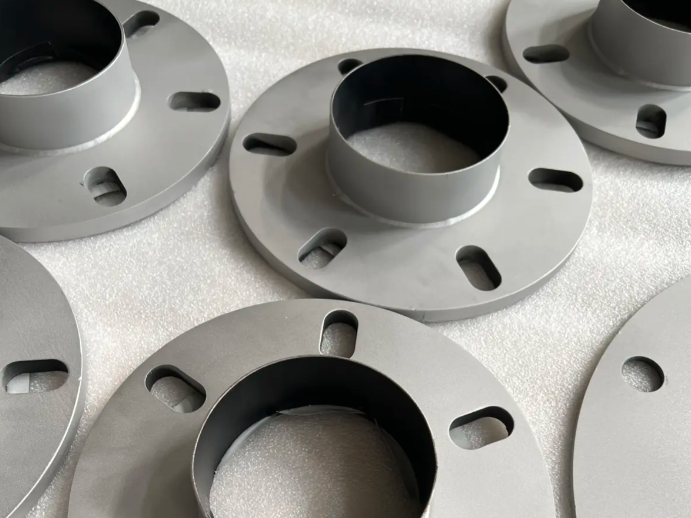
¿Qué es el Arenado?
El arenado, también conocido como chorro abrasivo, es un proceso de tratamiento superficial que impulsa materiales abrasivos finos contra la superficie de un componente a alta velocidad para limpiar, suavizar, ásperar o modificar su textura y apariencia. A pesar de su nombre tradicional, el arenado moderno rara vez utiliza arena real; en su lugar, emplea varios abrasivos diseñados específicamente elegidos por sus características de corte, reciclabilidad y compatibilidad con el material.
El proceso opera bajo el principio de erosión controlada, donde las partículas abrasivas impactan la superficie con suficiente fuerza para eliminar contaminantes, imperfecciones superficiales o crear perfiles superficiales específicos. Esta acción mecánica puede variar desde una limpieza suave hasta una remoción agresiva de material, dependiendo del tipo de abrasivo, tamaño de partícula, presión de aire y patrón de chorro seleccionado para la aplicación.
Beneficios Clave del Arenado para Piezas de Fundición a Presión
La implementación del arenado en la fabricación de fundición a presión ofrece ventajas significativas en calidad superficial, funcionalidad y eficiencia del proceso:
Limpieza Superficial: Elimina eficazmente residuos de fabricación, óxidos y contaminantes de las superficies fundidas
Perfilado Superficial: Crea texturas superficiales controladas ideales para la posterior adhesión de pintura en polvo o pintura
Capacidad de Desbarbado: Elimina rebabas ligeras y bordes afilados de líneas de partición y ubicaciones de compuertas
Mejora Cosmética: Produce acabados mate o satinados uniformes para componentes visuales
Versatilidad del Proceso: Adaptable a varias aleaciones de aluminio, aleaciones de zinc y aleaciones de cobre
Procesamiento Rápido: Tiempos de ciclo rápidos adecuados tanto para requisitos de bajo volumen como de producción en masa
Eficiencia de Costos: Tratamiento superficial económico en comparación con muchos métodos alternativos
Control Ambiental: Los sistemas modernos incorporan recolección de polvo y reciclaje de abrasivos
Cómo Funciona el Arenado
El proceso de arenado involucra varios componentes clave que trabajan en conjunto para lograr una modificación superficial controlada:
Sistema de Propulsión Abrasiva: Aire comprimido o fuerza centrífuga acelera partículas abrasivas hacia la pieza de trabajo
Configuración de Boquilla: Boquillas especialmente diseñadas controlan el patrón de chorro, dispersión e intensidad de impacto
Suministro de Abrasivo: Alimentación consistente del medio abrasivo en la corriente de propulsión
Impacto Superficial: Las partículas abrasivas golpean la superficie, creando microimpactos que eliminan material o alteran la textura
Contención y Recuperación: Cámaras cerradas contienen el proceso mientras los sistemas de recuperación separan el medio reutilizable
Control de Parámetros: Ajuste preciso de presión, distancia, ángulo y duración para lograr resultados específicos
Esta acción mecánica controlada puede afinarse para lograr desde una limpieza superficial suave hasta la creación de texturas agresivas, haciendo que el arenado sea adaptable a diversos requisitos de aplicación.
Tipos de Medios de Arenado
Neway utiliza una gama completa de medios de chorro, cada uno ofreciendo características distintas para aplicaciones específicas:
Óxido de Aluminio: Medio afilado y duradero para corte agresivo y perfilado superficial
Perlas de Vidrio: Medio esférico para limpieza suave y granallado sin remoción significativa de material
Medio Plástico: Abrasivos suaves para superficies delicadas y aplicaciones sensibles a la contaminación
Granalla/Grano de Acero: Medio de alta densidad para desincrustación pesada y transformación superficial significativa
Cáscaras de Nuez: Medio orgánico para limpieza suave y aplicaciones conscientes del medio ambiente
Carburo de Silicio: Medio ultraduro para corte rápido y preparación superficial desafiante
Vidrio Triturado: Medio reciclado que ofrece acción de corte equilibrada y beneficios ambientales
Bicarbonato de Sodio: Medio suave para limpieza no destructiva y tratamiento superficial delicado
Características y Capacidades del Acabado Superficial
El arenado produce características superficiales distintivas que lo hacen adecuado para diversas aplicaciones funcionales y estéticas:
Control de Rugosidad Superficial: Valores Ra alcanzables que van desde 1.0 μm hasta 12.5 μm dependiendo del medio y parámetros
Textura Uniforme: Apariencia superficial consistente en geometrías complejas y lotes de producción
Acabados Mate: Superficies no reflectantes ideales para reducir el deslumbramiento y ocultar imperfecciones menores
Superficies Granalladas: Inducción de esfuerzo compresivo para mejorar la resistencia a la fatiga en algunas aplicaciones
Efectividad de Limpieza: Eliminación completa de óxidos, incrustaciones y contaminantes de fabricación
Creación de Perfil: Topografía superficial controlada para mejorar la adhesión del recubrimiento
Consistencia Visual: Apariencia uniforme en componentes y series de producción
Aplicaciones en el Acabado de Componentes de Fundición a Presión
El arenado cumple múltiples funciones críticas dentro de los flujos de trabajo de fabricación de fundición a presión:
Preparación Pre-Recubrimiento: Activación y perfilado superficial antes de pintura en polvo, pintura o anodizado
Acabado Cosmético: Creación de apariencias mate o satinadas uniformes en componentes visibles
Eliminación de Desmoldeante: Eliminación de agentes desmoldeantes residuales de superficies fundidas
Eliminación de Incrustaciones de Óxido: Limpieza de incrustaciones de tratamiento térmico y oxidación superficial
Preparación para Soldadura: Creación de superficies limpias y perfiladas para operaciones de soldadura posteriores
Restauración y Reacabado: Preparación de componentes previamente recubiertos para reacabado
Creación de Superficie Funcional: Desarrollo de texturas superficiales específicas para mejorar agarre o características de fricción
Proceso de Arenado en Neway
Las operaciones de arenado de Neway siguen procedimientos meticulosamente controlados para garantizar resultados consistentes y de alta calidad:
Evaluación Pre-Tratamiento: Evaluación del material del componente, geometría y requisitos de acabado
Selección de Medio: Elección de un tipo y tamaño de abrasivo apropiado para la aplicación específica
Optimización de Parámetros: Configuración de presión, distancia, ángulo y duración para los resultados deseados
Diseño de Sujeción: Dispositivos de sujeción personalizados para geometrías complejas y eficiencia de producción
Ejecución del Proceso: Arenado controlado en cabinas cerradas con controles ambientales adecuados
Limpieza Post-Arenado: Eliminación de medio residual y contaminantes superficiales
Verificación de Calidad: Inspección integral, incluyendo medición de textura superficial y estándares visuales
Documentación: Registros completos del proceso para trazabilidad de calidad y repetibilidad
Comparación con Métodos Alternativos de Acabado Superficial
El arenado ocupa una posición distintiva dentro de las capacidades de post-proceso de Neway:
Versus Vibrado: Proporciona limpieza más agresiva y mejor acceso a geometrías externas complejas
Versus Limpieza Química: La acción mecánica evita residuos químicos y preocupaciones ambientales
Versus Mecanizado CNC: Más económico para texturizado superficial y tratamiento de áreas grandes
Versus Cepillado: Ofrece resultados más consistentes en volúmenes de producción y formas complejas
Versus Acabado por Vibración: Más adecuado para componentes grandes y requisitos específicos de textura superficial
Versus Limpieza Láser: Más económico para preparación superficial general y aplicaciones de texturizado
Integración con Procesos Posteriores
El arenado funciona como un paso preparatorio crítico dentro de flujos de trabajo de fabricación integrados:
Mejora de la Adhesión del Recubrimiento: Crea perfiles superficiales ideales para la adhesión de pintura en polvo y pintura
Preparación para Anodizado: Activación superficial para mejorar la uniformidad y calidad del anodizado
Preparación de Superficie para Unión: Crea superficies optimizadas para unión adhesiva y sellado
Preparación para Soldadura: Prepara superficies para resultados de soldadura consistentes y de alta calidad
Compatibilidad de Ensamblaje: Asegura que las superficies estén limpias y adecuadamente preparadas para operaciones de ensamblaje
Acabado Multi-Etapa: Procesamiento secuencial con otros métodos de post-proceso para requisitos especializados
Aplicaciones Industriales y Casos de Estudio
El arenado ha demostrado un valor excepcional en diversas aplicaciones industriales:
Componentes Automotrices: Preparación superficial para piezas similares a nuestro proyecto automotriz BYD
Carcasas Electrónicas: Acabado cosmético para componentes que requieren apariencias mate uniformes
Equipos Industriales: Preparación superficial para componentes de servicio pesado sujetos a desgaste y corrosión
Herrajes Arquitectónicos: Creación de texturas visuales consistentes en componentes y accesorios visibles
Productos de Consumo: Estética y funcionalidad mejoradas para artículos que requieren características superficiales específicas
Proyectos de Restauración: Preparación superficial de componentes vintage o reparados para reacabado
Protocolos de Control de Calidad e Inspección
El compromiso de Neway con la excelencia en calidad se refleja en nuestros protocolos integrales de inspección para arenado:
Medición del Perfil Superficial: Evaluación cuantitativa de la textura y rugosidad superficial
Estándares Visuales: Comparación con referencias visuales establecidas para consistencia
Verificación de Limpieza: Inspección para la eliminación completa de contaminantes y medios
Validación Dimensional: Confirmación de que se mantienen las tolerancias críticas
Pruebas de Adhesión: Verificación de la adhesión del recubrimiento en superficies preparadas
Monitoreo de Parámetros del Proceso: Evaluación continua de los parámetros de arenado para consistencia
Documentación y Trazabilidad: Registros completos del proceso para cada lote de producción
Conclusión
El servicio de arenado representa un tratamiento superficial fundamental pero altamente versátil dentro de la fabricación de fundición a presión, ofreciendo capacidades confiables de preparación, limpieza y texturizado superficial que cumplen con diversos requisitos de aplicación. En Neway, nuestra experiencia en arenado, integrada dentro de nuestro ecosistema de fabricación de servicio integral, permite a los clientes lograr características superficiales que mejoran tanto el rendimiento funcional como el atractivo visual.
A medida que los requisitos de fabricación continúan evolucionando hacia estándares de calidad más altos y especificaciones superficiales más sofisticadas, el arenado sigue siendo un proceso esencial para componentes que requieren texturas superficiales específicas, limpieza exhaustiva o preparación óptima para operaciones de acabado posteriores. Al aprovechar este método probado de tratamiento superficial, los fabricantes pueden lograr una calidad de producto superior, rendimiento mejorado y mayor satisfacción del cliente, manteniendo al mismo tiempo la rentabilidad y eficiencia del proceso.
Preguntas Frecuentes
¿Qué tipos de acabados superficiales se pueden lograr con el arenado?
¿Cómo afecta el arenado las tolerancias dimensionales de componentes de precisión?
¿Cuál es la diferencia entre arenado y granallado?
¿Se puede utilizar el arenado en todos los materiales y aleaciones de fundición a presión?
¿Cómo se previene el atrapamiento de medios en geometrías complejas durante el arenado?
¿Qué controles ambientales existen para las operaciones de arenado?
¿Cómo se compara el arenado con el grabado químico para la preparación superficial?
