
¿Qué es el Servicio de Tamboreado para Piezas de Fundición a Presión?
Introducción
En el mundo de la fabricación de piezas fundidas a presión, lograr la calidad superficial deseada es tan crucial como mantener la precisión dimensional. Si bien los procesos de fundición como la fundición a presión de aluminio y la fundición a presión de zinc producen piezas con excelentes propiedades mecánicas, a menudo dejan imperfecciones sutiles como líneas de partición, restos de compuerta y rebabas menores. Aquí es donde entra en juego el servicio de tamboreado para fundiciones a presión: un proceso eficiente de acabado en masa que transforma los componentes fundidos en bruto en piezas refinadas y listas para usar.
En Neway, nuestro servicio de tamboreado representa un paso crítico en nuestras capacidades integrales de postprocesamiento, trabajando junto con otros métodos de acabado como el granallado y el revestimiento en polvo para entregar componentes que cumplen con los requisitos funcionales y estéticos.
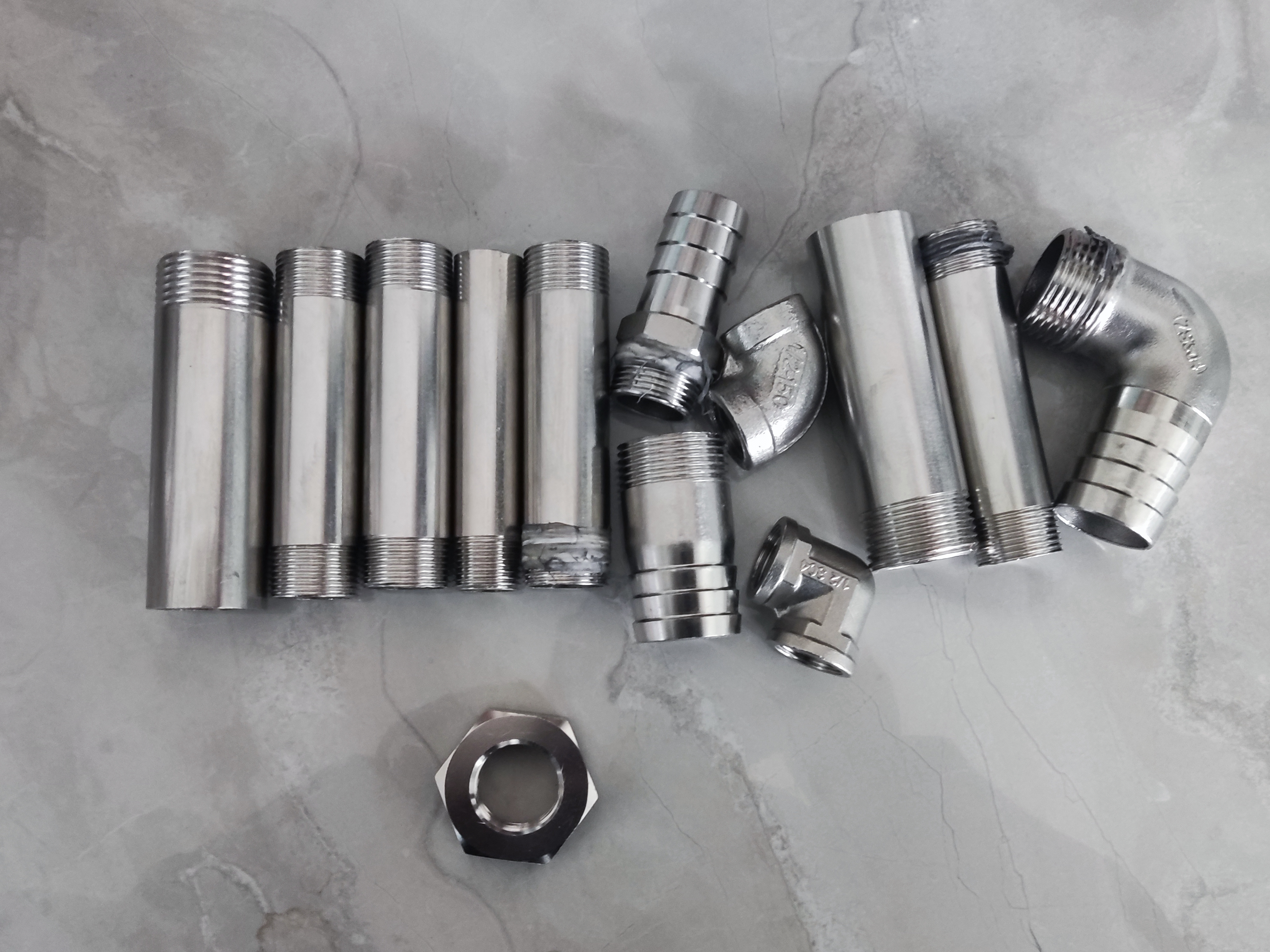
¿Qué es el Tamboreado para Fundición a Presión?
El tamboreado, también conocido como acabado en barril, es un proceso mecánico de acabado que utiliza un barril giratorio o un recipiente vibratorio lleno de medios y compuestos especializados para desbarbar, redondear, limpiar y alisar múltiples componentes de fundición a presión simultáneamente. A diferencia de los métodos de acabado manual, que manejan las piezas individualmente, el tamboreado procesa grandes lotes de componentes a la vez, haciéndolo excepcionalmente eficiente para series de producción de alto volumen.
El proceso es particularmente efectivo para piezas fundidas a presión con geometrías complejas donde el desbarbado manual sería lento y costoso. A través de la abrasión controlada, el tamboreado elimina de manera consistente bordes afilados, rebabas e imperfecciones superficiales mientras confiere una textura superficial uniforme en todos los componentes procesados.
Cómo Funciona el Tamboreado
El proceso de tamboreado opera bajo un principio simple pero efectivo: los componentes colocados dentro de un contenedor giratorio, junto con medios abrasivos, experimentan una fricción continua que desgasta gradualmente las imperfecciones superficiales. La efectividad del tamboreado depende de varios factores clave:
Selección de Medios: La elección del medio abrasivo—cerámico, plástico u orgánico—determina la agresividad del acabado
Formulación de Compuestos: Los compuestos especializados mejoran la acción de corte, proporcionan lubricación y previenen el impacto entre piezas
Tiempo de Ciclo: La duración del proceso varía desde unas pocas horas hasta varios días dependiendo del acabado deseado
Velocidad de Rotación: La rotación controlada asegura un contacto óptimo entre el medio y la pieza sin causar daños
Este proceso de abrasión controlada puede ajustarse para lograr desde un desbarbado ligero hasta un redondeo significativo de bordes, haciéndolo adaptable a diversas aplicaciones de fundición a presión en diferentes industrias.
Beneficios Clave del Tamboreado para Componentes de Fundición a Presión
Integrar el tamboreado en su flujo de trabajo de producción de fundición a presión ofrece múltiples ventajas que mejoran tanto la calidad de la pieza como la eficiencia de fabricación:
Desbarbado Superior: Elimina eficazmente las rebabas y barbas de las líneas de partición, compuertas y ubicaciones de los expulsores
Redondeo de Bordes: Crea radios consistentes y seguros en bordes afilados y esquinas, reduciendo puntos de concentración de tensión
Refinamiento Superficial: Produce texturas superficiales uniformes que mejoran tanto la apariencia como la funcionalidad
Eficiencia de Costos: Procesa grandes lotes simultáneamente, reduciendo significativamente los costos laborales en comparación con el acabado manual
Consistencia del Proceso: Ofrece resultados repetibles entre lotes de producción, asegurando uniformidad entre piezas
Acción de Limpieza: Elimina residuos de fabricación, lubricantes y óxidos ligeros de las superficies de los componentes
Estos beneficios hacen del tamboreado un proceso esencial para piezas de fundición a presión destinadas al ensamblaje, donde los bordes suaves y las superficies limpias previenen problemas de instalación y aseguran un ajuste adecuado.
Tamboreado vs. Otros Métodos de Acabado
Si bien Neway ofrece múltiples opciones de acabado dentro de nuestro departamento de postprocesamiento, el tamboreado ocupa una posición única en nuestra matriz de capacidades:
Comparado con el Granallado: El tamboreado proporciona un redondeo de bordes más uniforme y es más adecuado para geometrías internas complejas donde los medios de granallado directo pueden no llegar eficazmente
Comparado con el Pulido Manual: El tamboreado ofrece un rendimiento significativamente mayor y eficiencia de costos para pedidos de alto volumen mientras mantiene resultados consistentes
Comparado con el Acabado Vibratorio: Aunque similar en principio, el tamboreado tradicional típicamente produce un acabado más uniforme con menos potencial de daño por impacto entre piezas
Nuestros expertos en acabado evalúan los requisitos de cada proyecto para determinar si el tamboreado, el granallado u otros métodos proporcionan la solución óptima para necesidades de aplicación específicas.
Materiales Compatibles con el Servicio de Tamboreado
Nuestro servicio de tamboreado procesa eficazmente una amplia gama de materiales de fundición a presión, que incluyen:
Aleaciones de Aluminio: Incluyendo A380, ADC12 y otras aleaciones de aluminio comúnmente utilizadas en fundición a presión
Aleaciones de Zinc: Como Zamak 3, Zamak 5 y otras aleaciones de zinc conocidas por su excelente colabilidad
Aleaciones a Base de Cobre: Ciertas aleaciones de latón de cobre también pueden procesarse con medios y compuestos específicamente formulados para estos materiales
Cada familia de materiales requiere una selección específica de medios y parámetros de proceso para lograr resultados óptimos sin comprometer la integridad de la pieza o la estabilidad dimensional.
Proceso de Tamboreado y Control de Calidad
En Neway, nuestro servicio de tamboreado sigue un flujo de trabajo meticulosamente controlado para asegurar resultados consistentes y de alta calidad:
Inspección Previa al Tamboreado: Los componentes se inspeccionan visualmente para identificar requisitos específicos de acabado
Selección de Medios: Se elige el medio abrasivo apropiado según el material, la geometría y el acabado deseado
Configuración de Parámetros del Proceso: La velocidad de rotación, el tiempo de ciclo y la concentración de compuestos se calibran para el trabajo específico
Monitoreo Durante el Proceso: Chequeos regulares aseguran que el proceso avance según lo planeado
Inspección Posterior al Tamboreado: Las piezas terminadas se someten a rigurosos controles de calidad para verificar la integridad del desbarbado y la calidad superficial
Limpieza y Secado: Los componentes se limpian a fondo para eliminar cualquier medio o compuesto residual
Este enfoque sistemático, combinado con nuestras capacidades integrales de inspección de fundiciones a presión, asegura que los componentes tamboreados cumplan con los estrictos estándares de calidad que nuestros clientes esperan.
Aplicaciones en Diferentes Industrias
Los componentes de fundición a presión tamboreados cumplen funciones críticas en múltiples industrias, incluyendo:
Electrónica de Consumo: Componentes alisados y desbarbados para dispositivos como los de nuestro proyecto de carcasa de base de datos Huawei
Componentes Automotrices: Componentes críticos para la seguridad que requieren una eliminación completa de rebabas para un ensamblaje y funcionamiento adecuados
Equipos Industriales: Piezas que deben ensamblarse perfectamente sin bordes afilados que puedan dañar componentes emparejados
Herrajes y Sujetadores: Componentes que requieren mayor seguridad de manejo y atractivo estético
Componentes de Dispositivos Médicos: Piezas donde es obligatoria la ausencia absoluta de rebabas y bordes afilados
Estas diversas aplicaciones demuestran la versatilidad del tamboreado como solución de acabado para componentes de fundición a presión en diferentes segmentos de mercado.
Integrando el Tamboreado en Soluciones de Fabricación Completas
En Neway, el servicio de tamboreado no es una operación independiente, sino un componente integral de nuestro servicio integral para fundiciones a presión. Este enfoque integrado nos permite entregar componentes terminados y listos para ensamblar que han progresado sin problemas a través de:
Fundición de metales de precisión utilizando sistemas optimizados de herramental y moldes
Mecanizado CNC preciso de características críticas y superficies de montaje
Tratamientos especializados de postprocesamiento que incluyen tamboreado
Ensamblaje final cuando se requiere
Esta integración vertical elimina los desafíos de coordinación y las inconsistencias de calidad que a menudo surgen cuando múltiples proveedores manejan diferentes etapas de fabricación.
Conclusión
El servicio de tamboreado representa una solución de acabado crítica en la cadena de valor de la fundición a presión, transformando eficientemente componentes en bruto en piezas refinadas y funcionales listas para ensamblaje y aplicaciones finales. En Neway, nuestra experiencia en tamboreado—combinada con nuestras capacidades de fabricación de espectro completo—asegura que los clientes reciban componentes de fundición a presión que sobresalen tanto en forma como en función.
Ya sea que requiera tamboreado como parte de nuestros servicios integrales de producción en masa o para proyectos de fabricación de bajo volumen, nuestro equipo técnico está listo para optimizar este proceso para sus requisitos de aplicación específicos.
Preguntas Frecuentes
¿Qué tipos de acabados superficiales se pueden lograr mediante el tamboreado?
¿Cómo afecta el tamboreado la precisión dimensional de los componentes de fundición a presión de precisión?
¿Cuál es el tiempo de entrega típico para los servicios de tamboreado?
¿Se puede combinar el tamboreado con otros procesos de acabado, como el anodizado o el revestimiento en polvo?
¿Existen limitaciones de tamaño para los componentes procesados mediante tamboreado?
¿Cómo se previene el daño a las piezas durante el proceso de tamboreado?
