A514
Material Introduction
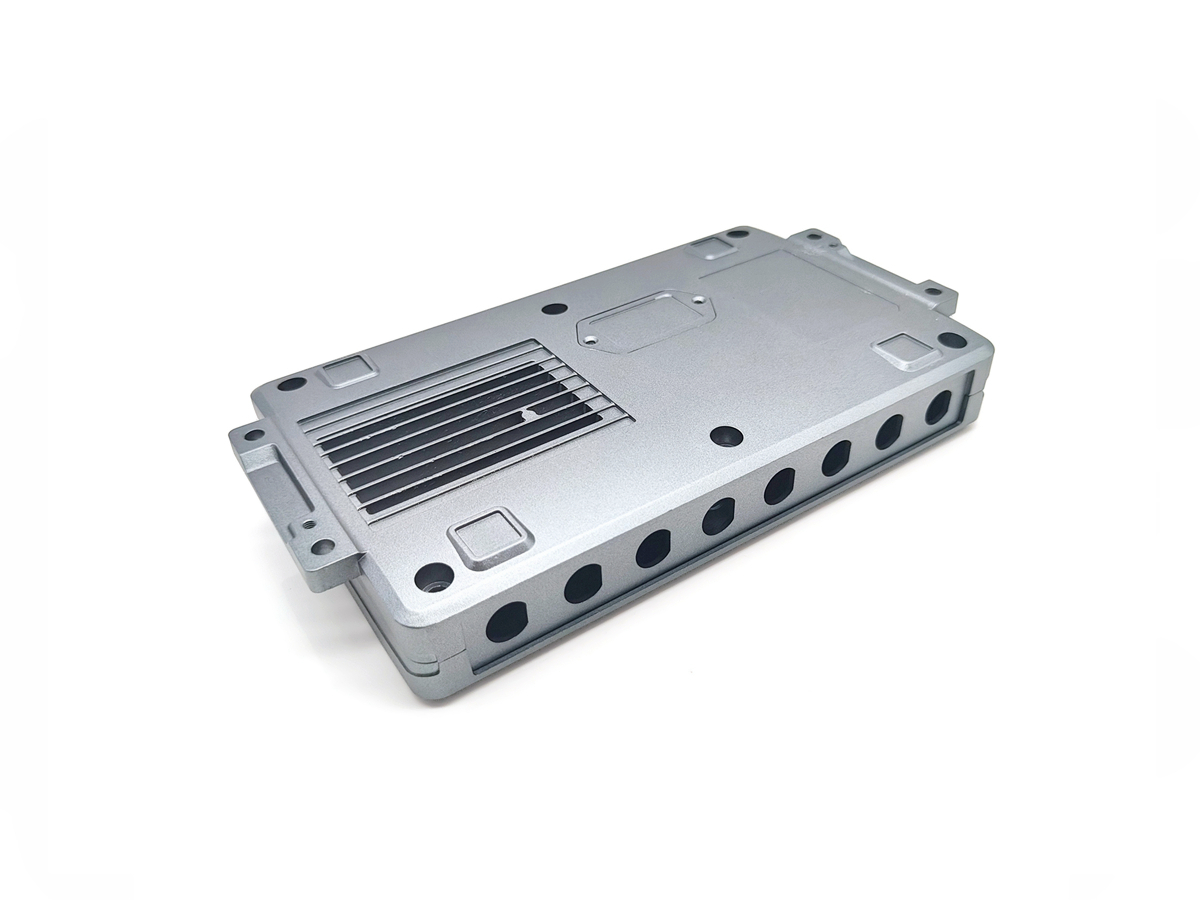
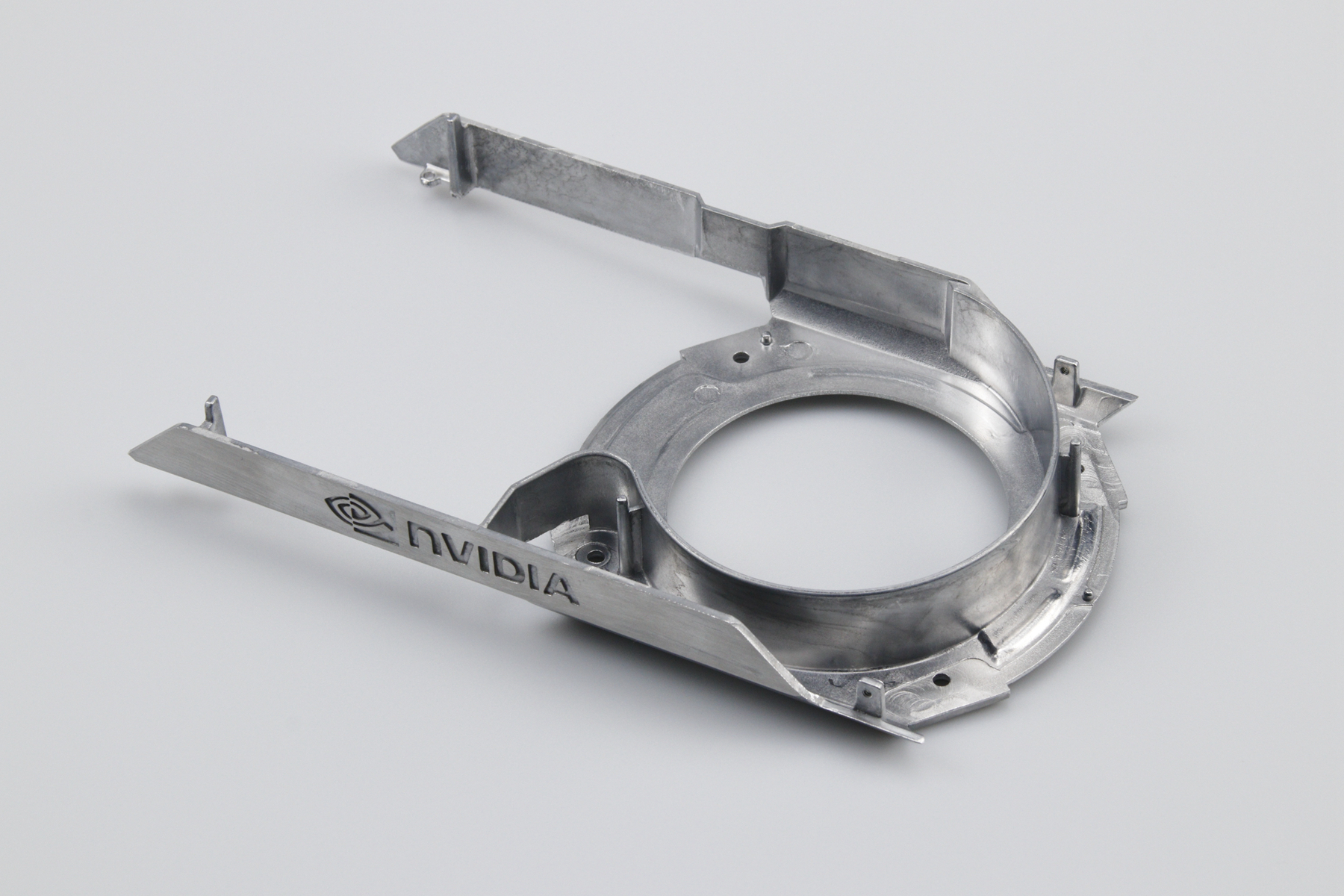
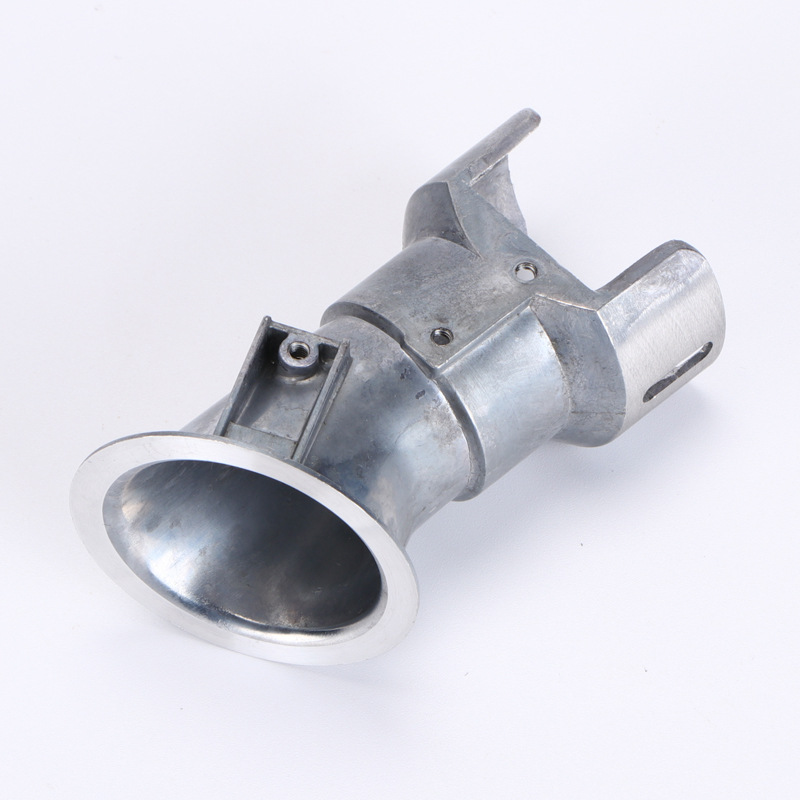
A514 is a cast aluminum–magnesium–silicon alloy engineered for lightweight structural components that require excellent corrosion resistance, stable mechanical properties, and high dimensional consistency. With a magnesium content typically in the range of 4.5–5.5% and silicon content between 1–1.5%, A514 offers stronger mechanical performance than pure Al–Mg casting alloys while maintaining very good ductility and toughness. The alloy is optimally suited for aluminum die casting processes, particularly for thin-wall housings, lightweight brackets, and functional mechanical parts that demand high integrity and moderate load-bearing capability. When manufactured using Neway’s precision tool and die making systems and controlled thermal management during die filling and solidification, A514 castings achieve excellent surface quality, strong metallurgical bonding, and reliably low porosity for production in automotive, aerospace-adjacent, and consumer device applications.
Alternative Material Options
When design requirements exceed A514’s capabilities, Neway offers several alternative alloys. If higher tensile strength and elevated thermal resistance are required, EN AC-46000 (AlSi9Cu3) is ideal for powertrain housings and load-bearing structures. For improved ductility and fatigue resistance, EN AC-43500 (AlSi10Mg) is commonly selected. Where thin-wall fillability and complex geometry are essential, A383 / ADC12 offers superior fluidity. For high-hardness and wear-resistant applications, A390 is suitable. When a premium surface finish or high conductivity is required, copper–brass alloys or Brass 380 may substitute aluminum for enhanced durability or appearance.
International Equivalent / Comparable Grade
Country/Region | Equivalent / Comparable Grade | Specific Commercial Brands | Notes |
USA (AA) | A514.0 | Kaiser A514, Belmont A514 | Reference grade for Al–Mg–Si low-copper cast alloys. |
Europe (EN) | EN AC-AlMg5Si2Mn class | Hydro AlMg5Si2Mn, Rheinfelden variants | Similar composition with enhanced toughness. |
Germany (DIN) | GD-AlMg5Si2 | TRIMET AlMg5Si | Common for structural housings and brackets. |
Japan (JIS) | AC7A | UACJ AC7A, Daiki AC7A | Close functional equivalent for corrosion-resistant parts. |
China (GB/T) | ZL201 / similar Al–Mg–Si alloys | Chalco ZL2xx series | Used for lightweight structural castings. |
Design Purpose
A514 was developed to provide a lightweight yet durable cast aluminum solution for mechanical components that require good toughness, stable load support, and reliable corrosion resistance. Its magnesium-rich chemistry reduces weight while maintaining adequate structural stiffness. The alloy also offers improved vibration resistance, making it suitable for dynamic loading environments such as handheld power tools, electric mobility modules, and mechanical linkages. Its low copper content promotes enhanced corrosion resistance, allowing A514 to perform well in marine-adjacent, humid, and outdoor environments. Combined with controlled shrinkage and predictable solidification, A514 supports dimensionally accurate castings with fewer defects and excellent compatibility with paint, powder, and conversion coatings.
Chemical Composition
Element | Magnesium (Mg) | Silicon (Si) | Manganese (Mn) | Iron (Fe) | Copper (Cu) | Zinc (Zn) | Titanium (Ti) | Aluminum (Al) |
Composition (%) | 4.5–5.5 | 1.0–1.5 | 0.4–1.0 | ≤0.6 | ≤0.05 | ≤0.10 | ≤0.20 | Balance |
Physical Properties
Property | Density | Melting Range | Thermal Conductivity | Electrical Conductivity | Thermal Expansion |
Value | ~2.63 g/cm³ | ~575–640 °C | ~100–120 W/m·K | ~26–29% IACS | ~22–24 µm/m·°C |
Mechanical Properties
Property | Tensile Strength | Yield Strength | Elongation | Hardness | Fatigue Strength |
Value (as-cast) | ~160–200 MPa | ~90–120 MPa | ~8–12% | ~60–75 HB | ~55–75 MPa |
Key Material Characteristics
Excellent corrosion resistance due to very low copper content.
Lightweight alloy with strong Mg contribution for stiffness and strength.
Good ductility and impact toughness for vibration-loaded components.
Predictable shrinkage behavior supporting consistent dimensional accuracy.
Suitable for both functional and cosmetic housings.
Good fatigue resistance for mechanical linkages and dynamic components.
Machinability optimized through silicon and manganese balancing.
Excellent compatibility with protective coatings and finishing processes.
Manufacturability And Post Process
High-Pressure Die Casting (HPDC): A514 performs well in HPDC for thin- to medium-wall housings. Neway tailors gating and intensification pressures to the alloy’s Mg–Si solidification profile to reduce oxide formation and micro-shrinkage.
Low-Pressure or Gravity Casting: In larger housings or structural frames, A514 supports permanent mold casting with stable fluidity and reduced porosity risk.
Precision CNC machining: A514 machines smoothly and is ideal for critical bores, grooves, and sealing faces produced through post machining with tolerances typically within ±0.02–0.05 mm.
Threading and drilling: The alloy provides stable chip formation, enabling durable threads for fasteners and mechanical interfaces.
Tumbling and deburring: Components undergo tumbling to enhance handling safety and achieve uniform surface quality.
Quality inspection: Structural components are validated through CMM measurement, leakage checks (if required), and mechanical testing using Neway’s inspection equipment.
Suitable Surface Treatment
Anodizing for corrosion improvement: A514’s low Cu content enables reliable anodizing for outdoor exposure and marine-adjacent conditions.
Powder coating for durability: Powder coating provides strong barrier protection and robust wear resistance.
Liquid painting for consumer housings: Painting gives refined textures and branding flexibility.
Chromate or Cr-free conversion coatings: Enhances adhesion and corrosion resistance for equipment housings and electronics.
Bead-blasting: Sand- or bead-blasting creates matte aesthetics and uniform coating surfaces.
Laser marking: Stable, permanent marking without affecting surface integrity.
Common Industries and Applications
Power tools and handheld equipment structures.
Lightweight automotive brackets and support frames.
Consumer electronics housings and ergonomic shells.
Marine-adjacent and outdoor industrial modules.
E-mobility drive components and structural carriers.
General mechanical assemblies requiring corrosion resistance and light weight.
When to Choose This Material
When lightweight structural strength is required without sacrificing ductility.
When corrosion resistance is a priority for humid or marine-adjacent environments.
For vibration-loaded parts requiring toughness and fatigue resistance.
When both cosmetic and functional finishing options must remain open.
For thin- to medium-wall castings in HPDC or gravity casting.
When machining accuracy is needed for assembly-critical surfaces.
For components requiring long-term stability and predictable deformation behavior.
Explore Related Blogs