ADC10
Material Introduction
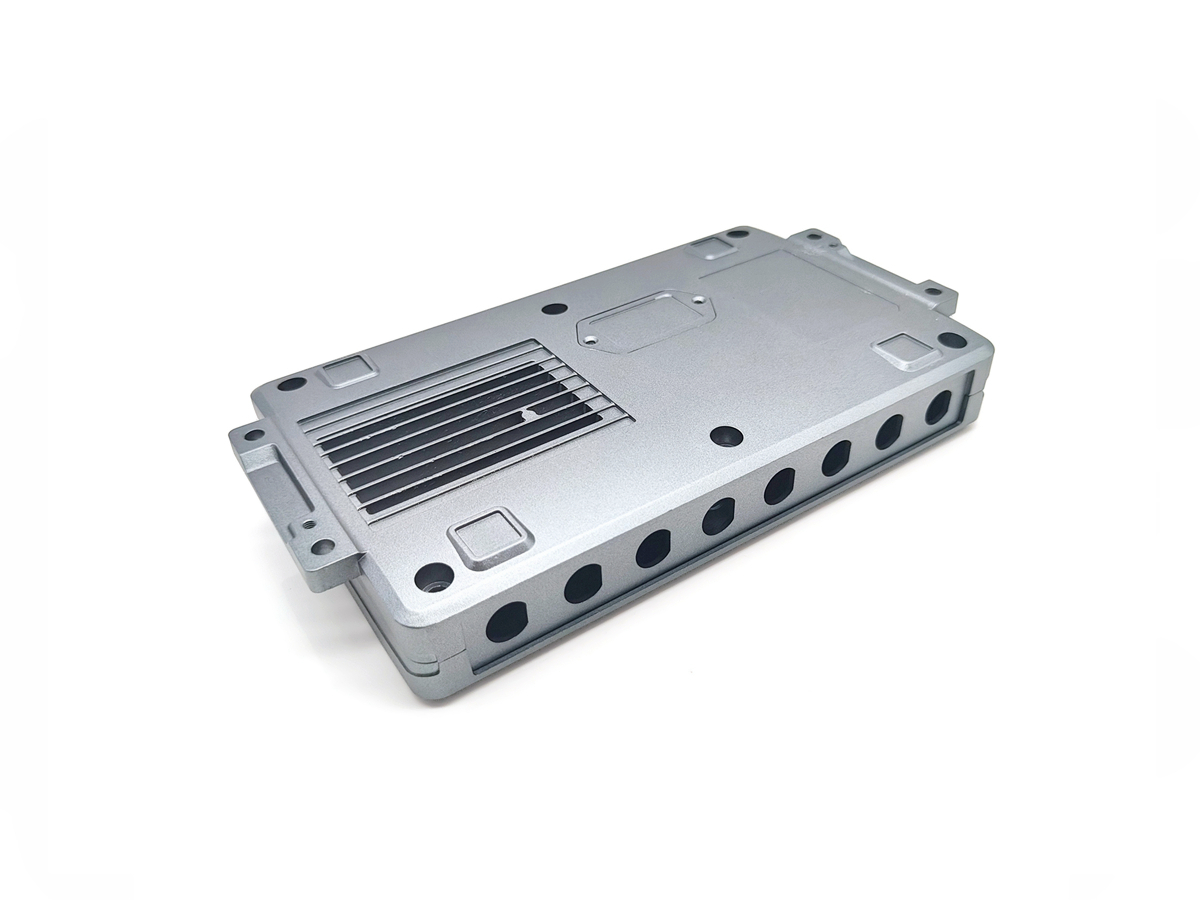
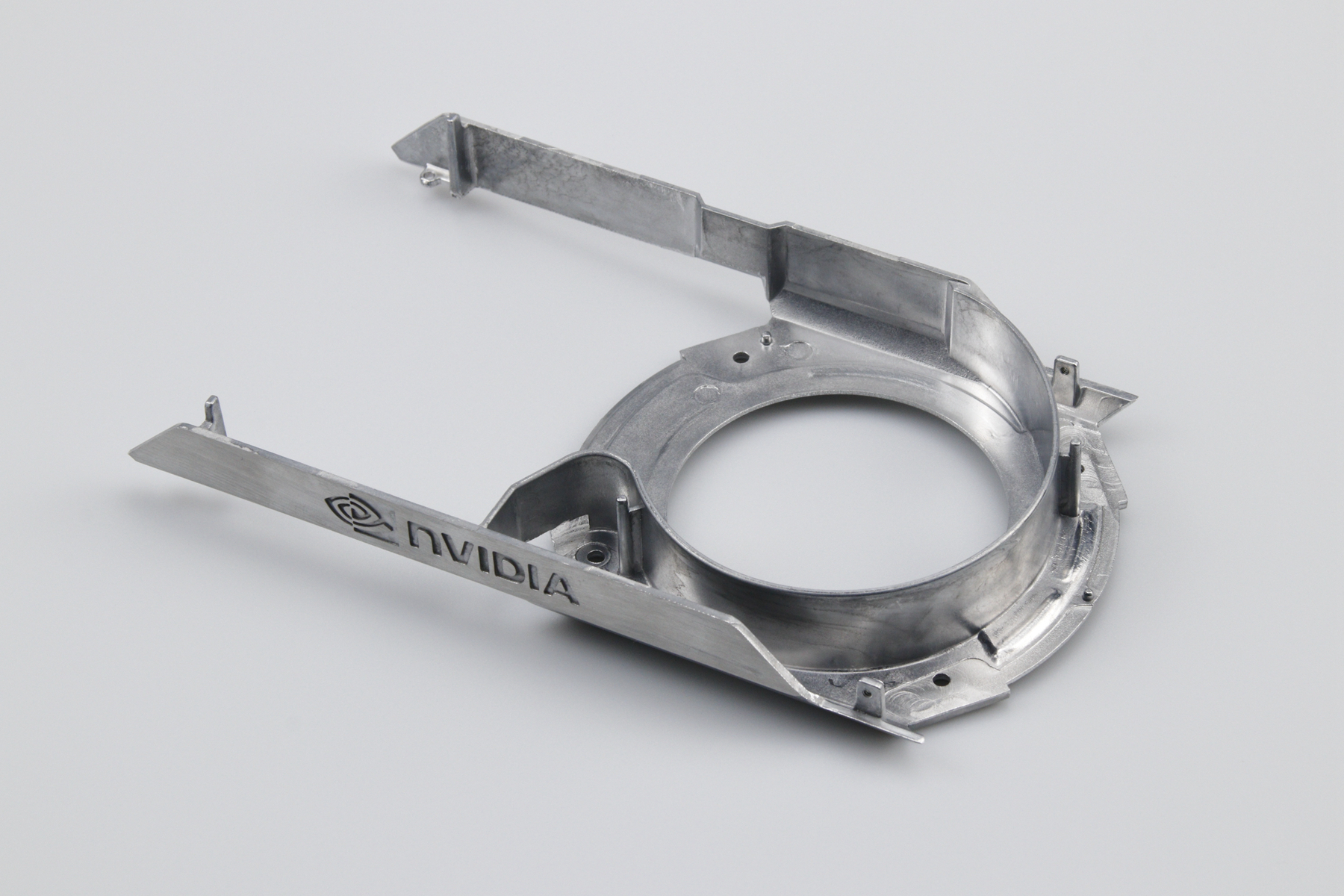
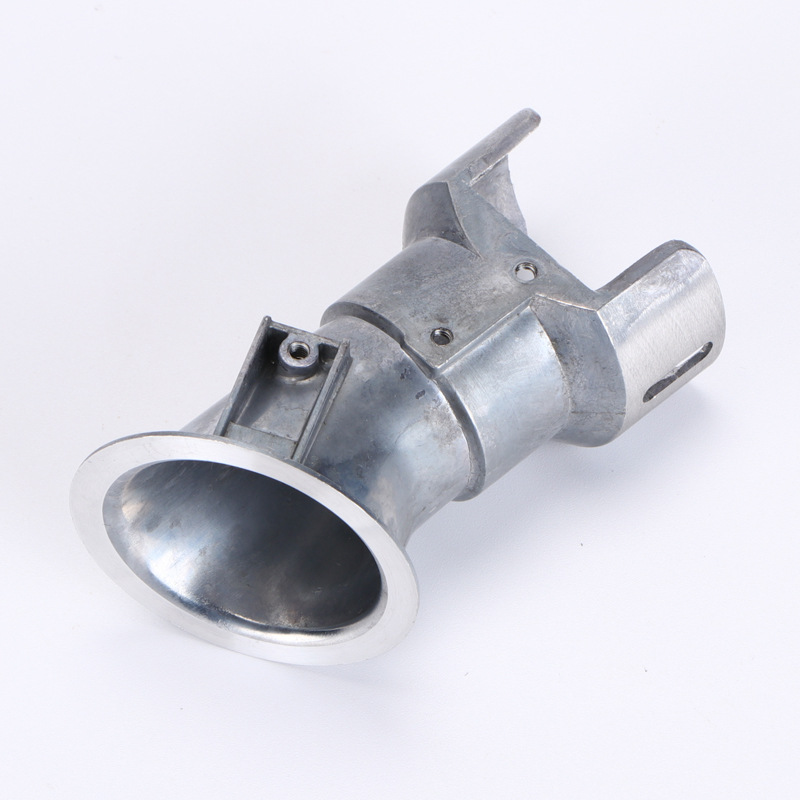
ADC10 is a widely used aluminum alloy engineered specifically for high-volume ADC10 aluminum die casting applications. As a typical Al–Si–Cu casting alloy, it offers an excellent balance of castability, mechanical strength, and dimensional stability, making it one of the most popular choices for thin-wall and complex housings. Its silicon-rich composition ensures smooth mold filling and low defect rates, while controlled copper levels provide robust strength and fatigue resistance without excessive brittleness. Paired with Neway’s advanced aluminum die casting cells and precision tool and die making, ADC10 delivers consistent performance in demanding applications such as electronic enclosures, automotive modules, and precision mechanical components.
Alternative Material Options
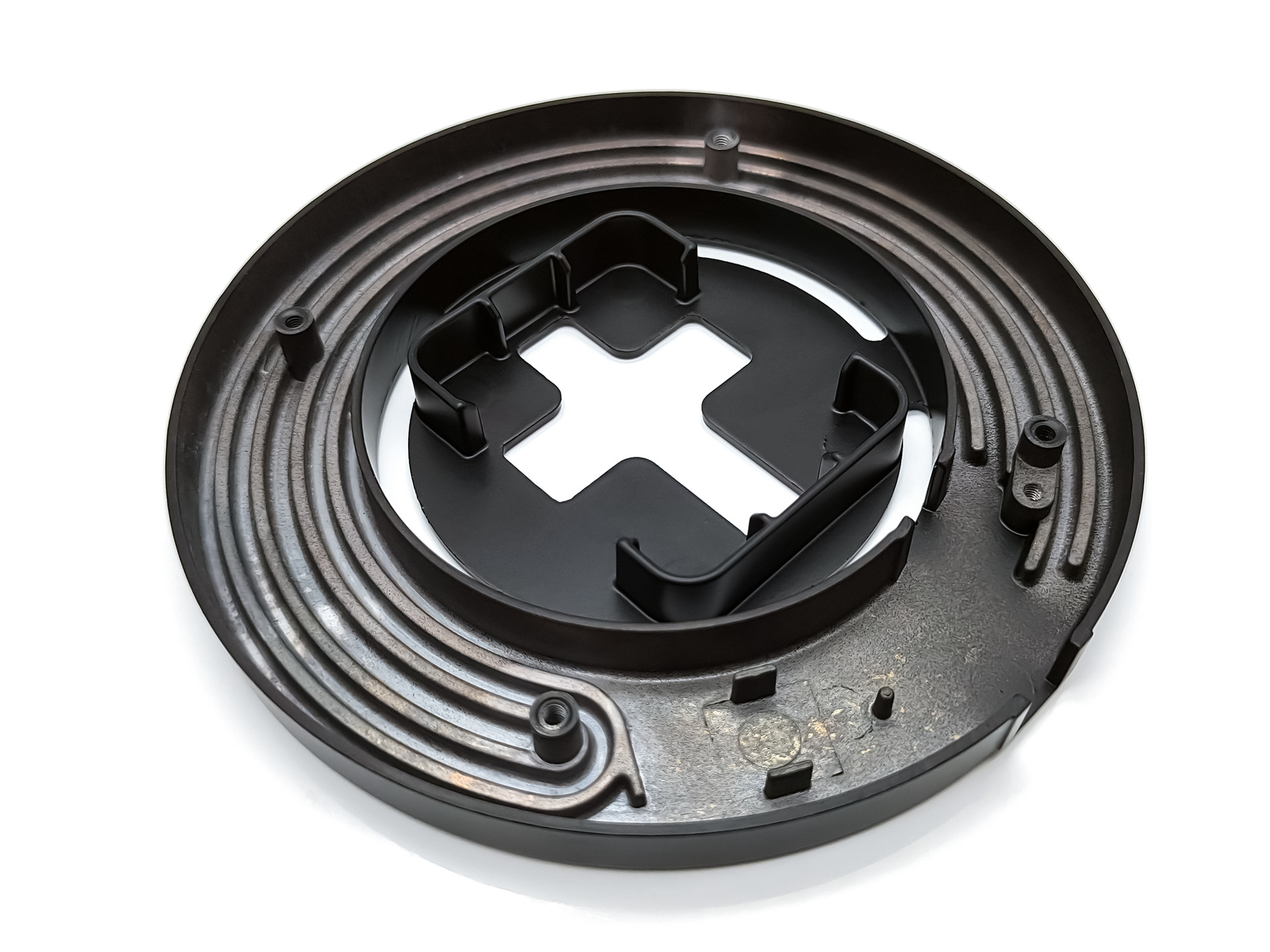
When project requirements exceed ADC10’s capabilities or demand a different performance balance, several alternative alloys are available. For slightly higher strength, pressure tightness, and broader global standardization, A380 is a close relative and one of the most specified aluminum die-casting alloys worldwide. If improved fluidity and corrosion resistance are prioritised for intricate or exposed components, A383 / ADC12 is often selected. Where superior pressure tightness or leak-free performance is critical, such as pump and hydraulic housings, A413 or similar alloys can be advantageous. For excellent ductility and heat-treatable performance in structural parts, alloys like A356 or EN AC-43500 (AlSi10Mg) are strong candidates. When fine detail, corrosion resistance, or luxury appearance take priority over weight, copper-based materials such as Brass 380 or broader copper-brass alloys may be recommended.
International Equivalent / Comparable Grade
Country/Region | Equivalent / Comparable Grade | Specific Commercial Brands | Notes |
Japan (JIS) | ADC10 | Multiple Japanese and Asian ADC10 ingot suppliers | Standard JIS Al–Si–Cu die-casting alloy, equivalent family to A380. |
USA (ASTM / AA) | A380 (AA380.0) | Common A380 ingots from North American foundries | Very close in composition and properties; widely used reference grade. |
Europe (EN) | EN AC-46000 (AlSi9Cu3) | EN AC-46000 from EU alloy producers | Al–Si–Cu alloy similar to A380 / ADC10 used for automotive and industrial castings. |
UK (BS) | LM24 | LM24 ingots and castings to BS 1490 | Traditional UK aluminum die-casting alloy with properties comparable to A380/ADC10. |
Germany (DIN / GD) | GD-AlSi9Cu3 | GD-AlSi9Cu3 castings to DIN EN 1706 | German Al–Si–Cu alloy closely matching A380 / ADC10 in chemistry and behavior. |
China (GB) | YLDc12 / AlSi9Cu3-type alloys | Domestic AlSi9Cu3 die-casting alloys from Chinese smelters | Chinese Al–Si–Cu die-casting alloys equivalent to A380 / ADC10 family. |
ISO | Al–Si8Cu3Fe (various) | ISO-compliant Al–Si–Cu casting alloys | Generic ISO designation representing the same Al–Si–Cu alloy group as A380 / ADC10. |
Design Purpose
ADC10 was developed to provide a robust, general-purpose aluminum die-casting alloy capable of producing lightweight, dimensionally stable, and cost-effective parts for high-volume programs. Its silicon content delivers excellent fluidity and a low hot-tearing tendency, enabling the production of thin-wall castings with intricate ribs, bosses, and fine details. Controlled levels of copper and other alloying elements enhance tensile and yield strength, allowing for the support of structural housings, brackets, and frames with reduced section thickness. The alloy is intended to work well in modern high-pressure metal casting cells, maintaining good pressure tightness and minimal porosity when process parameters and die design are optimized. In combination with Neway’s design and engineering support, ADC10 allows engineers to reduce part count, consolidate functions, and shorten product development cycles for electronics, automotive, and industrial equipment.
Chemical Composition
Element | Aluminum (Al) | Silicon (Si) | Copper (Cu) | Magnesium (Mg) | Zinc (Zn) | Iron (Fe) | Manganese (Mn) | Others (Ni, Pb, Sn, Ti, etc.) |
Composition (%) | Balance | 7.5–9.5 | 2.0–4.0 | ≤0.30 | ≤1.0 | ≤1.3 | ≤0.5 | Each typically ≤0.3; total limited to maintain casting quality |
Physical Properties
Property | Density | Melting / Solidification Range | Thermal Conductivity | Electrical Conductivity | Thermal Expansion |
Value | ~2.68–2.71 g/cm³ | ~538–593°C | ~90–110 W/m·K | ~23–30% IACS | ~21–23 µm/m·°C |
Mechanical Properties
Property | Tensile Strength | Yield Strength | Elongation | Hardness | Fatigue / Impact Behavior |
Value | ~210–260 MPa | ~120–170 MPa | ~3–6% | ~70–90 HB | Good fatigue resistance for general-purpose housings and structural parts |
Key Material Characteristics
Excellent castability and fluidity for high-pressure aluminum die casting of thin-wall, complex components.
Balanced strength-to-weight ratio suitable for structural housings, brackets, and heat-dissipating covers.
Good dimensional stability and low shrinkage, supporting tight tolerance control in high-volume production.
Moderate pressure tightness with proper process control, ideal for enclosures and semi-sealed components.
Good machinability for secondary post machining of precision functional features.
Compatible with a wide range of post processes, including deburring, surface texturing, and protective coatings.
Efficient heat transfer due to aluminum’s high thermal conductivity, useful for electronics and motor housings.
High corrosion resistance, further enhanced by powder coating, painting, or anodic finishes.
Anti-soldering behavior and stable die lubrication windows, helping extend tooling life and reduce downtime.
Well-suited to part consolidation strategies that replace multi-piece steel or plastic assemblies with a single casting.
Manufacturability And Post Process
High-pressure aluminum die casting: Primary process for ADC10, ideal for thin-wall, high-precision housings and frames.
Sand casting: Suitable for larger prototypes or low-volume structural components using similar Al–Si–Cu chemistry.
Rapid tooling / rapid prototyping: Allows early validation of ADC10 design concepts before investing in full production tooling.
Insert casting: Integrates steel shafts, threaded inserts, or copper elements into a single ADC10 casting to simplify assembling.
Post machining: Boring, milling, and tapping to achieve ±0.02–0.05 mm tolerances on critical faces and bores.
Drilling and thread formation: Suitable for tapped holes, self-tapping screw bosses, and precision mounting interfaces.
Tumbling and vibratory finishing: Efficient deburring and edge smoothing for cosmetic and safety-critical parts.
Integrated assemblies: Neway combines ADC10 castings with machined, stamped, or plastic parts in dedicated assembly cells.
Suitable Surface Treatment
Powder coating: Durable, impact-resistant film (typically 60–100 μm) with excellent corrosion protection for indoor and outdoor use.
Liquid painting: Fine control of color and texture for branded consumer products and high-visibility components.
Anodizing: Decorative and protective oxide layers, particularly effective on refined, well-controlled ADC10 surfaces.
Arc anodizing: Thicker, more robust coatings for industrial environments requiring abrasion and corrosion resistance.
Sand-blasting or bead blasting: Produces uniform matte textures, hides minor surface imperfections, and prepares parts for coating.
Electrophoretic coating (E-coating): Thin, uniform protective layer ideal for complex geometries and internal cavities.
Common Industries and Applications
Consumer electronics: Housings, heat sinks, and frames similar to projects like Huawei aluminum shell covers and Apple earphone hinges.
Computer and GPU hardware: Structural frames and brackets as in Nvidia GPU frames and Gigabyte GPU frame projects.
Automotive components: Lightweight housings and brackets in systems similar to BYD custom automotive die castings.
Power tools and industrial hardware: Structural covers, supports, and precision holders comparable to Bosch power tool hardware.
Personal care and home appliances: High-quality cosmetic shells similar to Philips shaver housings, using ADC10 where weight and thermal behavior are critical.
General industrial equipment: Control housings, actuator brackets, and machinery components requiring stable dimensions and good corrosion resistance.
When to Choose This Material
Thin-wall, complex designs: When fine ribs, bosses, and integrated features demand excellent fluidity and low hot tearing.
Balanced strength and weight: For housings and supports where robust mechanical properties and light weight are both important.
High-volume production: Ideal for programs leveraging Neway’s mass production capabilities with tight process control.
Integrated engineering support: Projects that benefit from cooperative design, engineering, and prototyping to refine ADC10 part geometry.
Cost-sensitive yet performance-driven: When budget constraints are significant but mechanical strength and surface quality cannot be compromised.
Thermal management needs: For enclosures and frames that must dissipate heat from electronics, motors, or power modules.
End-to-end manufacturing: Ideal for customers using Neway’s one-stop service from casting material selection through finishing and assembly.
Global equivalence requirements: When a design must be manufacturable across multiple regions using A380, EN AC-46000, LM24 or similar equivalents.
Explore Related Blogs