EN AC-47100
Material Introduction
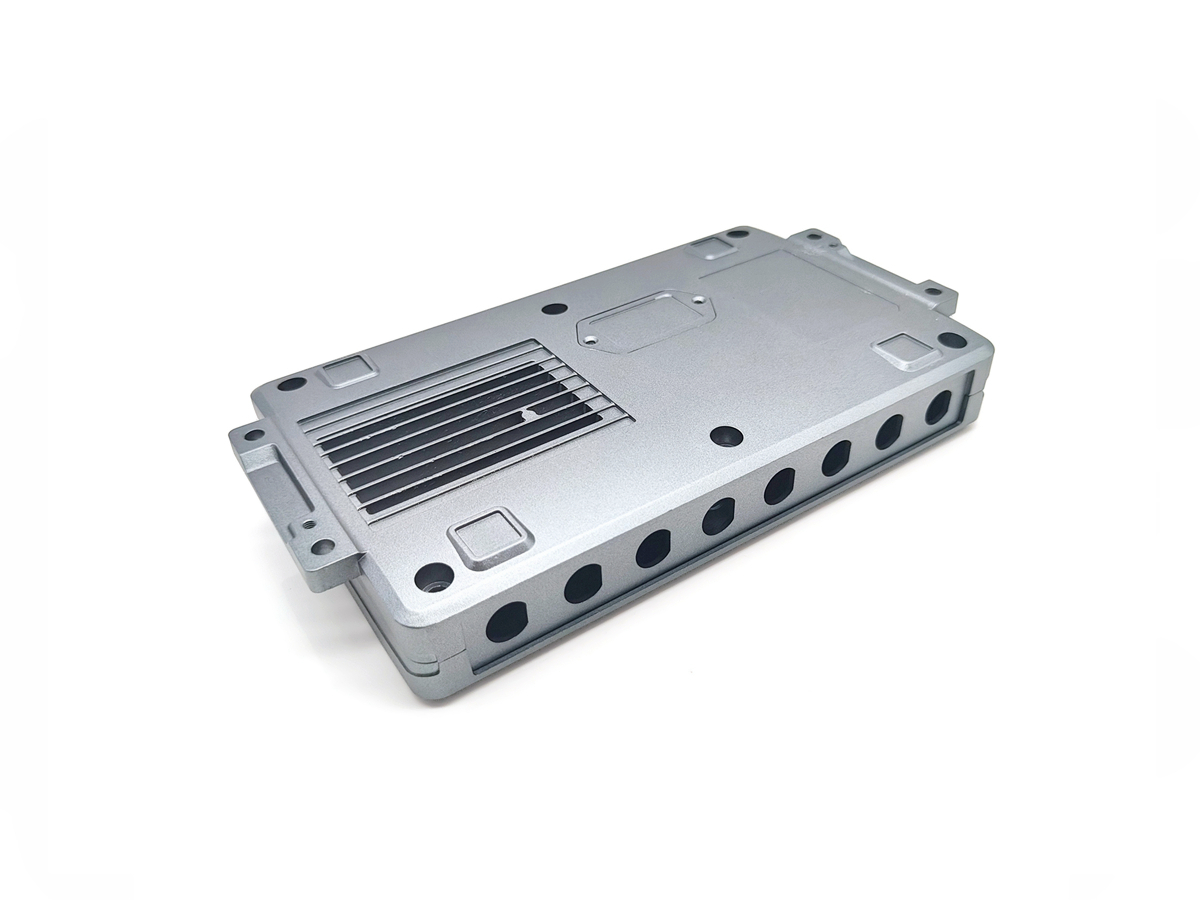
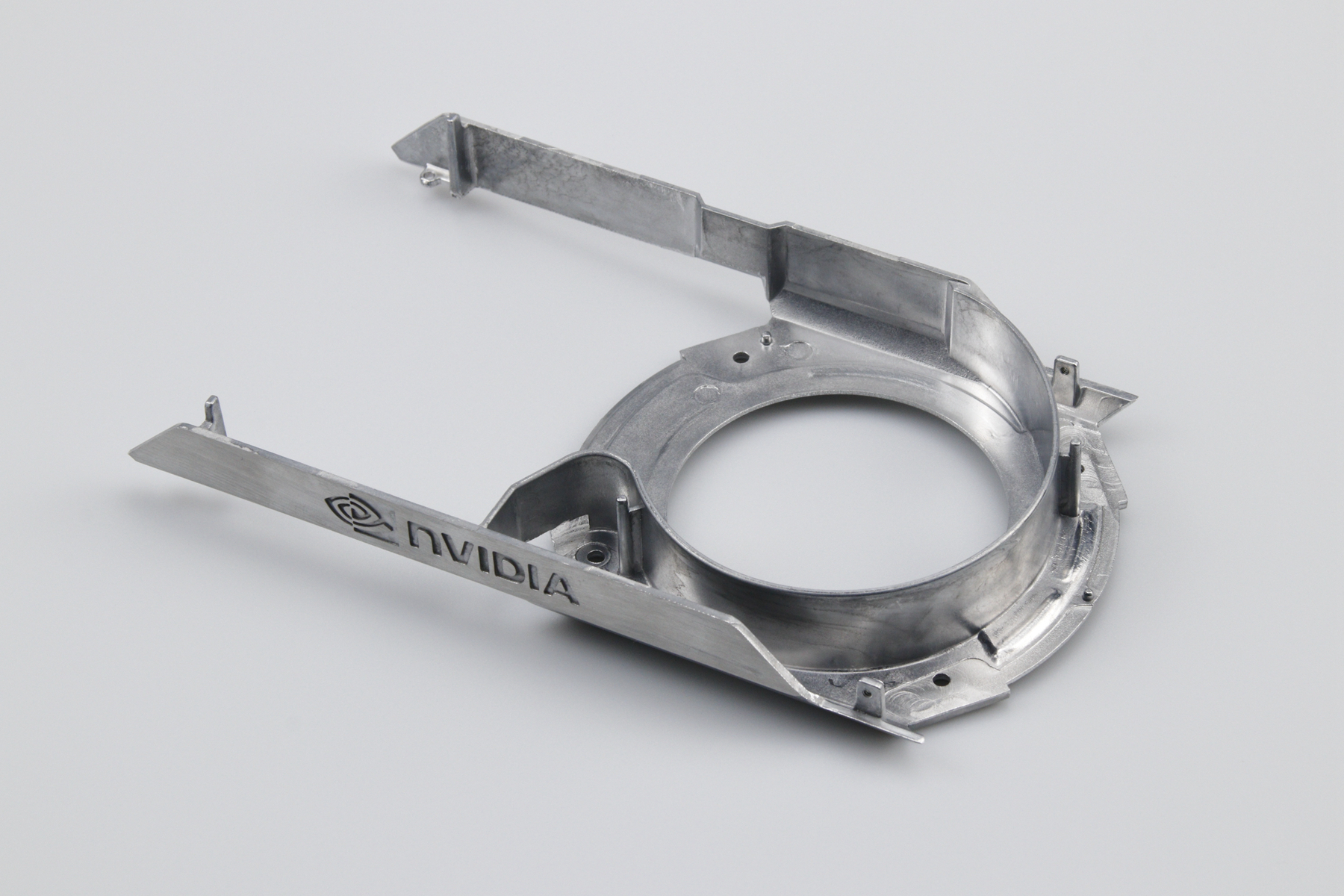
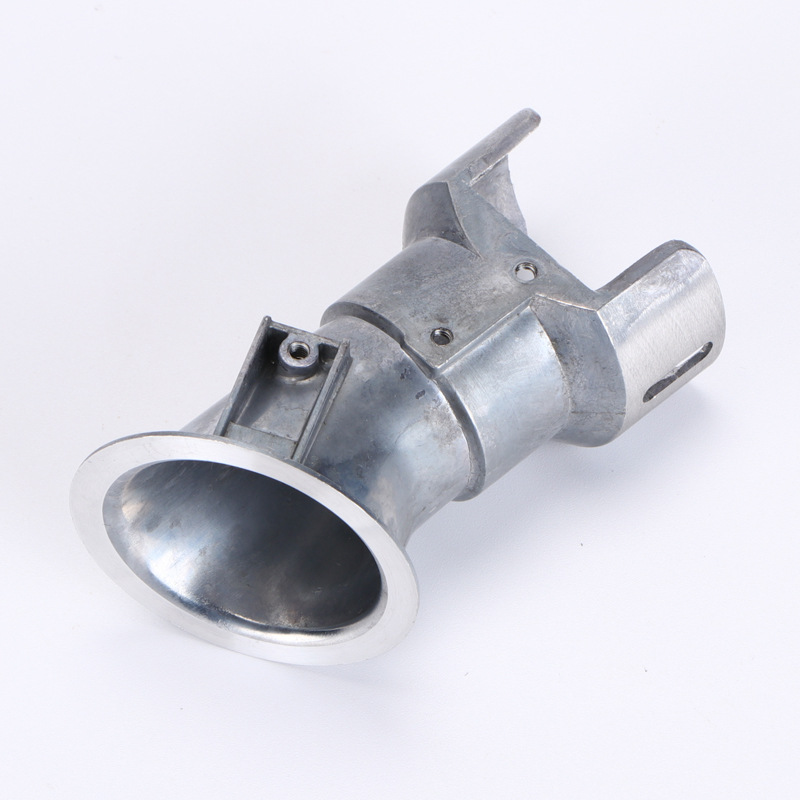
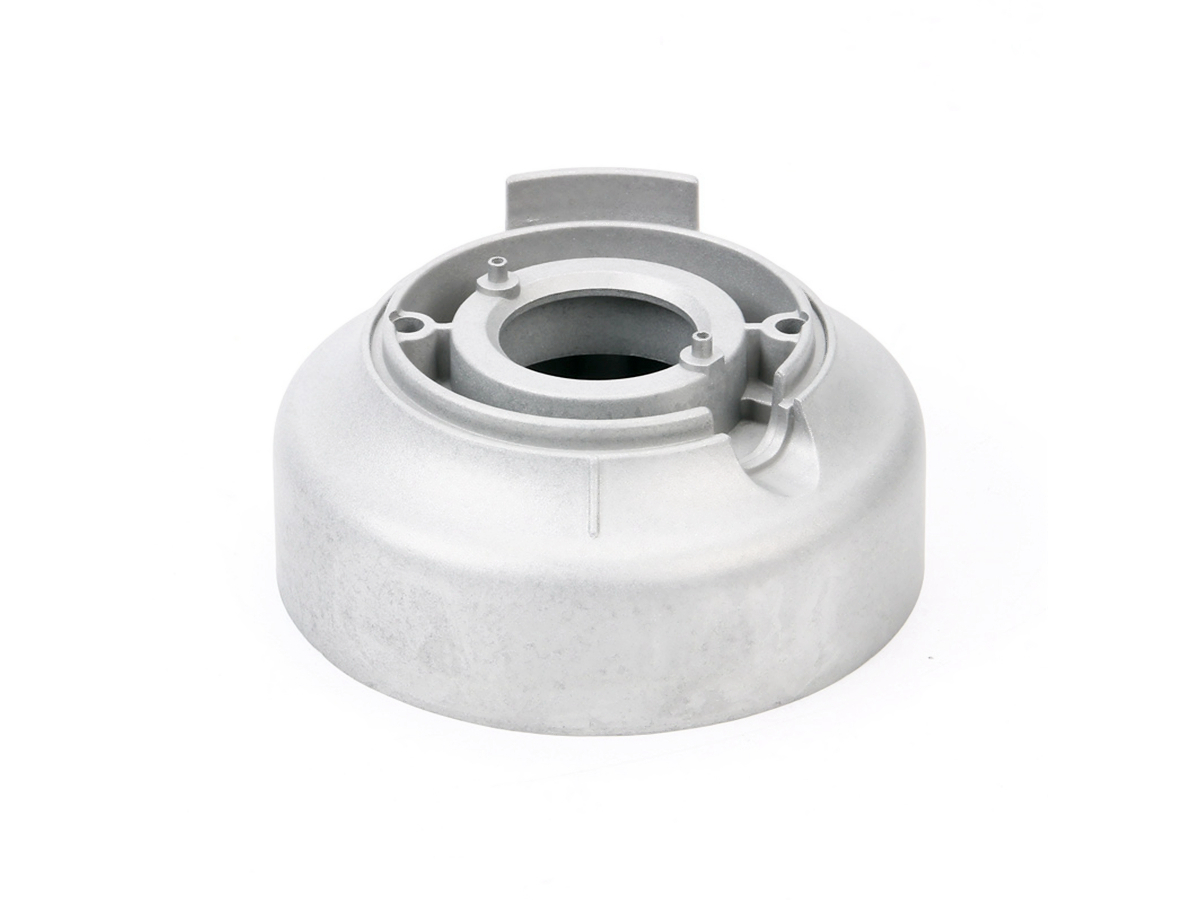
EN AC-47100 is a high-silicon aluminum casting alloy engineered for exceptional fluidity, excellent surface quality, and strong corrosion resistance. With a silicon content typically ranging from 11% to 13%, the alloy delivers outstanding die-fill capability, making it ideal for thin-wall, detail-rich aluminum die-casting applications. EN AC-47100 is widely used in lighting systems, decorative housings, pneumatic components, and structural parts that require consistent dimensional behavior and good cast surface appearance. Its low copper content enhances environmental and chemical resistance, while controlled levels of iron and magnesium help maintain stable shrinkage and minimize porosity. Supported by Neway’s advanced tool and die engineering and tightly regulated thermal process control, EN AC-47100 provides highly repeatable, cost-efficient production for both medium- and large-scale manufacturing.
Alternative Material Options
For stronger mechanical performance or powertrain-level heat resistance, EN AC-46000 (AlSi9Cu3) is a preferred alternative. For improved ductility and fatigue performance in load-bearing applications, EN AC-43500 (AlSi10Mg) is often the preferred choice. When extreme surface hardness or wear resistance is necessary, A390 provides superior performance. If balancing cost efficiency with versatility is crucial, A380 and A383/ADC12 remain dependable general-use alloys. When aesthetic finishes or high electrical/thermal conductivity are prioritized, copper-based materials such as copper-brass alloys or Brass 380 may be ideal.
International Equivalent / Comparable Grade
Country/Region | Equivalent / Comparable Grade | Specific Commercial Brands | Notes |
Europe (EN) | EN AC-47100 | Hydro EN AC-47100, Handtmann 47100 | Standard alloy for thin-wall pressure die casting. |
Germany (DIN) | GD-AlSi12(Cu) / 3.2582 | TRIMET AlSi12Cu | Fluidity-focused alloy often used for detailed shapes. |
USA (AA) | A413.0 (Cu-modified variants) | Kaiser A413, Belmont A413 | Known for superior cast surface finish and leak-tightness. |
Japan (JIS) | AC4B | UACJ AC4B, Daiki AC4B | Used for lighting bodies and decorative housings. |
China (GB/T) | ZL113 (Si-rich class) | Chalco ZL113, Nanshan ZL113 variants | Close match for high-fluidity applications. |
Design Purpose
EN AC-47100 was developed to address the need for extremely fluid and stable aluminum alloys capable of filling long-flow channels, deep ribs, and thin-wall geometries without cold shuts or misruns. Its high silicon content ensures excellent castability and superior surface quality, making it ideal for decorative or visible components. With minimal copper content, the alloy also emphasizes corrosion resistance, making it suitable for outdoor lighting housings, marine-adjacent applications, and components subjected to moisture or chemical exposure. The alloy’s controlled solidification profile supports consistent dimensional accuracy, while its fine eutectic structure helps improve machinability and reduce micro-porosity.
Chemical Composition
Element | Silicon (Si) | Magnesium (Mg) | Iron (Fe) | Copper (Cu) | Manganese (Mn) | Zinc (Zn) | Titanium (Ti) | Aluminum (Al) |
Composition (%) | 11.0–13.0 | ≤0.30 | ≤0.60 | ≤0.25 | ≤0.55 | ≤0.10 | ≤0.20 | Balance |
Physical Properties
Property | Density | Melting Range | Thermal Conductivity | Electrical Conductivity | Thermal Expansion |
Value | ~2.66–2.68 g/cm³ | ~555–630 °C | ~135–150 W/m·K | ~30–34% IACS | ~20–22 µm/m·°C |
Mechanical Properties
Property | Tensile Strength | Yield Strength | Elongation | Hardness | Fatigue Strength |
Value (as-cast) | ~190–230 MPa | ~90–120 MPa | ~1–3% | ~85–100 HB | ~70–90 MPa |
Key Material Characteristics
Outstanding fluidity for complex and thin-wall die castings.
Excellent surface finish suitable for decorative parts.
High corrosion resistance due to low copper content.
Predictable solidification and shrinkage behavior.
Good machinability for functional sealing or mounting areas.
Stable performance in moderate thermal environments.
Low porosity when properly processed in vacuum-assisted systems.
Reliable repeatability for high-volume production.
Manufacturability And Post Process
High-Pressure Die Casting (HPDC): EN AC-47100 is highly suitable for HPDC, particularly for long-flow paths, decorative exterior components, and thin-walled housings. Neway’s optimized intensification pressures and gating systems prevent cold shuts and ensure complete filling.
Vacuum-assisted HPDC: Best for lighting housings, pneumatic blocks, and enclosures that must achieve low porosity and consistent surface quality.
CNC machining for precision surfaces: EN AC-47100 machines cleanly due to its fine Si-rich matrix. Critical interfaces are finished through post-machining for ±0.02–0.05 mm tolerances.
Bore finishing and thread machining: Produces clean, stable threads and smooth internal bores for connectors and structural mounting systems.
Vibratory finishing and tumbling: Components are processed through tumbling to remove flash and achieve smooth cosmetic surfaces.
Inspection for decorative and sealing quality: As a surface-critical alloy, Neway employs CMM verification, surface mapping, and leak testing using in-house inspection equipment.
Suitable Surface Treatment
Anodizing: The alloy’s low copper content supports consistent anodizing results, ideal for lighting housings and consumer-facing surfaces.
Powder coating: Powder coating enhances impact resistance and provides a uniform, high-durability finish.
Liquid painting: Painting allows precise color matching for decorative or functional covers.
Conversion coatings: Chromate or Cr-free treatments improve corrosion resistance and coating adhesion for electronics enclosures.
Sand- or bead-blasting: Pre-treatment using sand-blasting ensures a uniform matte surface ideal for cosmetic finishing.
Laser marking: Produces durable, high-contrast identification without damaging surface finish.
Common Industries and Applications
Decorative and structural lighting housings.
Pneumatic and HVAC system components.
Thin-wall mechanical enclosures and covers.
Consumer electronics housings.
Automotive trim and interior hardware.
General-purpose engineering components requiring excellent surface finish.
When to Choose This Material
When superior fluidity is needed for thin-wall complex castings.
When excellent as-cast surface finish is a priority.
When corrosion resistance is essential for outdoor or humid environments.
For components requiring stable dimensional behavior during thermal cycling.
When machining accuracy is required on sealing faces or alignment features.
For mass production requiring consistent quality and repeatability.
When anodizing or decorative finishing is desired.
Explore Related Blogs