How Should Buyers Choose Castable Aluminum Alloys for Machining and Finishing?
How Should Buyers Choose Castable Aluminum Alloys for Machining and Finishing?
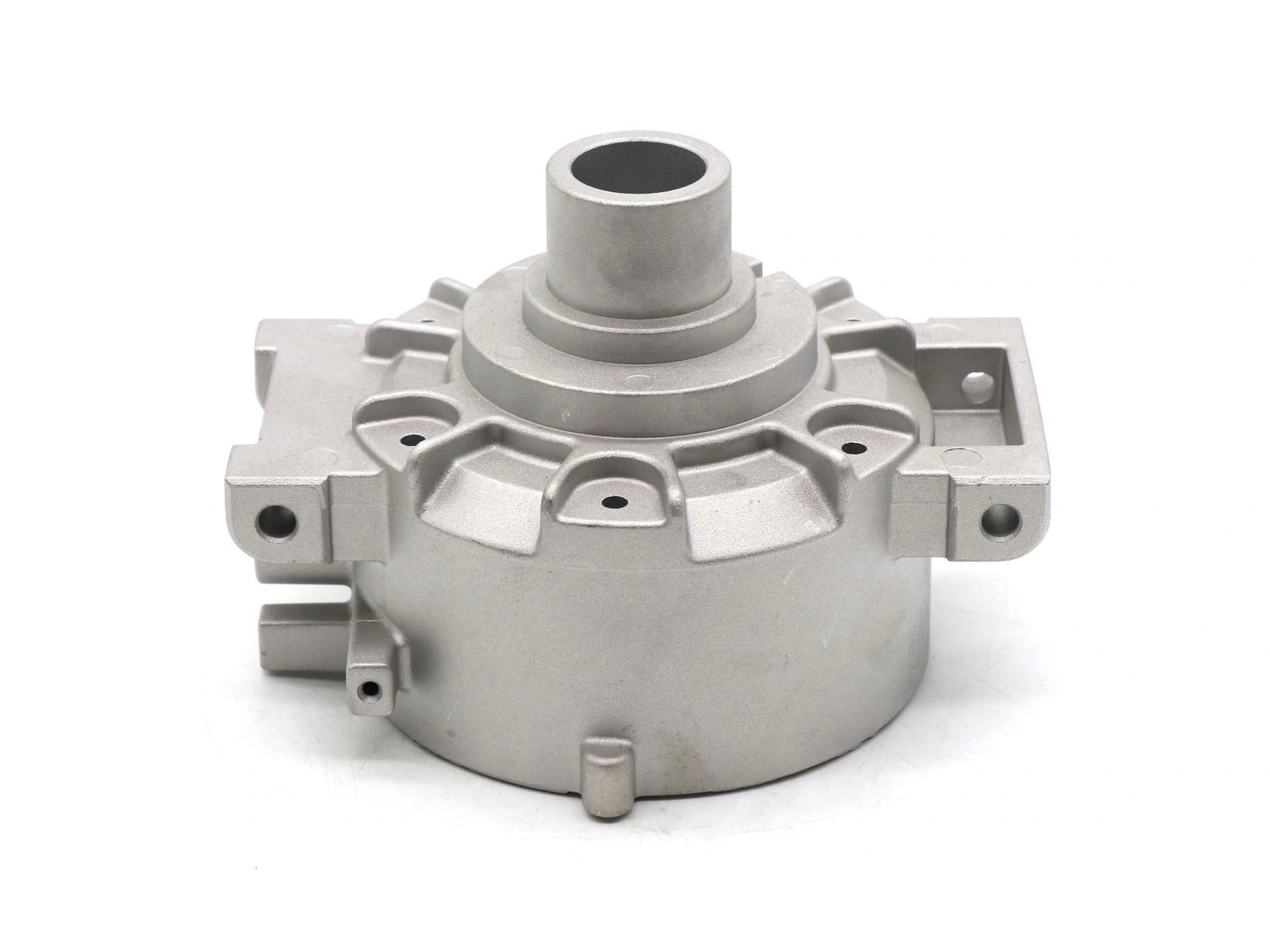
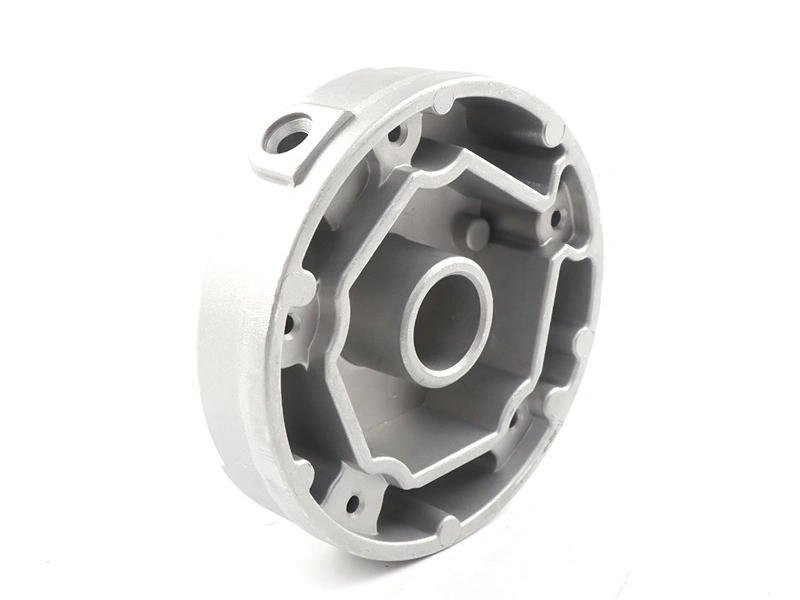
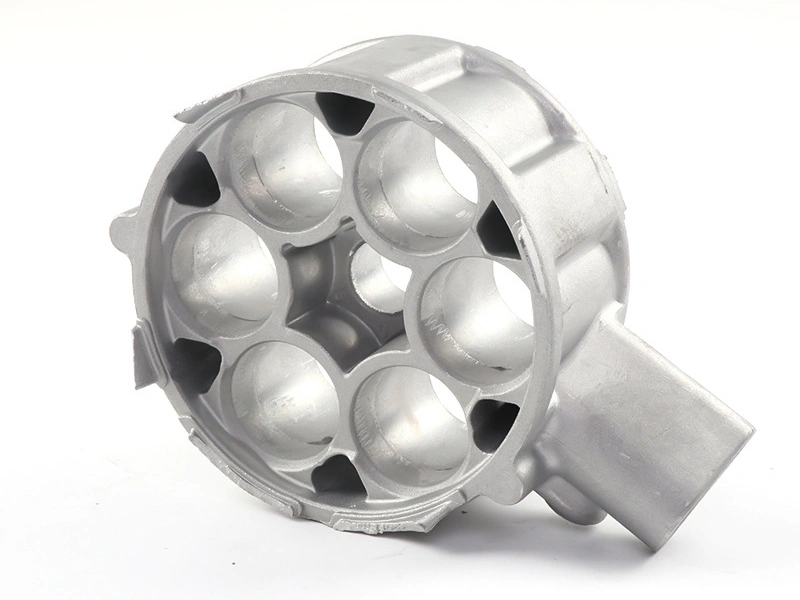
Buyers should choose castable aluminum alloys for machining and finishing by identifying which features will be machined, which surfaces are cosmetic, which finish is required and whether the alloy and casting route can support those operations. A castable alloy must do more than fill a mold. It must also become a usable finished part after CNC machining, deburring, coating, inspection and assembly.
Machining and finishing requirements can change the alloy and process decision. A part with threaded holes, bearing bores or sealing faces needs machining allowance and porosity control. A part with visible powder coating needs surface defect standards. A part requiring decorative anodizing may not be a good fit for many high-silicon die casting alloys.
Buyers should define the finished condition before approving the alloy. A raw casting sample does not prove thread quality, flatness after machining or coating appearance.
For machining and finishing review, buyers can compare alloy selection effects on machined features and assembly fit and surface finish compatibility for aluminum alloy die cast parts.
Machining and Finishing Decision Table
Finished-Part Need | Alloy/Process Concern | Buyer Should Confirm |
|---|---|---|
Threaded holes | Burrs, pore exposure and tapping stability | Thread gauge after machining and finish |
Sealing face | Porosity exposed during machining | Machining allowance and leak test if needed |
Cosmetic surface | Pores, flow marks and parting line | Visible zone standard and finish sample |
Powder coating | Outgassing, masking and coating thickness | Finished sample and fit checks |
Anodizing | Alloy chemistry and color variation | Functional or appearance target |
Machining Allowance
Machining allowance should be planned before tooling or pattern work. If the casting leaves too little material, machined faces may not clean up. If too much material is left everywhere, cost rises and cycle time increases. The best approach is to identify functional faces, holes, bores and datums that truly need machining.
For aluminum die cast parts, machining may expose porosity near sealing faces or threaded holes. The supplier should know these critical areas during casting review so gate, venting and machining plans can be aligned.
Surface Finishing
Painting and powder coating can provide strong appearance and protection for many cast aluminum parts. The buyer should define color, gloss, coating thickness, masking areas and acceptable defects. The finish sample should be made from actual castings because cast surfaces differ from flat coupons.
Anodizing should be reviewed carefully. Many die casting alloys do not produce the same decorative anodized appearance as wrought aluminum. If anodizing is required, the buyer should state whether the goal is functional protection, wear resistance or cosmetic appearance.
Approval Before Production
Finished samples should include machining and finishing when those operations matter. Buyers should inspect threads, sealing faces, coating, cosmetic surfaces and assembly fit in the final condition. The approved sample should be retained for repeat batches.
Neway can connect castable aluminum alloy selection with CNC machining, anodizing, powder coating and inspection planning. This helps buyers avoid selecting an alloy that casts well but fails after secondary operations.
Machining Risk by Feature
Different features create different machining risks. Threaded holes need clean tapping and gauge fit. Bearing bores need roundness and surface finish. Sealing faces need flatness and low pore exposure. Datum pads need repeatable location. Buyers should mark these features instead of applying tight tolerances to every surface.
If the casting route cannot support a machined feature reliably, the supplier may recommend more stock, a geometry change, a different alloy or a different process. This review should happen before tooling because changing machining allowance later can be expensive.
Finish Risk by Alloy Route
Finish risk changes by alloy and casting route. Die cast A380 or ADC12 may be practical for powder coating or painting, but may not deliver a premium decorative anodized look. A sand cast A356-T6 part may support different finishing expectations but may require more surface preparation. The buyer should state whether the finish is cosmetic, protective or functional.
Finished samples should be reviewed under agreed lighting and handling conditions. For visible products, packaging should also be tested because coated cast aluminum can scratch during shipment.
Production Release
After machining and finishing are approved, the buyer should keep the approved sample, machining report, finish sample and inspection checklist. These records help future batches match the approved condition and prevent disputes about surface defects or fit.
Quote Scope for Secondary Operations
The quote should state which machining and finishing operations are included. Threads, bores, sealing faces, coating, masking, visual inspection and packaging should not be assumed. A castable aluminum alloy may be easy to pour or inject, but the commercial part is not complete until the secondary operations are priced and validated.
Buyers comparing suppliers should ask whether finished samples will include the same machining and finish as production. This avoids approving an alloy route that later fails because secondary operations were not tested.
The sample should match the delivery condition.
Otherwise the buyer may approve a material route that has never passed final finishing.