What Information Is Needed to Quote Castable Aluminum Alloys?
What Information Is Needed to Quote Castable Aluminum Alloys?
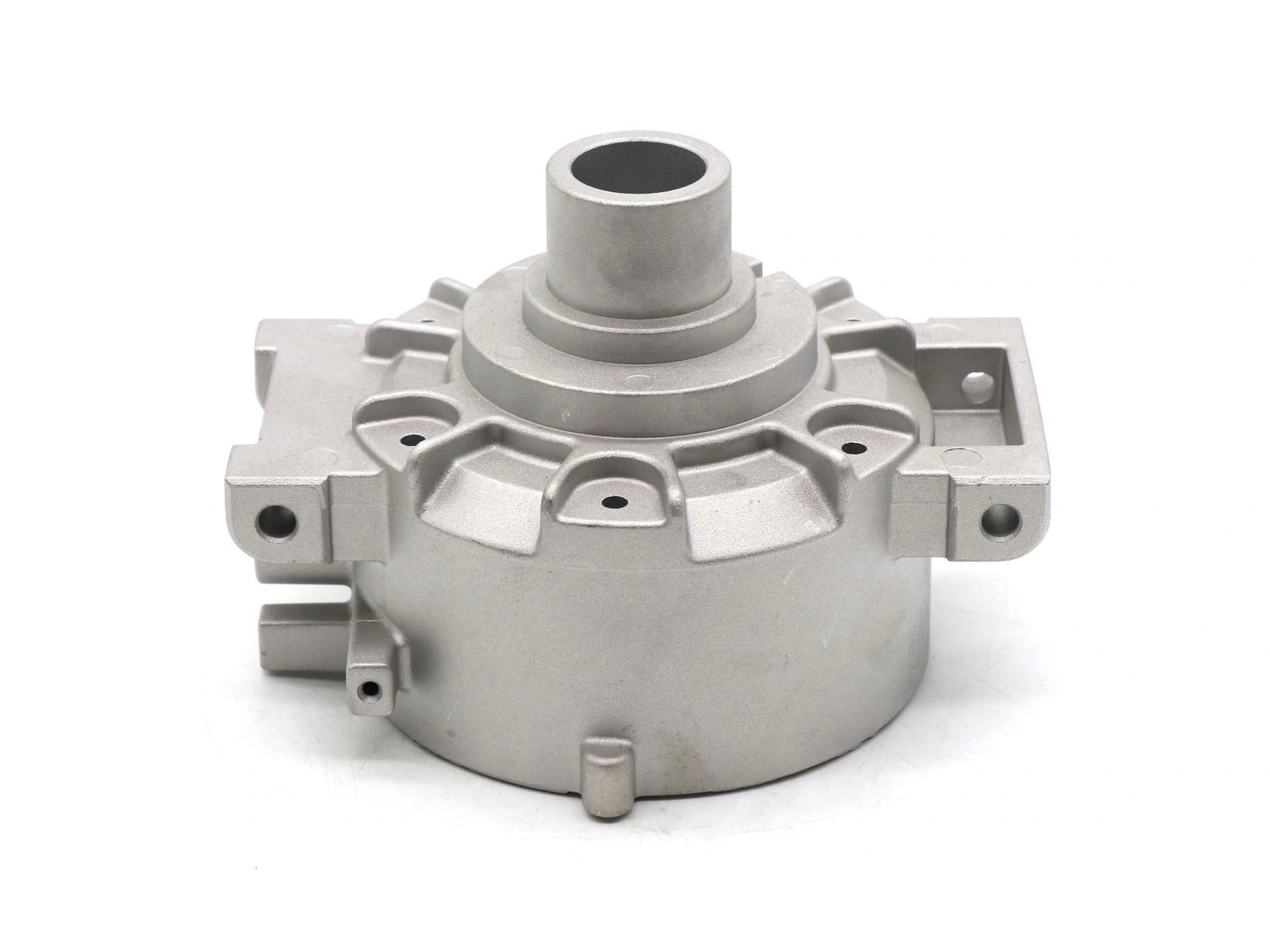
To quote castable aluminum alloys correctly, buyers should provide the 3D model, 2D drawing, preferred alloy or property goal, intended casting method if known, quantity, annual volume, part function, application environment, machined features, surface finish, heat treatment requirements, critical dimensions and inspection needs. The supplier needs this information to recommend A380, ADC12, A413, A356-T6 or another suitable alloy direction.
If the buyer does not know which alloy to choose, the RFQ should state the required performance instead: strength, corrosion resistance, pressure tightness, heat treatment, thin-wall filling, cosmetic finish or machining stability. A supplier can then recommend a castable aluminum alloy and process route based on the part.
RFQ clarity is important because alloy names alone can mislead. A356-T6, A380 and ADC12 may all be aluminum casting materials, but they fit different routes and risks. The quote should show the alloy, casting method and finished-part scope together.
For RFQ preparation, buyers can review aluminum grade selection for casting and matching aluminum alloy die casting to product function.
RFQ Checklist for Castable Aluminum Alloys
RFQ Item | What to Provide | Why It Matters |
|---|---|---|
Part files | 3D model and 2D drawing | Shows geometry, tolerances and critical features |
Alloy target | A380, ADC12, A413, A356-T6 or open recommendation | Sets material direction |
Casting method | Die casting, sand casting, gravity casting or unknown | Controls alloy feasibility |
Function | Load, sealing, heat, cosmetic or mounting requirement | Defines property priorities |
Machining | Threads, bores, faces and datums | Controls allowance and inspection |
Finish | Powder coating, painting, anodizing or raw | Controls surface compatibility |
Questions to Ask the Supplier
Buyers should ask why the supplier recommends a specific alloy, which casting method fits, what risks remain, what machining allowance is needed and how finish compatibility will be validated. If an equivalent alloy is proposed, the supplier should explain how it affects properties, cost and surface finish.
For pressure or sealing parts, buyers should ask how porosity will be controlled and tested. For structural parts, they should ask about heat treatment, inspection and critical load features. For cosmetic parts, they should ask for finish sample approval.
Quote Comparison
Quotes should be compared by alloy, casting method, tooling level, machining scope, finish and inspection evidence. A quote for A380 die casting is not the same as a quote for A356-T6 sand casting. A raw casting quote is not the same as a machined and coated part quote.
Neway can review castable aluminum alloy RFQs through aluminum die casting, casting method review, machining and finishing support. A clear RFQ helps the buyer choose a material route that can actually make the finished part.
What to Avoid in the RFQ
Buyers should avoid asking for a castable aluminum alloy without explaining the part function. A supplier cannot recommend the right route from the alloy word alone. The RFQ should avoid vague instructions such as "use strong aluminum" or "best casting alloy" without stating load, environment, finish, quantity and machining needs.
Buyers should also avoid mixing process expectations. If the part is expected to be high pressure die cast, A356-T6 may not be the right default direction. If the part needs heat-treated structural performance, a standard die casting alloy may not fit. The RFQ should state the intended route or ask the supplier to compare routes.
Records After Material Approval
After the alloy and route are approved, buyers should keep the material standard, allowed equivalents, casting method, heat treatment if required, machining notes, finish sample and inspection plan. These records should follow future orders. If a supplier proposes an equivalent alloy or process change, the buyer can review it against the approved record.
This documentation is useful for purchasing and quality teams because it prevents material decisions from becoming informal memory. It also helps suppliers maintain consistency when the same part is reordered months later.
Supplier Recommendation Format
A strong supplier recommendation should name the proposed alloy, casting method, reason for selection, key risks, sample validation plan and inspection method. It should also state what alternatives were rejected. This gives the buyer enough information to approve the route confidently.
Sample Validation Request
The RFQ should request samples that prove the selected material route. If the alloy is chosen for thin-wall filling, the sample should show those ribs and edges. If the alloy is chosen for pressure tightness, the sample should include machined sealing faces and the agreed leak check. If the alloy is chosen for structural strength, the sample should show heat treatment and critical dimensions.
Buyers should also ask which reports will be provided with samples. Useful reports may include material record, dimensional inspection, finish review, heat treatment note or pressure test result. The right report depends on why the alloy was chosen.
Commercial Release Note
After sample approval, the buyer should issue or request a release note that locks alloy, casting method, finish and inspection. This document protects future orders from silent changes in material or route.
It also helps quality teams compare future batches.