What lead times are typical for tool development and pilot production?
There is no defensible typical lead time for medical die-casting tool development and pilot production before the part and device evidence scope are reviewed. The schedule includes controlled design and risk inputs, supplier and sub-tier qualification, DFM decisions, tool design/procurement/fabrication, trials and corrections, machining/cleaning/finish development, gauges and test fixtures, production-intent device builds, reprocessing or endurance cycles, biological/chemical work where needed, documentation, approvals, capacity, packaging, and logistics. Ask for a dependency-based schedule with assumptions, owners, evidence gates, and change rules.
Close inputs before starting the clock
Provide controlled CAD/drawings and revision, intended casting role, markets, patient/user contact, risk-linked characteristics, use/abuse, cleaning/disinfection/sterilization, alloy and substance restrictions, complete finish, cleanliness, critical zones, dimensions and measurement state, demand/variants, pilot goals, tests, documentation, traceability, packaging, ship-to, and approval owners.
Open decisions should be visible in the baseline. A late change to contact classification, cleaner, coating formulation, gasket, display, connector, tolerance, cavity count, traceability, or test method can reset tool, sample, reprocessing, biological, and regulatory evidence. Do not hide customer approval time outside the supplier schedule.
Separate tooling, pilot, and release
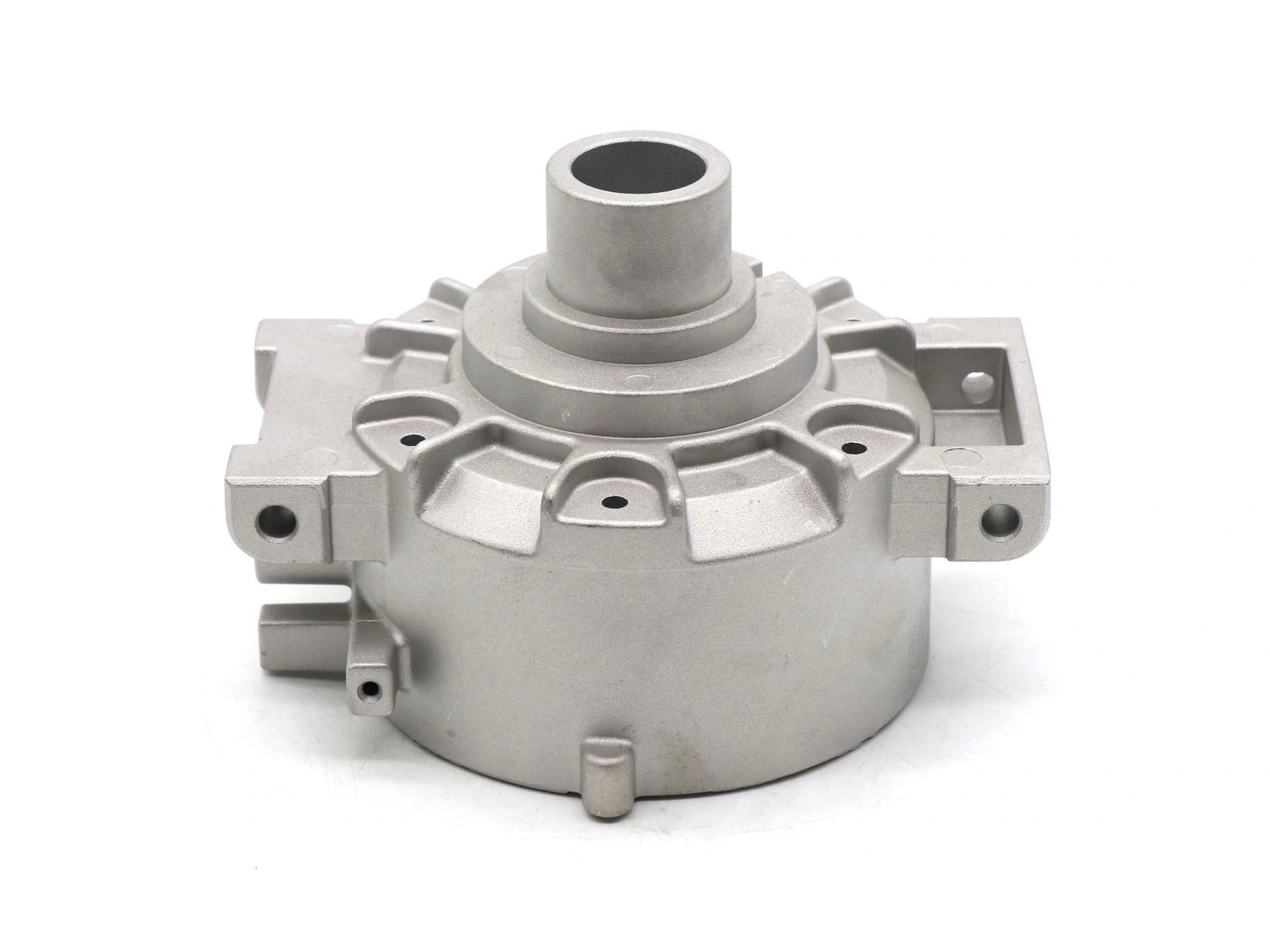
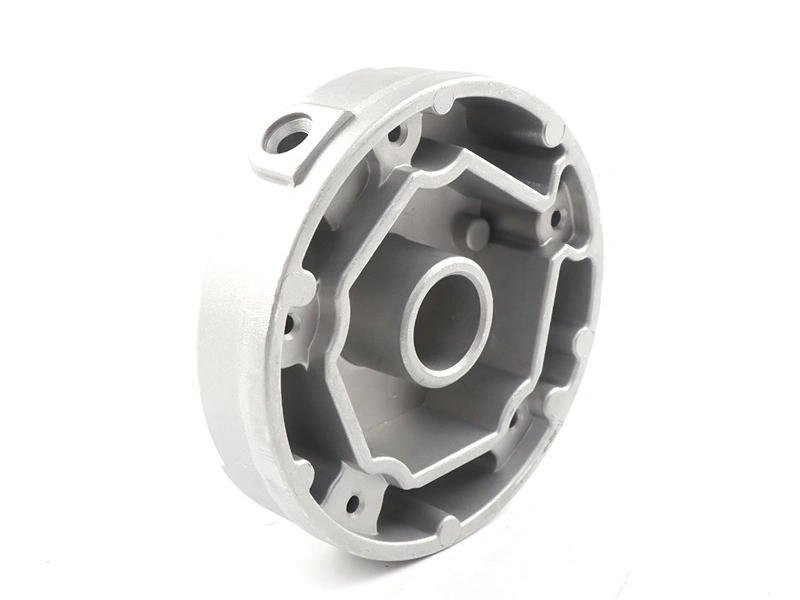
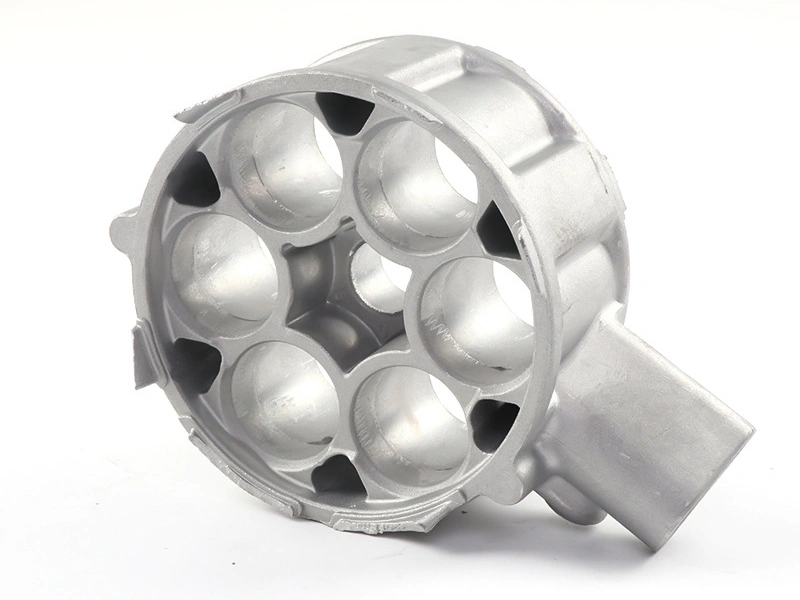
Tool development covers parting, cavities, slides, inserts, cooling, vents/vacuum provisions, runners/gates/overflows, ejection, trim, fixtures, gauges, spares, design approval, material, fabrication, heat treatment where used, assembly, and tool checks. First trial identifies fill, discontinuity risk, distortion, flash, ejection, cavity balance, stock cleanup, surface signature, and measurement problems.
T1 or first metal is not pilot release. Corrections may change gates/vents, cooling, inserts, dimensions, machining stock, trim, or surface. Final-state samples must pass agreed dimensional, structural, cleanability, finish, electrical/thermal/EMI/ingress, reprocessing, and assembly evidence before a pilot can answer production questions.
Build a medical pilot critical path
Gate | Common critical dependency | Closure evidence |
|---|---|---|
Supplier/DFM readiness | Quality agreement, sub-tiers, risk inputs and unresolved design | Approved responsibilities and DFM exceptions |
Tooling/trial | Tool architecture, procurement, fabrication, process balance and correction | Updated tool/process record and conforming casting samples |
Final secondary state | Machining, cleaning, surface formulation, cure, masks, residues and gauges | Controlled final parts with traceable records |
Device validation build | Mating parts, electronics/software, fixtures, reprocessing and long tests | Authorized results against defined configuration |
Pilot/process release | Cavities, stable window, operators, sampling, capacity, deviations and documents | Approved production controls and disposition |
Shipment/receiving | Cleanliness, packaging, labels, logistics, customs and receiving release | Accepted traceable shipment |
Define what the pilot must learn
A pilot quantity should come from evidence needs, not a generic lot size. Include production-intent material/source, equipment, tool and cavities, process states, machining, cleaning, finish sub-tier, operators, inspection, rework, packaging, and records. Sample startup, normal cycles, restarts or extremes where they matter. Document hand work or temporary controls that will not exist in serial production.
Build quantity from destructive tests, repeated reprocessing, device variants, cavities, process extremes, measurement studies, retained samples, shipping trials, failures and reruns. Add attrition explicitly. A small pilot can be correct for a low-risk cover; a risk-relevant multifunction housing may need enough units to populate several long tests without reusing unsuitable samples.
Use pilot castings in the relevant device builds. Depending on role, assess assembly, drop/vibration/load, electrical safety, EMI/RF, thermal, ingress, cleaning/disinfection/sterilization cycles, surface/particle/residue, biological/chemical evaluation, usability, service, and packaging. Long-duration cycles or external laboratory queues may govern the date after parts are available.
Reserve time for failed-test investigation and authorized correction. Determine whether a failure came from design, casting zone, machining, coating, assembly, test fixture, device software, reprocessing, or sample configuration. Contain affected parts and decide which prior results remain valid. A corrected sample does not automatically release untouched cavities or process states.
Protect documentation and approval time
Prepare material and substance records, tool/cavity trace, process validation/qualification, inspection/test reports, deviations, cleaning/finish batches, gauge studies, sample configuration, risk-input evidence, and release package as work occurs. Retrospective document reconstruction creates delay and weak traceability.
Name approvers for DFM, tool design, sample dimensions, appearance, deviations, test protocols/reports, biological evaluation inputs, pilot, process release, and shipment. Set response windows and escalation. Every approval should identify part/tool/device revision and exceptions so a result cannot silently release a different configuration.
Define the release baseline: approved tool and cavities, material/source, process window, machining/cleaning/finish routes, gauges, sampling, validated processes, device configuration, packaging, records, open deviations, and capacity evidence. Pilot completion means that agreed questions were closed or formally accepted, not merely that parts were shipped.
Quote readiness, not an optimistic date
Pilot capacity still needs casting, trim, machining, finish, cleaning, inspection, device assembly, test, and packaging slots. Confirm materials, sub-tier queues, fixtures, chamber/lab capacity, spare inserts, process maintenance, logistics, and contingency. An early hand-selected lot does not prove repeatability.
The RFQ should request dated gates for input/DFM, supplier qualification, tooling, trials, corrections, final-state samples, device tests, reprocessing or biological work, documentation, pilot, capacity, approvals, and logistics. Compare suppliers on scope clarity, evidence planning, correction handling, sub-tier control, and status transparency. The shortest promised tool date is rarely the same as the earliest defensible medical pilot release.