What Makes an Aluminum Alloy Castable?
What Makes an Aluminum Alloy Castable?
An aluminum alloy is castable when it can fill the mold or die, solidify with manageable shrinkage, avoid severe hot tearing, produce acceptable surface quality and meet the finished part's strength, machining and finishing requirements. Castability is a manufacturing behavior, not just a material name. It depends on alloy chemistry, part geometry, casting process, tooling and inspection standards.
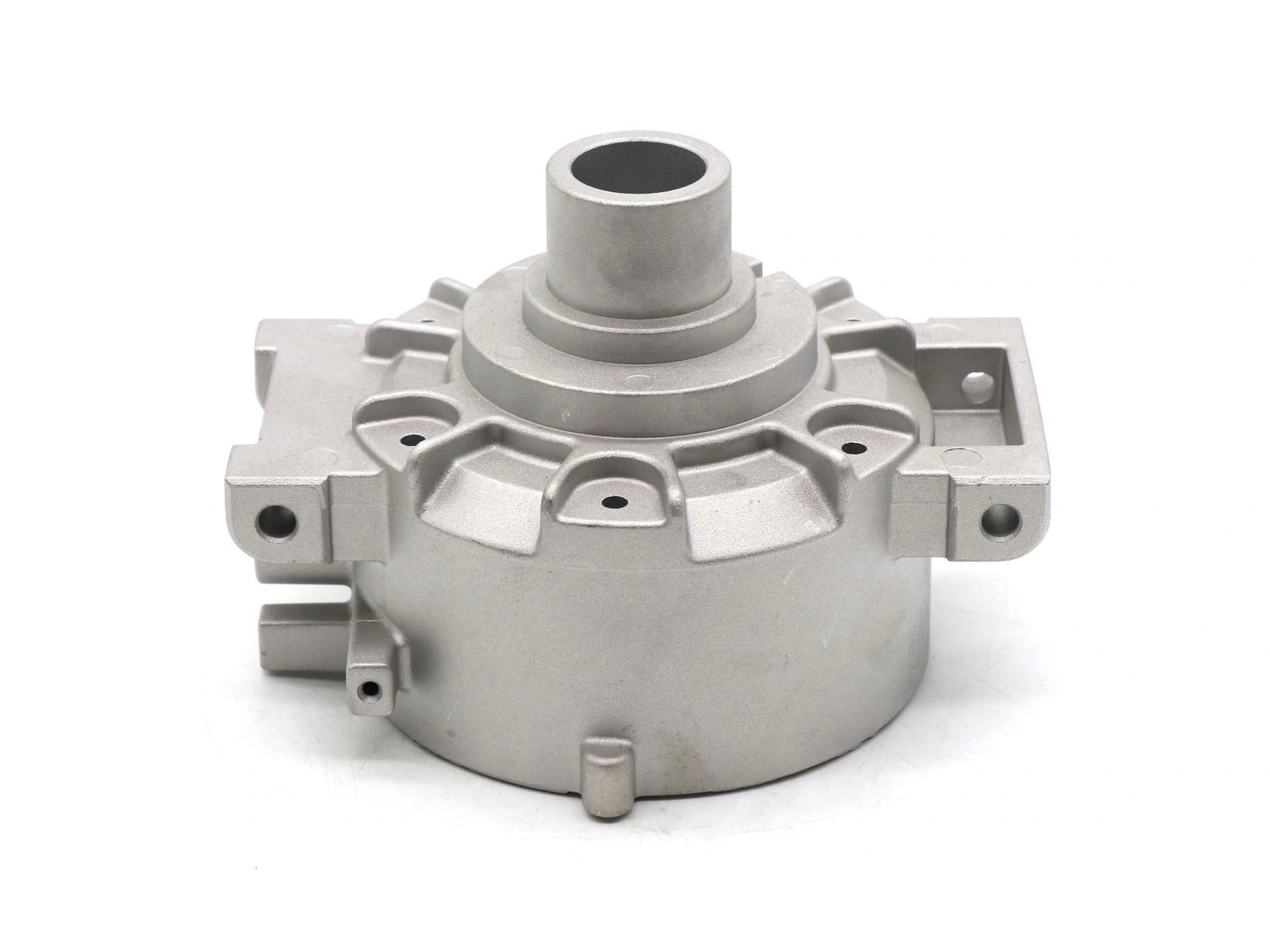
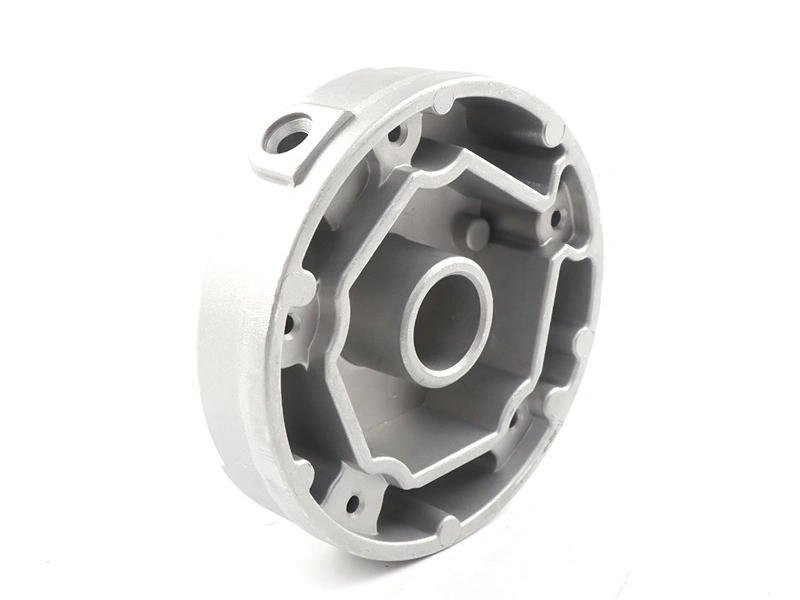
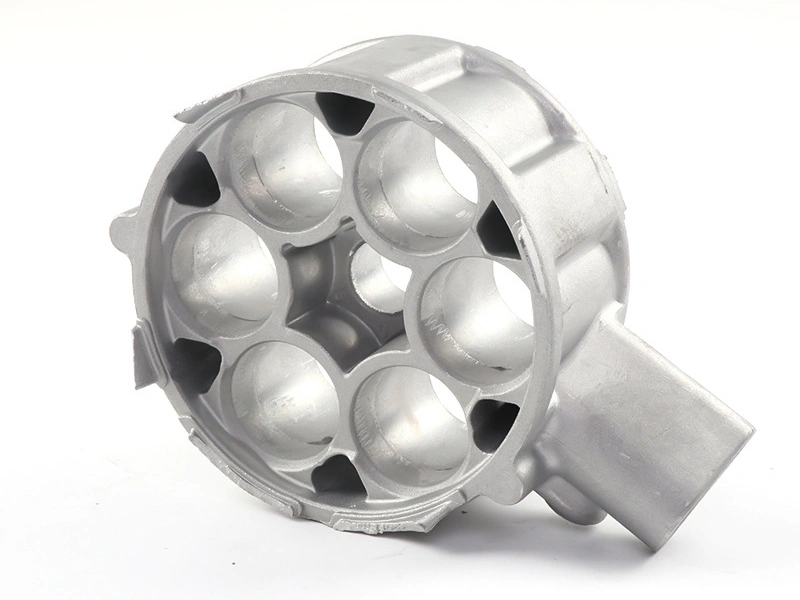
Buyers should judge castability by the part they need to make. A thin-wall die cast housing needs flow into ribs and bosses. A sand cast structural bracket needs feeding, shrinkage control and heat-treatment response. A leak-sensitive cover needs porosity control near machined faces. The same alloy may be strong in one route and unsuitable in another.
Castability also changes with quantity and tooling. A prototype pattern may validate shape, while production tooling must support repeat output. Buyers should connect alloy selection with casting method, tooling level and finished-part acceptance.
For alloy fit, buyers can review aluminum die casting alloy options and how to choose aluminum grades for casting custom die cast parts.
Castability Factors
Factor | Meaning | Buyer Risk |
|---|---|---|
Fluidity | Ability to flow into thin or complex shapes | Short shots, cold shuts and weak ribs |
Shrinkage behavior | How the alloy contracts during solidification | Porosity, sink and dimensional drift |
Hot tearing resistance | Resistance to cracking while solidifying | Cracks in constrained features |
Surface quality | Ability to meet visual or coating expectations | Finish rejection and rework |
Machinability | Ability to support holes, threads and faces after casting | Burrs, poor threads or exposed pores |
Why Chemistry Matters
Silicon improves fluidity in many cast aluminum alloys, which is why high-silicon aluminum alloys are common in casting. Copper can improve strength and hardness but can reduce corrosion resistance. Magnesium can support heat-treatment response in certain alloys, while iron can influence die casting behavior. These elements affect the way the alloy fills, solidifies, machines and finishes.
Buyers do not need to specify chemistry from scratch, but they should know why suppliers may recommend different materials for different casting routes. A380 and ADC12 are common die casting directions. A356-T6 is often reviewed for heat-treated structural casting routes.
Part Geometry Changes Castability
Part geometry can make a normally castable alloy difficult to use. Thin walls, sharp corners, isolated thick bosses, long flow paths and deep pockets create risk. Good design uses draft, radius, consistent wall thickness and proper machining allowance to support casting. The supplier should review these features before quoting.
If geometry cannot change, the buyer may need a different casting method, extra machining or a different material direction. Castability is a decision between design, alloy and process.
Castability Is Proven by Samples
Castability should be proven with samples that represent the intended process. A die cast A380 housing sample should show whether ribs fill, whether ejector marks are acceptable and whether machining stock is enough. A sand cast A356-T6 bracket sample should show whether shrinkage, heat treatment and machining datums are acceptable. The sample should answer the risk that made the alloy choice important.
Buyers should avoid approving castability from a visual sample alone. The sample may need dimensional inspection, section review, machining, finish testing or assembly fit checks. A part that looks castable may still fail if a machined sealing face exposes pores or if a cosmetic coating reveals surface pits.
When an Alloy Is Not Castable Enough
An alloy or route may be unsuitable when the part repeatedly shows short shots, hot tearing, shrinkage, severe porosity, poor finish response or excessive machining scrap. The solution may be design change, different gate or venting, more machining allowance, a different casting method or a different alloy direction. Buyers should ask for the cause of the failure, not only a new sample.
Neway can use sample findings to recommend whether the part should stay with the same alloy, move to another casting route or change geometry before production tooling.
How Neway Uses Castability Review
Neway can review castability through aluminum die casting, metal casting, CNC machining and finishing requirements. For buyers considering aluminum die casting, this review helps decide whether A380, ADC12, A413 or another route can meet the finished-part requirement.
The practical output should be an action list: acceptable alloy direction, casting method, design changes, machining areas, finish risk and inspection needs.
That action list turns castability from a general claim into a purchasing decision the buyer can approve.
Buyer Release Criteria
Before approving an alloy as castable for a real project, buyers should define release criteria. The criteria may include clean fill in thin ribs, no critical hot tears, acceptable porosity in non-critical zones, enough machining stock, approved finish sample and stable assembly fit. These criteria should be tied to the drawing, not left as verbal approval.
If the sample fails, the supplier should identify whether the cause is alloy choice, geometry, tooling, casting parameters or machining. That diagnosis helps the buyer decide whether to modify the part or change the material route.
Good diagnosis saves the next sample round.