When Is Type 2 Sulfuric Acid Anodizing Better?
When Is Type 2 Sulfuric Acid Anodizing Better?
Type 2 sulfuric acid anodizing is better when aluminum parts need decorative color, clear or black anodized appearance, moderate corrosion protection and a common commercial anodizing route. It is usually more practical than Type I when the part is not fatigue-sensitive and does not require chromic acid anodizing by specification.
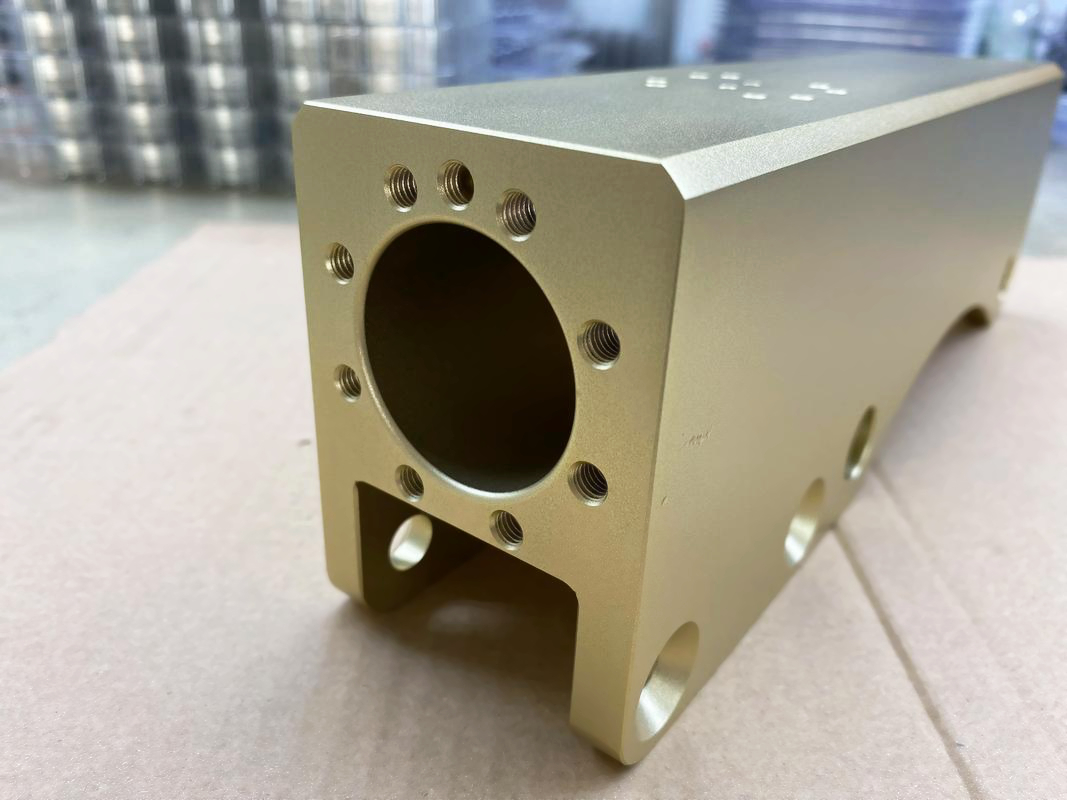
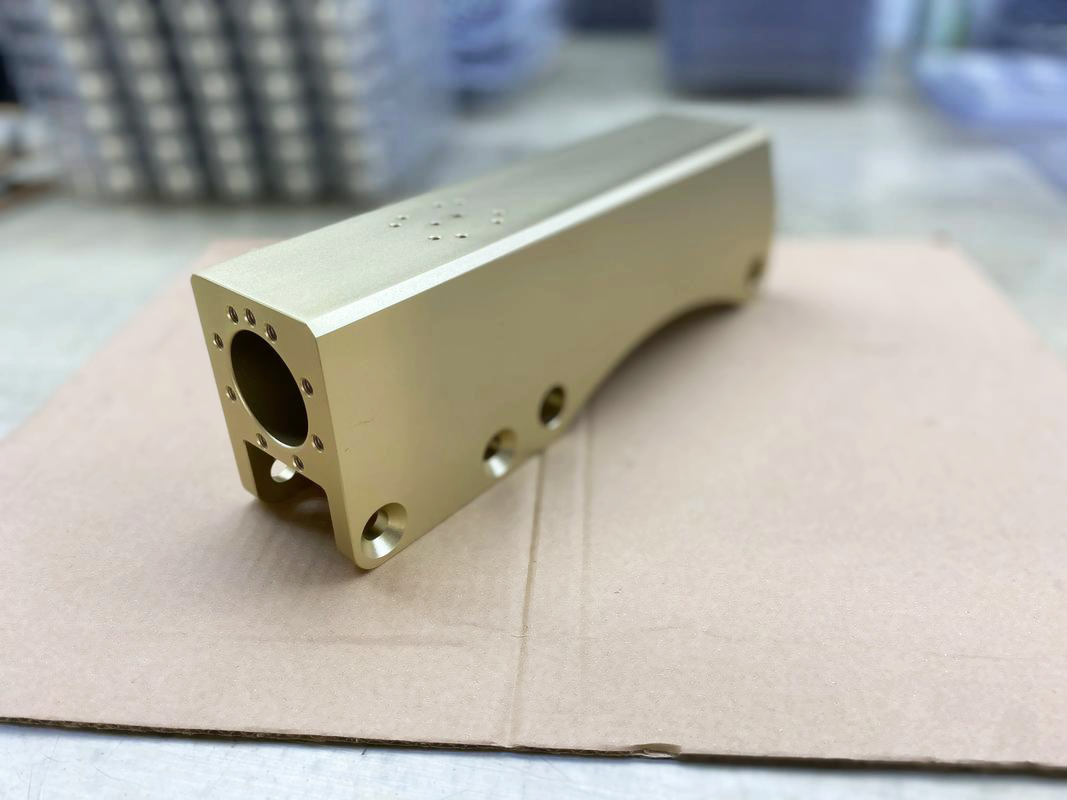
Type II is often discussed around 5 to 25 microns depending on the requirement. It is thicker than Type I in many cases and supports dyed colors more commonly. Buyers choose it for enclosures, panels, covers, brackets, machined aluminum components, lighting parts, heat sink housings and visible aluminum products.
The main reason Type II is better for many commercial parts is balance. It gives appearance, surface protection and reasonable cost without moving into the thicker functional wear direction of Type III hardcoat. It is also more widely available than Type I in many supply chains.
For Type II selection, buyers can compare Type II hardness compared with Type III and anodizing benefits for corrosion resistance and aesthetics.
Type II Selection Table
Buyer Need | Why Type II Fits | What to Confirm |
|---|---|---|
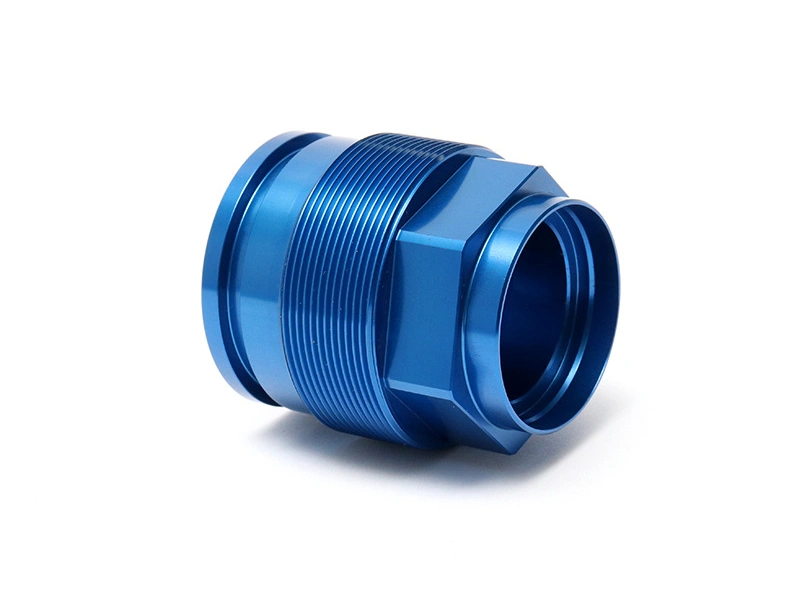
Black or dyed finish | Type II is commonly used for dyed anodizing | Color sample, alloy and visible surface standard |
Moderate corrosion protection | Sealed Type II improves surface protection | Sealing method and service environment |
Commercial aluminum component | Common process with broad supplier availability | Thickness, lead time and inspection requirement |
Lower cost than hardcoat | Usually less demanding than Type III | Do not use it if heavy wear is the main issue |
Visible machined part | Can provide clean appearance if surface prep is controlled | Machining marks, polishing direction and scratches |
Type II still needs engineering review. Threads, holes, dowel locations and tight bores can be affected by coating. The effect is usually smaller than Type III hardcoat, but it should not be ignored. Buyers should mark features that need masking or final coated inspection.
Alloy response is also important. 6061 and 6063 often give more predictable decorative results than high-silicon cast aluminum alloys. A380 or ADC12 may anodize darker or less uniformly. If cosmetic appearance is critical, buyers should request a sample made from the same alloy and surface preparation as production parts.
Surface preparation should be included in the decision. Type II anodizing will not hide scratches, machining marks or casting pores. If the part needs a premium visible finish, the buyer should define whether the surface is machined, brushed, blasted or polished before anodizing. A sample should be approved before repeat production.
Type II is also useful when buyers need a finish that can scale across regular orders. Once color master, sealing method, thickness range, masking approach and inspection standard are approved, the same finish logic can be repeated for later batches. That matters for equipment covers, electronics housings and aluminum panels where several parts must look consistent after assembly. The finish plan should name the visible side, acceptable shade range and handling protection after anodizing.
When Type II Is Not Enough
Type II is not enough when the part needs heavy sliding wear resistance, abrasion resistance or thick functional protection. In those cases, Type III hardcoat should be reviewed. Type II may also be unsuitable if the drawing specifically requires Type I chromic acid anodizing and substitutions are not allowed.
Buyers should not use Type II to avoid a specification requirement. If a customer drawing calls for Type I, the change must be approved. If a wear surface needs Type III, Type II may save cost initially but fail in use.
Type II also needs masking review. Threads, bores, grounding points and tight fits may need to remain bare or be compensated during machining. Even though Type II is not as thick as hardcoat, the coating can still affect fine features. Buyers should mark these features rather than relying on the finisher to infer them.
Type II RFQ Tips
A strong Type II RFQ states alloy, color, thickness, sealing, visible faces, masking points, quantity and inspection method. If the part is cast aluminum, the buyer should ask whether the anodized appearance will be uniform enough for the application. If color match matters across several parts, the buyer should state that parts are used together in one assembly.
For close-fit parts, buyers should add whether the final drawing dimensions are checked before or after anodizing. If a 6061 cover has tapped holes, dowel holes or an electrical grounding pad, those areas may need masking or post-finish verification. For visible parts, buyers should also include the surface preparation direction, because a blasted Type II finish and a machined Type II finish will not have the same appearance even if the dye color is the same.
That detail is especially important when several anodized parts are assembled side by side in one product.
Neway can help buyers review Type II anodizing requirements for color, sealing, masking, thickness and inspection so the final finish matches the part's commercial and functional needs.