When Should Buyers Choose Type 3 Hardcoat Anodizing?
When Should Buyers Choose Type 3 Hardcoat Anodizing?
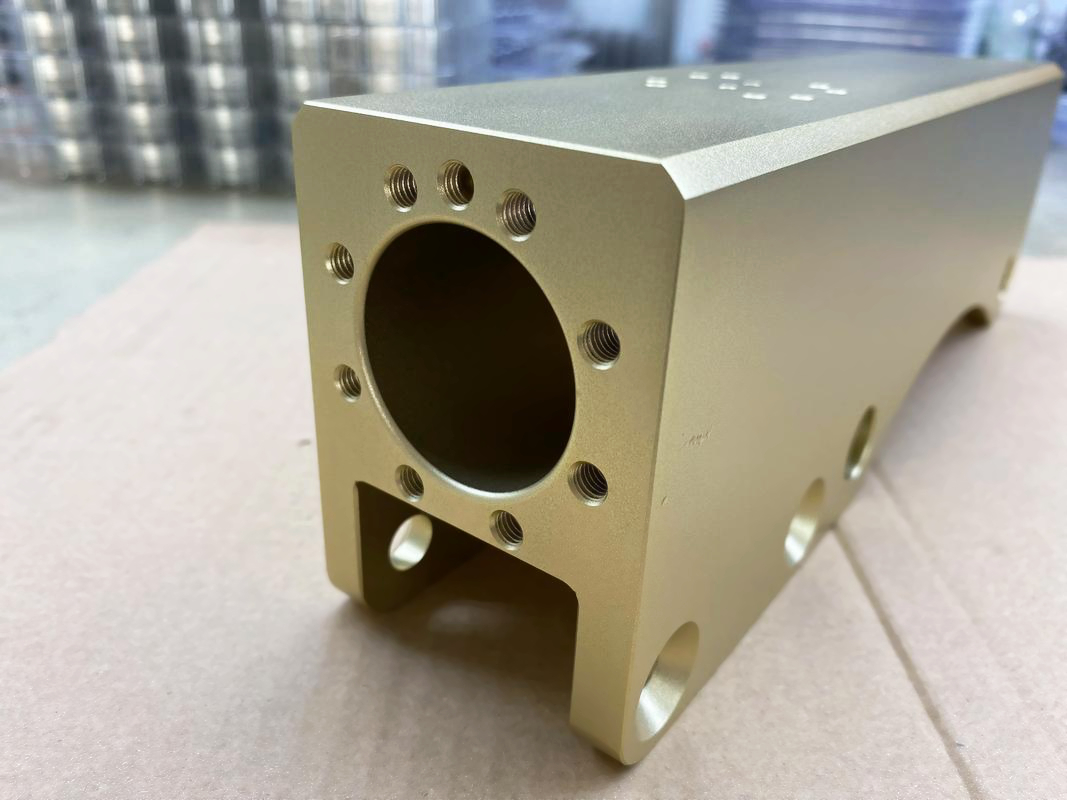
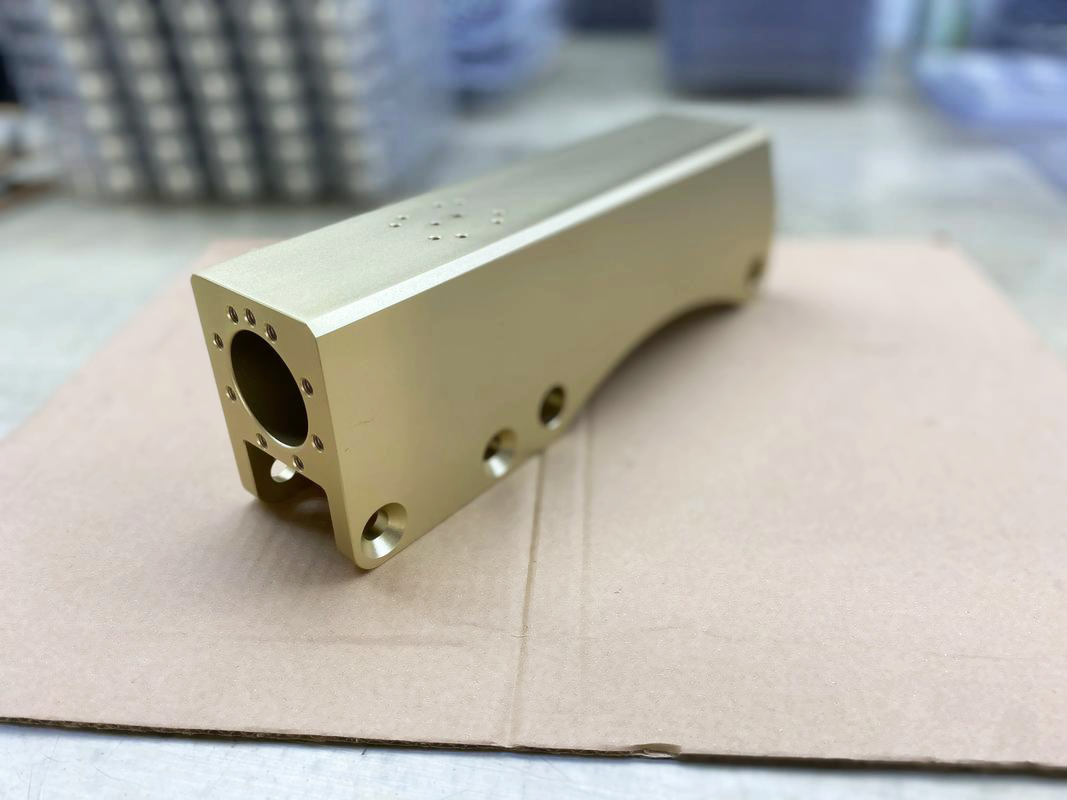
Buyers should choose Type 3 hardcoat anodizing when aluminum parts need higher wear resistance, abrasion resistance, thicker oxide coating and functional surface protection. It is commonly reviewed for sliding surfaces, guide rails, industrial equipment, tooling plates, pneumatic or hydraulic components, military-standard parts and surfaces that contact moving or abrasive materials.
Type 3 anodizing is thicker than Type 2. Buyers often discuss hardcoat thickness around 25 to 100 microns depending on the specification, alloy and application. This thickness can improve wear behavior, but it also increases dimensional impact. Bores, slots, threads, grooves and close-fit features can become too tight if the drawing and machining plan do not account for coating.
Hardcoat anodizing is a functional coating decision. If the part only needs color and moderate corrosion protection, Type 2 may be more practical. If the part will slide, rub, carry repeated mechanical contact or face abrasive handling, Type 3 may prevent premature wear. The buyer should identify the surface that actually needs hardcoat rather than coating every surface by default.
For hardcoat-specific planning, buyers can compare Type III hard anodizing dimensional change and whether Type III hardcoat surfaces can be dyed.
Where Type 3 Hardcoat Adds Value
Application Condition | Why Type 3 Helps | Planning Concern |
|---|---|---|
Sliding contact | Improves wear resistance compared with thinner anodizing | Check clearance and friction after coating |
Abrasive handling | Harder surface can resist repeated rubbing or handling damage | Define wear area and acceptance standard |
Industrial equipment | Supports durability in functional surfaces and guide features | Mask threads, bores and electrical contact points if needed |
Military or specification-driven parts | May be required under MIL-A-8625 Type III or similar drawing notes | Confirm type, class, thickness and sealing |
Aluminum wear surfaces | Reduces direct aluminum wear in repeated motion | Check mating material and lubrication requirement |
Type 3 is not always best for cosmetic color. Hardcoat may appear darker, grayer or less consistent depending on alloy and thickness. If a buyer expects a bright decorative finish, Type 2 anodizing or another finish may be better. If the part needs both appearance and wear resistance, the supplier may need to mask or selectively control surfaces.
Sealing should also be discussed. Some Type 3 applications are sealed for corrosion resistance, while some may remain unsealed when wear or lubricity behavior matters. The drawing or RFQ should state the requirement. A supplier should not guess because sealing can change performance.
Buyers should also identify the mating material. A hardcoat aluminum surface sliding against plastic, steel, rubber or another anodized surface may behave differently. Wear resistance is not only a coating property; it is part of a contact system. Load, motion, lubrication, debris and cleaning environment can all affect whether Type 3 is enough.
Type 3 Hardcoat Fit Risks
The most common Type 3 problem is assembly interference. A bore that was correct before coating may become undersized. A thread may become tight. A slot may lose clearance. A sliding rail may bind against its mating part. These risks are not anodizing defects if the drawing did not allow for coating thickness.
Buyers should mark final coated dimensions where fit matters. The machining supplier and anodizing supplier should understand whether the dimension is required before coating or after coating. If final fit matters, machining may need compensation, masking or a post-coating operation if allowed by the design.
A second risk is edge buildup. Sharp edges and corners can coat differently and may become more fragile or dimensionally sensitive. A small radius or edge break can improve coating behavior and reduce handling damage. If the part has sliding rails or wear corners, the design should review edge condition before hardcoat anodizing is approved.
Hardcoat RFQ Details
A Type 3 RFQ should state target thickness, sealed or unsealed condition, wear surfaces, masked surfaces, final coated dimensions and applicable specification. If MIL-A-8625 is referenced, the type and class should be clear. The buyer should also state whether color is cosmetic or only informational, because hardcoat color may not behave like Type 2 dyed anodizing.
Inspection should focus on the functional surfaces. A hardcoat part may need thickness checks, final bore or slot dimensions, thread gauge results and visual review on edges. If wear resistance is the reason for Type 3, the buyer should identify the wear surface and the supplier should confirm that the coating requirement applies there. Measuring only an easy outside face may not prove that the critical rail or bore was controlled.
Neway can review hardcoat anodizing requirements together with machining, alloy selection and masking. Type 3 hardcoat is strongest when it is used on the surfaces that need wear protection and controlled carefully where thickness could affect assembly.
This review is especially important before repeat production, because a small clearance problem on the first batch can become a large assembly issue across hundreds of coated parts.
A coated sample should therefore be tested in the real assembly before release.