When Should Buyers Choose Type II Anodizing for Aluminum Parts?
When Should Buyers Choose Type II Anodizing for Aluminum Parts?
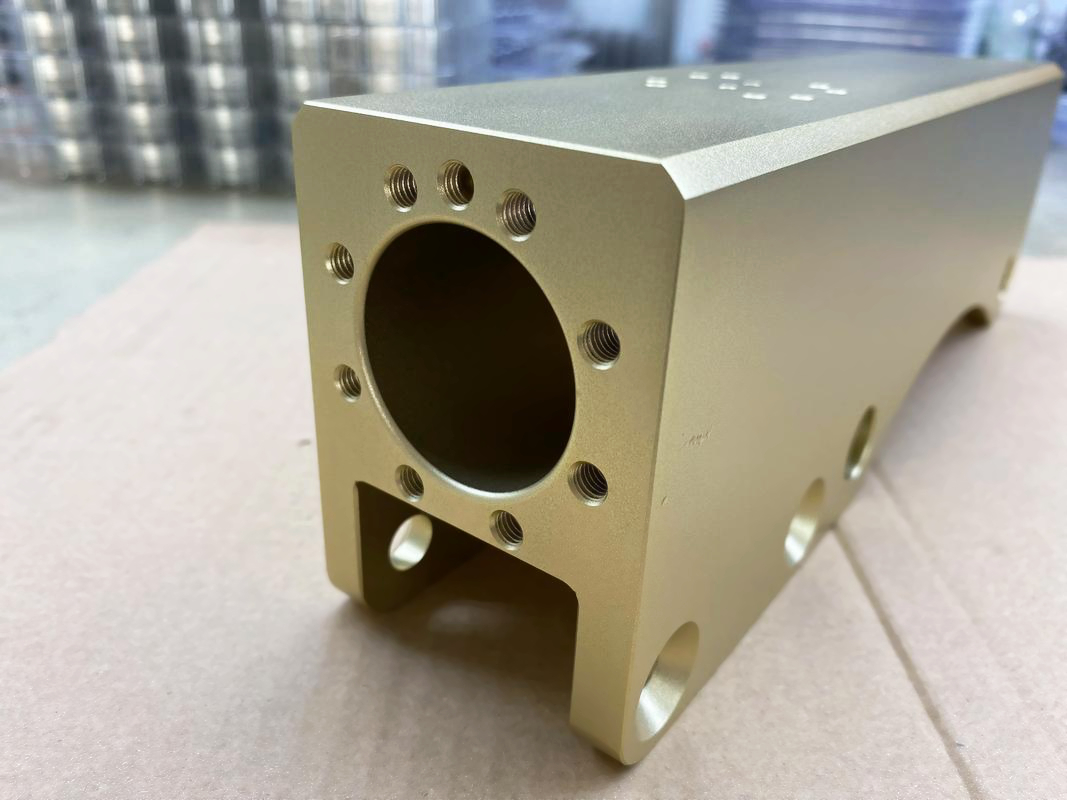
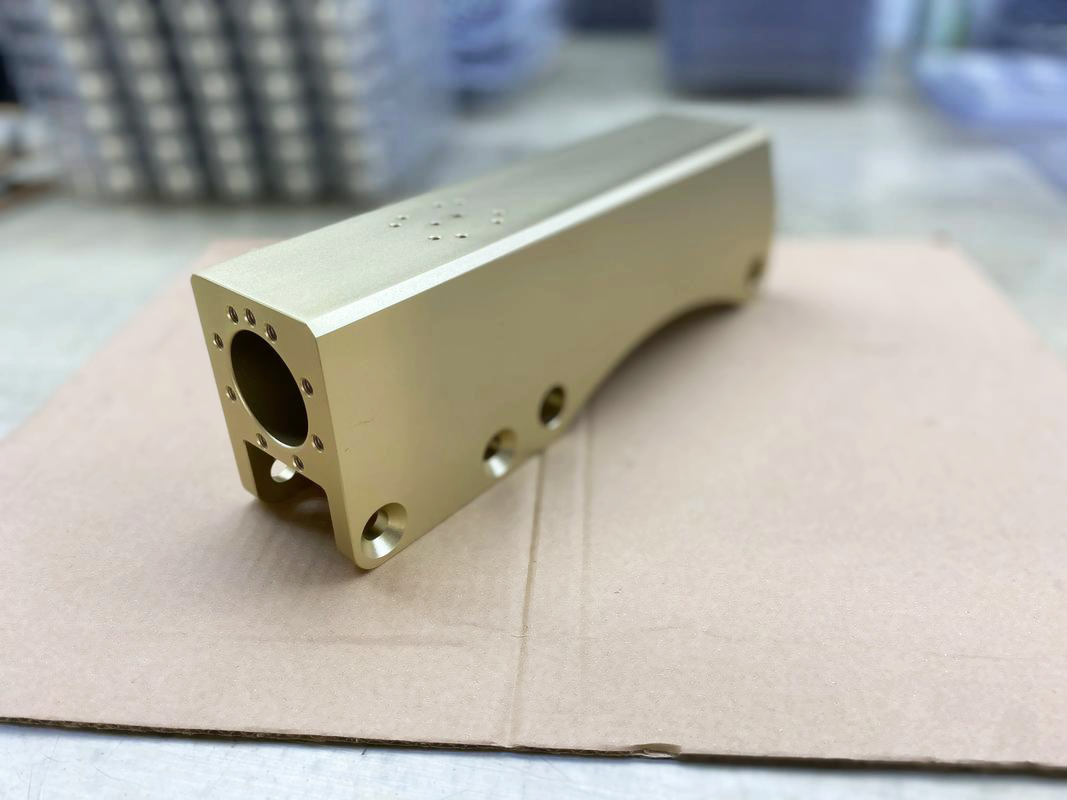
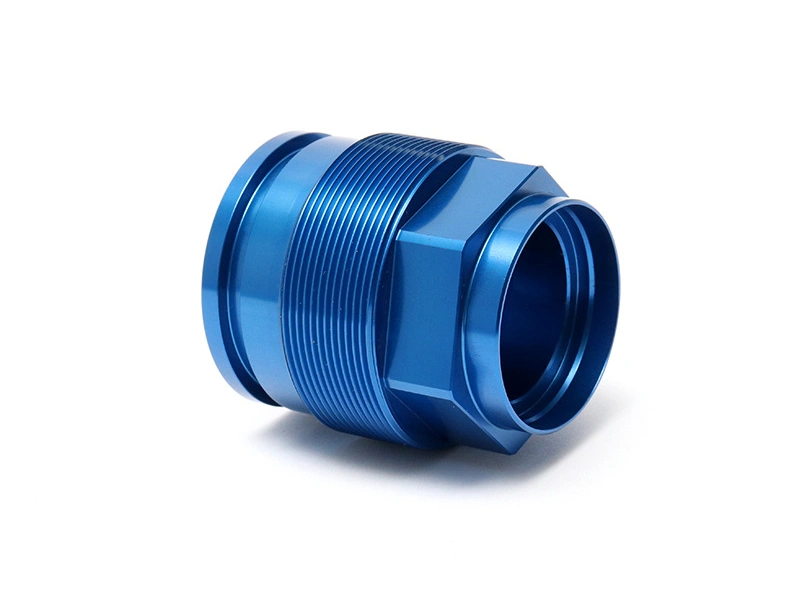
Buyers should choose Type II anodizing when aluminum parts need clear, black or dyed appearance, moderate corrosion protection, a controlled oxide finish and reasonable dimensional impact. It is a common choice for 6061 and 6063 machined parts, aluminum panels, enclosures, brackets, covers, heat sink housings, lighting components and visible industrial parts that do not need Type III hardcoat wear resistance.
Type II anodizing is usually sulfuric acid anodizing. It gives buyers a practical balance between appearance and protection. It is more color-flexible than Type I chromic acid anodizing and usually less thickness-heavy than Type III hardcoat. For many commercial aluminum components, this makes it the default anodizing route when the buyer wants a clean finish but does not need heavy abrasion resistance.
The choice still needs engineering review. Type II may affect threaded holes, bores, grounding pads, sealing faces and close fits. It can also show different color results depending on alloy and surface preparation. Buyers should choose Type II when the part's function, alloy and finish expectations match what Type II can realistically deliver.
For related Type II decisions, buyers can review Type II hardness compared with Type III hard anodizing and anodizing benefits for durability and appearance.
Best-Fit Applications for Type II
Application | Why Type II Fits | Buyer Check |
|---|---|---|
Machined aluminum panel | Supports clean clear or black finish | Control machining marks and visible faces |
Equipment enclosure | Provides decorative color and moderate protection | Approve color sample and sealing requirement |
Lighting or heat sink housing | Can provide appearance and surface protection | Review alloy, surface prep and thermal contact faces |
Aluminum bracket | Works for moderate corrosion protection | Mark holes and threads that require masking |
Consumer-facing cover | Dyed colors may support product appearance | Use retained sample and cosmetic standard |
Internal mechanical part | Can protect surface without premium cosmetics | Do not over-specify color matching on hidden faces |
When Type II Is Not the Best Choice
Type II is not the best choice when the part needs heavy sliding wear resistance, abrasive contact resistance or a customer-required hardcoat finish. In those cases, Type III hardcoat should be reviewed. Type II is also not the correct substitute when a drawing specifically requires Type I chromic acid anodizing for a controlled specification.
Type II may also be risky for decorative die cast aluminum parts. A380, ADC12 and other high-silicon die casting alloys can anodize darker or less uniformly than 6061. If the part has a premium cosmetic requirement, buyers should test actual castings or compare powder coating and painting before approving Type II for production.
Another situation where Type II may be weak is an outdoor or chemical environment with a high corrosion requirement that has not been defined. Type II can provide useful protection when sealed, but the buyer should not assume it meets every corrosion standard automatically. If the part must pass a specific exposure test or customer standard, that requirement should be written into the RFQ and checked against the supplier's process.
Decision Process for Buyers
Buyers can make the decision by asking four questions. First, is the main purpose appearance, corrosion protection, wear resistance or specification compliance? Second, what aluminum alloy is used? Third, which surfaces are visible or functional? Fourth, are there holes, threads, bores or contact pads that need masking?
If the answers point to clear or dyed appearance, moderate protection, predictable wrought alloy and manageable masking, Type II is often appropriate. If the answers point to wear, heavy coating, customer-controlled Type I or uncertain cast appearance, another finish route may be safer.
A practical example is a 6061 machined control panel with black color, countersunk screws and a visible front face. Type II is usually a strong candidate, but the buyer still needs a color sample, sealed condition, masking notes for any grounding points and protection against scratches after finishing. The finish is not difficult, but it still needs to be specified as a finished-part requirement.
Supplier Questions Before Choosing Type II
Before approving Type II, buyers should ask whether the supplier has processed the same alloy, whether the color can be matched on the required surface texture, whether sealing is included, whether masked features are clear and whether coating thickness inspection is available. These questions are especially important when moving from one sample to regular production.
If the supplier warns about cast aluminum color variation, that warning should not be ignored. The buyer can adjust the visual standard, change surface preparation, select another finish or approve a realistic sample. The best supplier choice is the one that explains the finish risk before the parts are anodized.
That warning protects cost, lead time and customer approval.
Neway Support for Type II Selection
Neway can help buyers review Type II anodizing together with alloy, machining, surface preparation, masking and inspection. The finish decision should match the part's actual use instead of treating Type II as a generic note. A clear selection process prevents finish disputes, color surprises and assembly problems after anodizing.