English

What Is Casting and Machining in Custom Metal Part Manufacturing?

Table of Contents
What Is Casting and Machining in Custom Metal Part Manufacturing?
1. What Casting and Machining Means for Buyers
2. Why Casting Is Used for Complex Metal Part Shapes
3. Why CNC Machining Is Still Needed After Casting
4. When Casting and Machining Is Better Than Casting Alone
5. When Casting and Machining Is Better Than Full CNC Machining
6. Which Materials Are Suitable for Casting and Machining
7. Why Casting and Machining Supports Prototype to Mass Production
8. What Buyers Should Confirm Before Choosing Casting and Machining
9. Summary

What Is Casting and Machining in Custom Metal Part Manufacturing?

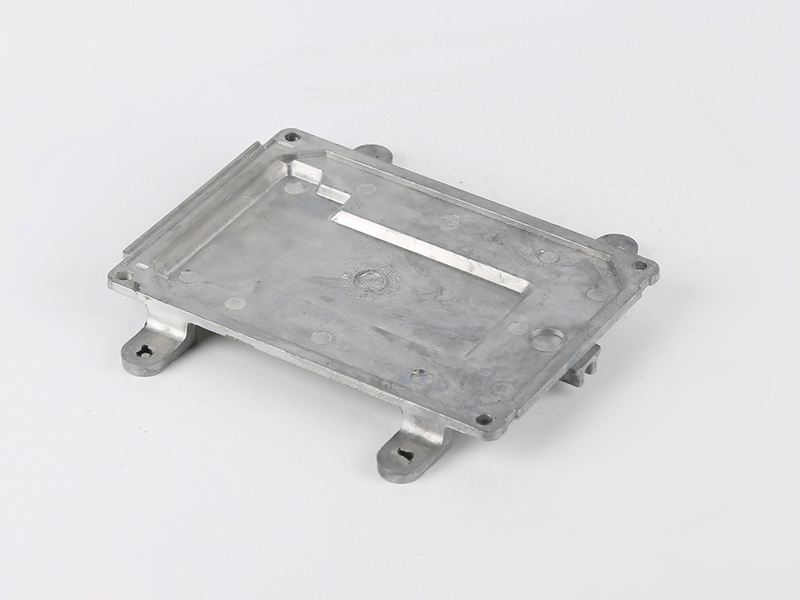
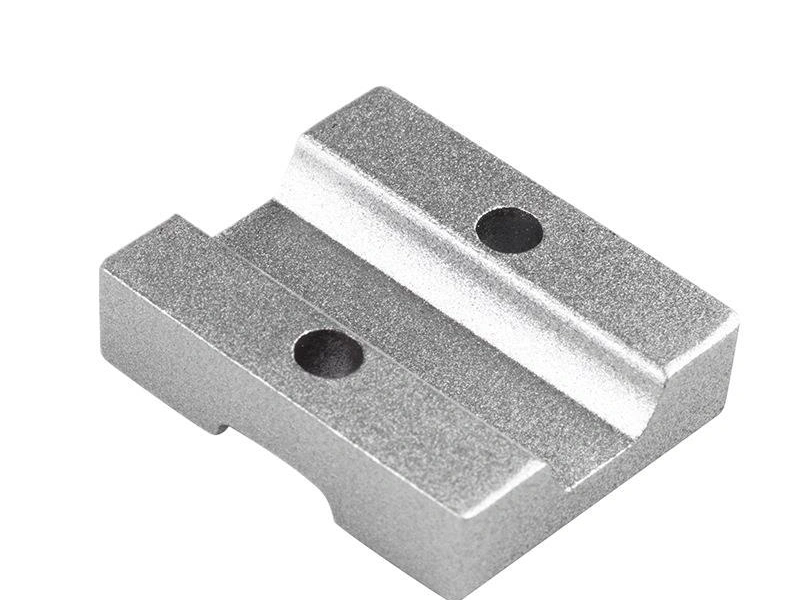
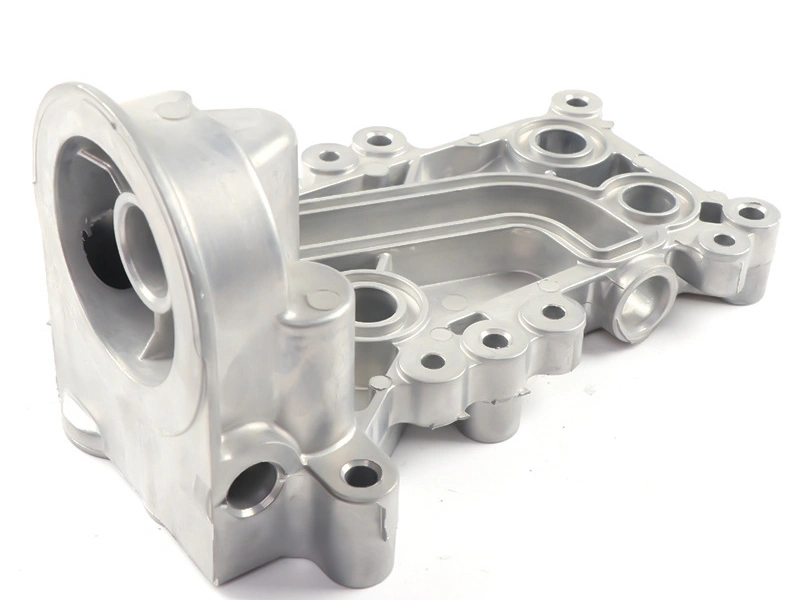
Casting and machining is a manufacturing solution that combines metal casting with CNC machining to produce custom metal parts with both complex shapes and accurate functional dimensions. In this process, casting creates the main part geometry, while CNC machining controls critical holes, threads, sealing faces, flat surfaces, mounting datums, and assembly interfaces.

This method is commonly used for aluminum, zinc, copper, brass, bronze, and other custom metal castings. It is especially suitable when buyers need complex external geometry, stable batch production, and local high-precision features. For many projects moving from prototype validation to mass production, casting and machining can be more practical than using only casting or machining the entire part from solid material.

1. What Casting and Machining Means for Buyers

For buyers, casting and machining means the part is not treated as only a rough casting or only a CNC machined component. Instead, the two processes are planned together. Casting forms most of the shape efficiently, and CNC machining is used only where accuracy, flatness, sealing, thread quality, or assembly fit must be controlled tightly.

Process

Main Role

Buyer Benefit

Casting

Forms the main shape, ribs, bosses, cavities, housings, and near-net geometry

Reduces material waste and creates complex metal structures efficiently

CNC machining

Controls critical dimensions, threads, bores, sealing faces, and assembly datums

Improves accuracy, fit, sealing, and functional reliability

Post machining

Refines selected areas after casting instead of machining the whole part

Balances casting efficiency with precision requirements

Mass production planning

Connects tooling, casting, machining, inspection, and delivery

Improves repeatability and long-term unit cost control

2. Why Casting Is Used for Complex Metal Part Shapes

Metal casting service is useful when a part has complex geometry that would be expensive or inefficient to machine completely from solid material. Casting can form housings, covers, brackets, ribs, bosses, internal cavities, external profiles, and integrated structures closer to the final shape.

This near-net-shape capability helps reduce CNC cutting time, material waste, repeated fixturing, and unnecessary machining operations. For parts with stable demand, casting can also improve production efficiency because the same geometry can be produced repeatedly through tooling.

Casting Advantage

Why It Matters

Typical Custom Parts

Complex external shape

Forms geometry that may be slow or costly to machine from billet

Housings, covers, frames, brackets

Integrated ribs and bosses

Reduces separate assembly or repeated CNC operations

Mounting structures, reinforcement ribs, screw bosses

Near-net forming

Leaves less material to remove during machining

Aluminum, zinc, copper, and brass cast parts

Repeatable production

Validated tooling supports stable output across batches

Production housings, mechanical parts, industrial components

3. Why CNC Machining Is Still Needed After Casting

Casting can create the main shape, but many functional areas still need CNC machining. Critical holes, threaded features, bearing seats, sealing faces, flat mounting areas, and assembly datums often require tighter control than the as-cast condition can provide.

This is where post machining becomes important. Instead of machining the whole part from solid metal, the supplier machines only the areas that need precision. This can reduce total manufacturing cost while keeping key functional dimensions accurate.

Machined Feature

Why It Needs CNC Machining

Buyer Benefit

Mounting holes

Hole position and diameter often need tight control for assembly

Better fastening and alignment

Threads

Threads usually require tapping, thread milling, or precision machining

More reliable screw connection

Sealing faces

Sealing areas need flatness, surface roughness, and dimensional control

Lower leakage risk for housings, valves, and pump parts

Assembly datums

Datum surfaces control how the part locates with mating components

More stable fit and repeatable assembly

Precision bores

Bores may require roundness, diameter, and coaxiality control

Better performance for shafts, pins, bearings, and fluid passages

4. When Casting and Machining Is Better Than Casting Alone

Casting alone may be enough for non-critical shapes, covers, decorative parts, or components with loose dimensional requirements. However, when the part must assemble with other parts, seal against a gasket, hold a bearing, connect with screws, or control a precise interface, machining after casting is usually needed.

Casting and machining is better than casting alone when the buyer needs both production efficiency and functional precision.

Part Requirement

Why Casting Alone May Not Be Enough

Why Casting and Machining Fits

Tight assembly fit

As-cast dimensions may not control all interfaces tightly enough

Machining controls critical mating areas

Threaded connection

Threads are usually not finished directly by casting

CNC machining creates reliable threaded features

Sealing requirement

As-cast surfaces may not meet flatness or roughness needs

Post machining improves sealing surface quality

Precision bore or shaft fit

Casting may not provide final bore accuracy

Machining controls bore size, roundness, and alignment

5. When Casting and Machining Is Better Than Full CNC Machining

Full CNC machining is useful for prototypes, low-volume parts, and designs that change frequently. However, for stable production parts with complex shapes, machining the entire part from solid billet can create high material waste, long cycle time, repeated fixturing, and higher unit cost.

Casting and machining can be better when the main geometry can be cast efficiently and only selected features need CNC precision. This is common for metal housings, brackets, pump parts, valve bodies, structural covers, zinc hardware, aluminum enclosures, and copper alloy functional parts.

Project Condition

Full CNC Machining Cost Risk

Casting and Machining Benefit

Complex outer geometry

Long cutting time and complex tool paths

Casting forms most of the shape first

High material removal

Large billet waste increases material cost

Near-net casting reduces unnecessary cutting

Repeated batch production

Every part repeats the same machining workload

Tooling-based casting improves production efficiency

Only local precision is required

Full machining may over-process non-critical areas

CNC machining is reserved for critical features only

6. Which Materials Are Suitable for Casting and Machining

Casting and machining can be used for aluminum, zinc, copper, brass, bronze, and other castable metals. The best material depends on weight, strength, corrosion resistance, conductivity, thermal performance, surface finish, cost, and application environment.

Material Type

Why Casting and Machining Is Useful

Typical Parts

Aluminum castings

Good for lightweight structures, heat dissipation, housings, and brackets with machined interfaces

Electronic housings, automotive parts, heat sinks, machine covers

Zinc castings

Good for small complex parts with detailed features and post-machined assembly areas

Connectors, locks, decorative hardware, compact housings

Copper and brass castings

Good for conductive, thermal, corrosion-resistant, and fluid-related parts with machined sealing areas

Terminals, valve bodies, pump parts, fittings, connectors

Other metal castings

Useful when casting provides shape efficiency and machining provides final accuracy

Industrial hardware, mechanical parts, custom metal components

7. Why Casting and Machining Supports Prototype to Mass Production

Casting and machining can support projects from prototype to mass production because the process can be adjusted as the design becomes more stable. In early stages, buyers may use prototypes or small batches to confirm geometry, assembly fit, material selection, and functional performance. After validation, the project can move into tooling-based casting and controlled CNC post-machining for repeatable production.

This makes casting and machining suitable for buyers who need a practical path from engineering validation to scalable production. Once the part design, machining datums, surface finish, inspection plan, and production quantity are confirmed, the process can support more consistent batch manufacturing.

Project Stage

Manufacturing Focus

Buyer Benefit

Prototype stage

Validate geometry, assembly, function, and material direction

Reduces design risk before production tooling

Small batch stage

Check tolerance strategy, machining allowance, and finishing plan

Improves readiness before larger orders

Tooling stage

Plan casting structure, mold design, datums, and post-machining areas

Reduces tooling modification and production rework

Mass production stage

Use stable casting and CNC machining workflow for repeated batches

Improves cost control, quality consistency, and delivery reliability

8. What Buyers Should Confirm Before Choosing Casting and Machining

Before choosing casting and machining, buyers should confirm the part function, material requirement, annual volume, tolerance needs, critical machined features, surface finish, assembly conditions, and production schedule. This helps the supplier decide which features should be cast, which features should be machined, and how to balance tooling cost with long-term unit cost.

Buyer Should Confirm

Why It Matters

Process Planning Impact

Part geometry

Determines whether the shape is suitable for casting

Affects mold design, parting line, draft, and casting feasibility

Critical dimensions

Shows which areas require CNC precision

Affects machining allowance, fixture design, and inspection plan

Material requirement

Material affects casting behavior, machining, cost, and final performance

Affects alloy selection and process route

Production quantity

Quantity determines whether tooling-based production is economical

Affects tooling investment and unit cost calculation

Assembly requirement

Assembly interfaces often require machined datums or precise holes

Affects CNC machining and quality inspection planning

9. Summary

Question

Answer

What is casting and machining?

It is a manufacturing solution that combines metal casting for complex near-net shapes with CNC machining for critical dimensions and assembly features.

What does casting provide?

Casting forms the main geometry, complex structures, ribs, bosses, housings, and near-net shapes.

What does CNC machining provide?

CNC machining controls holes, threads, sealing faces, datums, bores, flat faces, and other precision features.

Which materials can use this method?

Aluminum, zinc, copper, brass, bronze, and other custom metal castings can use casting and machining.

When is this method suitable?

It is suitable when buyers need complex part shapes, stable batch production, and local high-precision requirements.

In summary, casting and machining combines the efficiency of metal casting with the accuracy of CNC machining. Casting creates the complex shape and near-net metal structure, while CNC machining controls the critical features needed for assembly, sealing, fastening, and functional performance. For buyers who need complex custom metal parts with stable batch production and key dimensional accuracy, casting and machining is often more suitable than using casting alone or fully machining every part from solid material.

Copyright © 2026 Diecast Precision Works Ltd.All Rights Reserved.