Special Die-Cast Copper Alloy C99700
Material Introduction
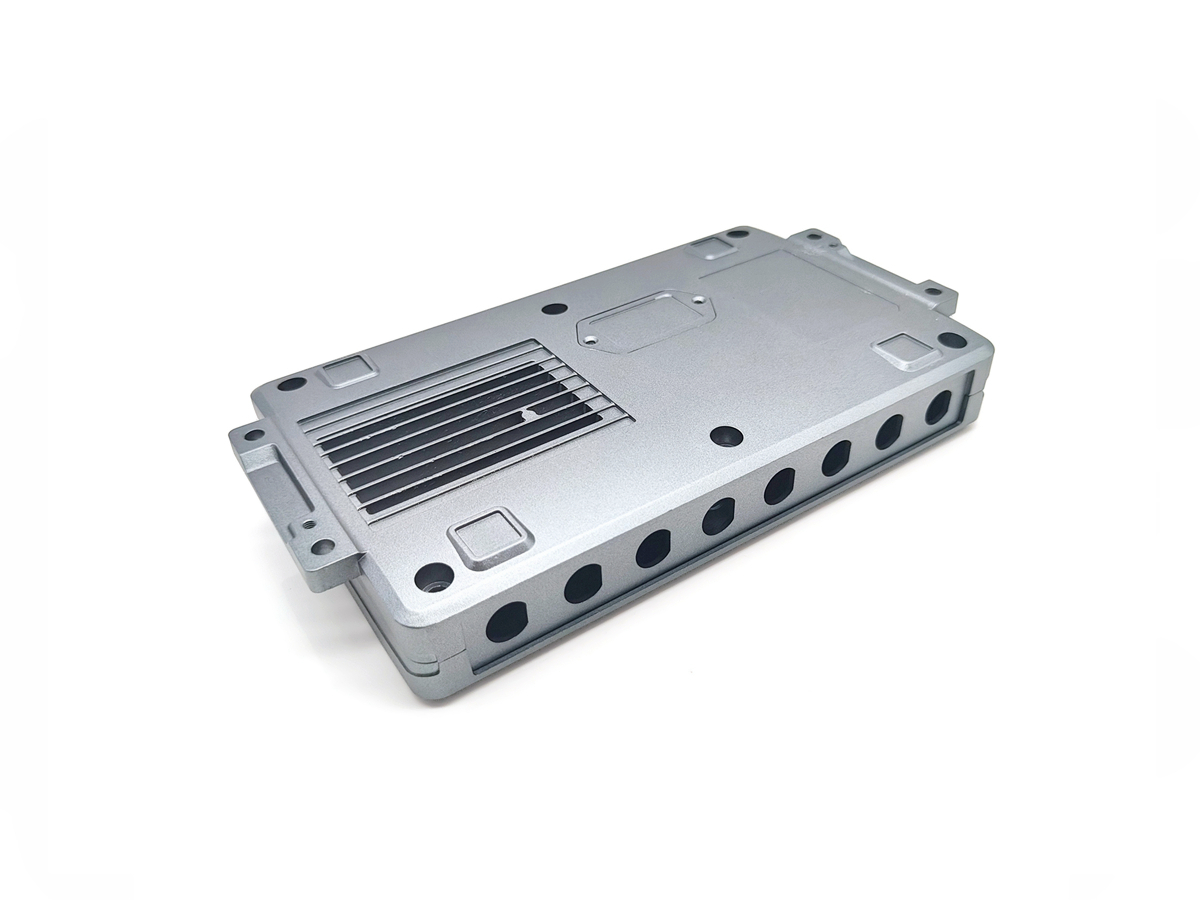
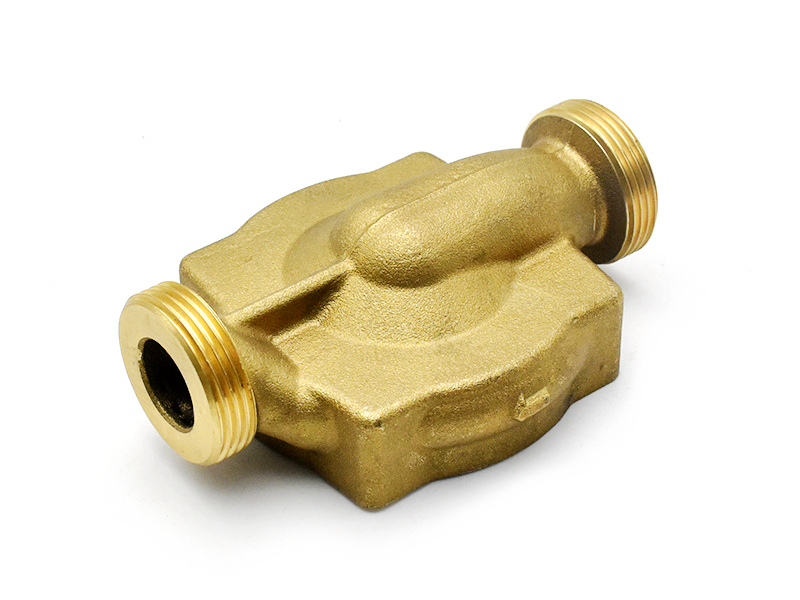
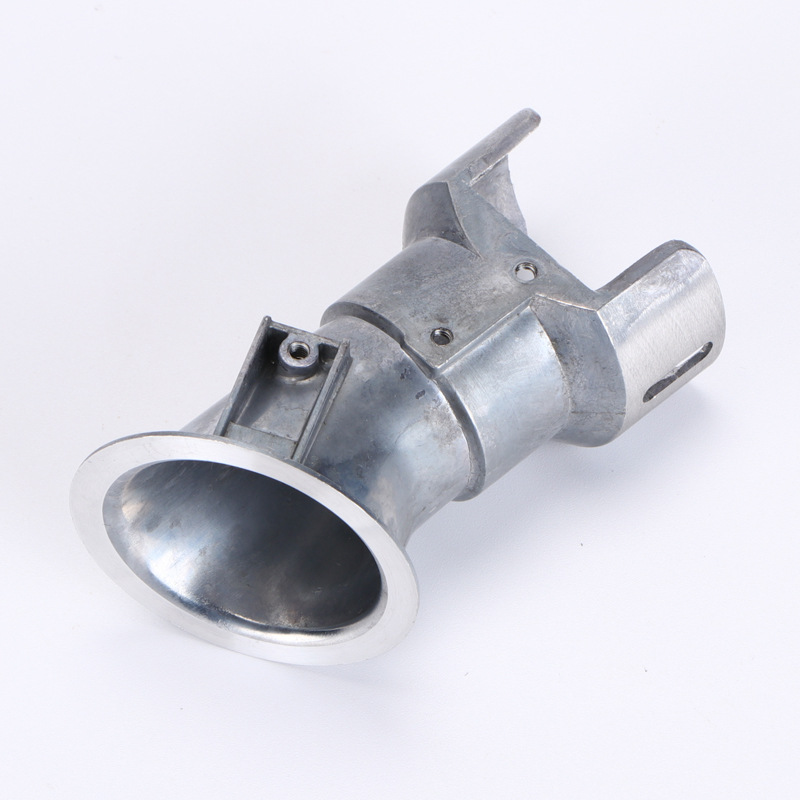
Special Die-Cast Copper Alloy C99700 is a highly engineered, multi-component copper alloy specifically developed for demanding die-casting applications that require an exceptional balance of mechanical strength, corrosion resistance, and castability. This unique alloy represents a significant advancement in copper die casting technology, offering manufacturers a material solution that bridges the performance gap between conventional brasses and more expensive copper alloys. With its optimized composition of copper, zinc, silicon, and manganese, C99700 delivers remarkable fluidity during casting, excellent pressure tightness, and superior resistance to dezincification and stress corrosion cracking. When processed through Neway's advanced tool and die making capabilities and precision-controlled metal casting processes, this alloy consistently produces high-integrity components for marine, industrial, and architectural applications where reliability and longevity are paramount.
Alternative Material Options
For applications requiring higher copper content and superior corrosion resistance, Aluminum Bronze C95400 offers excellent performance in marine-grade applications. When superior machinability is the primary concern, Leaded Free-Cutting Brass C48500 provides unparalleled cutting performance. For general-purpose brass applications with good overall properties, Brass 360 serves as a reliable alternative. In high-strength applications where the characteristics of silicon brass are preferred, Silicon Brass C87850 offers similar benefits with variations in composition. For traditional bronze applications requiring excellent bearing properties, Leaded Bronze C83600 remains a proven choice. When considering non-copper alternatives for cost-sensitive applications, high-performance ZA-8 zinc alloy or A514 aluminum alloy may be evaluated based on specific property requirements.
International Equivalent / Comparable Grade
Country/Region | Equivalent / Comparable Grade | Specific Commercial Brands | Notes |
USA (ASTM/UNS) | C99700 | Ampco C99700, Concast C99700, PMX C99700 | Standard UNS designation for special high-strength brass alloy. |
Europe (EN) | CuZn25Al5Mn4Fe3-C | KME Special Brass, Wieland CuZn25Al5Mn4Fe3 | European high-strength brass with similar aluminum and manganese content. |
Japan (JIS) | C6783 (Modified) | JX Nippon High-Strength Brass, Mitsubishi Shindoh C6783-HS | Japanese high-strength brass grade with comparable mechanical properties. |
Germany (DIN) | G-CuZn25Al5 | Diehl Metall G-CuZn25Al, Aurubis G-CuZn25Al5 | German cast brass specification with similar aluminum content. |
China (GB/T) | ZCuZn25Al6Fe3Mn3 | Ningbo ZCuZn25Al6, Zhongse High-Strength Brass | Chinese high-strength cast brass with comparable composition. |
International (ISO) | CuZn25Al5Mn4Fe3 | Various ISO-certified specialty foundries | International standard for high-strength aluminum brass alloys. |
UK (BS) | BSS 1400 - HTB2 | British Standard High Tensile Brass 2 | UK high-tensile brass specification with similar characteristics. |
Design Purpose
C99700 was specifically engineered to overcome the limitations of conventional brass alloys in demanding die-casting applications where components face combined challenges of mechanical stress, corrosive environments, and complex geometry requirements. The alloy's sophisticated composition was developed to provide exceptional fluidity for filling thin sections and intricate details while maintaining high mechanical strength and outstanding corrosion resistance. This design purpose makes it ideally suited for marine hardware, pump components, and industrial valves that must withstand harsh operating conditions. The addition of multiple alloying elements creates a synergistic effect that enhances both castability and in-service performance, positioning C99700 as a premium solution for applications where conventional brasses would fail prematurely or require excessive wall thickness to meet strength requirements.
Chemical Composition
Element | Copper (Cu) | Zinc (Zn) | Aluminum (Al) | Manganese (Mn) | Iron (Fe) | Silicon (Si) |
Composition (%) | 58.0-62.0 | Balance | 0.5-1.5 | 0.5-2.0 | 0.5-2.0 | 0.2-1.0 |
Physical Properties
Property | Density | Melting Range | Thermal Conductivity | Electrical Conductivity | Thermal Expansion |
Value | 8.2 g/cm³ | 890-910°C | 75 W/m·K | 18% IACS | 20.8 μm/m·°C |
Mechanical Properties
Property | Tensile Strength | Yield Strength (0.5%) | Elongation | Hardness | Impact Strength |
Value | 550 MPa | 280 MPa | 15% | 150 HB | 25 J |
Key Material Characteristics
Exceptional combination of high strength and good corrosion resistance
Superior resistance to dezincification and stress corrosion cracking
Excellent fluidity and castability for complex, thin-wall components
Good pressure tightness suitable for hydraulic and pneumatic applications
Outstanding wear resistance and anti-galling properties
Maintains mechanical properties at elevated temperatures
Good machinability despite high strength characteristics
Excellent surface finish capabilities for both functional and decorative parts
Superior fatigue strength for dynamic load applications
Compatible with wide range of post-processing treatments
Manufacturability And Post Process
Copper Die Casting: Primary manufacturing process leveraging excellent fluidity
Post Machining: Good machinability enables precision finishing of critical features
CNC Machining: Capable of maintaining tight tolerances (±0.03 mm) on machined surfaces
Drilling and Tapping: Produces clean threads and holes with moderate tool wear
Sand Blasting: Effective for surface preparation and uniform texture creation
Tumbling: Suitable for deburring and edge radiusing of cast components
Grinding and Polishing: Achieves high surface finish quality for wear surfaces
Suitable Surface Treatment
Electroless Nickel Plating: Provides uniform corrosion protection and wear resistance
Chromate Conversion Coating: Enhances corrosion resistance while maintaining conductivity
Powder Coating: Offers durable, colored finishes for architectural applications
Passivation Treatments: Improves tarnish resistance in atmospheric exposures
Polishing and Clear Coating: Preserves metallic appearance while preventing oxidation
Electropolishing: Creates micro-smooth surfaces for reduced friction and fouling
Common Industries and Applications
Marine hardware, propeller shafts, and underwater fittings
Industrial pump housings, impellers, and valve components
Heavy equipment bearings, bushings, and wear plates
Architectural fittings for coastal and harsh environments
Chemical processing equipment and corrosion-resistant components
Power generation components exposed to steam and water
Mining equipment parts requiring abrasion resistance
When to Choose This Material
Marine and corrosive environments: Superior resistance to saltwater corrosion and dezincification
High-strength requirements: Tensile strength exceeding 500 MPa for structural applications
Complex thin-wall designs: Excellent fluidity enables casting of intricate geometries
Wear-resistant applications: Outstanding anti-galling and abrasion resistance
Pressure-containing components: Reliable pressure tightness for hydraulic systems
Elevated temperature service: Maintains mechanical properties up to 200°C
Dynamic load conditions: Superior fatigue strength for moving components
Explore Related Blogs