How Should Quality Control Be Planned in Metal Casting Solutions?
How Should Quality Control Be Planned in Metal Casting Solutions?
Quality control in metal casting solutions should be planned from material selection and tooling to casting, CNC machining, surface finishing, assembly and packaging. Buyers should define inspection methods, critical dimensions, defect limits, finish standards and batch traceability before production begins.
1. Why Quality Control Should Cover the Whole Process
Quality problems can come from material, tooling, casting parameters, CNC machining, surface finishing, assembly or packaging. If the supplier only checks final appearance, material mix-ups, internal defects, dimensional drift, coating problems or packaging damage may be missed.
A complete metal casting solutions plan should define how each process will be checked and how quality records will be linked to production batches.
Quality Control Stage | Inspection Focus | Buyer Value |
|---|---|---|
Material | Alloy grade and composition | Prevents wrong material use. |
Tooling | Mold condition and revision | Supports stable forming and repeat production. |
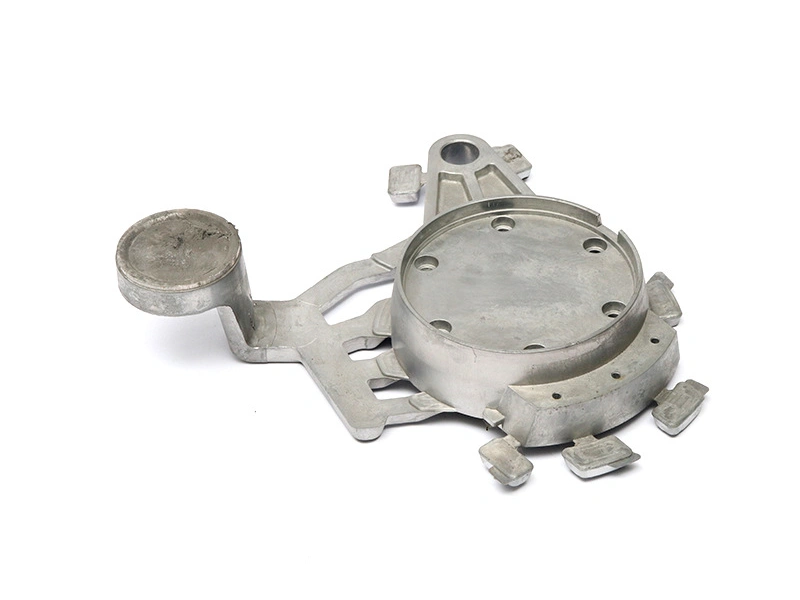
Casting | Porosity, shrinkage, flash and short shots | Controls casting defects. |
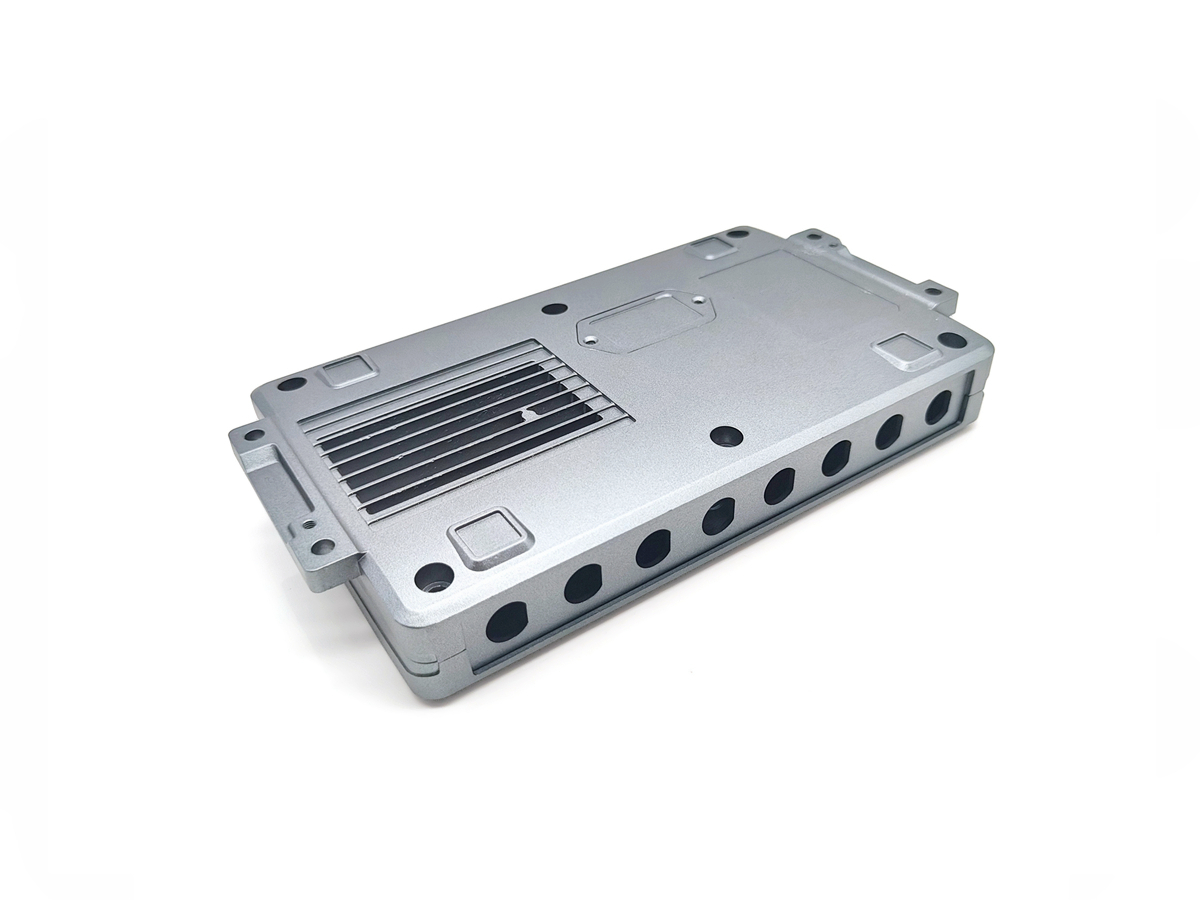
CNC machining | Critical dimensions, holes, threads and datum features | Protects assembly fit. |
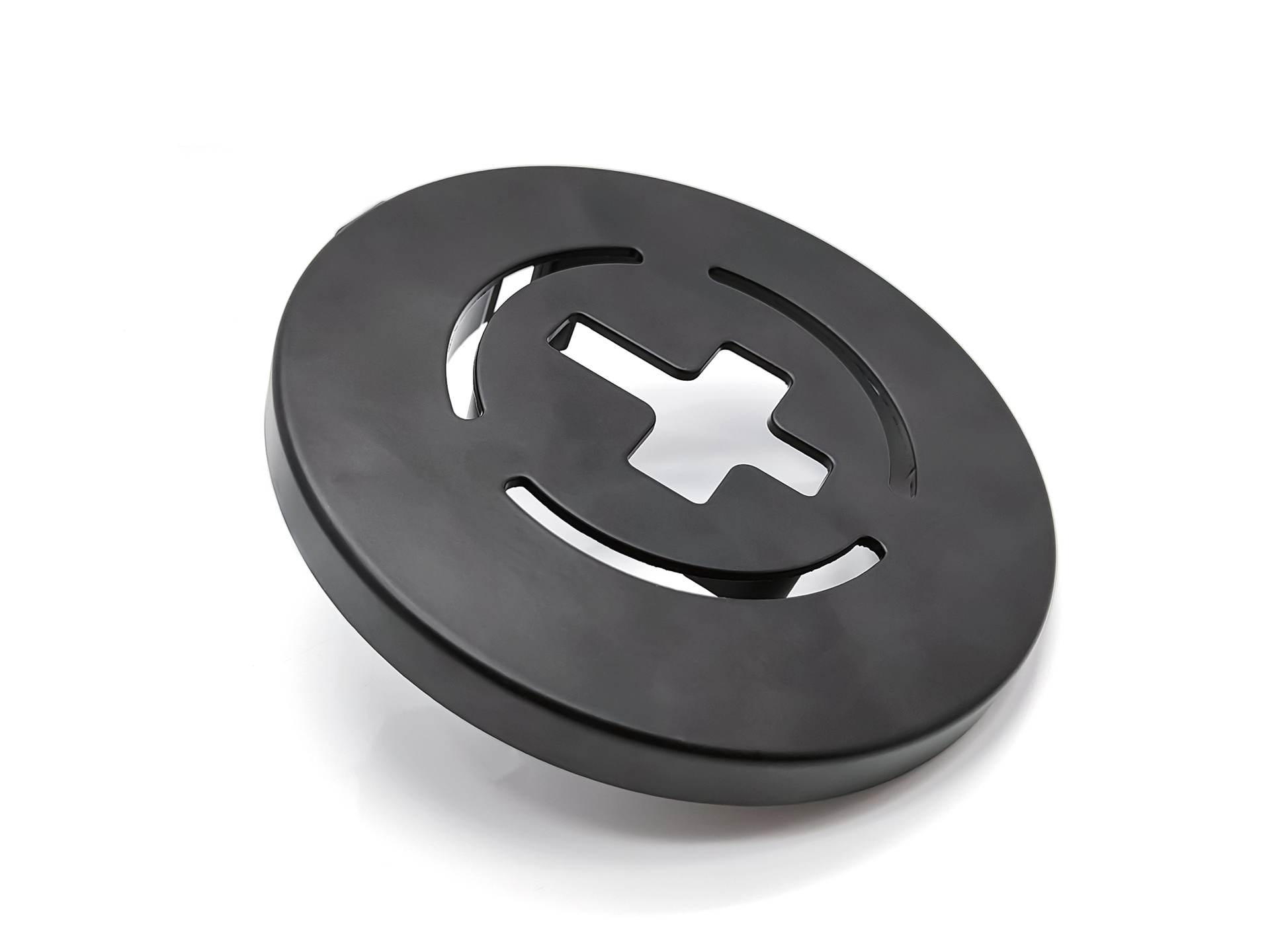
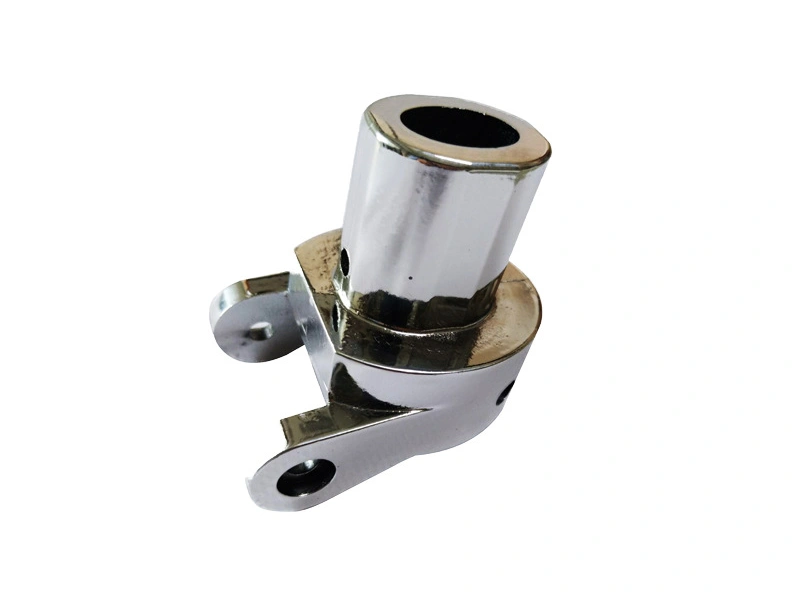
Surface finishing | Coating, color, adhesion and appearance | Protects cosmetic quality and corrosion resistance. |
Assembly | Fit and function | Confirms final use condition. |
Packaging | Protection and labeling | Protects delivery quality and traceability. |
2. Which Material and Dimensional Checks Should Be Used?
Material verification should confirm alloy grade and batch records. When material consistency is important, alloy composition analysis for metal casting can help verify that the alloy matches the required standard.
For critical dimensions, CMM inspection for cast metal parts can verify datum surfaces, hole positions, mating faces and functional dimensions. These checks are important when parts must assemble reliably.
3. When X-Ray, Surface and Assembly Inspection Are Needed
When internal defects may affect strength, sealing or reliability, X-ray inspection for metal cast parts can be used to detect hidden flaws. Surface inspection should confirm coating thickness, adhesion, color, texture and cosmetic appearance after finishing.
If the project includes assembly-ready delivery, functional testing, trial assembly and packaging inspection should also be included in the quality plan.
Quality Risk | Possible Result | Recommended Control |
|---|---|---|
Only final appearance is checked | Material, internal or dimensional issues may be missed. | Plan quality control across the full manufacturing process. |
No material records exist | Batch problems may be difficult to trace. | Use alloy verification, material records and batch labels. |
Critical dimensions are not checked properly | Parts may fail during assembly. | Use CMM inspection, gauges or fixtures for key features. |
Internal defects are not reviewed | Strength or sealing performance may be uncertain. | Use X-ray inspection when internal quality matters. |
Surface finishing is not rechecked | Coating may affect appearance or assembly clearance. | Inspect finished parts after coating or post-processing. |
Packaging standard is unclear | Finished parts may be damaged during transport. | Define packaging and labeling standards before shipment. |
4. How Neway Embeds Quality Into Metal Casting Solutions
Neway can integrate quality control into material selection, tooling, casting, CNC machining, surface finishing, assembly and packaging. For long-term projects, Neway can support mass production quality control and mass production metal casting solutions.
Summary
Buyer Concern | Recommended Quality Control |
|---|---|
How should quality control be planned? | Plan material, tooling, casting, CNC, finishing, assembly and packaging checks together. |
When is alloy composition analysis useful? | When material consistency and batch verification are important. |
When are CMM and X-ray inspections useful? | CMM helps verify critical dimensions, while X-ray helps detect hidden internal defects. |
Why is batch traceability important? | It helps track quality issues and keep repeat production consistent. |