What aluminum alloys are best for aerospace die casting?
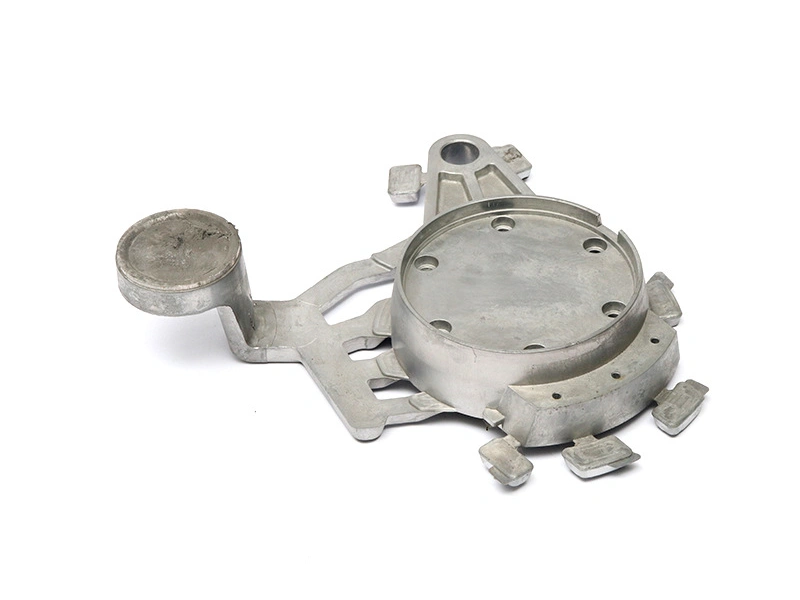
There is no single best aluminum alloy for aerospace die casting. Select the alloy together with the casting route and delivered condition. A356 or AlSi10Mg may be screened for selected gravity, low-pressure, investment, vacuum-assisted, or other qualified casting routes, while A360, A413, A380, ADC12, and related families may be screened for high-pressure die casting where their castability and part properties fit. None becomes “aerospace grade” merely because it appears on a material list.
Begin with function and failure consequence
Define whether the part is an enclosure, thermal frame, cover, bracket, pressure body, control component, interior fitting, ground-support item, or load-bearing structure. State static and cyclic loads, vibration, shock, temperature, pressure, fluid, corrosion, fire or smoke requirements, electrical bonding, EMI shielding, thermal path, service life, and what happens if the component fails.
A primary or highly loaded structural application may require material allowables, damage-tolerance evidence, fatigue behavior, and process controls that favor forging, wrought machining, or another qualified route. A die-cast enclosure can still have safety-relevant pressure, retention, or electrical functions. The part name alone cannot determine alloy suitability.
Do not confuse alloy family with process route
A356 and AlSi7Mg-type alloys are commonly associated with selected casting routes and heat-treated conditions. AlSi10Mg designations also appear across casting and additive routes. Their useful properties depend on exact composition, process, porosity, solidification, heat treatment, section, specimen source, and test method. A gravity-cast or additively manufactured data sheet does not approve a high-pressure die casting.
A360 and A413-type die-casting alloys offer different balances of filling, corrosion response, pressure integrity, thermal behavior, machining, and mechanical performance. A380 or ADC12 may fit general-purpose die-cast geometry and production but cannot be substituted into a controlled aerospace drawing without material and design-authority approval. Regional grade names that look similar may have different chemistry limits and documentation.
Ask the supplier to state exact designation, governing standard, chemistry, casting process, delivered condition, heat treatment if any, approved equivalents, and property evidence from a representative route and section. If the drawing specifies only “aluminum,” the requirement is not ready for tooling.
Treat heat treatment as a route-specific question
Heat treatment can alter strength, ductility, residual stress, dimensions, corrosion response, and coating behavior. Conventional high-pressure die castings may contain entrapped gas that can expand during some thermal cycles. Vacuum, squeeze, semi-solid, or other process variants may change that risk, but the combination of alloy, geometry, internal integrity, and cycle still needs evidence.
Do not apply a familiar temper designation unless the route and specification support it. State solution, quench, aging, stress-relief, dimensional, blister, and property requirements where applicable. Identify who performs the process, whether an approved special processor is required, how lots are traceable, and what tests release the condition.
Compare candidates by product evidence
Product need | Alloy/route direction to screen | Evidence before approval |
|---|---|---|
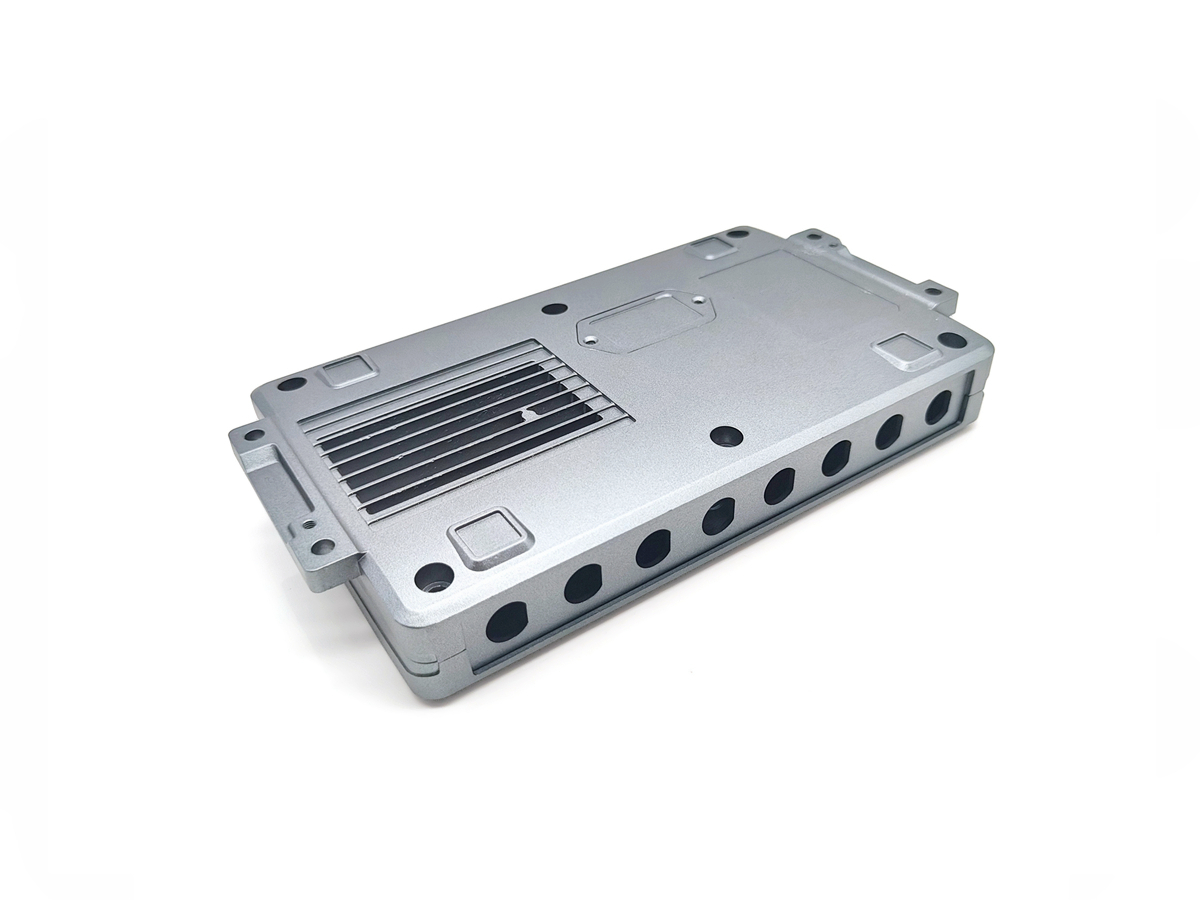
Integrated enclosure, shielding, or thermal frame at repeat quantity | Process-suitable HPDC aluminum such as a justified A360, A413, A380, ADC12, or regional equivalent | Exact chemistry, DFM, finished properties, integrity zones, coating and assembly tests |
Heat-treated casting with higher ductility or structural demand | A356, AlSi7Mg, AlSi10Mg, or another grade in a qualified non-HPDC or specialized route | Route and temper, porosity, section properties, fatigue/load and NDE plan |
Pressure or fluid housing | Alloy and casting route selected for fill and boundary integrity | Boundary map, machining breakout risk, leak/proof and endurance evidence |
Highly loaded primary path | Compare forging, wrought machining, and qualified casting routes | Allowables, damage tolerance, fatigue, load substantiation and regulatory approval |
Corrosion, bonding, or finish-sensitive surface | Alloy/finish system approved together | Production substrate, preparation, coating, masking, galvanic and environmental tests |
Verify properties in the relevant state
Use published values for screening only when grade, condition, section, specimen source, orientation, temperature, and test method are known. A separately cast test bar may not reproduce the cooling, porosity, oxide films, and local structure of a thin rib or heavy boss. Conversely, a coupon cut from one location may not represent the entire casting.
Build a sampling plan around the product risk. Chemistry, tensile, hardness, conductivity, microstructure, fatigue, corrosion, pressure, and functional tests answer different questions. Define whether specimens come from cast-on coupons, separate coupons, representative sections, or finished parts, and what each result controls. Do not use one tensile result as evidence of internal integrity or fatigue life.
Include finishing, joining, and environment
Anodizing, conversion coating, paint, powder coating, plating, adhesive bonding, welding, threaded inserts, and electrical grounding interact with alloy chemistry and casting surface. High-silicon die-casting alloys can respond differently in anodizing appearance and continuity from wrought aluminum. Porosity, release residue, polishing, blasting, and machining can alter coating results.
Define corrosion environment, dissimilar metals, area ratio, drainage, sealing, fasteners, coating damage, cleaners, hydraulic fluid, fuel, deicing chemicals, humidity, and temperature cycles. Test the finished assembly or representative joint. A general corrosion-resistance ranking cannot establish performance in a galvanic, coated aerospace assembly.
What buyers should send and receive
Provide controlled drawings, part function and classification, loads, environments, exact material or property targets, allowed routes, demand, internal-integrity zones, machining, heat treatment, finish, special-process sources, inspection, traceability, first-article, qualification, and change-control requirements. Use engineering review to compare feasible designs rather than asking for the highest catalog strength.
The aluminum casting supplier should return the exact alloy, route, condition, approved alternatives, property basis, DFM exceptions, tool concept, porosity controls, sampling, outside processors, records, and unresolved risks. The best aerospace aluminum is the one whose route-specific finished-part evidence satisfies the authorized design. It is not the alloy with the most impressive isolated data row.