Can an Aluminum Die Casting Mold Be Modified After Trial Samples?
Can an Aluminum Die Casting Mold Be Modified After Trial Samples?
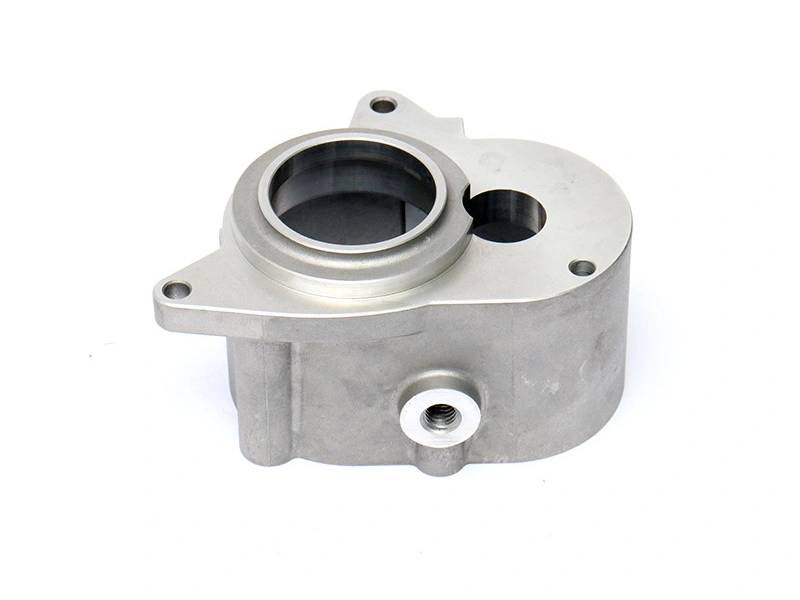
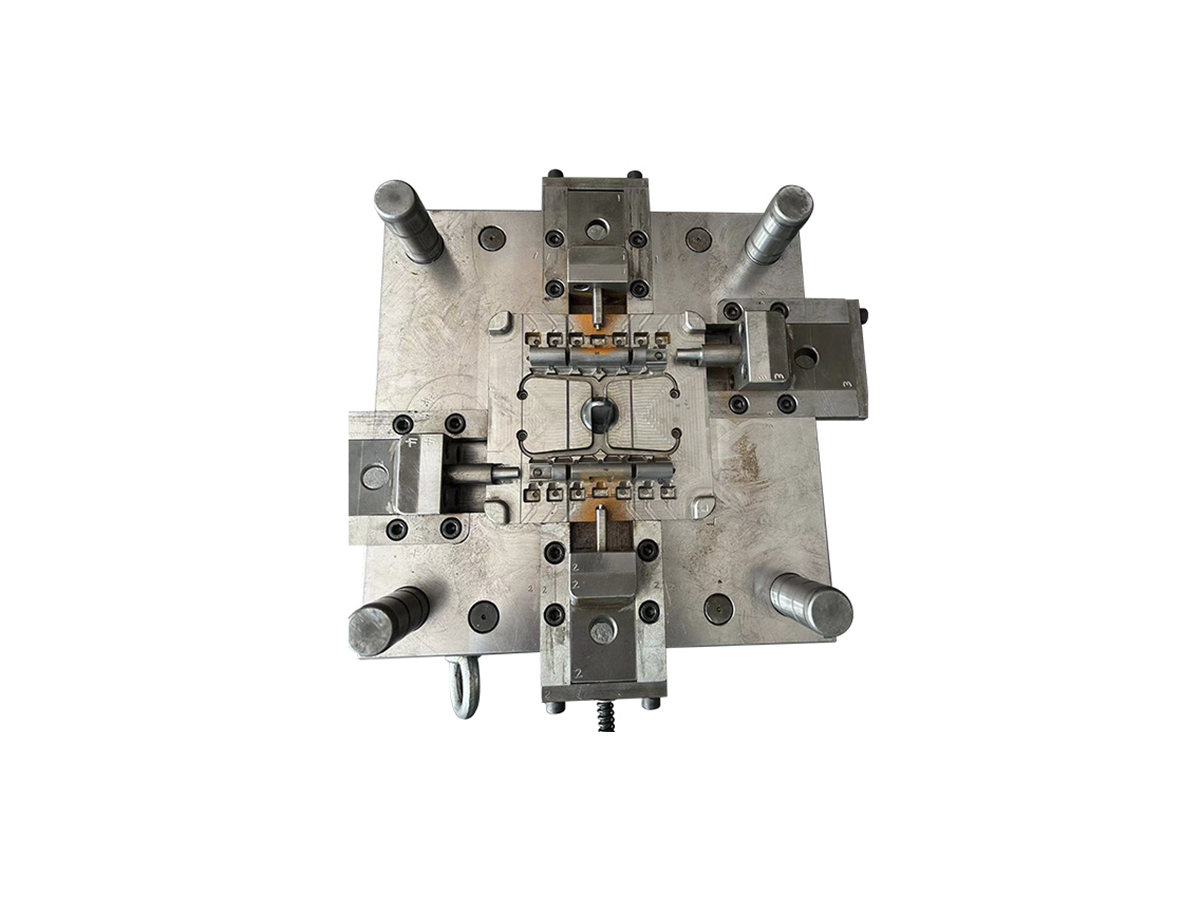
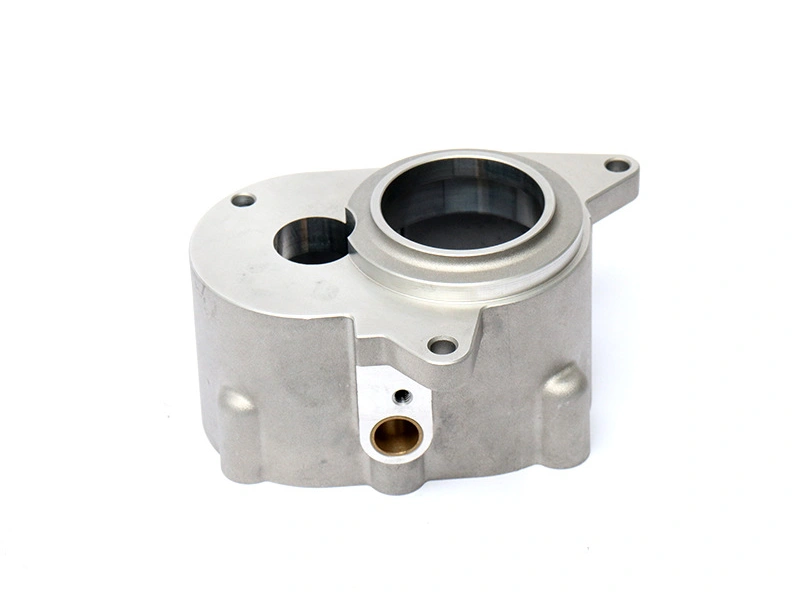
Yes, an aluminum die casting mold can often be modified after trial samples, but mold modification can increase cost, extend lead time and create new production risks. Common reasons include hole position deviation, assembly interference, unreasonable wall thickness, local shrinkage, porosity, cosmetic surface problems, unsuitable parting line position, visible ejector marks, insufficient CNC machining allowance and customer design changes.
To reduce aluminum die casting mold modification, buyers should complete DFM review, prototype validation, material confirmation, surface treatment confirmation and machining area confirmation before mold manufacturing. This is especially important when the project requires finished aluminum die casting samples for approval.
1. Common Reasons for Aluminum Die Casting Mold Modification
Modification Reason | What It Means | Possible Project Impact |
|---|---|---|
Hole position deviation | Mounting holes, threaded holes or locating holes do not match assembly needs | May require mold correction or CNC process adjustment |
Assembly interference | The part does not fit properly with mating components | May require design change, mold rework or extra machining |
Wall thickness problem | Some areas are too thick, too thin or uneven | May cause shrinkage, filling defects or deformation |
Porosity or shrinkage | Local defects appear in trial samples | May require gate, venting or cooling changes |
Cosmetic surface issue | Gate marks, ejector marks, flow marks or parting lines affect visible surfaces | May require tooling layout changes or extra finishing |
Insufficient CNC machining allowance | There is not enough stock to finish holes, faces or datums | May require cavity adjustment or design revision |
2. Why Mold Modification Increases Cost and Lead Time
Mold modification may require re-machining, welding, insert replacement, gate adjustment, venting adjustment, cooling changes, new trials, sample inspection and customer approval. Even small changes can delay production if they affect critical features or trial results.
Modification Type | Why It Adds Cost | Lead Time Risk |
|---|---|---|
Cavity correction | Requires mold machining and sample verification | Can delay sample approval |
Gate or runner change | Affects filling direction and surface quality | May require repeated trials |
Cooling change | Affects shrinkage, warpage and cycle time | May need longer validation |
Ejector position change | Affects mold structure and appearance areas | May be difficult after the mold is built |
CNC allowance correction | Affects finished part accuracy and machining process | Can delay finished sample delivery |
3. How DFM Review Reduces Mold Modification Risk
DFM review helps identify design and manufacturing risks before steel cutting. It can review wall thickness, draft angle, ribs, bosses, undercuts, parting line, gate position, venting, cooling, ejector layout, surface treatment and CNC machining allowance.
DFM Review Item | Risk It Helps Reduce | Buyer Benefit |
|---|---|---|
Wall thickness | Shrinkage, porosity, deformation and filling problems | Reduces trial defects and mold rework |
Assembly fit | Interference, hole mismatch and mating issues | Reduces design changes after tooling starts |
Surface requirements | Gate marks, ejector marks and parting line issues | Improves cosmetic surface planning |
CNC machining areas | Insufficient stock, unstable datums and high rework risk | Improves finished part accuracy and quote accuracy |
Material confirmation | Flow, shrinkage and surface treatment uncertainty | Reduces late material-related mold changes |
4. Why Prototype and Sample Validation Help
Prototype validation can help confirm structure, assembly, material direction, machining areas and surface expectations before production tooling. Trial samples then confirm whether the actual mold can produce acceptable parts. The more design issues are solved before tooling, the lower the modification risk.
Validation Stage | What It Confirms | Risk Reduced |
|---|---|---|
Prototype validation | Structure, fit, basic function and design direction | Reduces major design changes after mold making |
Material confirmation | Aluminum alloy suitability for strength, casting and finishing | Reduces late material changes |
Surface treatment confirmation | Polishing, coating, painting or other finishing requirements | Reduces appearance disputes after samples |
CNC machining confirmation | Machined holes, sealing faces, datums and tolerances | Reduces allowance and fixture problems |
5. Related Material Projects and Mold Modification
Mold modification risk also exists in custom metal casting supplier projects using zinc or other die casting materials. For example, zinc die cast parts may require modification for cosmetic surfaces, fine details, parting lines or plating requirements. The best method is always to confirm design, material, surface and machining needs before tooling.
6. Summary
Question | Answer |
|---|---|
Can an aluminum die casting mold be modified after trial samples? | Yes, but modification can increase cost, extend lead time and create production risk. |
Why are molds modified? | Common reasons include hole deviation, assembly interference, shrinkage, porosity, cosmetic issues and CNC allowance problems. |
How can buyers reduce mold modification? | Complete DFM review, prototype validation, material confirmation, surface treatment confirmation and machining area confirmation before tooling. |
Is mold modification always simple? | No. Some changes are minor, but others require major rework, new trials and schedule delays. |
In summary, an aluminum die casting mold can be modified after trial samples, but mold modification usually adds cost and lead time risk. Buyers can reduce this risk by confirming DFM, prototype results, material, surface treatment, CNC machining allowance and final design requirements before mold making starts.