How Does Die Cast Tooling Affect Part Quality?
How Does Die Cast Tooling Affect Part Quality?
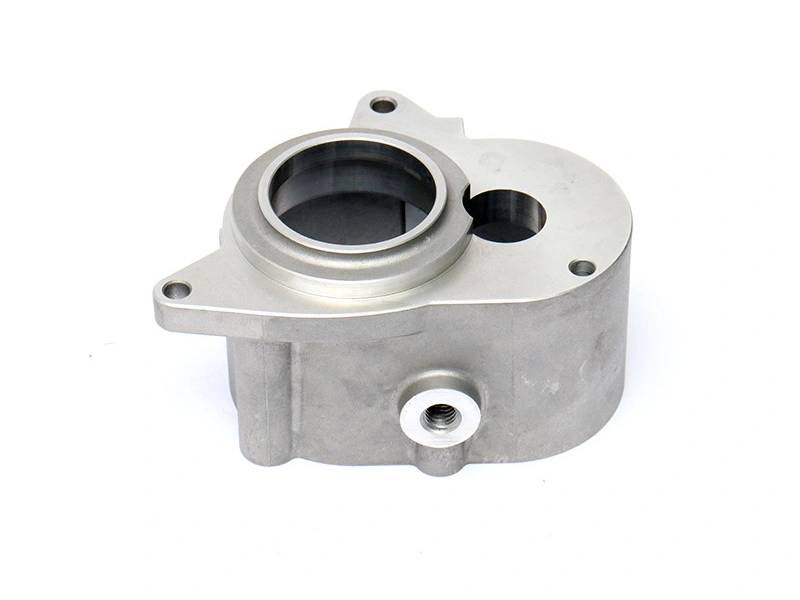
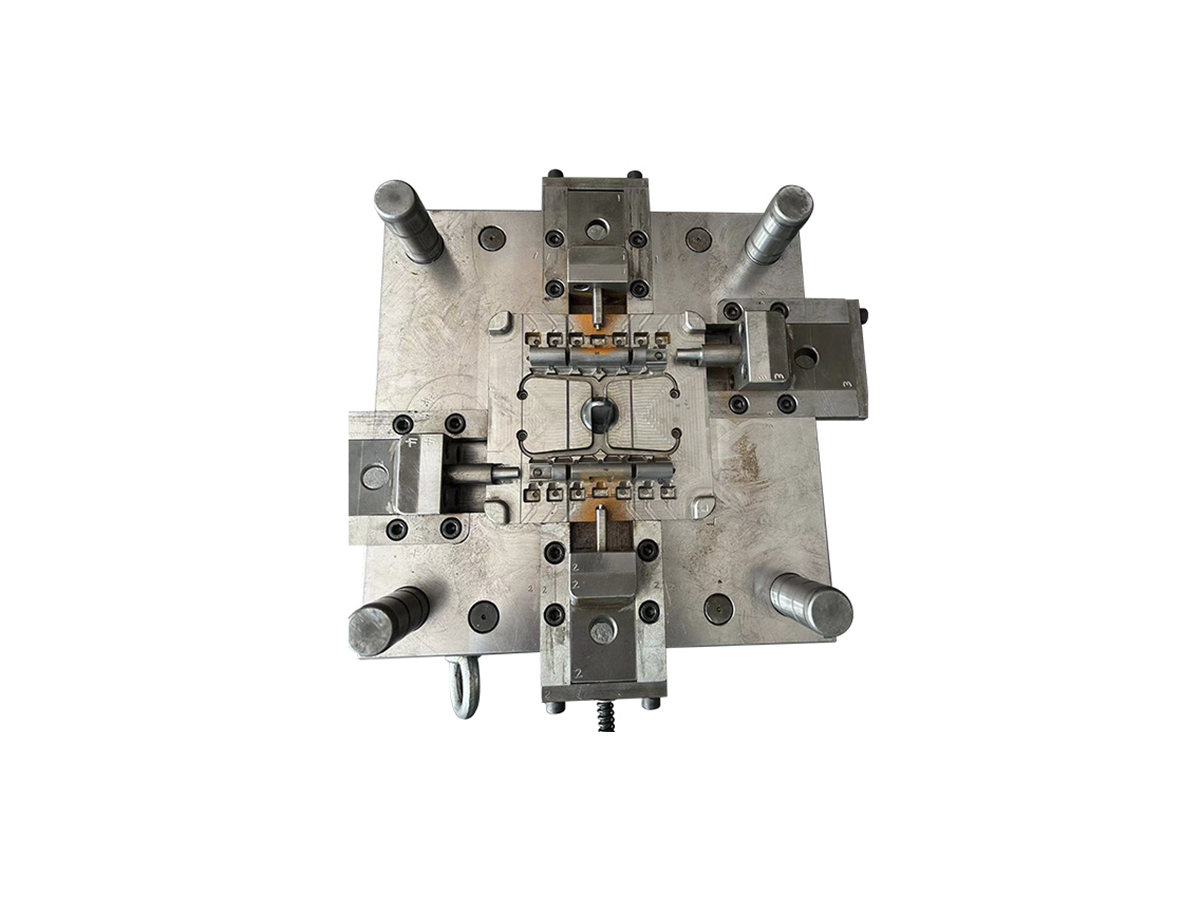
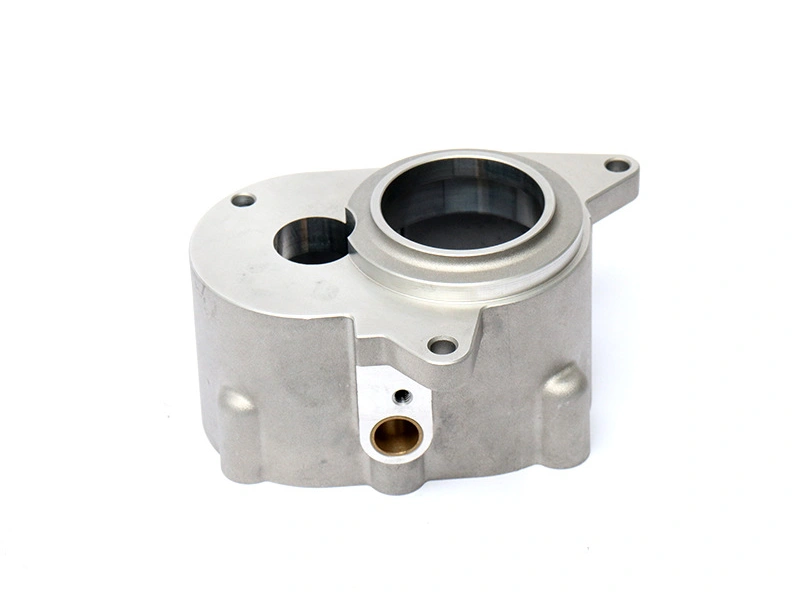
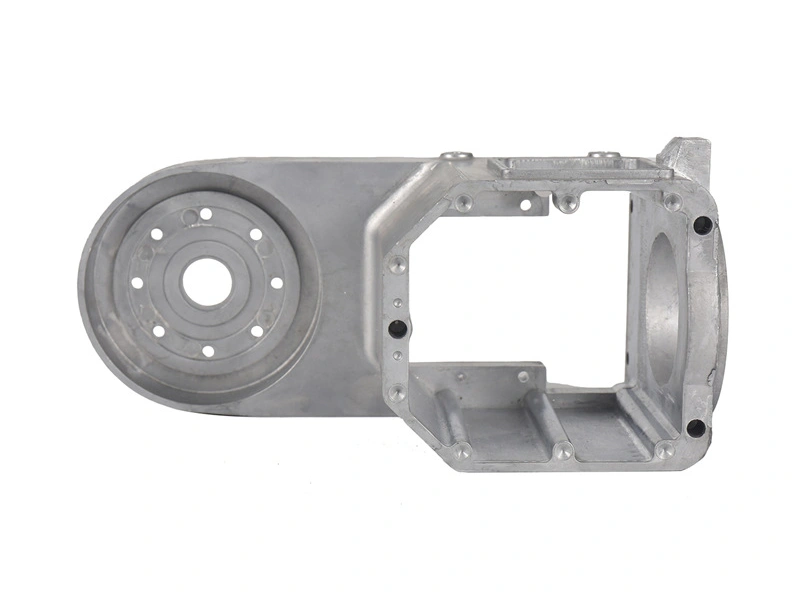
Die cast tooling design affects part quality by controlling metal filling, venting, cooling, ejection, parting line, surface quality and dimensional repeatability. Gate design affects filling and flow marks. Venting design affects porosity risk. Cooling design affects deformation and dimensional stability. Ejector pin position affects visible surfaces. Parting line affects polishing, coating and plating. Mold precision affects CNC machining allowance.
If buyers have strict appearance, tolerance, assembly or surface treatment requirements, these details should be confirmed during tooling design, not after trial samples. Good tooling design helps improve custom metal casting quality and reduces rework, scrap and delivery risk.
1. How Gate Design Affects Filling and Flow Marks
Gate design controls how molten metal enters the cavity. Poor gate location or unbalanced filling can create flow marks, cold shuts, trapped gas, weak areas and visible surface defects.
Gate Design Factor | Quality Impact | Buyer Should Confirm |
|---|---|---|
Gate location | Affects filling direction and visible gate marks | Cosmetic surfaces and functional surfaces |
Runner balance | Affects whether the cavity fills evenly | Thin walls, ribs, bosses and complex areas |
Filling speed | Affects flow marks, air trapping and surface quality | Appearance standard and porosity risk |
Gate trim area | Affects trimming, polishing and final appearance | Gate mark location and post-processing plan |
2. How Venting Design Affects Porosity Risk
Venting helps air escape from the cavity during high-speed filling. If venting is poor, trapped air can cause gas porosity, surface pits, weak areas and exposed pores after machining.
Venting Issue | Possible Defect | Buyer Risk |
|---|---|---|
Poor air release | Gas porosity and trapped air | Weak parts and higher scrap rate |
Air trapped near machined areas | Pores exposed after CNC machining | Rejected sealing faces or functional surfaces |
Air trapped near cosmetic surfaces | Surface pits or coating defects | Appearance rejection after polishing, coating or plating |
Unbalanced venting | Inconsistent filling quality | Unstable mass production quality |
3. How Cooling Design Affects Deformation and Dimensional Stability
Cooling design affects how the part solidifies. Uneven cooling can cause shrinkage, warpage, deformation, hot spots, dimensional drift and long cycle time. Good cooling design improves part quality and production efficiency.
Cooling Design Factor | Effect on Part Quality | Production Impact |
|---|---|---|
Balanced cooling | Reduces warpage and dimensional variation | Improves batch consistency |
Hot spot control | Reduces shrinkage and porosity in thick areas | Lowers scrap rate |
Stable mold temperature | Improves filling and surface quality | Supports stable cycle time |
Cycle time control | Prevents excessive cooling variation | Improves output and delivery reliability |
4. How Ejector Pin Position and Parting Line Affect Appearance
Ejector pin position and parting line placement are important for visible parts. If these features are placed on cosmetic surfaces, they may create marks that require extra polishing, coating, plating or design changes.
Tooling Feature | Appearance Impact | Buyer Should Confirm |
|---|---|---|
Ejector pin position | May leave visible marks after casting | Visible surfaces and acceptable mark locations |
Parting line | May affect polishing, coating, plating and appearance inspection | Parting line position before tooling design |
Gate trim area | May need polishing or finishing after removal | Gate location away from key cosmetic surfaces when possible |
Flash area | May require trimming and deburring | Appearance and assembly areas that cannot accept flash |
5. How Mold Precision Affects CNC Machining Allowance
Mold precision affects CNC machining allowance after casting. If the mold does not control dimensions and datums well, machining stock may be unstable, holes may shift, sealing faces may not clean up and inspection cost may increase.
Mold Precision Factor | CNC Machining Impact | Buyer Benefit of Good Tooling |
|---|---|---|
Stable casting datums | Improves fixture location during machining | Better hole position and dimensional repeatability |
Correct machining allowance | Ensures enough stock for final cleanup | Reduces rejected machined surfaces |
Porosity control near machined areas | Prevents exposed pores after cutting | Improves sealing and functional reliability |
Dimensional consistency | Reduces CNC adjustment and inspection variation | Lowers machining cost and quality disputes |
6. How Tooling Quality Affects Different Die Casting Materials
Tooling quality affects aluminum die casting quality, zinc die casting quality and copper die casting tooling performance. The specific risks may differ by material, but poor tooling usually increases scrap, rework and delivery risk.
Material Route | Tooling Quality Focus | Buyer Risk if Ignored |
|---|---|---|
Aluminum die casting | Cooling, shrinkage, porosity, lightweight structure and machining allowance | Warpage, exposed pores and unstable machined surfaces |
Zinc die casting | Fine details, cosmetic surfaces, flash control and small precision features | Appearance defects, burrs and cosmetic finishing problems |
Copper alloy die casting | Tool wear, functional surfaces, conductivity areas and machining needs | Higher tool wear, machining variation and inspection risk |
7. Summary
Tooling Design Area | Effect on Die Cast Part Quality |
|---|---|
Gate design | Affects filling, flow marks and surface quality |
Venting design | Affects gas porosity and trapped air risk |
Cooling design | Affects shrinkage, warpage, cycle time and dimensional stability |
Ejector pin position | Affects visible marks and cosmetic surface quality |
Parting line | Affects polishing, coating, plating and appearance inspection |
Mold precision | Affects CNC machining allowance and batch dimensional consistency |
In summary, die cast tooling affects part quality through gate design, venting, cooling, ejector pin position, parting line, mold precision and mold quality. Buyers should confirm cosmetic surfaces, tolerances, assembly faces, surface treatment and CNC machining requirements during tooling design, not after trial samples.