How Much Does an Aluminum Die Casting Mold Cost?
How Much Does an Aluminum Die Casting Mold Cost?
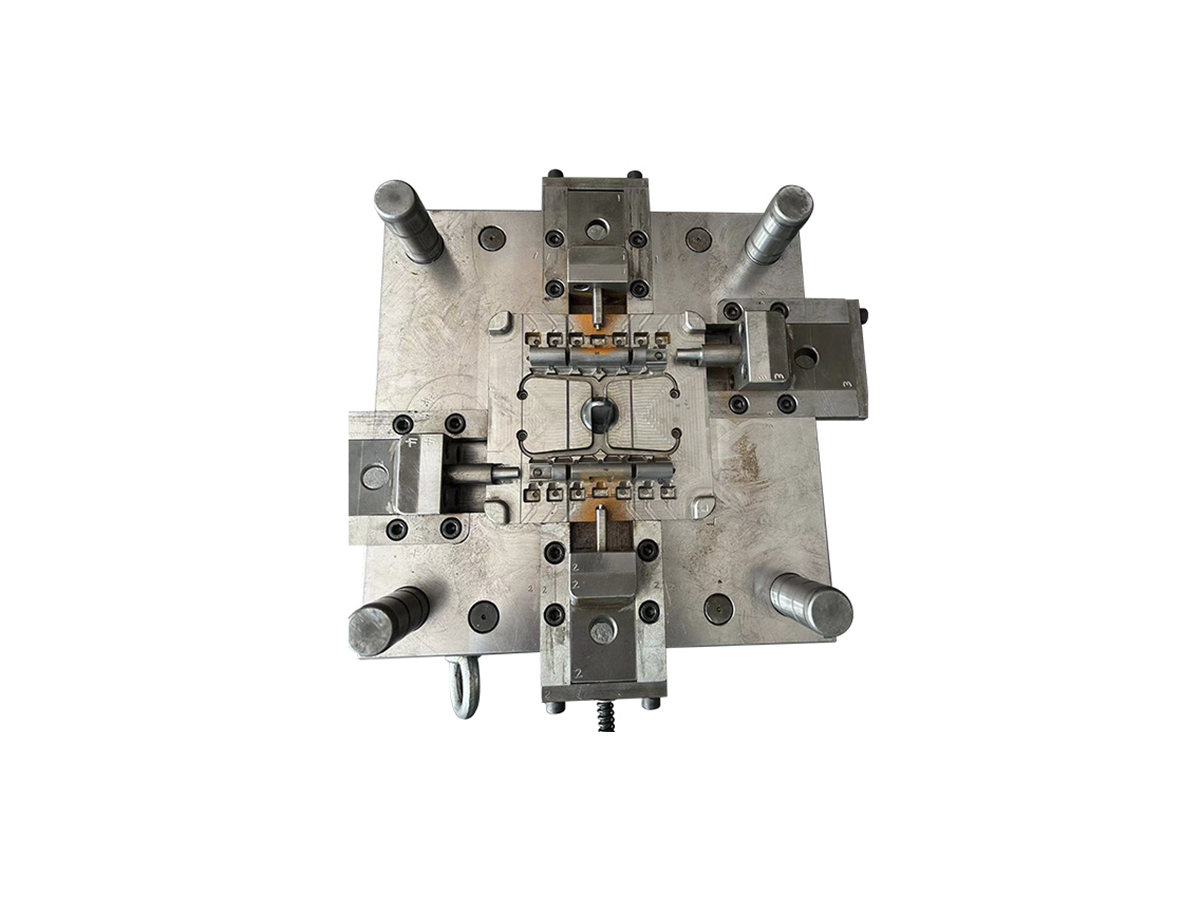
The cost of an aluminum die casting mold depends on part size, part weight, mold base size, cavity number, slider or insert structure, gate and runner design, cooling design, surface requirements, tolerance requirements, expected production volume, trial mold needs and modification risk. There is no fixed mold price for every aluminum die casting project because each part has different geometry, quality targets and production plans.
Buyers should not compare mold price alone. A better decision is to compare mold cost, unit cost, tool life, cycle time, scrap rate, CNC machining after aluminum die casting, maintenance cost and long-term production stability.
1. Main Factors That Affect Aluminum Die Casting Mold Cost
Cost Factor | Why It Affects Mold Cost | Buyer Should Review |
|---|---|---|
Part size and weight | Larger parts need larger mold bases, more steel and larger machines | Part envelope, weight and wall thickness |
Cavity number | Multi-cavity molds cost more but can improve production output | Annual demand and unit cost target |
Sliders and inserts | Undercuts, side holes and complex features require more mold actions | Whether complex structures can be simplified |
Gate and runner design | Controls metal flow, filling quality and surface risk | Cosmetic surfaces, filling direction and defect risk |
Cooling design | Affects cycle time, shrinkage, deformation and dimensional stability | Part thickness, hot spots and production volume |
Surface and tolerance requirements | High appearance and tight tolerances increase mold precision and inspection needs | Cosmetic areas, critical dimensions and machining allowance |
2. How Part Complexity Affects Mold Price
Complex aluminum die cast parts usually require more complex mold design. Thin walls, deep ribs, large housings, undercuts, side holes, cosmetic surfaces and high-tolerance areas can increase mold manufacturing difficulty and trial risk.
Part Feature | Cost Impact | Cost Control Suggestion |
|---|---|---|
Large housing | Requires larger mold base and stronger tooling structure | Review wall thickness and structural efficiency |
Undercuts | May require sliders, inserts or complex mold actions | Simplify geometry where possible before tooling |
Thin walls | Require careful flow, gate, venting and thermal design | Confirm manufacturability during DFM review |
High cosmetic surfaces | Need better gate planning, ejector planning and cavity finish | Mark cosmetic surfaces before mold design |
Tight tolerances | Increase mold precision, machining allowance and inspection requirements | Apply tight tolerances only where function requires them |
3. How Cavity Number Affects Mold Cost and Unit Cost
Cavity number has a major effect on mold cost. A single-cavity mold is usually cheaper upfront, while a multi-cavity mold costs more but can produce more parts per cycle. The right choice depends on annual demand, production schedule, part size and target unit cost.
Mold Type | Best Use | Cost Impact |
|---|---|---|
Single-cavity mold | Lower volume, large parts or early production validation | Lower mold cost but higher unit cost at large volume |
Multi-cavity mold | Medium and high volume production with stable demand | Higher upfront cost but better production efficiency |
Production mold | Long-term repeated production | Higher tooling investment but better stability and tool life |
Trial mold | Risk validation before full production tooling | Can reduce design risk but may not be ideal for mass production |
4. Why Low Mold Price Does Not Always Mean Low Total Cost
A low mold price may look attractive at the beginning, but poor mold design can create higher long-term cost. If the mold causes high scrap rate, slow cycle time, frequent maintenance, unstable dimensions, excessive flash or poor machined surfaces, the total project cost may increase.
Low-Quality Mold Risk | Possible Result | Long-Term Cost Impact |
|---|---|---|
Poor cooling | Warpage, shrinkage and long cycle time | Higher scrap and lower output |
Poor venting | Gas porosity and surface defects | Higher rejection and machining failure risk |
Weak mold fit | Flash and burrs | More trimming, deburring and polishing cost |
Unstable dimensions | Machining allowance variation and inspection disputes | Higher CNC machining and quality control cost |
Short tool life | Frequent maintenance or early replacement | Higher downtime and production risk |
5. How Aluminum Mold Cost Compares With Other Casting Projects
Aluminum mold cost should be evaluated together with overall aluminum die casting cost. Buyers may also compare custom metal casting cost or copper die casting tooling for different material projects. Each material has different mold wear, processing difficulty, post-machining and production stability considerations.
Project Type | Main Cost Focus | Buyer Decision |
|---|---|---|
Aluminum die casting mold | Cooling, shrinkage, cycle time, machining allowance and production volume | Choose based on long-term unit cost and quality stability |
Copper die casting tooling | Material behavior, tool wear, machining and functional performance | Choose when copper function justifies higher total cost |
Custom metal casting tooling | Material, geometry, quantity and finished part requirements | Compare total manufacturing cost, not only mold price |
6. Summary
Cost Factor | Main Impact on Aluminum Die Casting Mold Cost |
|---|---|
Part size and weight | Affect mold base size, steel cost and machine requirement |
Cavity number | Affects upfront tooling cost and production efficiency |
Sliders and inserts | Increase mold complexity and maintenance needs |
Gate, runner and cooling design | Affect filling quality, cycle time, porosity and stability |
Surface and tolerance requirements | Affect mold precision, post-machining and inspection cost |
Expected production volume | Affects tooling strategy, tool life and long-term unit cost |
In summary, aluminum die casting mold cost depends on part size, weight, mold base, cavity number, sliders, inserts, gate design, runner design, cooling design, surface requirements, tolerances, production volume and trial risk. Buyers should compare mold cost, unit cost, tool life, cycle time, scrap rate, CNC machining cost and long-term production stability together.