What Is D2 Steel Used for in Die Casting Tooling?
D2 steel is used in die casting tooling when a defined tool feature needs high wear resistance and the application can tolerate D2's toughness and thermal-fatigue trade-offs. It is commonly considered for wear-prone inserts, trim or forming components, guides, punches, and other localized tooling features. It is not a universal replacement for hot-work die steels. The correct choice depends on the cast alloy, temperature exposure, impact, feature geometry, heat treatment, machining route, and repair plan.
The first buyer question should be “which tool feature is wearing, and why?” A gate insert exposed to erosive metal flow has a different risk from a thin shutoff that is struck during closing. A guide or trim feature may benefit from wear resistance while a cavity area exposed to repeated thermal cycling may need a different balance. The D2 steel tooling route should therefore be reviewed against the tool drawing, not quoted from the steel name alone.
Where D2 Can Make Sense
D2 can make sense where abrasive wear, sliding contact, or repeated edge contact is the dominant failure mode. Its high carbon and high chromium alloy system can support a hard, wear-resistant condition after suitable processing. That may help a replaceable insert hold its profile or reduce the rate at which a working edge rounds over. The benefit has to be demonstrated on the actual feature because a certificate confirms chemistry, not service behavior.
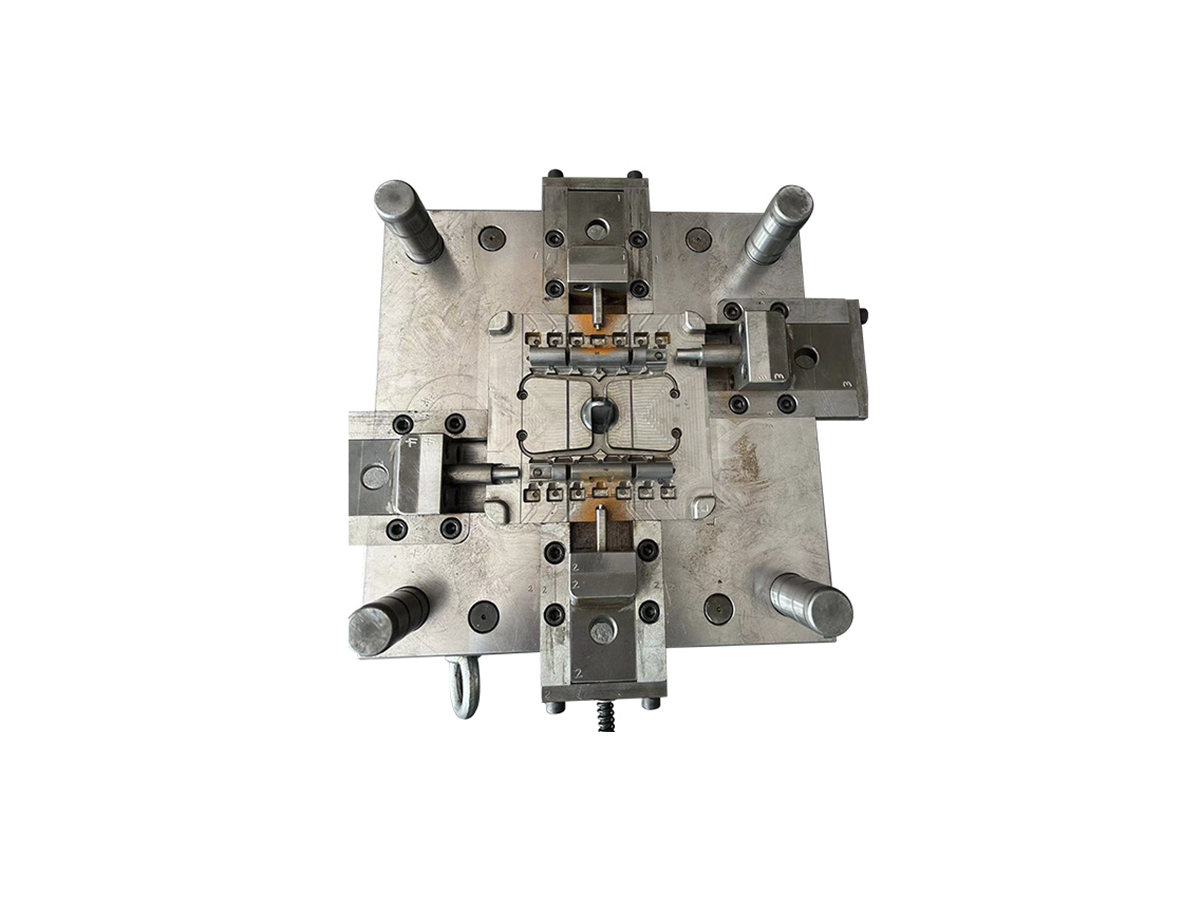
Replaceable inserts are often a practical way to use D2 selectively. The tool designer can reserve the material for a gate, trim edge, core feature, or local wear pad while using another material for a larger body. This can reduce the repair area and make a maintenance plan more specific. It also introduces a joint, alignment requirement, and spare-part responsibility. Inspect the assembled tool and the casting after an insert is installed; an accurate loose insert can still produce a step or flash line when fitted poorly.
Tool feature | Why D2 may be considered | Risk to check |
|---|---|---|
Wear insert | Localized sliding or erosive exposure | Chipping, heat history, and replacement access |
Trim or forming edge | Repeated contact can round the profile | Impact, edge support, and safe sharpening plan |
Guide or wear pad | Repeated movement creates local abrasion | Alignment, lubrication, and thermal exposure |
Main cavity or core | Possible wear benefit in a defined area | Thermal cycling, toughness, polishing, and repair |
Where D2 Needs Caution
D2 needs caution at sharp corners, thin shutoffs, impact-prone slides, and areas with severe thermal cycling. A harder condition may resist wear while leaving less tolerance for impact or thermal-fatigue damage. The result can be a chipped edge, a crack at a corner, or a repair that changes the parting relationship. Do not solve an observed wear problem by increasing hardness without reviewing the failure mode and the support behind the edge.
Machining and finishing are part of the decision. D2's condition affects cutting tools, grinding, polishing, and the ability to restore a functional surface. A supplier should state when heat treatment occurs, how distortion is controlled, and which dimensions are measured after the final operation. Tool maintenance should identify whether polishing, grinding, insert replacement, or welding is allowed on each feature.
What to Request Before Approval
For an RFQ, provide the cast alloy, tool location, expected exposure, tool life objective, insert drawing, finish requirement, cooling arrangement, and repair constraints. Ask for the specified D2 standard or grade, starting condition, heat-treatment record, hardness or dimensional verification, and a trial plan. If an alternative steel is proposed, require a comparison based on wear, toughness, thermal cycling, machining, and maintenance rather than the word “equivalent.”
D2 is most useful as a controlled answer to a named wear problem. It is a poor selection method when the buyer has not separated wear from thermal fatigue, impact, sticking, or alignment. Final approval should connect the material record to the assembled tool and a production-representative casting. That evidence shows whether the chosen D2 feature supports the part requirement.
Neway's tool and die making service can be reviewed with the insert drawing, heat-treatment requirements, and maintenance scope. The quotation should state whether D2 is used in the whole tool or only in selected working features.
There is also a practical distinction between a tool feature that makes the part and one that only supports the tool. A cavity insert must preserve the casting surface and any cosmetic boundary. A trim edge must hold its profile while remaining serviceable. A guide or wear pad must keep movement aligned so that the resulting flash or mismatch does not move into the casting. D2 should be assigned only after these functions are separated.
Before awarding the work, ask how the supplier will identify the first measurable sign of deterioration. That might be a profile measurement, a flash limit, a change in ejection force, or a visual indication at a defined location. The record should name the inspection point and the action that follows it. This gives high-wear D2 inserts a manageable maintenance decision instead of an open-ended claim about life.