What Is Die Cast Tooling?
What Is Die Cast Tooling?
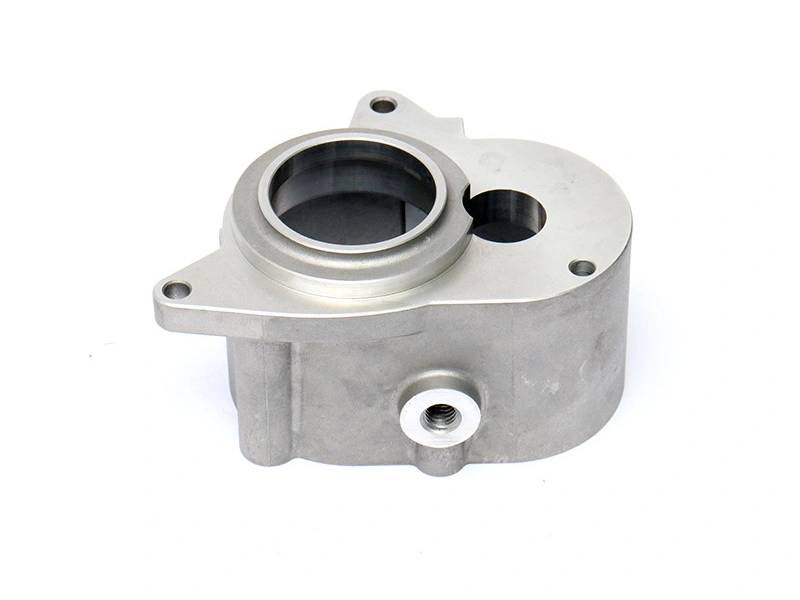
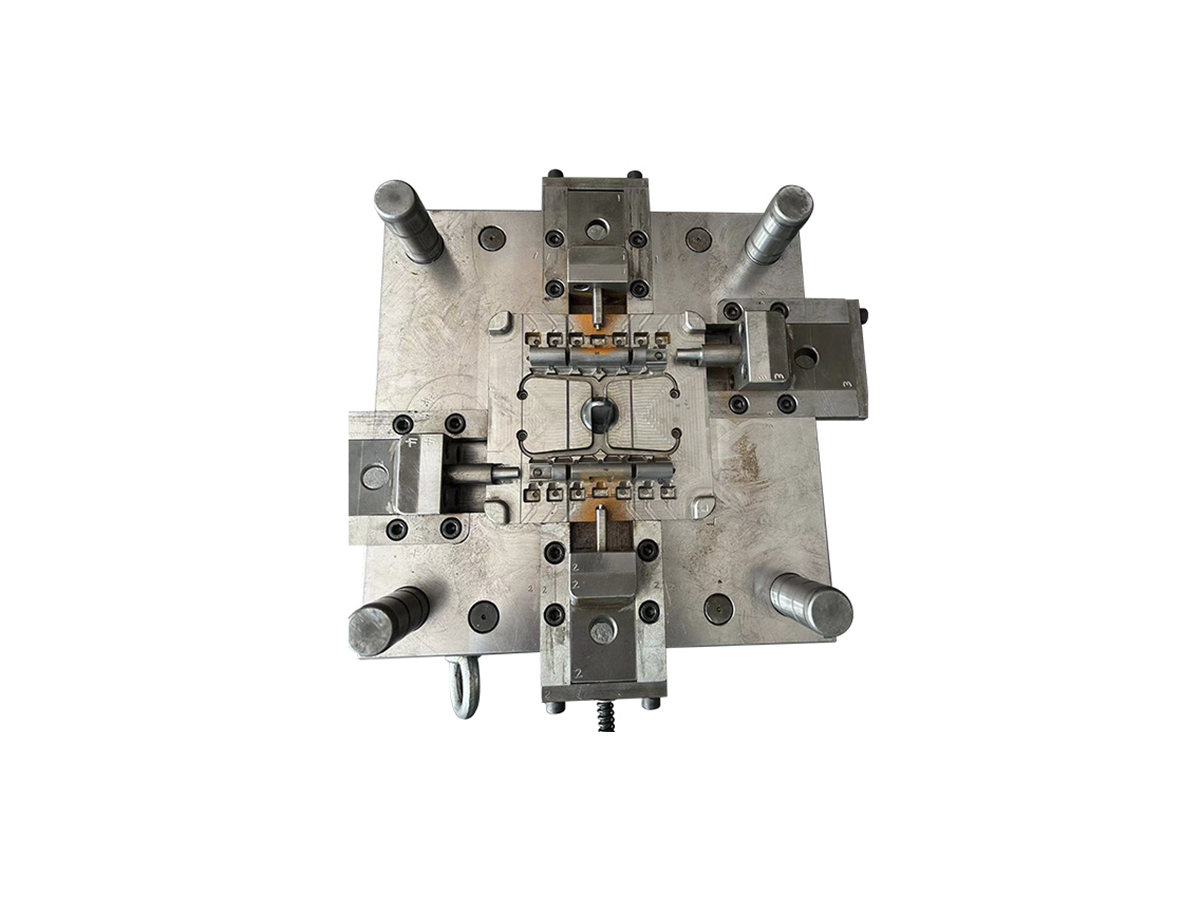
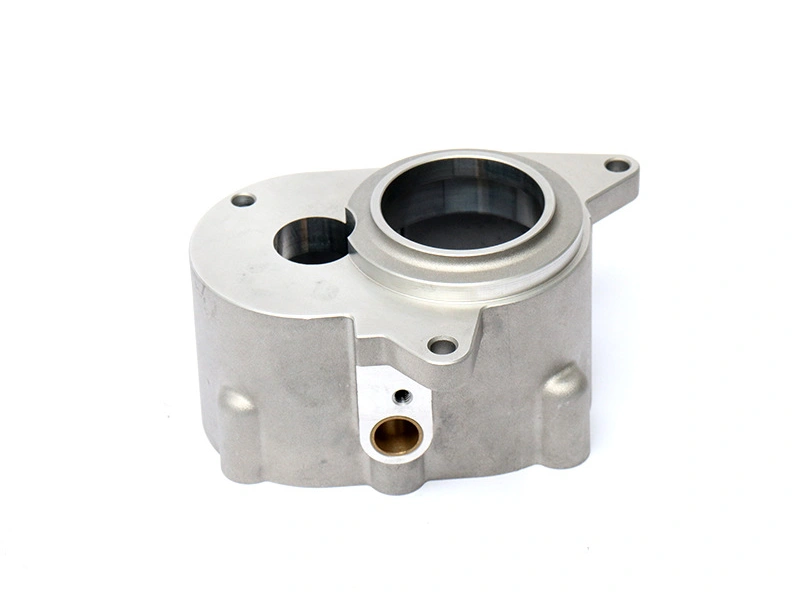
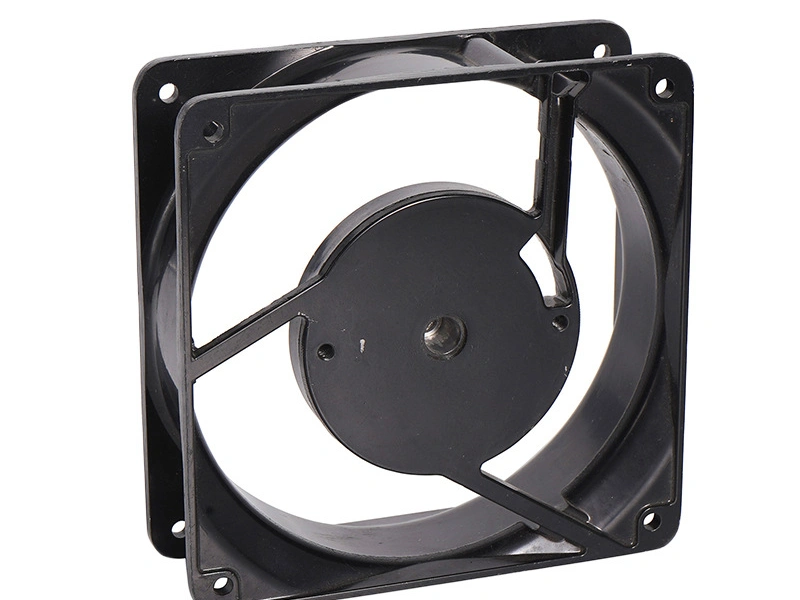
Die cast tooling is the core mold system used to produce die cast metal parts. It includes cavities, cores, gates, runners, vents, cooling channels, ejector structures, inserts and parting line features. These tooling elements control how molten metal fills the mold, cools, solidifies and releases from the mold during production.
For buyers planning custom metal casting projects, die cast tooling should not be viewed only as an upfront mold fee. It is a key production investment that affects unit cost, part quality, CNC machining cost, surface finish and mass production stability.
1. Main Parts of Die Cast Tooling
Tooling Area | Main Function | Impact on Die Cast Parts |
|---|---|---|
Cavity | Forms the external shape of the die cast part | Affects dimensions, appearance and repeatability |
Core | Forms internal features, holes, ribs, bosses and complex structures | Affects geometry, assembly features and tooling complexity |
Gate and runner | Guide molten metal into the mold cavity | Affect filling, flow marks, porosity risk and surface appearance |
Venting | Helps trapped air escape during filling | Reduces gas porosity, air traps and filling defects |
Cooling system | Controls mold temperature and solidification | Affects shrinkage, warpage, cycle time and dimensional stability |
Ejector system | Pushes the casting out of the mold after solidification | Affects ejector marks, deformation risk and production stability |
2. Why Die Cast Tooling Is Important
Die cast tooling determines whether the metal part can be produced consistently. Good tooling helps the metal fill the mold smoothly, releases trapped air, controls cooling, reduces flash and supports stable part dimensions across repeated batches.
Quality Area | How Tooling Affects It | Buyer Risk if Tooling Is Poor |
|---|---|---|
Dimensions and tolerances | Cavity precision, shrinkage allowance and cooling design affect final size | Out-of-tolerance samples and unstable batch dimensions |
Surface appearance | Gate location, parting line, ejector marks and cavity finish affect visible surfaces | More polishing, coating defects and cosmetic rejection |
Porosity | Runner, gate and venting design affect trapped gas and filling quality | Weak areas, exposed pores after machining and higher scrap rate |
Flash and burrs | Mold fit and parting line quality affect metal leakage | More trimming, deburring and finishing cost |
Mass production efficiency | Cooling, ejection and mold life affect cycle time and output | Lower production efficiency and unstable delivery |
3. How Tooling Differs by Die Casting Material
Different die casting materials require different tooling considerations. Aluminum die casting tooling often focuses on cooling, shrinkage, porosity and lightweight structures. Zinc die casting tooling often focuses on small details, surface quality and flash control. Copper alloy die casting tooling often requires careful review of tool wear, functional surfaces and machining needs.
Material Route | Main Tooling Focus | Typical Buyer Need |
|---|---|---|
Aluminum die casting | Cooling, shrinkage, porosity, machining allowance and larger structures | Lightweight parts, housings, heat sinks and structural components |
Zinc die casting | Fine details, flash control, cosmetic surfaces and dimensional stability | Small precision parts, hardware and decorative components |
Copper alloy die casting | Tool wear, functional surfaces, conductivity areas and post-machining | Conductive, thermal, wear-resistant and functional parts |
4. Why Tooling Affects CNC Machining After Die Casting
Many die cast parts need CNC machining after die casting for precision holes, threads, sealing faces, mounting faces, datums and high-tolerance assembly areas. Tooling must provide enough machining allowance and stable reference surfaces for these operations.
CNC Related Tooling Factor | Why It Matters | Buyer Benefit |
|---|---|---|
Machining allowance | Ensures enough material remains for final machining | Reduces insufficient cleanup and rejected parts |
Datum planning | Helps fixtures locate parts consistently | Improves hole position, flatness and inspection repeatability |
Porosity control | Reduces pores exposed on machined surfaces | Improves sealing and functional reliability |
Dimensional stability | Reduces variation before CNC machining | Lowers machining adjustment and inspection cost |
5. Summary
Question | Answer |
|---|---|
What is die cast tooling? | It is the mold system used to form molten metal into die cast parts. |
What does die cast tooling include? | It includes cavities, cores, gates, runners, vents, cooling channels, ejectors and inserts. |
Why is tooling important? | It affects dimensions, tolerances, appearance, porosity, flash, cycle time and mass production efficiency. |
Why should buyers treat tooling as an investment? | Tooling affects unit cost, part quality, CNC machining cost, surface finish and long-term production stability. |
In summary, die cast tooling is the core mold system that controls metal filling, cooling, solidification and ejection. For medium and high volume die casting projects, tooling quality directly affects part quality, unit cost, CNC machining cost, surface finish, scrap rate and mass production stability.