What Should Buyers Prepare Before Starting Die Cast Tooling?
What Should Buyers Prepare Before Starting Die Cast Tooling?
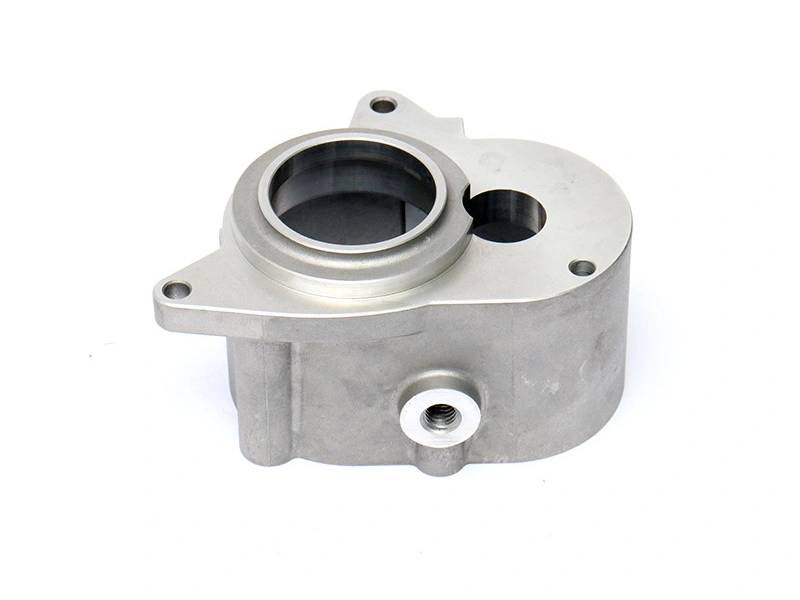
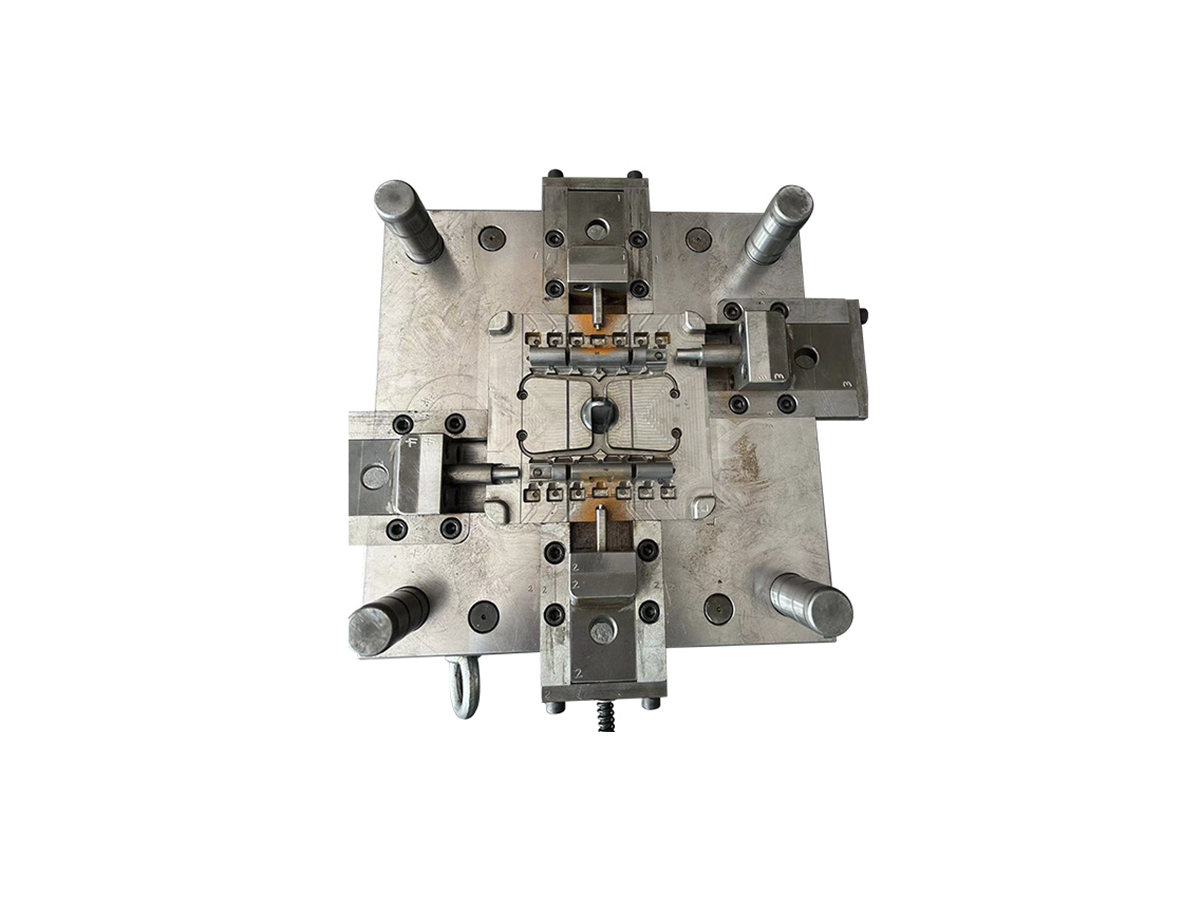
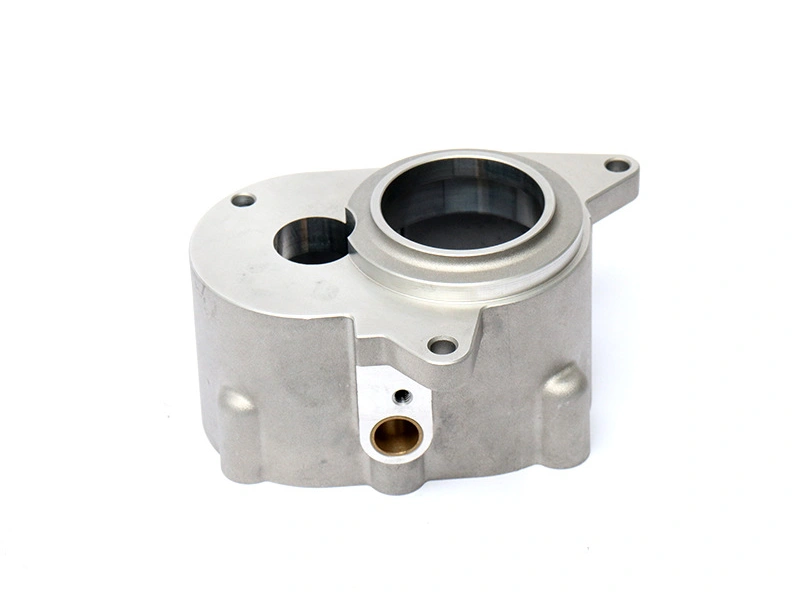
Before starting die cast tooling preparation, buyers should prepare 2D drawings, 3D models, material requirements, annual demand, order quantity, tolerance requirements, critical dimensions, cosmetic surface markings, surface treatment requirements, CNC machining areas, assembly requirements, working environment, samples or reference parts, target cost and production schedule.
The more complete the project information is, the easier it is for a supplier to evaluate die cast tooling, unit cost, CNC machining, surface treatment, inspection and production lead time. Complete information also reduces quotation errors, mold modification risk and sample approval delays.
1. Quick Checklist Before Starting Die Cast Tooling
Buyer Should Prepare | Why It Matters | How It Helps the Supplier |
|---|---|---|
2D drawing | Shows dimensions, tolerances, datums, holes, threads and inspection notes | Helps evaluate critical dimensions and post-machining needs |
3D model | Shows full geometry, wall thickness, ribs, bosses and undercuts | Helps evaluate mold structure and casting feasibility |
Material requirement | Material affects flow, shrinkage, strength, machining and surface treatment | Helps design gate, runner, venting and cooling strategy |
Annual demand and order quantity | Volume affects mold material, cavity number, tool life and unit cost | Helps choose the right tooling strategy |
Tolerance requirement | Tight tolerances affect mold precision, CNC machining and inspection | Helps separate critical dimensions from general dimensions |
CNC machining areas | Machined areas need allowance, fixtures, tools and inspection | Helps quote finished parts accurately |
2. Why Drawings, Models and Material Requirements Are Essential
The 3D model defines geometry, while the 2D drawing defines dimensions, tolerances, datums, functional surfaces and inspection requirements. Material requirements should also be confirmed before tooling because material affects mold filling, shrinkage, cooling, strength, CNC machining and surface treatment.
Information | What It Controls | Risk if Missing |
|---|---|---|
2D drawing | Critical dimensions, tolerances, datums and inspection standards | Supplier may miss functional or machining requirements |
3D model | Wall thickness, ribs, bosses, undercuts and overall structure | Tooling complexity may be underestimated |
Material requirement | Material flow, shrinkage, strength and finishing suitability | Late material changes may cause trial failure |
Revision control | Confirms the latest approved design version | Tooling may be made from outdated files |
3. Why Critical Dimensions, Cosmetic Surfaces and CNC Areas Must Be Marked
Buyers should clearly mark critical dimensions, cosmetic surfaces and CNC machining areas before tooling. These details affect gate position, ejector pin position, parting line, machining allowance, inspection method, surface treatment and final appearance.
Marking Type | Why It Matters | Supplier Use |
|---|---|---|
Critical dimension marking | Shows dimensions that affect assembly, sealing, fastening or function | Helps plan tolerances, inspection and CNC machining |
Cosmetic surface marking | Shows where visible appearance is important | Helps plan gate marks, ejector marks, parting line and finishing |
CNC machining areas | Shows which surfaces need post-machining | Helps plan allowance, fixtures and machining sequence |
Surface treatment areas | Shows where painting, coating, plating, polishing or other finishing is required | Helps quote finished parts and avoid appearance disputes |
4. Why Assembly, Working Environment and Surface Treatment Matter
Assembly requirements and working environment help the supplier understand the real function of the die cast part. A part used outdoors, under heat, under vibration, with sealing requirements or with visible surfaces may require different tooling design, material choice, CNC machining and surface treatment.
Buyer Information | Why It Matters | How It Affects Tooling |
|---|---|---|
Assembly requirement | Shows holes, threads, mating faces, datums and clearance areas | Helps control functional features and machining allowance |
Working environment | Temperature, load, corrosion and vibration affect material and finish | Helps choose material, surface treatment and inspection needs |
Surface treatment requirement | Painting, coating, plating, polishing or other finishes affect visible areas and masking | Helps plan tooling layout and post-processing |
Sample or reference part | Shows expected appearance, fit or function more clearly | Reduces misunderstanding before tooling |
5. How Target Cost and Production Schedule Help
Target cost and production schedule help the supplier recommend a practical tooling strategy. If annual demand is high, production tooling with better durability may be better. If the design is not fully proven, prototype validation or trial tooling for die casting may reduce risk before full mold investment.
Project Information | Why It Matters | Supplier Decision |
|---|---|---|
Target cost | Helps balance tooling cost, unit cost, CNC machining and finishing | Supplier can recommend a cost-effective production route |
Production schedule | Shows sample, tooling and batch delivery expectations | Supplier can evaluate tooling lead time and capacity |
Annual demand | Affects mold life, cavity number and production planning | Supplier can choose suitable production tooling |
Order quantity | Affects batch setup, inspection and delivery planning | Supplier can estimate unit cost and lead time more accurately |
6. Related Projects Buyers May Compare
Some buyers compare custom metal casting service, aluminum die casting project, zinc die casting project and copper die casting project options. The best route depends on weight, strength, conductivity, surface quality, cost target, tooling investment and production volume.
Project Type | When It May Be Suitable | Buyer Decision Focus |
|---|---|---|
Aluminum die casting project | Lightweight housings, structural parts, heat dissipation parts and mass production | Weight, tooling cost, CNC machining, surface treatment and unit cost |
Zinc die casting project | Small precision parts, hardware, decorative parts and complex details | Surface quality, precision, tooling and finishing |
Copper die casting project | Conductive, thermal, wear-resistant or special functional metal parts | Performance value, material cost, tooling and machining |
7. Summary
Before Die Cast Tooling, Buyers Should Prepare | Purpose |
|---|---|
2D drawing and 3D model | Help evaluate geometry, mold structure, tolerances and casting feasibility |
Material and tolerance requirements | Help control material flow, shrinkage, strength, CNC machining and inspection |
Annual demand and order quantity | Help select mold material, cavity number, tool life and production strategy |
Critical dimensions and cosmetic surfaces | Help control function, appearance, inspection and machining allowance |
Surface treatment and CNC machining areas | Help quote finished parts and reduce post-sample changes |
Assembly, working environment and reference sample | Help understand product function and quality expectations |
Target cost and production schedule | Help plan tooling investment, unit cost and delivery timeline |
In summary, buyers should prepare 2D drawings, 3D models, material requirements, annual demand, order quantity, tolerances, critical dimensions, cosmetic surface markings, surface treatment requirements, CNC machining areas, assembly requirements, working environment, samples or reference parts, target cost and production schedule before starting die cast tooling. Complete information helps reduce quotation errors, mold modification risk, sample failure and production delays.