Zamak 6
Material Introduction
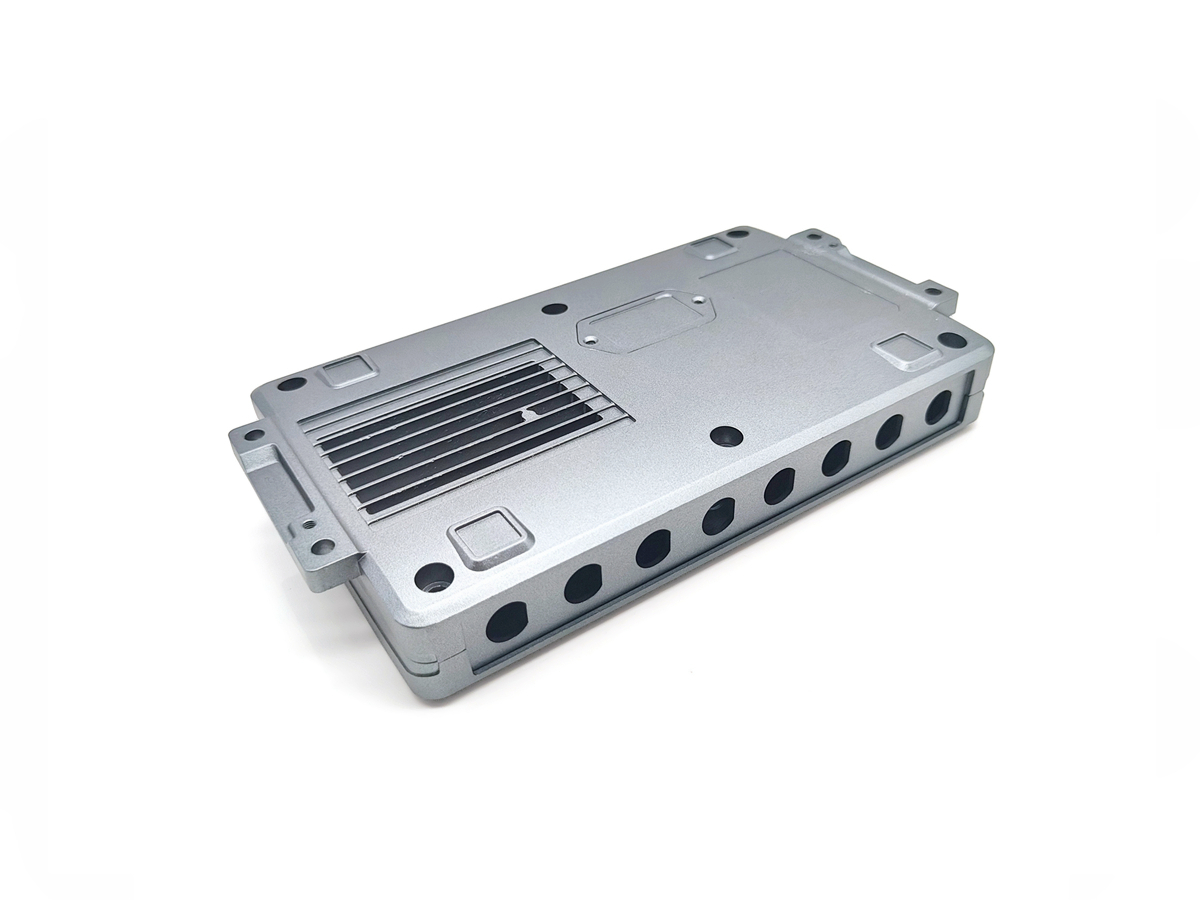
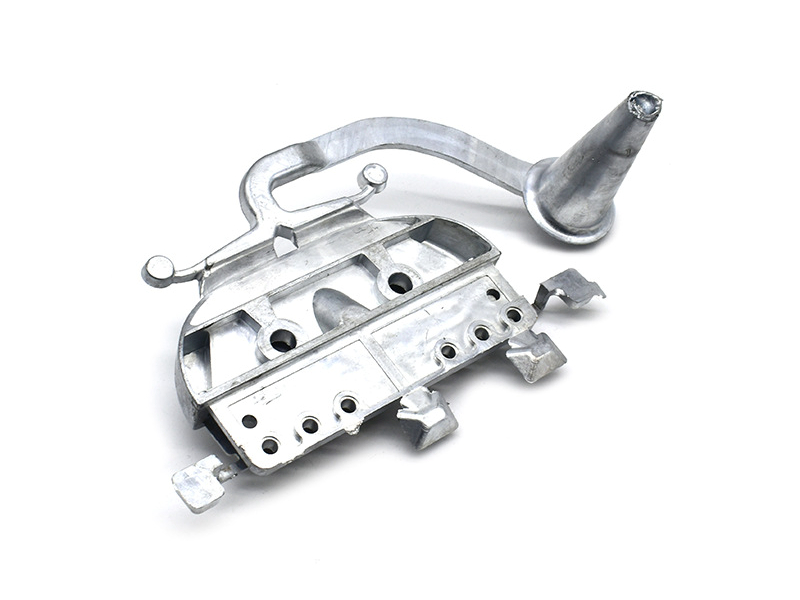
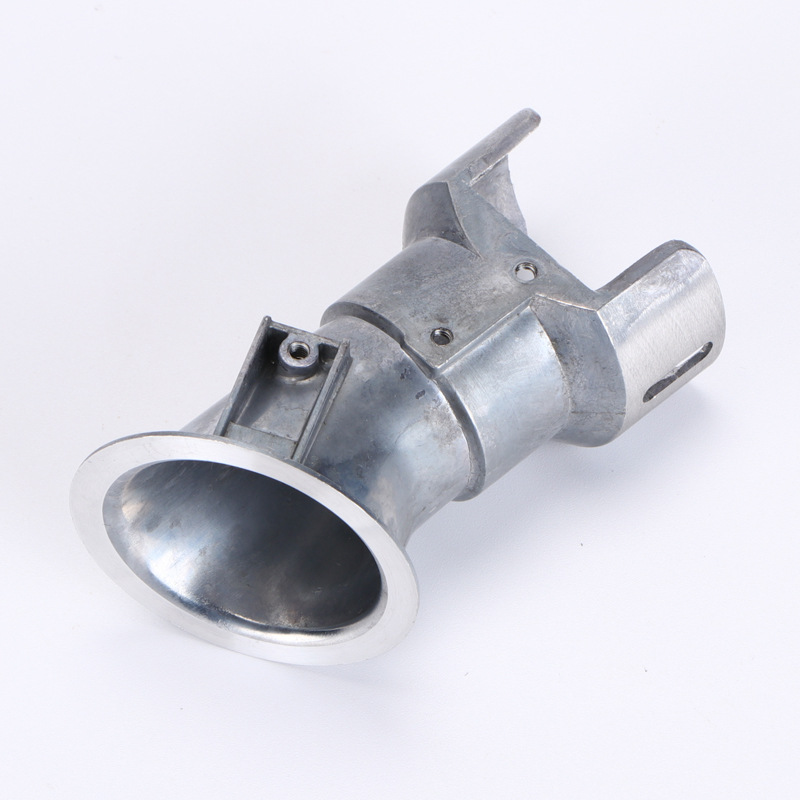
Zamak 6 is a high-strength zinc alloy specifically designed for demanding zinc die casting applications that require superior mechanical performance and wear resistance. As a ZnAl6Cu1 alloy with elevated aluminum and copper content, it delivers higher tensile strength and hardness than traditional Zamak 3 and Zamak 5, while maintaining good castability for complex geometries and moderately thin walls. The alloy is well-suited for components that must withstand repeated loading, surface contact, and sliding wear, such as locking mechanisms, power tool components, and precision hardware. When combined with Neway’s advanced tool and die-making capabilities and tightly controlled process parameters, Zamak 6 supports stable production of dimensionally accurate parts with reliable properties across large batches, helping engineers reduce safety factors, shrink package size, and enhance product durability.
Alternative Material Options
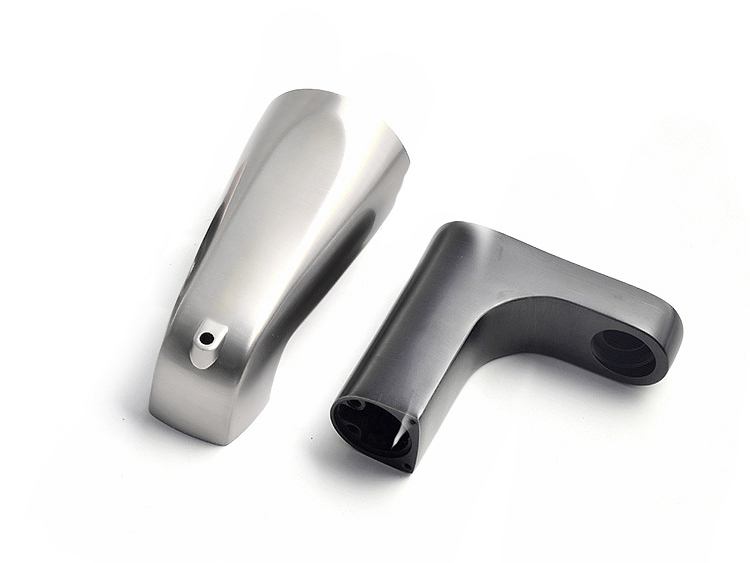
When Zamak 6’s performance envelope does not perfectly match project requirements, Neway can recommend several alternative alloys. For applications requiring a balance of cost, fluidity, and good general properties, Zamak 3 remains the global standard zinc die-casting alloy. Where slightly lower fluidity is acceptable but improved strength and creep resistance are needed, Zamak 5 offers a robust baseline. For ultra-thin walls or parts needing maximum ductility, Zamak 7 provides enhanced fluidity and elongation. When extreme strength and stiffness are required, high-aluminum zinc alloys such as Zn-22Al / ZA-27 can be considered, especially for structural or bearing-type components. For a premium appearance or higher corrosion resistance, copper-based alloys like Brass 380 or broader copper-brass alloys are excellent choices. If weight reduction and thermal performance are key drivers, aluminum die-casting alloys such as A380 or A383 / ADC12 may be preferred, especially in electronics and automotive applications.
International Equivalent / Comparable Grade
Country/Region | Equivalent / Comparable Grade | Specific Commercial Brands | Notes |
Europe (EN) | ZP6 (ZnAl6Cu1) | Typical EN ZP6 ingots from major European zinc alloy producers | Standard ZnAl6Cu1 high-strength zinc alloy for pressure die casting. |
Germany (DIN / WNr) | G-ZnAl6Cu1 / 2.2161 | DIN EN 12844-compliant zinc alloy ingots and castings | DIN designation widely used for high-strength zinc castings. |
Spain (UNE) | ZnAl6Cu1 | UNE 37302-88 ZnAl6Cu1 ingot suppliers | Spanish ZnAl6Cu1 grade aligned with EN ZP6 chemistry. |
China (GB) | GB-ZnAl6Cu1 | Domestic zinc alloy smelters producing GB ZnAl6Cu1 ingots | Chinese ZnAl6Cu1 variant used for high-performance zinc die castings. |
UK (BS / EN) | ZnAl6Cu1 (ZP6) | UK and EU mills supplying ZP6 zinc alloy | BS EN 1774 / EN 12844-compliant ZnAl6Cu1, equivalent to Zamak 6. |
USA (ASTM) | No direct ASTM B86 grade | Imported ZP6 / ZnAl6Cu1 ingots from EN/DIN producers | Typically specified via international grade ZnAl6Cu1 or ZP6 for US projects. |
International (Generic) | ZnAl6Cu1 / ZL0610 / ZL6 | Multiple global brands labeled ZL6 or ZnAl6Cu1 | Common generic designation used across data sheets and alloy catalogs. |
Design Purpose
Zamak 6 was developed to bridge the gap between standard zinc die-casting alloys and applications demanding elevated mechanical performance and wear resistance. By increasing the aluminum and copper content compared to Zamak 5 and reducing the magnesium content to trace levels, the alloy improves tensile strength, hardness, and load-carrying capacity while maintaining good casting behavior. The design intent is to support complex shapes, reinforced bosses, thin mounting flanges, and interlocking features that must withstand repeated assembly, torque, or sliding contact without premature deformation. It is particularly well-suited for locking system components, power tool housings, cam followers, precision levers, and functional hardware where both structural integrity and attractive, easily finished surfaces are important. In modern high-pressure metal casting cells, Zamak 6 enables designers to downsize sections, integrate multiple parts into a single casting, and enhance product life without significantly increasing part cost.
Chemical Composition
Element | Zinc (Zn) | Aluminum (Al) | Copper (Cu) | Magnesium (Mg) | Iron (Fe) | Lead / Cadmium / Tin |
Composition (%) | Balance | 5.6–6.0 | 1.2–1.6 | ≤0.005 | ≤0.075 | Trace (<0.003 each, tightly controlled) |
Physical Properties
Property | Density | Melting Range | Thermal Conductivity | Electrical Conductivity | Thermal Expansion |
Value | ~6.6–6.7 g/cm³ | ~375–395°C | ~105–113 W/m·K | ~25–27% IACS | ~27–28 µm/m·°C |
Mechanical Properties
Property | Tensile Strength | Yield Strength | Elongation | Hardness | Impact Strength |
Value | ~220–260 MPa | ~170–200 MPa | ~1.5–3% | ~80–90 HB | Typical of high-strength ZnAl6Cu1 zinc alloys (application-dependent) |
Key Material Characteristics
Higher aluminum and copper content deliver increased strength and hardness compared with standard Zamak grades.
Good castability supports complex geometries and integrated features in high-pressure Zamak 6 die casting projects.
Low levels of lead, cadmium, and tin improve long-term stability and reduce the risk of zinc pest.
Reliable dimensional repeatability is well-suited for high-volume metal casting production cells.
Good machinability enables precise secondary post-machining with tight tolerances on functional interfaces.
Favorable bearing behavior and wear resistance for sliding or pivoting components in mechanisms and hinges.
Excellent compatibility with decorative and protective coatings, including powder coating and painting systems.
Relatively low casting temperature shortens cycle times and reduces thermal load on tooling.
Good thermal conductivity for parts that must dissipate heat from small motors, actuators, or electronics.
Supports part consolidation, replacing multi-piece steel or brass assemblies with a single optimized zinc die casting.
Manufacturability And Post Process
High-pressure zinc die casting: Primary process for Zamak 6, ideal for medium-to-thin wall parts with complex features.
Gravity die casting (GDC): Suitable for thicker cross-sections and moderate-volume structural components.
Sand casting: Used selectively for larger prototypes, fixtures, or low-volume specialty parts.
Insert casting: Allows integrating steel pins, shafts, or bushings directly into Zamak 6 castings to simplify assembling.
Post machining: Achieves precision fits, tight bore tolerances, and functional surfaces with typical tolerances of ±0.02–0.05 mm.
Drilling and tapping: Zamak 6 accepts threaded holes and mounting features; cutting parameters are optimized to maintain thread integrity.
Tumbling and deburring: Bulk finishing using tumbling improves edge condition and prepares components for coating.
Assembly integration: Neway can combine Zamak 6 castings with stamped, turned, or plastic parts in dedicated assembly lines.
Suitable Surface Treatment
Powder coating: Forms durable, impact-resistant films (typically 60–100 μm) with excellent adhesion and corrosion performance.
Liquid painting: Provides smooth decorative finishes and precise color matching for consumer-facing components.
Electroplating (nickel, chrome, etc.): Enables a premium metallic appearance and improved wear/corrosion resistance for decorative hardware.
E-coating: Uniform, thin-film protection ideal for complex geometries and internal cavities.
Chromate conversion: Creates a thin, conductive, corrosion-resistant layer used as a base for subsequent coatings.
Sand-blasting or bead blasting: Produces a consistent matte or satin texture to mask minor defects and enhance visual quality.
Integrated post process solutions: Neway combines mechanical finishing and coatings to deliver ready-to-assemble Zamak 6 components.
Common Industries and Applications
Locking systems: Cylinders, cams, latches, and accessory components similar to industrial lock system accessories.
Power tools: Housings, gear covers, brackets, and custom hardware as in power tool hardware projects.
Consumer electronics: Structural hinges, decorative bezels, and functional brackets for devices and accessories.
Luxury and cosmetic hardware: Caps, knobs, and trim components similar to perfume bottle cap programs.
Automotive and mobility: Interior mechanisms, small brackets, and actuator housings in custom vehicle hardware systems.
Industrial hardware: Precision levers, clamps, and linkage components requiring compact size and consistent tolerances.
When to Choose This Material
Higher strength than Zamak 3/5: When designs need ~220–260 MPa tensile and improved wear resistance without moving to steel.
Complex functional geometries: Components with ribs, internal cores, or integrated hinges that benefit from excellent die-fill behavior.
Durable mechanisms: Parts subject to repeated actuation, sliding, or contact pressure in locks, tools, or switches.
Stable dimensions: Precision fittings and assemblies requiring consistent size control across high-volume mass production.
Enhanced surface requirements: Projects that require robust coatings, plating, or cosmetic finishes on a smooth as-cast substrate.
Compact, weight-conscious designs: When zinc’s higher strength allows thinner sections and smaller overall package size.
Cost-performance optimization: Programs that must upgrade performance beyond Zamak 3/5 without the full cost of brass or stainless steel.
One-stop manufacturing: When leveraging Neway’s one-stop die casting service from alloy selection through finishing and assembly.
Explore Related Blogs