ZL0430
Material Introduction
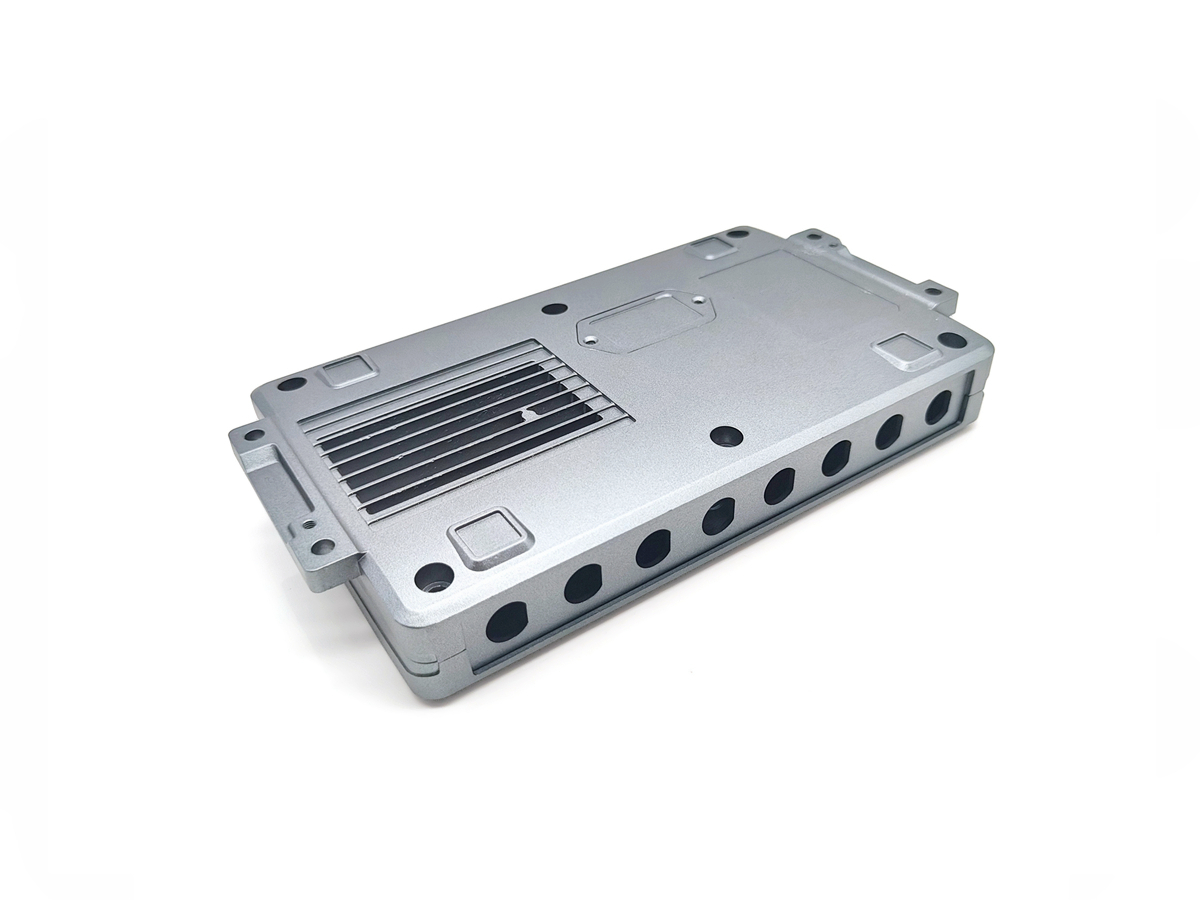
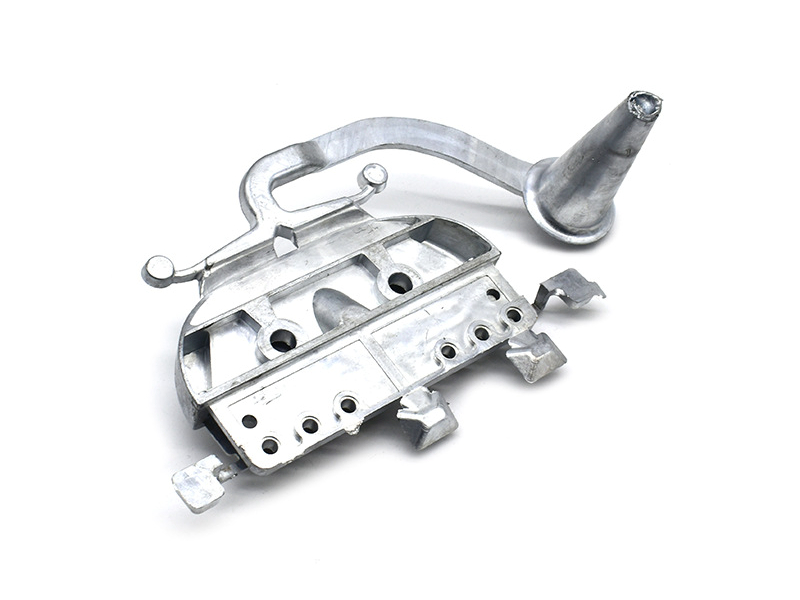
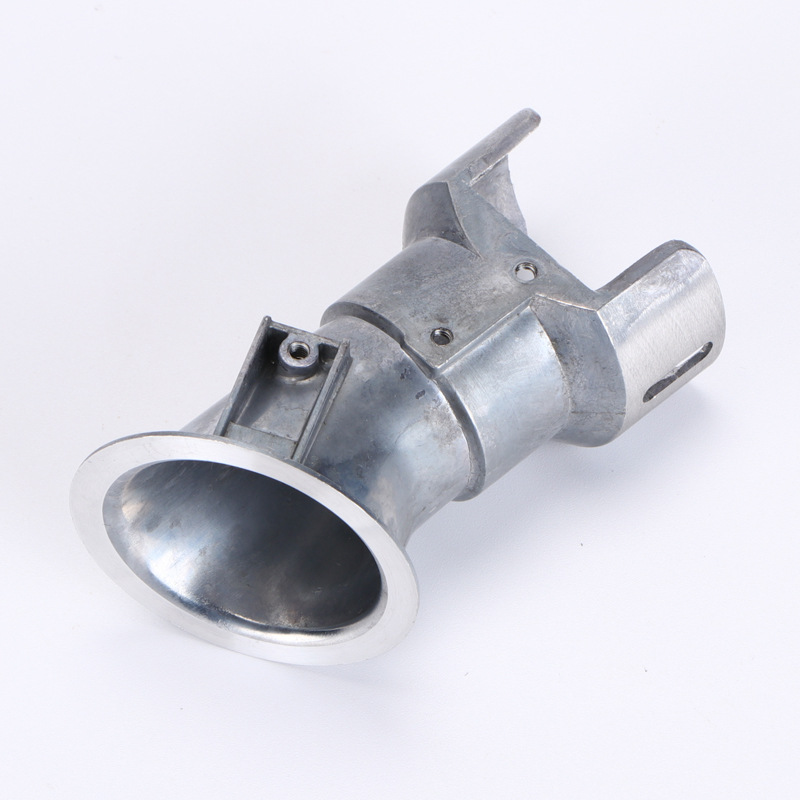
ZL0430 is a high-strength zinc alloy (ZnAl4Cu3) engineered for demanding precision zinc die casting applications. Compared with standard zinc alloys, its elevated copper content significantly increases tensile strength, hardness, and creep resistance, making it ideal for heavily loaded small components, wear-prone mechanisms, and long-life industrial hardware. The alloy exhibits excellent castability and dimensional stability, enabling the production of fine features, tight tolerances, and complex geometries through hot-chamber high-pressure die casting. When combined with Neway’s advanced tool and die making capabilities, optimized gating and venting, and precise process control, ZL0430 delivers reliable performance in high-volume manufacture of gears, locking components, power tool parts, precision levers, and structural housings that must withstand repeated loads, vibration, and long-term service.
Alternative Material Options
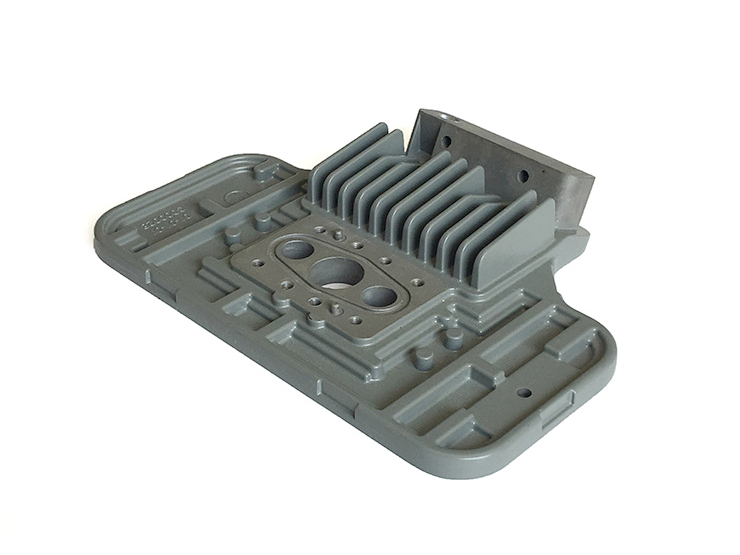
For applications where ultra-high strength is not required and cost or dimensional stability is the primary concern, Zamak 3 is a widely used baseline alloy with excellent castability and good overall performance. When slightly higher strength and hardness are needed while retaining versatile finishing options, Zamak 5 offers an effective balance between mechanical properties and economy. For thin-wall or micro-precision parts that demand superior fluidity and reduced porosity, Zamak 7 is a suitable alternative, especially in small connectors or decorative components. Where enhanced wear resistance or elevated temperature capability is required, engineered zinc alloys like ZA 8 or EZAC can provide improved strength and fatigue performance. For premium aesthetics or superior corrosion resistance, copper-based alloys such as Brass 380 or broader copper-brass alloys are often selected. In projects prioritizing weight reduction and thermal management, aluminum alloys like A380 or A383/ADC12 may replace zinc alloys in larger structural housings or heat-dissipating enclosures.
International Equivalent / Comparable Grade
Country/Region | Equivalent / Comparable Grade | Specific Commercial Brands | Notes |
Europe (EN) | ZL0430 / ZnAl4Cu3 (Zamak 2) | Nyrstar Zamak 2, Boliden ZL0430, Rheinzink ZnAl4Cu3 | Standardized under EN 1774 for zinc alloys for foundry purposes. |
International (ISO) | ZnAl4Cu3 (ZA-2 type) | Generic ISO ZnAl4Cu3 alloys from global smelters | Recognized as a high-strength zinc alloy with elevated copper. |
USA (ASTM/AA) | Alloy 2 (AC43A) | Eastern Alloy Alloy 2, Dynacast Alloy 2 | Commonly referred to as Alloy 2; used for high-strength zinc die castings. |
China (GB/T) | ZL2 | Domestic ZnAl4Cu3 ZL2 ingot brands | Chinese designation that corresponds directly to ZL0430 zinc alloy. |
Germany (DIN) | Z430 | German Z430 ZnAl4Cu3 die-casting grades | DIN material number for ZnAl4Cu3 pressure die casting alloy. |
France (NF) | Z-A4U3 | French Z-A4U3 ZnAl4Cu3 foundry alloys | French designation for 4% Al, 3% Cu zinc die casting alloy. |
UK / Commonwealth | ZA-2 family zinc alloys | Various ZA-2 specification alloys | Functionally aligned with ZL0430 for high-strength zinc die castings. |
Design Purpose
ZL0430 was developed to address applications where standard zinc alloys do not provide sufficient strength, hardness, and long-term dimensional stability. Its increased copper content significantly boosts tensile strength and creep resistance, enabling reliable performance under sustained mechanical loads and continuous vibration. The alloy is tailored for small to medium-sized metal casting components that must combine precise tolerances, fine surface quality, and extended service life. Typical target applications include gears, cam segments, locking elements, clamps, levers, and heavy-duty housings in power tools and industrial mechanisms. ZL0430’s design objective is to achieve maximum mechanical robustness within the zinc alloy family while retaining good castability, making it an excellent choice where high-strength performance is needed without switching to heavier steel or more expensive copper-based alloys.
Chemical Composition
Element | Zinc (Zn) | Aluminum (Al) | Copper (Cu) | Magnesium (Mg) | Iron (Fe) | Lead (Pb) | Cadmium (Cd) | Tin (Sn) | Silicon (Si) | Nickel (Ni) |
Composition (%) | Balance | 3.8–4.2 | 2.7–3.3 | 0.035–0.060 | ≤0.003 | ≤0.003 | ≤0.001 | ≤0.001 | ≤0.020 | ≤0.001 |
Physical Properties
Property | Density | Melting Range | Thermal Conductivity | Electrical Conductivity | Thermal Expansion |
Value | ~6.8 g/cm³ | ~379–390°C | ~104–105 W/m·K | ~25% IACS | ~27.8 µm/m·°C |
Mechanical Properties
Property | Tensile Strength | Yield Strength | Elongation | Hardness | Typical Impact Strength |
Value | ~340 MPa | ~270 MPa | ~3–6% | ~120–130 HB | ~4–5 J (Charpy, indicative) |
Key Material Characteristics
High strength and hardness within the zinc alloy family, suitable for heavily loaded parts.
Improved creep resistance and dimensional stability compared to standard alloys, such as Zamak 3.
Good fluidity for pressure metal casting of small and medium-sized components.
Excellent damping behavior, which helps attenuate vibration and noise in mechanisms.
High as-cast strength often reduces the need for heavy section sizes or steel inserts.
Stable long-term mechanical properties for components exposed to repeated loading cycles.
Fine as-cast surface finish that supports plating, painting, and powder coating.
Excellent corrosion resistance in normal indoor atmospheres, making it suitable for consumer and light industrial products.
Compatible with complex tool and die designs, including multiple slides and cores.
Efficient hot-chamber processing, supporting short cycle times and cost-effective high-volume production.
Manufacturability And Post Process
Zinc die casting: Primary process for ZL0430, using hot-chamber machines to produce complex, high-strength components.
Gravity casting (GDC): Applicable for thicker-wall parts or lower-volume production where tool cost must be limited.
Sand casting: Used selectively for prototypes or large, less detailed shapes where zinc’s density and strength are beneficial.
Insert casting: Steel or brass 360 inserts can be overcast with ZL0430 to integrate threads, bearing seats, or wear sleeves.
Post machining: Turning, milling, and boring can routinely achieve tolerances in the ±0.02–0.05 mm range on critical surfaces.
Drilling: Frequently applied for mounting holes, lubrication channels, and cross-drilled features after casting.
Tapping / thread cutting: Internal and external threads can be cut or formed; process parameters must account for ZL0430’s higher hardness.
Tumbling and deburring: Effective for edge smoothing and cosmetic refinement of small castings in bulk.
Assembling: ZL0430 parts can be efficiently integrated into sub-assemblies with fasteners, clips, or press-fit features.
Suitable Surface Treatment
Powder coating: Provides durable, decorative films typically 60–100 μm thick with excellent chip and abrasion resistance.
Liquid painting: Allows fine color control and smooth finishes for consumer-facing products; compatible with primers for better adhesion.
Sand blasting or bead blasting: Creates uniform matte surfaces that visually hide minor casting marks and prepare for coating.
Chemical conversion coatings: Chromate and trivalent passivation layers provide base corrosion protection and improved paint adhesion.
Electroplating: Nickel, chrome, or multi-layer decorative systems can be applied to ZL0430 for premium appearance and wear resistance.
E-coating: Offers thin, uniform corrosion-protection films on intricate, densely packed geometries.
Laser marking: Enables high-contrast logos, serial numbers, and traceability codes with minimal impact on mechanical performance.
Common Industries and Applications
Power tools and industrial tools: High-strength gear housings, trigger components, clamps, and structural brackets.
Locking systems and security hardware: Cylinders, cams, latches, and precision linkages requiring wear resistance and stability.
Automotive interior and functional hardware: Adjustment mechanisms, control knobs, seat components, and mounting brackets.
Consumer products and appliances: Hinges, levers, couplings, and decorative yet load-bearing elements.
Mechanical drives and small transmission systems: Gears, sprockets, and coupling parts subjected to repeated loads.
Instrumentation and industrial equipment: Robust small castings where dimensional accuracy and rigidity are essential.
When to Choose This Material
High-strength zinc solution: When maximum strength and hardness are required within the zinc alloy family.
Loaded small components: Ideal for gears, cams, and levers subject to continuous dynamic or impact loading.
Creep-critical applications: Superior creep behavior suits parts exposed to sustained loads and elevated local temperatures.
Dimensional stability: When tight tolerances must be maintained over long service life and repeated use.
Vibration and damping: Appropriate for mechanisms where good vibration attenuation helps reduce noise and wear.
Space-constrained designs: High strength allows smaller cross-sections, saving space compared with softer alloys.
Cost versus performance: When performance must be improved beyond Zamak 3 or ZL040 without moving to more expensive copper alloys.
High-volume precision casting: Hot-chamber die casting of ZL0430 enables efficient and repeatable production with minimized secondary operations.
Explore Related Blogs