How Can Buyers Avoid Plating and Coating Problems on Zinc Die Casting Parts?
How Can Buyers Avoid Plating and Coating Problems on Zinc Die Casting Parts?
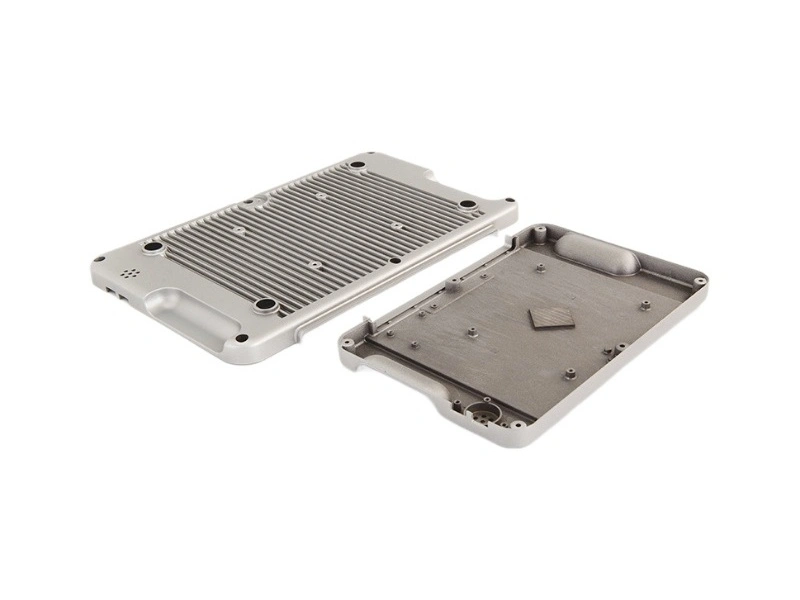
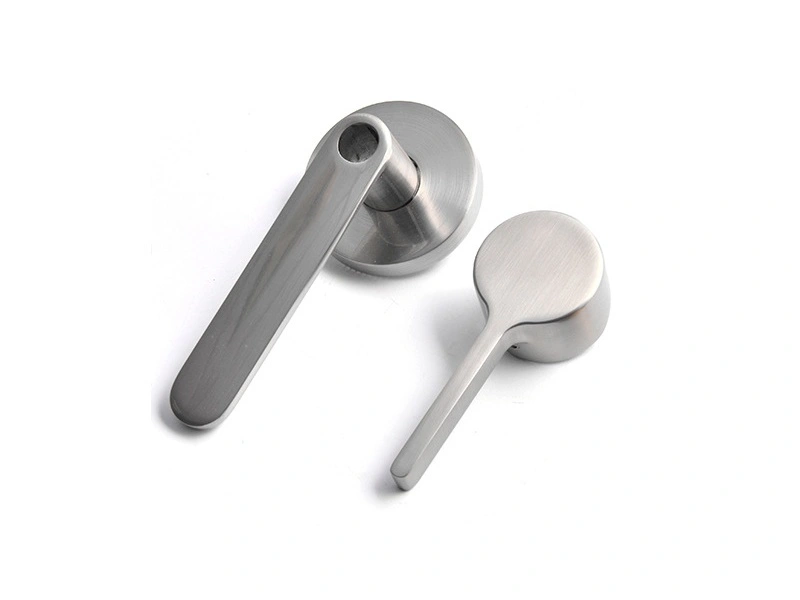
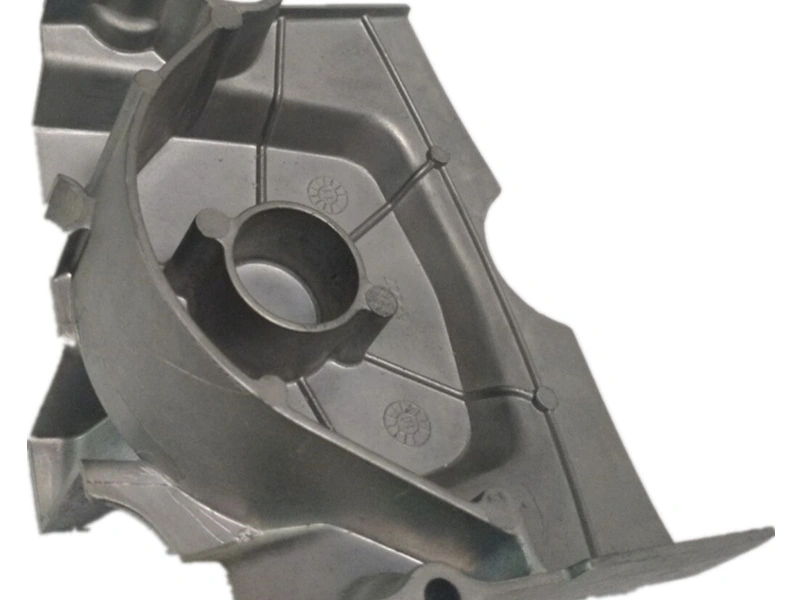
Buyers can avoid plating and coating problems on coated zinc die casting parts by confirming cosmetic surfaces, plating or coating type, color requirement, masking areas, acceptable defect standards, inspection methods and packaging protection before tooling starts. Surface quality should be planned from tooling design, not only corrected after casting.
Common problems include exposed pores, burrs affecting coating edges, oil or release-agent residue reducing adhesion, parting lines on visible areas, ejector marks on cosmetic surfaces, coating thickness affecting assembly, undefined masking areas and unclear appearance standards causing acceptance disputes.
1. Common Plating and Coating Problems on Zinc Die Cast Parts
Problem | Possible Cause | Buyer Risk |
|---|---|---|
Exposed pores | Porosity or polishing exposing subsurface defects | Cosmetic rejection and finishing rework |
Burrs at coated edges | Flash, poor trimming or unclear deburring requirement | Uneven coating edges and assembly interference |
Poor adhesion | Oil, release agent or weak surface preparation | Peeling, coating failure and batch rejection |
Parting line on visible area | Parting line not reviewed before tooling | Appearance dispute after finishing |
Ejector marks on cosmetic surface | Ejector layout not aligned with appearance requirements | Visible marks after plating or coating |
Coating thickness affecting assembly | Functional areas not masked or tolerance not reviewed | Poor fit, rework and delayed approval |
2. What Buyers Should Confirm Before Tooling
Plating quality for zinc die cast parts depends on early communication. Buyers should define which surfaces are cosmetic, which areas need masking, which defects are acceptable and how finished parts will be inspected.
Buyer Confirmation | Why It Matters | How It Reduces Risk |
|---|---|---|
Cosmetic surfaces | Shows which areas need the best appearance | Helps avoid gates, parting lines and ejector marks in visible areas |
Plating or coating type | Different finishes have different surface preparation needs | Improves process planning and cost estimation |
Color requirement | Color and gloss must be controlled during finishing | Reduces appearance disputes |
Masking areas | Some functional surfaces should not receive coating | Prevents assembly and fit problems |
Acceptable defect standard | Defines limits for pores, scratches, marks and color variation | Reduces subjective inspection disputes |
Packaging protection | Finished surfaces can be damaged during handling and shipping | Reduces scratches and delivery complaints |
3. Why Tooling Planning Affects Plating and Coating Quality
Tooling for zinc die casting affects surface quality before finishing. Gate location, parting line, ejector pin position, flash control, venting and cavity surface quality can all affect plating and coating results.
Tooling Factor | Effect on Surface Quality | Buyer Should Discuss |
|---|---|---|
Gate location | Can leave marks that are difficult to hide after finishing | Keep gate marks away from key cosmetic surfaces when possible |
Parting line | Can affect visible edges and polishing workload | Confirm acceptable parting line position early |
Ejector pin position | Can leave visible marks on decorative surfaces | Define acceptable ejector mark areas |
Flash control | Burrs and flash can damage coating edges | Define deburring and edge quality requirements |
Venting and filling | Poor filling may create pores or surface defects | Review areas with high cosmetic requirements |
4. Why CNC Machining and Coating Must Be Coordinated
Some zinc die cast parts need CNC machining after zinc die casting before plating or coating. Machined holes, threads, mounting faces and locating areas may need masking or final inspection after finishing.
Machined Area | Finishing Risk | Buyer Should Confirm |
|---|---|---|
Threaded holes | Coating thickness may affect thread fit | Masking, thread inspection and post-finish checking |
Mounting faces | Coating may affect flatness or assembly fit | Whether the face should be masked or machined after finishing |
Locating surfaces | Coating buildup may change datum fit | Functional tolerance and coating-free areas |
Cosmetic machined edges | Machining marks may show through coating | Surface preparation and acceptable appearance standard |
5. Material Comparison for Surface Quality
Surface finishing requirements differ by material. Aluminum die casting surface finish may focus on coating, painting, corrosion protection and thermal applications. Copper alloy die casting parts may focus more on functional contact surfaces, conductivity and machining accuracy. A custom metal casting service review helps buyers compare the best route.
6. Summary
To Avoid Plating and Coating Problems | Buyer Should Confirm |
|---|---|
Cosmetic surface quality | Visible surfaces, acceptable defects and inspection method |
Tooling layout | Parting line, ejector pin position, gate location and flash control |
Finishing requirement | Plating or coating type, color, thickness and appearance standard |
Masking areas | Threads, contact faces, assembly faces and coating-free surfaces |
Packaging protection | Scratch prevention and finished surface protection during shipping |
In summary, buyers should not rely only on plating or coating to fix zinc die casting surface problems. Cosmetic surfaces, tooling layout, parting line, ejector marks, burr control, masking areas, inspection standards and packaging protection should be confirmed before tooling to reduce finishing defects and acceptance disputes.