How Can Buyers Check Plating and Coating Readiness Before Tooling?
How Can Buyers Check Plating and Coating Readiness Before Tooling?
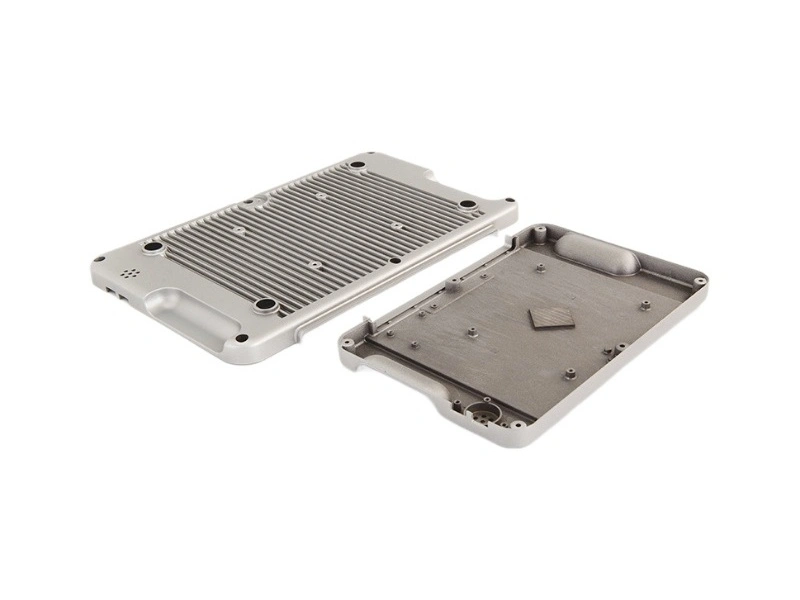
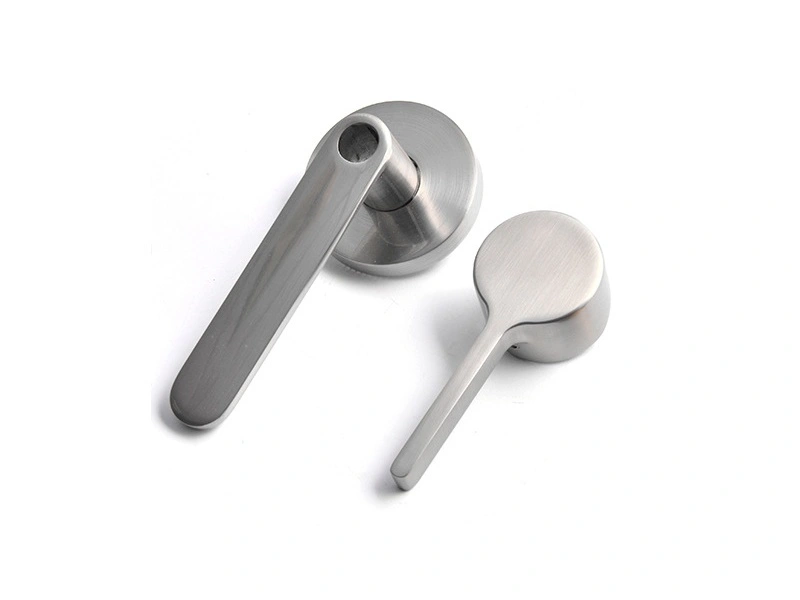
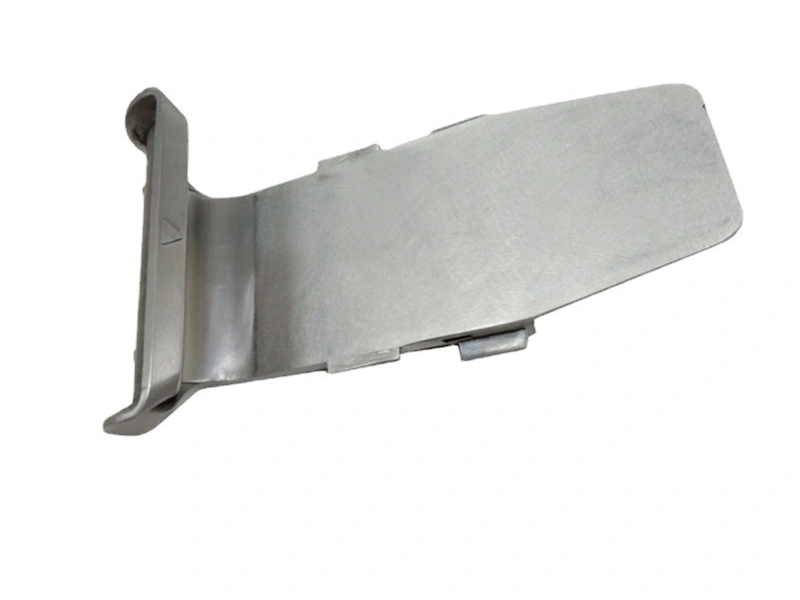
Buyers can check plating and coating readiness for coated zinc die cast parts by confirming cosmetic surfaces, parting line location, ejector pin position, gate removal areas, burr control, masking areas, coating thickness impact, acceptable defect standards and packaging protection before tooling starts.
The plating and coating quality of zinc die cast parts cannot be solved only in the post-processing stage. A zinc die casting supplier for coated parts should consider appearance surfaces, tooling layout, burr control and surface cleanliness before zinc die casting tooling is made.
1. Confirm Cosmetic Surfaces Before Tooling
Readiness Check | What Buyers Should Confirm | Risk Reduced |
|---|---|---|
Cosmetic surfaces | Which areas are visible and require better appearance | Gate, ejector or parting line marks on visible surfaces |
Parting line position | Whether the parting line affects visible or coated areas | Appearance disputes after plating or coating |
Ejector pin position | Whether ejector marks appear on customer-facing surfaces | Visible mark rejection |
Gate removal area | Whether trimming and polishing can be controlled before coating | Polishing rework and uneven surface finish |
2. Review Burr Control, Masking and Coating Thickness
Coating or plating can affect final assembly if burrs, masking areas and coating thickness are not planned early. This is especially important for small zinc parts with holes, threads, clips and tight assembly features.
Coating Readiness Item | Why It Matters | Buyer Benefit |
|---|---|---|
Burr control | Burrs can affect coating coverage, appearance and assembly | Reduces coating defects and rework |
Masking areas | Some holes, threads or contact areas may need protection from coating | Maintains functional dimensions |
Coating thickness | Thickness can affect fit, sliding, holes and assembly gaps | Reduces assembly problems after coating |
Acceptable defect standard | Defines pores, scratches, color variation and surface marks | Reduces subjective appearance disputes |
3. Coordinate Machining and Surface Treatment
If zinc die cast parts need holes, threads, datum surfaces or fit areas, buyers should review CNC machining after zinc die casting together with plating or coating. Machining and coating should not be planned as separate decisions.
Process Area | Planning Focus | Risk Reduced |
|---|---|---|
Machined holes | Check whether coating affects hole size or fit | Assembly and inspection failure |
Threads | Confirm masking, thread quality and final gauge requirements | Fastening problems |
Datum surfaces | Confirm whether they remain functional after coating | Fixture and assembly variation |
4. Compare Surface Planning Across Materials
Surface planning differs by material. Aluminum die casting surface planning often focuses on coating, painting and visible housing surfaces. Copper alloy die casting parts often focus on functional faces, contact areas and corrosion needs. A custom metal casting service review helps buyers choose the right finishing route.
5. Summary
Before Tooling, Buyers Should Check | Main Purpose |
|---|---|
Cosmetic surfaces | Protect visible areas before tooling layout is finalized |
Parting line, ejector and gate areas | Reduce visible marks and polishing rework |
Burr control and masking areas | Protect coating quality and functional features |
Coating thickness and defect standards | Reduce assembly and appearance disputes |
Packaging protection | Prevent scratches and finish damage after production |
In summary, plating and coating readiness for zinc die cast parts should be reviewed before tooling. Buyers should confirm cosmetic surfaces, tooling mark locations, burr control, masking, coating thickness, defect standards and packaging protection to reduce appearance rework and batch disputes.