How Can Buyers Qualify a Zinc Die Casting Supplier Before Repeat Orders?
How Can Buyers Qualify a Zinc Die Casting Supplier Before Repeat Orders?
Buyers can qualify a zinc die casting supplier before repeat orders by checking trial sample dimensions, assembly fit, burr and flash level, cosmetic surface quality, plating or coating adhesion, machined hole accuracy, thread quality, packaging protection, small batch consistency, inspection report format, defect response process and delivery stability.
For long-term zinc die casting supplier selection, buyers should not rely only on one approved sample. They should confirm whether the supplier can repeatedly control dimensions, appearance, post-machining, surface treatment and batch delivery for custom zinc die cast parts.
1. Validate Sample Dimensions and Assembly Fit
Validation Item | What Buyers Should Check | Repeat Order Risk Reduced |
|---|---|---|
Trial sample dimensions | Overall size, critical dimensions, hole positions and key fit areas | Batch dimensional variation |
Assembly fit | Fit with mating parts, screws, clips, covers or hardware systems | Assembly failure during repeat orders |
Small batch consistency | Whether several parts show stable size, fit and appearance | Over-reliance on one good sample |
2. Check Burr, Flash and Cosmetic Surface Quality
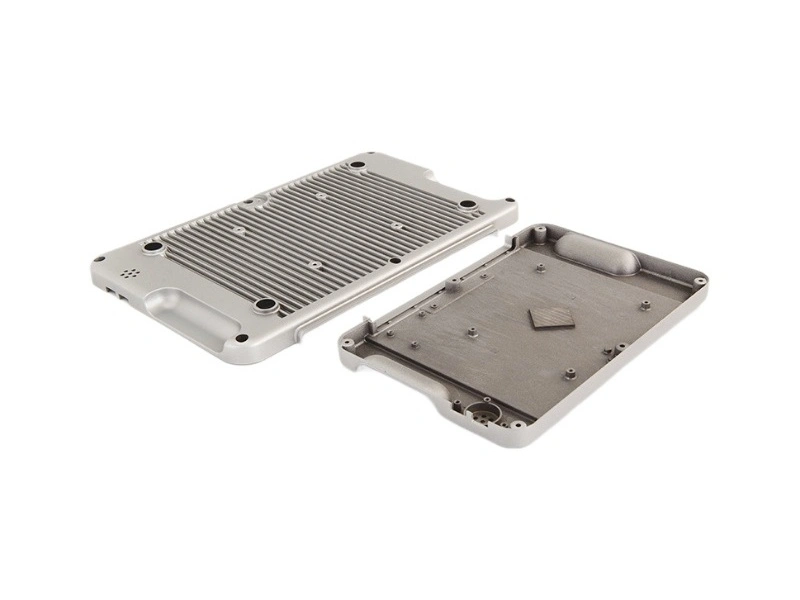
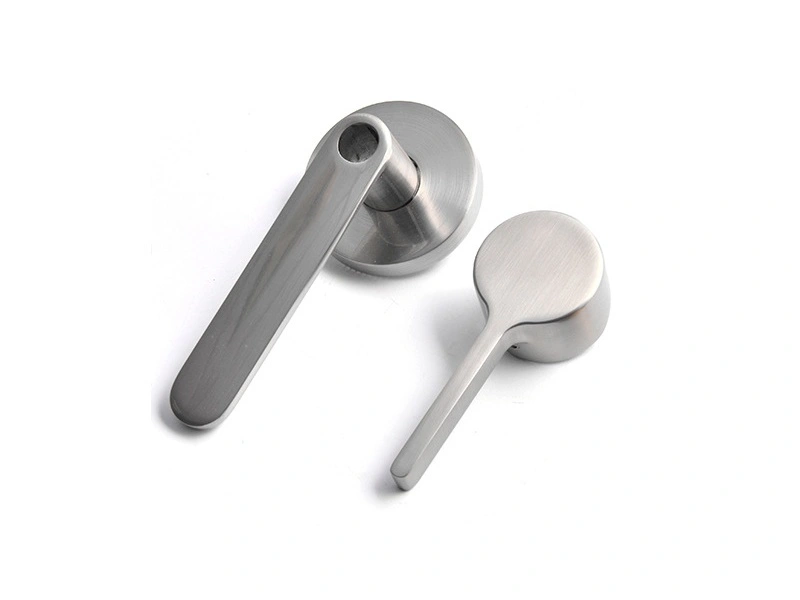
Zinc die cast parts are often small, detailed and visible. Buyers should check flash, burrs, parting line marks, gate trimming marks, ejector pin marks and cosmetic surface standards before approving repeat orders.
Quality Check | What Buyers Should Review | Buyer Benefit |
|---|---|---|
Burr and flash level | Edges, holes, gates, parting lines and small features | Improves assembly and handling quality |
Cosmetic surface quality | Visible marks, scratches, dents, pores and surface consistency | Reduces appearance rejection |
Plating or coating adhesion | Adhesion, color, gloss, coverage and surface defects | Reduces finishing disputes |
3. Verify Machined Holes, Threads and Inspection Reports
If the part has functional holes, threads or datum surfaces, buyers should review CNC machining inspection. Inspection reports should clearly record key dimensions, machined features, surface quality and batch status.
Machined Feature | Validation Focus | Risk Reduced |
|---|---|---|
Machined holes | Hole size, position, depth and alignment | Poor assembly fit |
Threads | Thread size, depth, gauge result and burr condition | Fastening failure |
Inspection report format | Whether results are clear, traceable and repeatable | Approval confusion and quality disputes |
4. Check Packaging, Delivery and Defect Response
Repeat orders require more than good samples. Buyers should check whether the supplier can protect finished parts during shipping, deliver consistently and respond to defects with sorting, rework, root cause analysis and corrective actions.
Supplier Qualification Item | What Buyers Should Check | Long-Term Value |
|---|---|---|
Packaging protection | Scratch prevention, separation, anti-rubbing and shipment protection | Reduces damage after finishing |
Defect response process | How the supplier handles sorting, rework and corrective actions | Reduces repeated quality problems |
Delivery stability | Whether the supplier can support repeat order schedules | Improves supply chain reliability |
5. Compare Repeat Order Capability Across Materials
A supplier with custom metal casting production capability can also help buyers compare aluminum die casting batch production and copper die casting supplier options when future parts require lightweight, thermal or conductive performance.
6. Summary
Before Repeat Orders, Buyers Should Qualify | Main Purpose |
|---|---|
Trial sample dimensions and assembly fit | Confirm functional performance before repeat production |
Burr, flash and cosmetic surface quality | Reduce assembly and appearance rejection |
Plating or coating adhesion | Confirm surface treatment stability |
Machined holes, threads and inspection reports | Verify post-machining and quality documentation |
Packaging, defect response and delivery stability | Support long-term zinc die casting cooperation |
In summary, buyers should qualify a zinc die casting supplier before repeat orders by reviewing samples, small batch consistency, burrs, flash, cosmetic quality, plating or coating, machining inspection, packaging, defect response and delivery stability. Long-term purchasing should be based on repeatable batch control, not one approved sample.