How Can CNC Machining Be Coordinated With Zinc Die Casting Manufacturing?
How Can CNC Machining Be Coordinated With Zinc Die Casting Manufacturing?
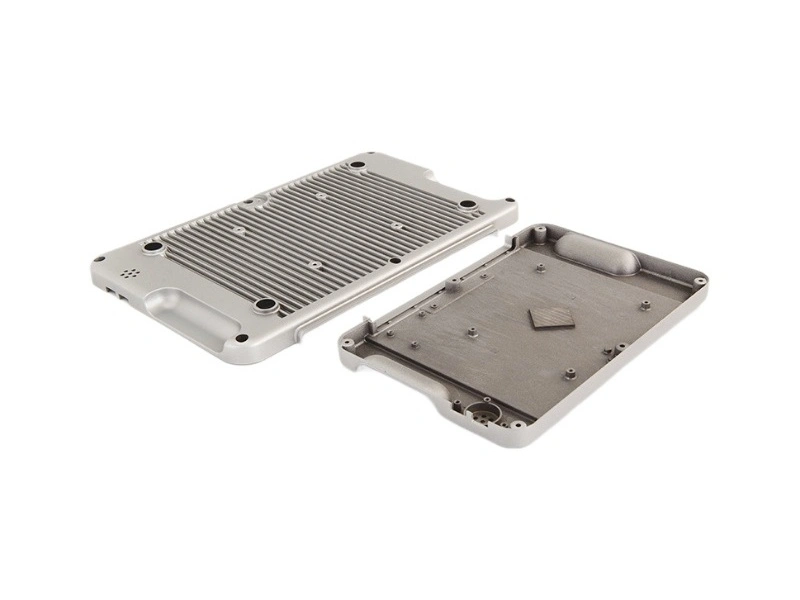
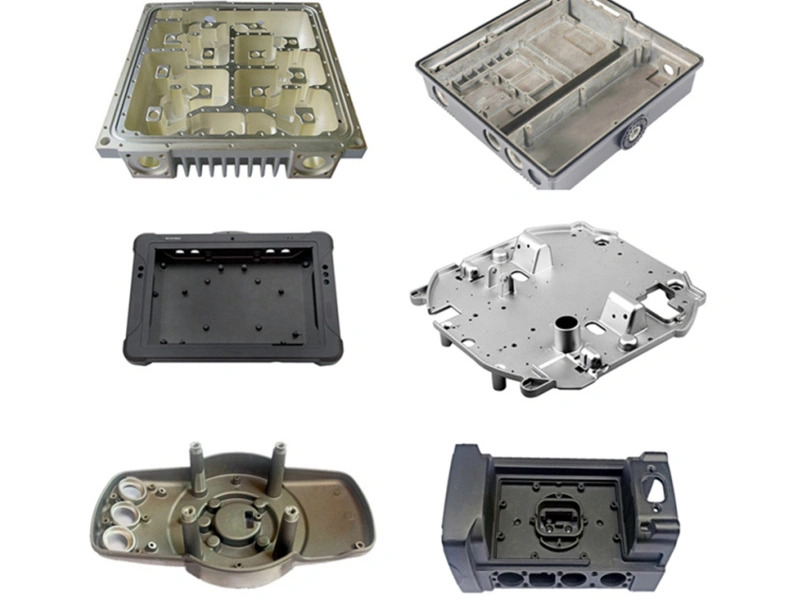
Zinc die casting manufacturing should be coordinated with CNC machining by planning machining allowance, fixture positioning, datum surfaces, precision holes, threaded features, assembly faces, burr removal after machining, coating impact on machined areas, inspection criteria and batch machining consistency.
If a zinc die casting manufacturer does not consider CNC machining early, buyers may face hole position deviation, unstable thread quality, difficult fixture positioning and assembly problems. A zinc die casting manufacturer with CNC machining should plan casting and machining as one connected workflow.
1. Plan Machining Allowance and Datum Surfaces
Machining Planning Item | Why It Matters | Risk if Missing |
|---|---|---|
Machining allowance | Leaves enough stock for holes, threads, fit surfaces and datums | Machined surfaces may not clean up |
Fixture positioning | Allows small zinc parts to be located consistently during machining | Hole position variation and unstable setups |
Datum surfaces | Connects casting, machining, inspection and final assembly references | Inspection disputes and batch variation |
2. Control Holes, Threads and Assembly Faces
CNC machining for zinc die cast parts is often used for precision holes, threaded features, assembly faces and fit surfaces. These features should be reviewed before tooling and verified during sample approval.
Machined Feature | What It Controls | Buyer Benefit |
|---|---|---|
Precision holes | Hole diameter, location, depth and alignment | Improves assembly accuracy |
Threaded features | Thread size, depth, gauge result and burr condition | Reduces fastening failure |
Assembly faces | Flatness, contact quality and fit relationship | Improves product assembly reliability |
3. Coordinate Burr Removal, Coating and Inspection
Machined zinc die cast parts may need deburring after machining and may also receive plating or coating. The manufacturer should consider how burr removal, coating thickness and inspection criteria affect final dimensions and fit.
Coordination Area | Why It Matters | Risk Reduced |
|---|---|---|
Burr removal after machining | Machined holes, threads and edges may produce burrs | Assembly interference and coating defects |
Coating impact on machined areas | Plating or coating thickness may affect holes, threads and sliding fits | Post-finishing fit problems |
Inspection criteria | Defines whether inspection happens before or after finishing | Measurement disputes and repeat order risk |
Batch machining consistency | Confirms that machined features stay stable across repeat orders | Unstable assembly quality |
4. Compare Coordinated Casting and Machining Across Materials
A supplier with a custom metal casting workflow can also compare zinc projects with aluminum die casting with CNC machining or copper die casting machined parts when buyers need different weight, thermal, conductive or functional requirements.
5. Summary
Casting and Machining Coordination | Main Purpose |
|---|---|
Machining allowance planning | Prevent rejected machined surfaces and late tooling changes |
Fixture positioning and datum planning | Improve dimensional repeatability and inspection stability |
Holes, threads and assembly faces | Control functional fit and fastening reliability |
Burr removal and coating impact | Protect final assembly and surface finishing quality |
Batch machining inspection | Maintain stable repeat production quality |
In summary, CNC machining should be coordinated with zinc die casting manufacturing from the tooling stage. Buyers should confirm allowance, datums, fixtures, holes, threads, burr removal, coating impact and inspection standards before repeat production.