How Can Manufacturers Keep Small Zinc Part Details Consistent?
How Can Manufacturers Keep Small Zinc Part Details Consistent?
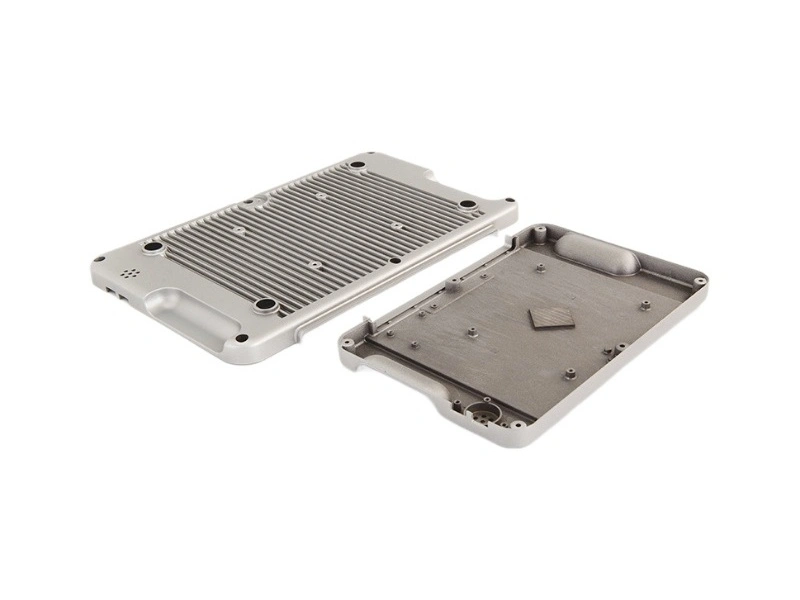
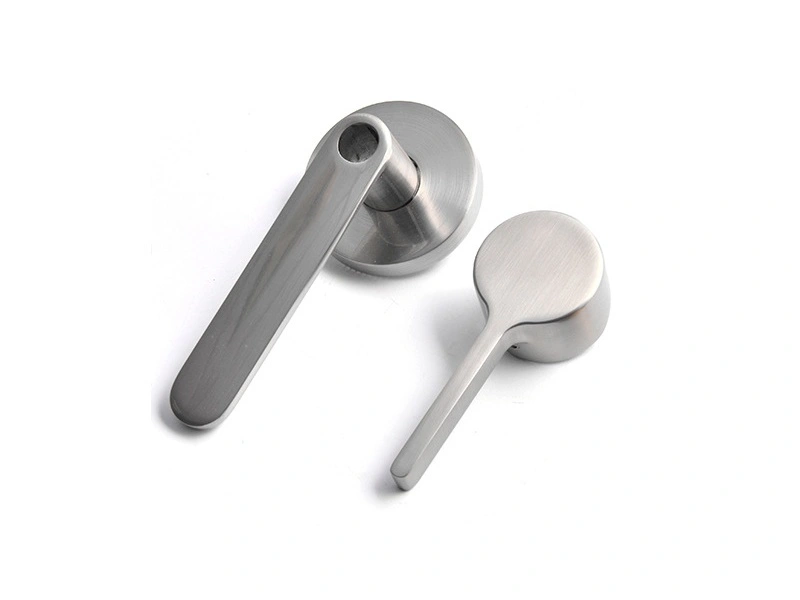
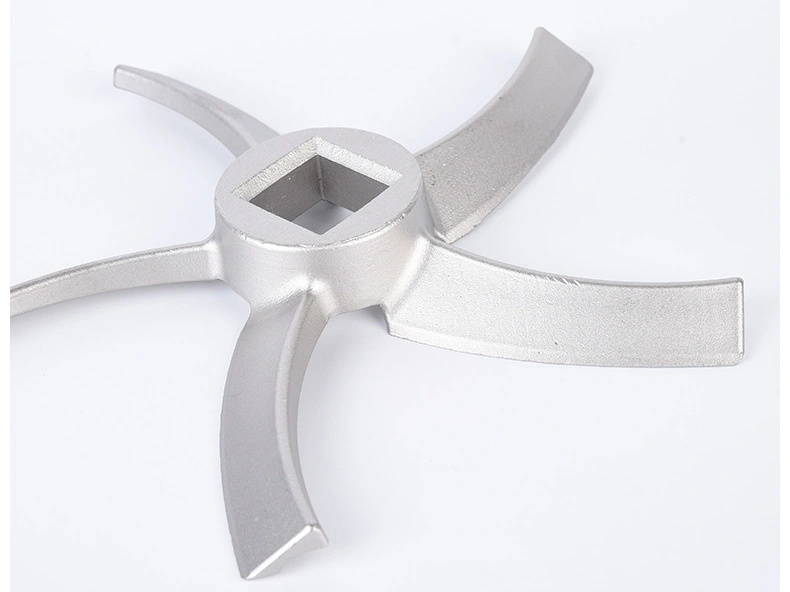
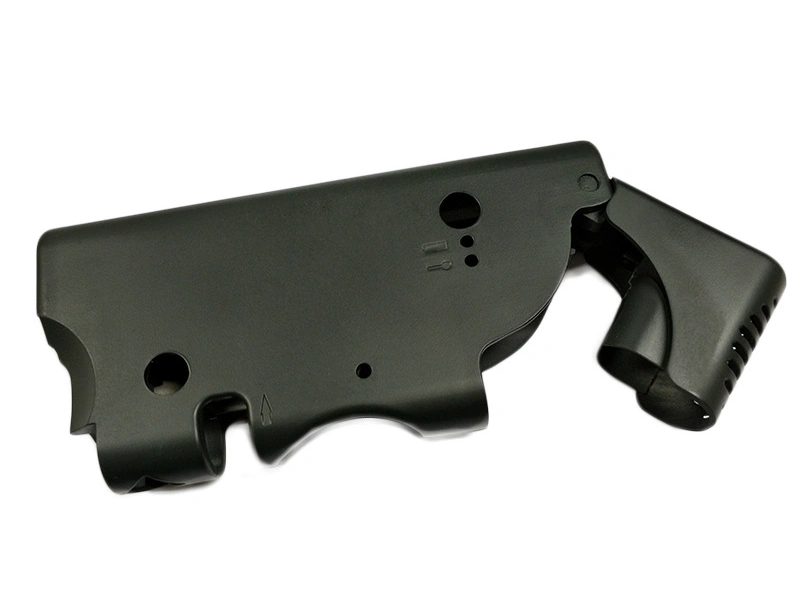
Manufacturers keep small zinc die cast parts consistent by controlling small hole definition, thin rib filling, boss stability, decorative edge quality, parting line position, ejector pin marks, gate removal areas, flash control, dimensional repeatability and trial sample correction.
The real challenge in precision zinc die casting is not making one acceptable sample. The challenge is keeping fine details, dimensions, appearance and assembly performance stable during repeat production. Buyers should evaluate mold detail control and batch repeatability before long-term orders.
1. Control Small Features Through Tooling Detail
Small Feature | Manufacturing Control Needed | Risk if Poorly Controlled |
|---|---|---|
Small holes | Tooling detail, machining plan and inspection method | Blocked holes, poor fit or unstable assembly |
Thin ribs | Filling stability, gate planning and mold temperature control | Short filling, weak ribs and high scrap rate |
Bosses | Wall thickness, local cooling and fastening strength control | Shrinkage, weak threads or assembly failure |
Decorative edges | Clean parting line, gate removal and deburring control | Visible defects and appearance rejection |
2. Control Parting Line, Ejector and Gate Areas
Tool and die making has a direct impact on small zinc part details. Parting lines, ejector marks and gate removal areas must be planned carefully before tooling is approved.
Tooling Area | Why It Matters | Buyer Risk Reduced |
|---|---|---|
Parting line position | Determines where flash and visual lines may appear | Cosmetic disputes and assembly interference |
Ejector pin marks | Can affect visible surfaces or datum areas | Appearance rejection and unstable references |
Gate removal area | Controls trimming marks, polishing needs and edge quality | Extra finishing work and visible defects |
3. Coordinate Machining and Batch Inspection
Some small die cast parts need CNC machining for small die cast parts to control holes, threads, datum surfaces or assembly features. The manufacturer should coordinate machining with casting and inspection from the beginning.
Control Area | What Manufacturer Should Check | Buyer Benefit |
|---|---|---|
Dimensional repeatability | Variation across several trial samples and batch parts | Confirms stable production, not only one good sample |
Machined features | Holes, threads, flat areas and mating surfaces | Improves assembly reliability |
Trial sample correction | Whether sample problems are corrected with clear tooling or process actions | Reduces repeated defects in batch production |
4. Compare Detail Control Across Material Routes
Small zinc parts are often selected for detail, stability and appearance. Buyers may also compare them with aluminum die casting production when lightweight performance is required or with copper die casting functional parts when conductivity or wear performance matters. A custom metal casting quality review helps choose the best route.
5. Summary
Small Detail Control Area | Main Purpose |
|---|---|
Small holes and thin ribs | Maintain detail definition and filling consistency |
Bosses and decorative edges | Control strength, appearance and assembly stability |
Parting line, ejector and gate areas | Reduce cosmetic marks, burrs and finishing rework |
Machining and inspection | Control functional features and repeatability |
In summary, manufacturers keep small zinc part details consistent by controlling tooling details, filling, flash, gate removal, ejector marks, machining and inspection. Buyers should evaluate whether the manufacturer can repeat fine details across batches, not only produce one acceptable sample.