How Do Post-Machining and Surface Finishing Affect Finished Zinc Die Cast Parts?
How Do Post-Machining and Surface Finishing Affect Finished Zinc Die Cast Parts?
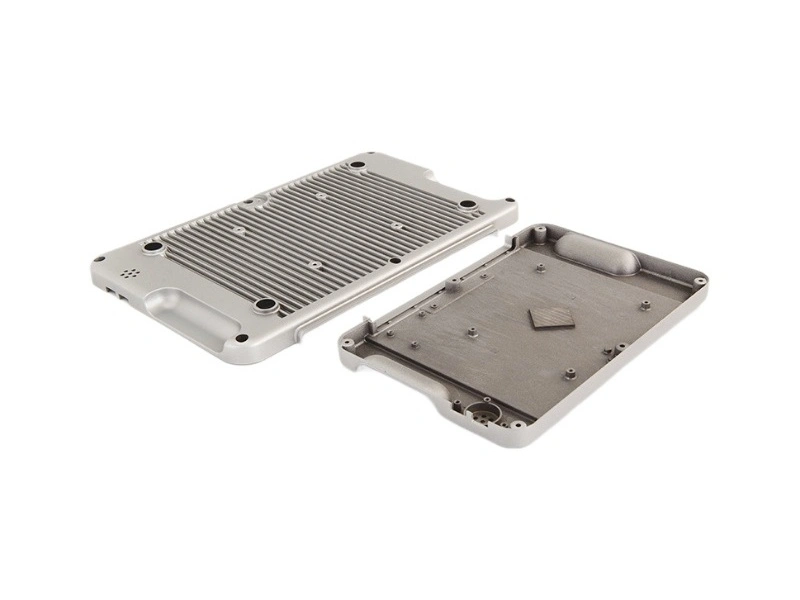
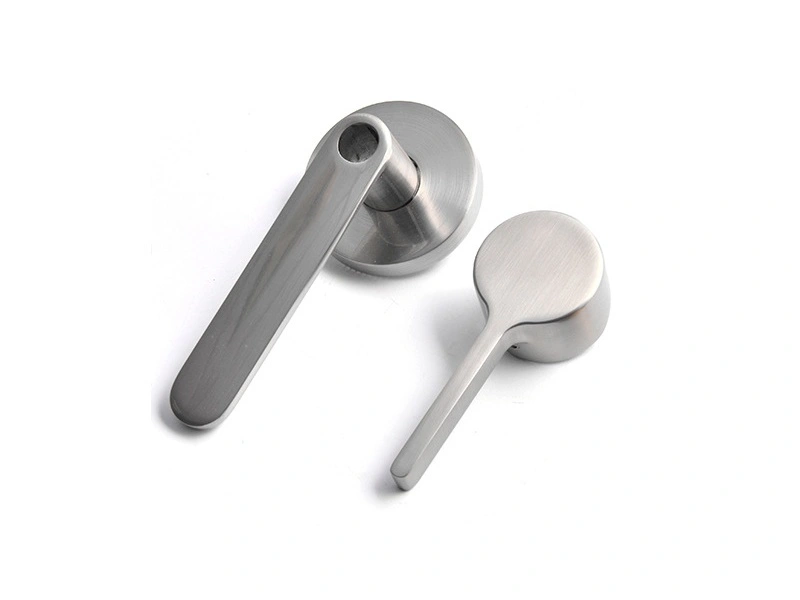
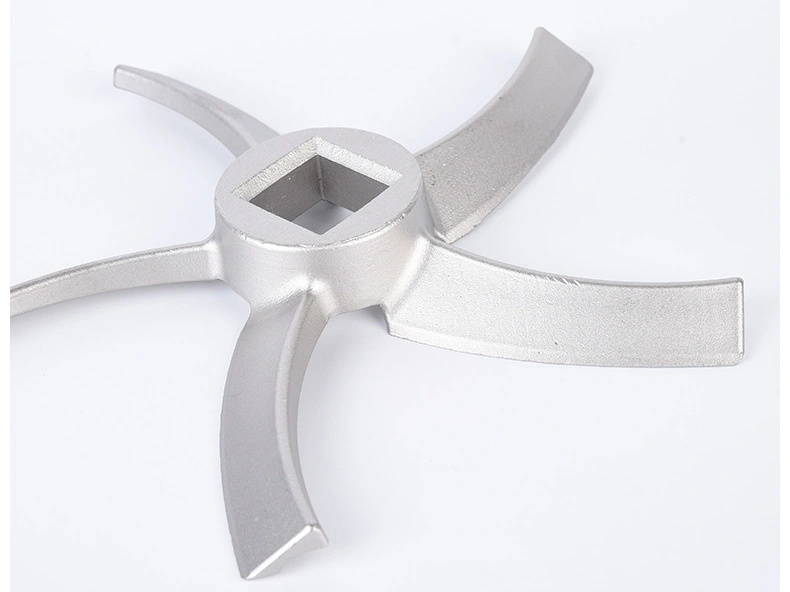
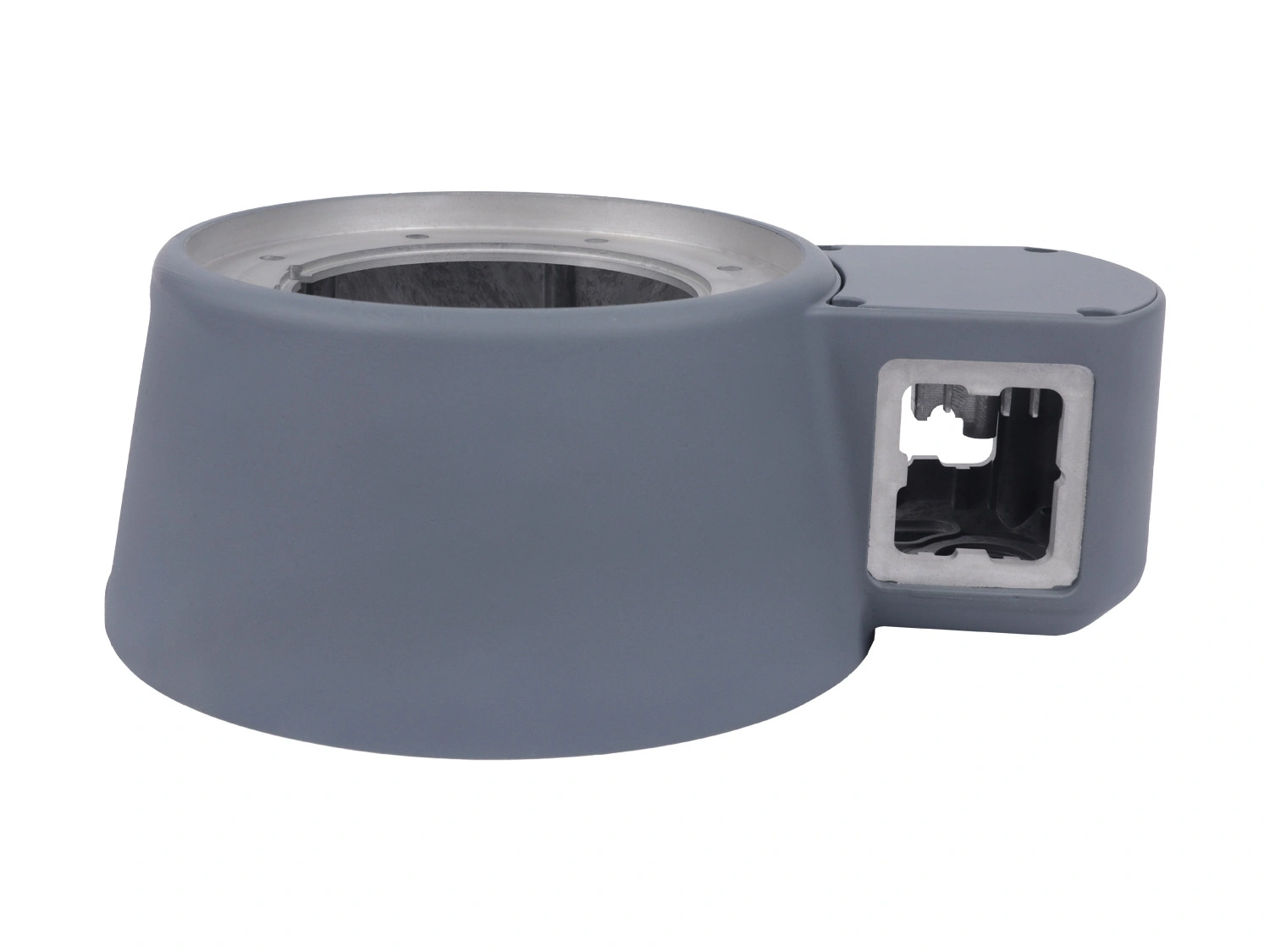
Post-machining and surface finishing affect finished zinc die cast parts by controlling functional dimensions, assembly fit, appearance, corrosion protection, coating thickness and final usability. Buyers should plan machining and finishing together instead of treating them as separate afterthoughts.
1. Why Post-Machining and Finishing Should Be Planned Together
Post-machining mainly controls holes, threads, flatness, datum surfaces, sealing faces and other functional dimensions. Surface finishing mainly controls appearance, corrosion protection, touch feel, color and coating performance. However, these two processes affect each other. A coating may change the final hole size or mating clearance, while machining may create burrs that must be removed before finishing.
When machining and finishing are planned separately, the buyer may face unclear responsibility, rework, assembly interference or cosmetic rejection.
Process | Main Effect on Finished Parts | Buyer Planning Point |
|---|---|---|
CNC machining | Controls holes, threads, flat surfaces and mating features. | Mark critical dimensions and machined surfaces on drawings. |
Deburring | Improves edge safety and assembly quality. | Control burr residue after machining. |
Painting | Controls color, appearance and brand presentation. | Review adhesion, masking and coating thickness. |
Powder coating | Provides durable surface protection. | Reserve assembly clearance for coating buildup. |
Decorative coating | Improves visual value and surface appearance. | Control base casting surface quality. |
Final inspection | Confirms function and appearance after all processes. | Use the same standard for sample and batch production. |
2. How Post-Machining Affects Functional Performance
Post-machining for zinc die cast parts is usually used for threaded holes, precision bores, locating faces, datum surfaces, sealing grooves and mounting faces. These areas may need higher accuracy than the as-cast process can provide.
CNC machining for zinc cast parts helps protect assembly fit and functional performance. However, buyers should also plan deburring after machining because burrs can affect threads, holes, sliding areas and user handling.
3. How Surface Finishing Affects Appearance and Assembly
Surface finishing for zinc die cast parts can improve appearance, corrosion resistance and product value. However, coating thickness may affect hole size, thread fit, snap-fit clearance, hinge movement and mating surfaces. Finished parts may need inspection after coating, not only before coating.
For parts with visible surfaces, approved finish samples should be kept as a batch reference. For assembly parts, finished-part dimensions should be checked to confirm that coating thickness does not create interference.
Risk | Possible Cause | Recommended Control |
|---|---|---|
Assembly interference | Coating thickness changes hole size or clearance. | Plan coating allowance and inspect finished parts. |
Burrs after machining | Edges are not cleaned before finishing or assembly. | Use deburring, inspection or tumbling. |
Cosmetic defects | Base casting surface is not controlled before finishing. | Review visible surfaces and finishing standards early. |
Supplier responsibility gap | Casting, machining and finishing are handled separately. | Use an integrated manufacturing workflow. |
4. Why One-Stop Support Is Better for Finished Zinc Die Cast Parts
If buyers need finished zinc die cast parts, a coordinated supplier can reduce risk by connecting casting, CNC machining, post-processing, inspection and packaging. Neway can support one-stop zinc die casting service, helping buyers avoid responsibility gaps between different suppliers.
Summary
Buyer Concern | Recommended Planning |
|---|---|
The part needs functional dimensions. | Plan CNC machining, post-machining allowance and inspection points. |
The part needs a finished surface. | Define surface finish, cosmetic areas, coating thickness and approval samples. |
The coating may affect assembly. | Inspect finished-part dimensions and plan masking where needed. |
The buyer wants ready-to-use parts. | Use integrated casting, machining, finishing, inspection and packaging support. |