How Does Good Tooling Improve Mass Production Stability?
How Does Good Tooling Improve Mass Production Stability?
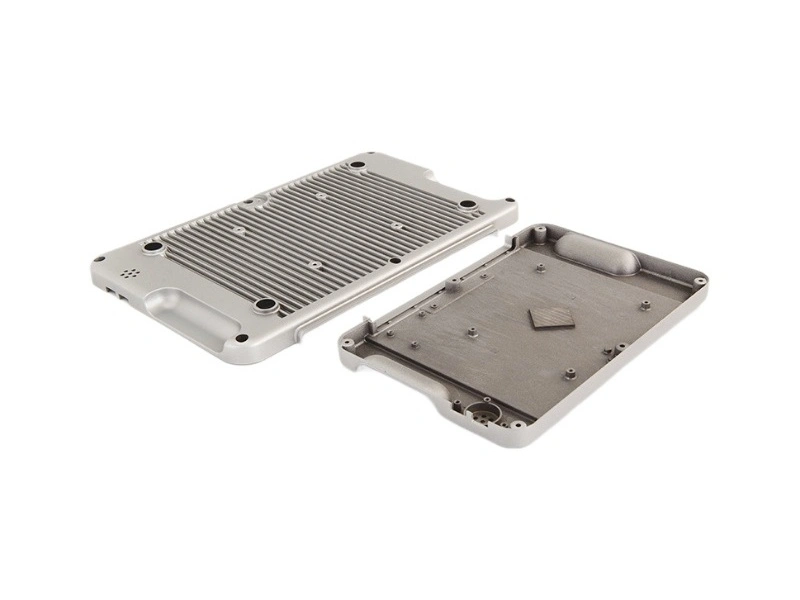
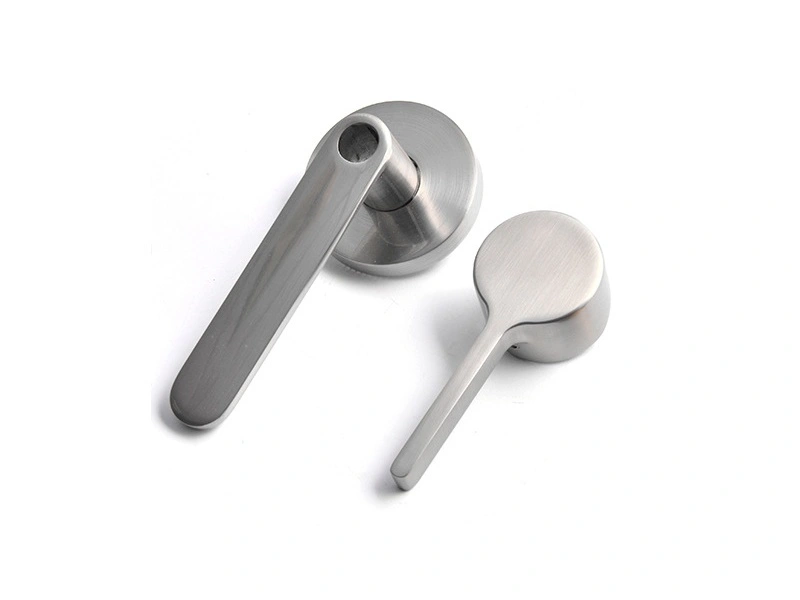
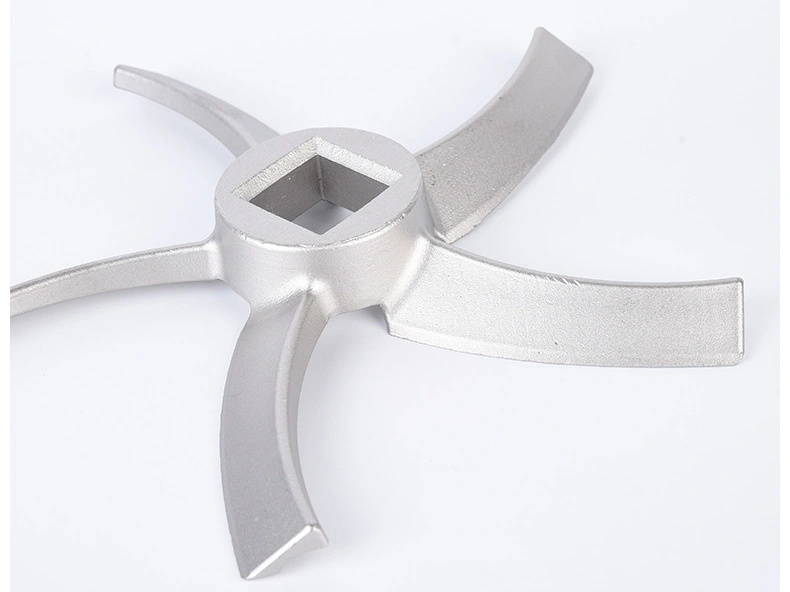
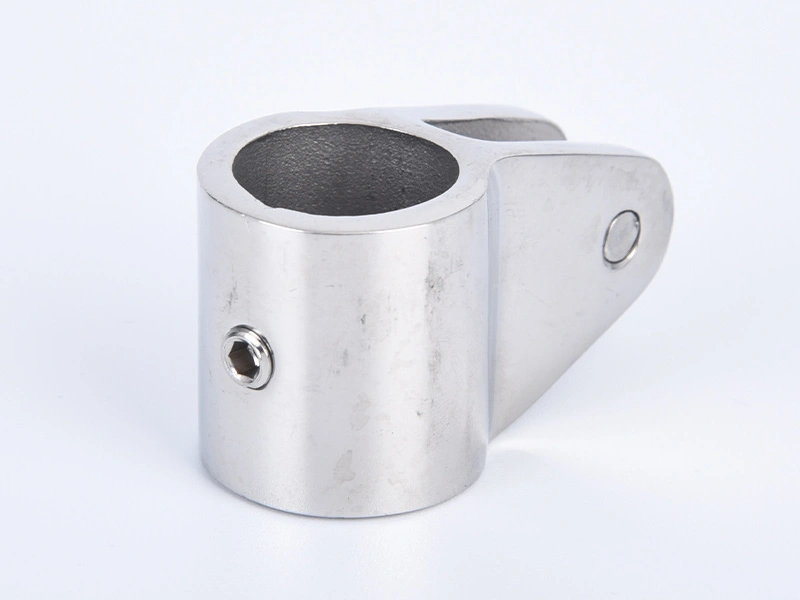
Good tool and die making improves mass production stability by helping control dimensions, reduce porosity and shrinkage, reduce flash and burrs, stabilize cycle time, lower scrap rate, reduce CNC machining difficulty, improve appearance consistency, extend mold life, and reduce long-term maintenance cost. For medium and high volume die casting projects, tooling quality directly affects production reliability.
For buyers sourcing zinc die casting, aluminum die casting, or other custom die cast parts, good mass production tooling can help stabilize quality, control unit cost, reduce delivery risk, and make long-term production easier to manage.
1. How Good Tooling Supports Mass Production
Production Area | How Good Tooling Helps | Buyer Benefit |
|---|---|---|
Dimensional consistency | Stable cavity, core, cooling, and mold fit help repeat the same part geometry | Reduces inspection disputes and assembly variation |
Porosity and shrinkage control | Proper gate, runner, venting, and cooling reduce internal and surface defects | Improves part quality and reduces scrap |
Flash and burr reduction | Accurate parting line and mold closing reduce excess metal at edges | Reduces trimming, deburring, polishing, and labor cost |
Cycle time stability | Good cooling and ejection allow more stable production rhythm | Improves output and delivery planning |
Mold life | Proper material, heat treatment, design, and maintenance planning extend tooling life | Reduces downtime and long-term tooling cost |
2. How Good Tooling Improves Dimensional Consistency
Dimensional consistency is critical in mass production because every batch must meet the same drawing and assembly requirements. Good tooling helps control cavity accuracy, core position, shrinkage compensation, cooling balance, and ejection stability.
Tooling Feature | Dimensional Benefit | Production Risk Reduced |
|---|---|---|
Stable cavity and core design | Maintains repeated part geometry | Reduces out-of-tolerance parts |
Balanced cooling | Controls shrinkage and deformation | Reduces warpage and dimensional drift |
Reliable ejection | Removes parts without excessive deformation | Reduces bent parts and surface damage |
Clear datum planning | Supports later CNC machining and inspection | Improves machined part consistency |
3. How Good Tooling Reduces Porosity, Shrinkage, Flash and Burrs
Many mass production problems come from poor metal flow, trapped air, uneven cooling, weak mold fit, or unstable ejection. Good tooling controls these risks from the beginning, reducing defects before they become repeated batch problems.
Defect Type | How Tooling Controls It | Buyer Benefit |
|---|---|---|
Porosity | Better gate, runner, and venting design reduces trapped gas | Improves strength, sealing, machining quality, and appearance |
Shrinkage | Cooling and wall thickness planning reduce hot spots | Reduces sink marks, weak areas, and dimensional instability |
Flash | Accurate mold fit and parting line control reduce metal leakage | Reduces trimming and deburring cost |
Burrs | Stable mold condition and clean trimming layout reduce rough edges | Improves handling, assembly, and surface finishing efficiency |
4. How Good Tooling Reduces CNC Machining Difficulty
Many die cast parts require CNC machining after casting. Good tooling helps keep machining stock, datum surfaces, hole locations, and sealing areas more consistent. This makes CNC machining easier, more repeatable, and less expensive in production.
CNC-Related Area | How Good Tooling Helps | Cost and Quality Benefit |
|---|---|---|
Machining allowance | Keeps enough and consistent stock for post-machining | Reduces insufficient cleanup and excessive cutting time |
Datum surfaces | Provides stable references for fixtures and inspection | Improves hole position, flatness, and batch repeatability |
Sealing faces | Reduces porosity and shrinkage near functional surfaces | Improves sealing reliability after machining |
Mounting features | Keeps cast geometry closer to final machining requirements | Reduces tool path variation and inspection disputes |
5. How Good Tooling Improves Appearance Consistency
For visible zinc die casting and aluminum die casting parts, appearance consistency is important. Good tooling helps control gate marks, parting lines, ejector marks, flow marks, flash, and surface defects before polishing, coating, painting, or plating begins.
Appearance Area | Tooling Control Point | Buyer Benefit |
|---|---|---|
Visible surfaces | Gate and ejector marks can be planned away from key cosmetic areas when possible | Improves final appearance and acceptance rate |
Parting lines | Good mold design controls parting line location and quality | Reduces polishing and cosmetic rework |
Flow marks | Balanced filling and venting reduce visible flow defects | Improves painting, coating, or plating results |
Flash and burrs | Stable mold fit reduces rough edges and finishing workload | Improves surface treatment consistency |
6. How Good Tooling Lowers Maintenance and Delivery Risk
Mass production stability is not only about one successful trial sample. The mold must continue producing stable parts across repeated orders. Good tooling material, heat treatment, cooling design, inserts, and maintenance planning help reduce downtime, repair frequency, and delivery risk.
Tooling Stability Factor | Production Benefit | Buyer Value |
|---|---|---|
Better mold material | Improves tool life and resistance to wear or thermal fatigue | Reduces long-term tooling risk |
Reliable inserts | Allows easier maintenance for high-wear areas | Reduces downtime and replacement cost |
Stable cooling | Keeps production rhythm more consistent | Improves delivery planning |
Preventive maintenance | Reduces unexpected mold failure | Improves long-term supply stability |
7. What Buyers Should Evaluate When Reviewing Mass Production Tooling
When reviewing tooling for mass production, buyers should evaluate not only mold price, but also tool life, cavity number, cooling design, venting, expected scrap rate, cycle time, maintenance plan, surface quality, CNC machining requirements, and inspection standards.
Buyer Evaluation Item | Why It Matters |
|---|---|
Tool life | Affects long-term production stability and replacement cost |
Cycle time | Affects production capacity, unit cost, and delivery schedule |
Scrap rate | Affects real production cost and quality consistency |
Maintenance plan | Reduces unexpected downtime and mold failure |
Post-machining strategy | Affects finished part accuracy, machining cost, and inspection |
Appearance requirements | Affects gate layout, parting line, ejector marks, and finishing workload |
8. Summary
How Good Tooling Improves Mass Production Stability | Main Buyer Benefit |
|---|---|
Improves dimensional consistency | Reduces assembly problems and inspection disputes |
Reduces porosity and shrinkage | Improves part quality and lowers scrap rate |
Reduces flash and burrs | Lowers trimming, deburring, and polishing cost |
Stabilizes cycle time | Improves production output and delivery reliability |
Reduces CNC machining difficulty | Improves machining consistency and finished-part accuracy |
Improves appearance consistency | Reduces cosmetic rework and coating defects |
Extends mold life | Reduces downtime, maintenance cost, and tooling replacement risk |
In summary, good tooling improves mass production stability by improving dimensional consistency, reducing porosity and shrinkage, reducing flash and burrs, stabilizing cycle time, lowering scrap rate, reducing CNC machining difficulty, improving appearance consistency, extending mold life, and reducing long-term maintenance cost. For medium and high volume die casting projects, good mass production tooling helps buyers control quality, unit cost, delivery risk, and long-term production reliability.