How Should a Supplier Control Flash, Burrs and Assembly Features?
How Should a Supplier Control Flash, Burrs and Assembly Features?
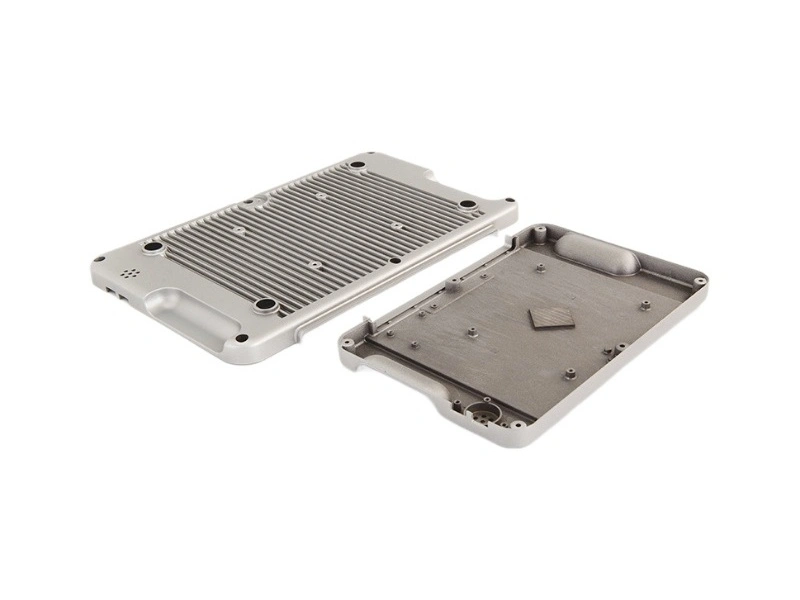
A zinc die casting supplier should control flash, burrs and assembly features by reviewing parting line position, gate location, ejector pin position, draft angle, wall thickness, boss structure, small holes, threaded areas, deburring standards, machining allowance, assembly datum surfaces and trial sample results before mass production.
Zinc die casting parts are often used as small assembly parts and visible parts. If flash, burrs, hole deviation or parting line location are not controlled, buyers may face assembly delays, appearance rejection and batch quality disputes.
1. Control Flash Through Tooling Design
Tooling Factor | How It Affects Flash | Buyer Risk if Poorly Controlled |
|---|---|---|
Parting line position | Determines where flash may appear on the part | Flash near assembly or cosmetic surfaces |
Tooling precision | Controls mold fit and long-term flash growth | Increasing deburring and inspection cost |
Gate location | Affects trimming area and local surface quality | Extra polishing or gate removal marks |
Ejector pin position | Can affect visible areas, datums or assembly features | Cosmetic marks and unstable locating surfaces |
2. Control Burrs Through Deburring and Machining Planning
Flash and burr control should be planned together with tool and die making, casting, deburring and CNC machining for assembly features. Small holes, threads and datum surfaces need clear inspection standards.
Control Area | Supplier Should Define | Risk Reduced |
|---|---|---|
Deburring standard | Allowed burr level on edges, holes, parting lines and gates | Handling issues and assembly interference |
Small holes | Machining allowance, inspection method and burr removal process | Hole blockage or fit problems |
Threaded areas | Thread depth, gauge standard and burr control | Fastening failure and rework |
Assembly datum surfaces | Datum definition, machining need and inspection method | Unstable assembly positioning |
3. Validate Assembly Features With Trial Samples
Trial samples should be used to verify flash level, burr level, hole accuracy, thread quality, cosmetic surfaces and assembly fit. Buyers should not wait until repeat orders to discover assembly feature problems.
Trial Sample Check | What It Confirms | Buyer Benefit |
|---|---|---|
Flash and burr level | Whether parting lines, edges and gate areas are acceptable | Reduces assembly interference |
Hole and thread quality | Whether holes and threads meet assembly requirements | Improves fastening reliability |
Assembly fit | Whether mating parts install smoothly without rework | Improves production approval confidence |
Cosmetic surfaces | Whether visible areas are affected by flash, marks or trimming | Reduces appearance rejection |
4. Compare Quality Control Across Material Routes
For different projects, buyers may compare aluminum die casting quality control for lightweight housings or copper die casting machined parts for functional surfaces. A custom metal casting quality review helps define the right inspection strategy.
5. Summary
Control Area | Main Purpose |
|---|---|
Parting line, gate and ejector planning | Reduce flash, visible marks and functional interference |
Draft angle, wall thickness and boss structure | Improve casting quality and feature stability |
Deburring standard | Control burrs on edges, holes and parting lines |
Machining allowance and datum surfaces | Improve holes, threads and assembly fit |
Trial sample review | Validate assembly features before repeat orders |
In summary, a zinc die casting supplier should control flash, burrs and assembly features from tooling design through deburring, machining and trial sample review. This helps buyers reduce assembly problems, cosmetic rejection and batch quality disputes.