How Should Buyers Evaluate the Service Scope of a Zinc Die Casting Supplier?
How Should Buyers Evaluate the Service Scope of a Zinc Die Casting Supplier?
Buyers should evaluate the service scope of a zinc die casting supplier by checking whether the supplier can support design review, alloy selection, tooling, casting, CNC post-machining, surface finishing, inspection, assembly and packaging. The wider the service scope, the lower the coordination risk.
1. Why Service Scope Matters for Custom Zinc Die Cast Parts
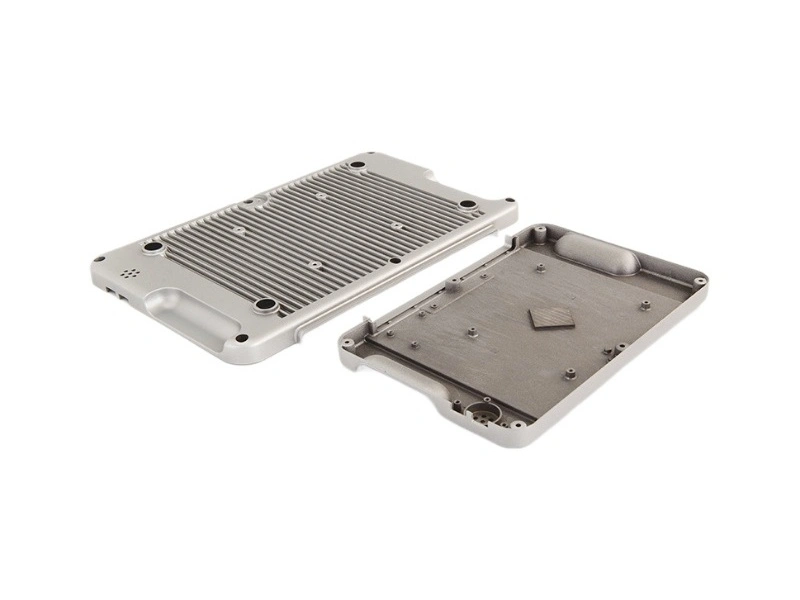
Many zinc die cast parts are not simple blanks. They may require threaded holes, cosmetic faces, plated surfaces, assembly fit, packaging protection or long-term repeat production. If the supplier only provides casting, the buyer may need to coordinate machining, finishing, inspection and assembly with several other vendors.
This creates more communication, longer lead time and unclear responsibility when a defect appears. A wider zinc die casting service scope helps keep the project easier to control.
Service Scope | Buyer Question | Why It Matters |
|---|---|---|
Engineering | Can the supplier find design risks early? | It reduces tooling rework and sampling delays. |
Tooling | Can the supplier control mold design and modification? | Tooling quality affects casting stability and repeat production. |
Casting | Can the supplier produce parts consistently? | Stable casting controls defects, flash and production efficiency. |
CNC | Can the supplier machine critical dimensions? | Post-machining protects assembly fit and functional features. |
Finishing | Can the supplier manage appearance and protection? | Surface finishing affects cosmetic quality, corrosion resistance and clearance. |
Inspection | Does the supplier have a quality process? | Inspection supports batch consistency and traceability. |
Assembly | Can the supplier deliver finished components? | Assembly support reduces buyer-side secondary management. |
2. What Full-Scope Zinc Die Casting Services Should Cover
A complete zinc die casting supplier should support design support for zinc die casting, engineering review, zinc alloy selection, tooling and die making, trial casting, production casting, post-machining for zinc cast parts, surface finishing, inspection, assembly and packaging.
This does not mean every project needs every service. It means the supplier should understand how each step affects the final zinc die cast component, especially when the part has cosmetic or functional requirements.
3. Risks of a Limited-Service Supplier
If a supplier only provides casting, the buyer may need to manage machining, finishing, assembly and packaging separately. This can create schedule delays, quality disputes and unclear responsibility. A finishing supplier may blame casting surface quality. A machining supplier may blame casting variation. An assembly supplier may blame unclear datum control.
For long-term zinc die casting projects, these gaps can become costly. Buyers should confirm service scope before choosing a supplier, not after sample problems appear.
4. Why Neway Service Scope Supports Ready-to-Use Components
Neway can help buyers move beyond zinc cast blanks by supporting tooling, casting, post-machining, finishing, inspection and assembled zinc die casting components. This helps buyers obtain parts that are closer to final use, instead of parts that still require multiple external processes.
For buyers seeking a long-term zinc die casting supplier, service scope should be evaluated as part of project risk control, not only as an optional capability list.
Summary
Buyer Need | Supplier Capability to Check |
|---|---|
Design risk reduction | Design review and engineering support before tooling. |
Stable production | Tooling control, casting process control and inspection. |
Functional dimensions | CNC post-machining and dimensional verification. |
Finished components | Surface finishing, assembly and packaging support. |