How Should Buyers Match Zinc Die Cast Parts to Application Requirements?
How Should Buyers Match Zinc Die Cast Parts to Application Requirements?
Buyers should match zinc die cast parts to application requirements by defining whether the part needs appearance quality, assembly accuracy, wear resistance, corrosion protection, repeated movement, surface finishing or high-volume consistency. The final use should guide alloy, tooling, machining, finishing and inspection decisions.
1. Why Final Application Should Guide Manufacturing Decisions
It is not enough to tell a supplier that the project needs zinc die casting. A cosmetic product, a connector housing, a moving hinge part, a lock component and an outdoor hardware part may all use zinc die casting, but each one requires different planning. The supplier must understand the final use before deciding material, tooling, machining, finishing and inspection methods.
Neway can support engineering review to help buyers connect product application requirements with practical manufacturing decisions.
Application Need | Manufacturing Decision |
|---|---|
Cosmetic surface | Define visible faces, finishing method, color, gloss and packaging protection. |
Assembly accuracy | Plan CNC machining, datum surfaces, critical dimensions and inspection. |
Repeated movement | Review wear areas, burr control, hinge clearance and functional testing. |
Outdoor exposure | Select protective coating and review corrosion resistance requirements. |
High volume | Confirm tooling life, quality plan and batch consistency. |
Small details | Review zinc alloy flow, mold design and surface detail replication. |
2. How Application Needs Affect Zinc Alloy Selection
Zinc alloy selection for die cast parts should match strength, surface quality, dimensional stability, detail reproduction and final use. A part that needs decorative finishing may require different planning from a part that needs wear resistance or repeated movement.
Buyers should not choose materials only by price. The better approach is to define what the part must do, then let the supplier recommend a suitable alloy and production route.
3. How CNC Machining and Post-Processing Support Application Needs
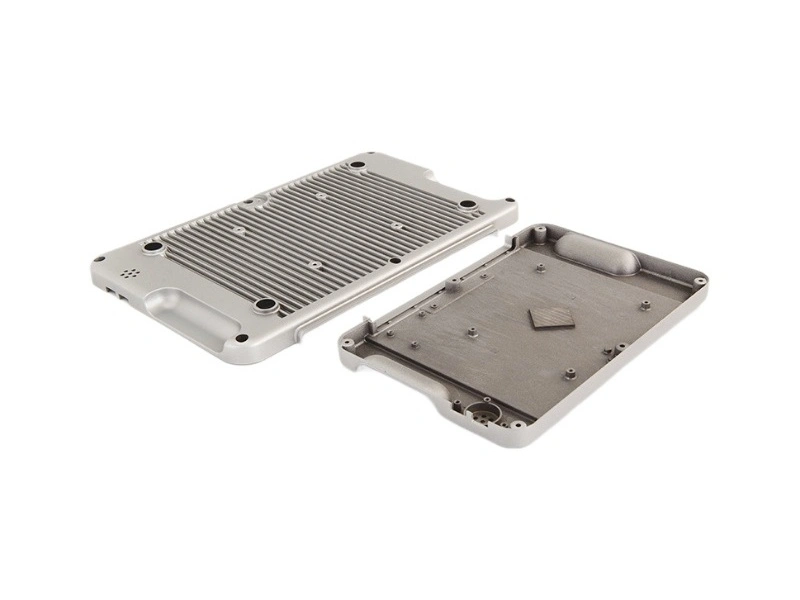
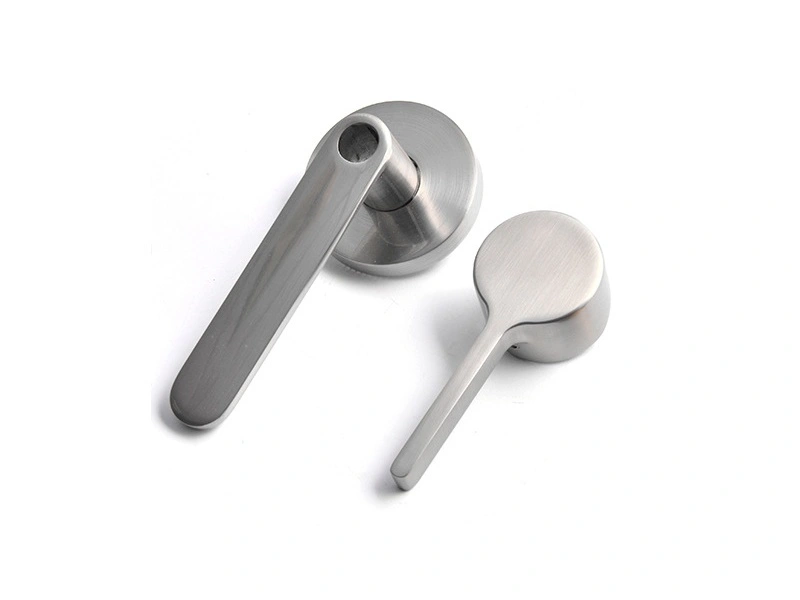
Assembly parts often need accurate holes, threads, locating faces or flat surfaces. In these cases, CNC machining for zinc cast parts may be required. Appearance parts usually need post processing for zinc die cast parts, such as painting, coating or other finishing methods.
Outdoor or corrosion-sensitive parts may need protective finishing. Neway can help buyers evaluate anti-corrosion coatings for zinc castings when the product will face humidity, outdoor exposure or handling wear.
Risk | Cause | Better Planning Method |
|---|---|---|
Cosmetic defects | Visible surfaces are not defined before tooling. | Mark cosmetic faces and finishing requirements early. |
Assembly failure | Critical dimensions and datum surfaces are not defined. | Plan CNC machining and inspection points. |
Short outdoor life | Protective coating is not considered. | Review corrosion resistance and coating options. |
Unstable repeat orders | No quality standard or batch control plan. | Create inspection standards before mass production. |
4. How Neway Helps Match Manufacturing to Final Use
Neway can help buyers review the product application, determine the required zinc alloy, plan tooling, define machined features, select surface finishing and set inspection requirements. This application-first approach reduces the risk that the part is quoted as a simple casting but later fails in appearance, assembly or long-term use.
Summary
Buyer Requirement | Manufacturing Focus |
|---|---|
Appearance quality | Visible surface planning, surface finishing and protective packaging. |
Assembly accuracy | CNC machining, datum control and inspection. |
Wear or repeated movement | Burr control, fit testing and material review. |
Corrosion protection | Coating selection and environmental review. |
High-volume repeatability | Tooling control, inspection checklist and batch records. |