How Should Buyers Validate Zinc Die Casting Parts Before Long-Term Orders?
How Should Buyers Validate Zinc Die Casting Parts Before Long-Term Orders?
Buyers should validate zinc die casting parts before long-term orders by checking trial sample dimensions, assembly fit, cosmetic surface quality, burr and flash level, plating or coating adhesion, machined hole accuracy, thread quality, packaging protection, pilot-run batch consistency, inspection report format and defect handling process.
For long-term purchasing of custom zinc die cast parts, buyers should not approve only the first sample appearance. They should verify dimensions, assembly, surface treatment, post-machining and small-batch consistency to confirm the supplier can enter stable long-term production.
1. Validate Trial Sample Dimensions and Assembly Fit
Trial samples should be checked against drawings, mating parts and functional requirements. Dimension approval should include both critical dimensions and general fit areas.
Validation Item | What to Check | Why It Matters |
|---|---|---|
Trial sample dimensions | Critical dimensions, overall size, hole position and datum features | Confirms the tooling and casting process can meet requirements |
Assembly fit | Mating part fit, clearance, alignment and fastening | Reduces batch assembly failure risk |
Functional surfaces | Mounting faces, locating faces, contact areas and fit surfaces | Confirms the part can perform in the final product |
Tolerance stability | Variation across multiple trial samples | Shows whether dimensions are repeatable |
2. Validate Cosmetic Surfaces, Burrs and Flash
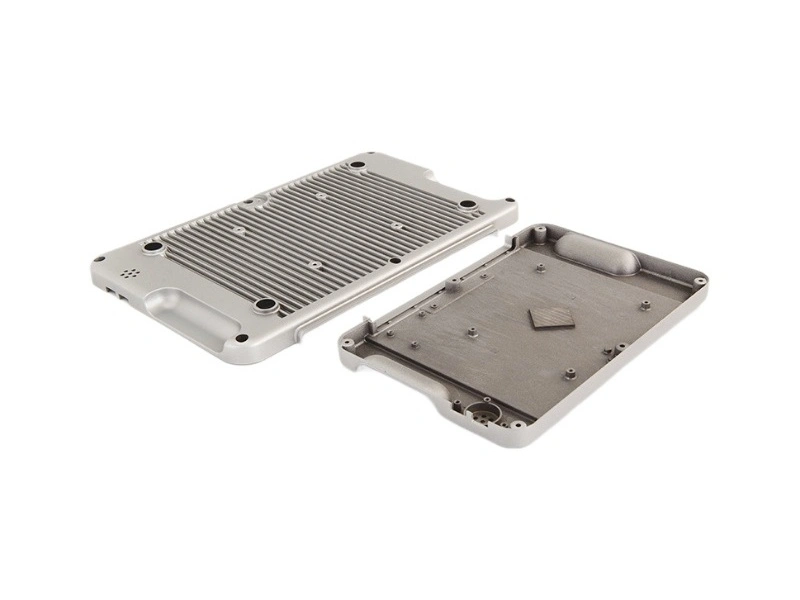
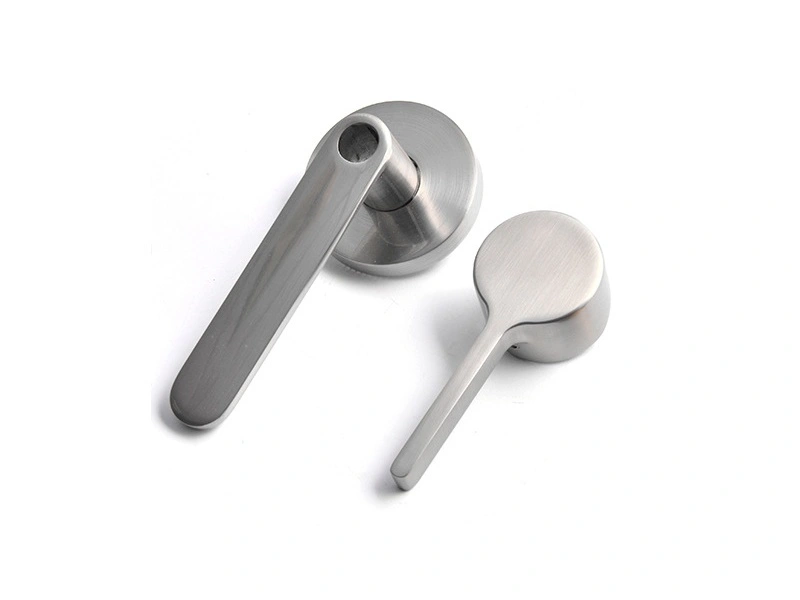
Zinc die casting parts are often used as appearance parts, hardware parts and assembly parts. Buyers should check visible surfaces, parting lines, ejector marks, burrs, flash and edge quality before approving long-term production.
Surface Check | What to Review | Risk Reduced |
|---|---|---|
Cosmetic surface quality | Visible marks, pits, flow marks, scratches and parting line appearance | Appearance rejection |
Burr and flash level | Edges, parting line, holes and trimming areas | Assembly interference and rework |
Ejector marks | Whether ejector marks are acceptable on visible or functional surfaces | Cosmetic disputes |
Deburring quality | Sharp edges, loose burrs and edge finishing quality | Handling, assembly and appearance problems |
3. Validate Plating, Coating and Packaging Protection
If the part needs plating or coating, the buyer should validate adhesion, color, gloss, coating thickness, masking areas, cosmetic defects and packaging protection. Finished parts should arrive without scratches, coating damage or surface contamination.
Finishing Validation | What to Check | Buyer Benefit |
|---|---|---|
Plating or coating adhesion | Whether the finish bonds properly to the zinc die cast surface | Reduces peeling and finish failure |
Color and appearance | Color consistency, gloss, texture and cosmetic standard | Reduces appearance disputes |
Masking areas | Threads, contact faces, assembly faces and coating-free areas | Prevents fit and function problems |
Packaging protection | Scratch prevention, separation, anti-rubbing and shipping protection | Protects finished appearance during delivery |
4. Validate CNC Machining and Thread Quality
Some zinc die cast parts need CNC machining inspection for holes, threads, datums and assembly features. Buyers should validate machined hole accuracy, thread quality, surface roughness and tolerance consistency before long-term orders.
CNC Validation Item | What to Check | Why It Matters |
|---|---|---|
Machined hole accuracy | Diameter, position, depth and alignment | Controls assembly fit and inspection acceptance |
Thread quality | Thread size, depth, go or no-go gauge result and fastening fit | Reduces fastening failure |
Datum surfaces | Flatness, location and repeatability | Supports stable assembly and measurement |
Machined surface quality | Burrs, tool marks and exposed pores | Reduces functional and cosmetic rejection |
5. Validate Pilot Run and Batch Consistency
Before long-term orders, buyers should validate pilot production for zinc die cast parts. A pilot run helps confirm whether the supplier can repeat sample quality across a small batch before larger production starts.
Pilot Run Check | What to Validate | Risk Reduced |
|---|---|---|
Batch consistency | Dimension, appearance, burrs, coating and packaging across multiple parts | Long-term quality variation |
Inspection report format | Whether reports include key dimensions and acceptance criteria | Traceability and communication problems |
Defect handling process | How the supplier manages rework, sorting and corrective actions | Repeated quality problems |
Delivery and packaging stability | Whether parts arrive protected and organized | Shipping damage and warehouse issues |
6. Validate Supplier Capability for Long-Term Production
A long-term zinc die casting supplier should support custom metal casting production, tool and die making, CNC machining, surface finishing, inspection and batch control. Buyers may also compare aluminum die casting batch production or copper die casting supplier options if material performance needs change.
7. Summary
Before Long-Term Orders, Buyers Should Validate | Main Purpose |
|---|---|
Trial sample dimensions and assembly fit | Confirm the part can meet drawing and product function |
Cosmetic surfaces, burrs and flash | Reduce appearance rejection and assembly interference |
Plating or coating adhesion | Confirm surface finishing quality and durability |
Machined holes and thread quality | Control assembly, fastening and inspection acceptance |
Pilot run batch consistency | Confirm supplier stability before larger orders |
Inspection report and defect handling process | Improve communication, traceability and long-term quality control |
In summary, buyers should validate zinc die casting parts before long-term orders through trial samples, assembly fit, cosmetic inspection, burr and flash review, plating or coating checks, CNC machining inspection, packaging review, pilot production and inspection reporting. Long-term purchasing should be based on stable batch quality, not only one good-looking first sample.