How Should Functional Testing Be Planned for Zinc Die Cast Components?
How Should Functional Testing Be Planned for Zinc Die Cast Components?
Functional testing for zinc die cast components should be planned according to the final application, including trial assembly, thread checks, hinge movement, fit testing, coating inspection, torque checks, visual inspection and batch sampling before mass production.
1. Why Functional Testing Should Match Final Use
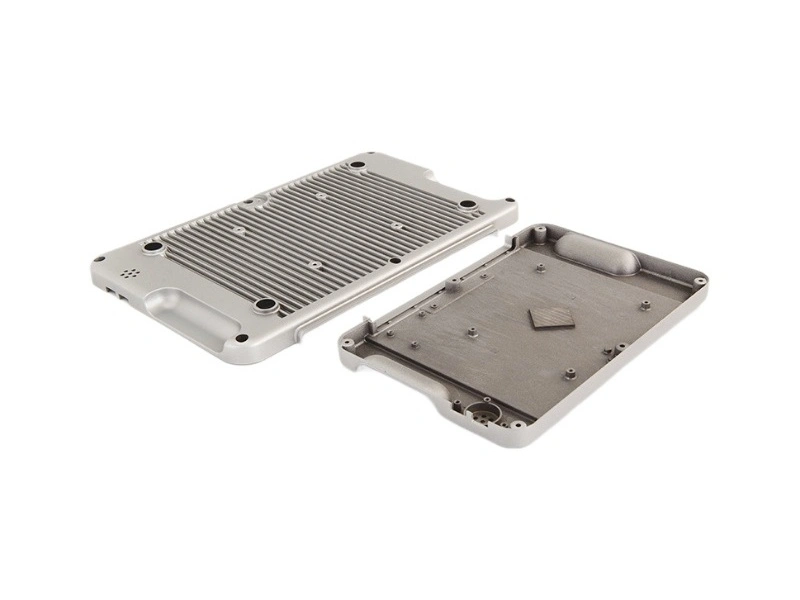
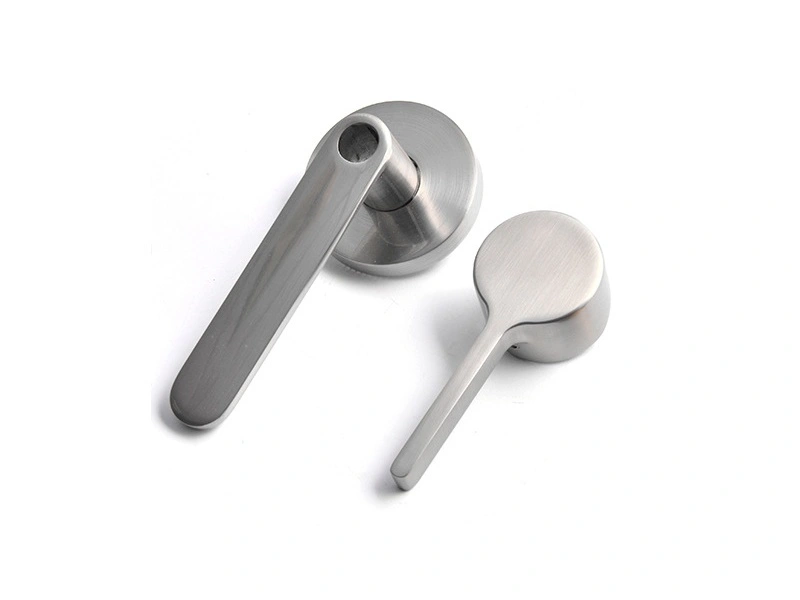
Zinc die cast components may be used in assemblies, locks, hinges, connector shells, housings, brackets or finished consumer products. Each application has different functional risks. A part with threads needs thread reliability. A hinge part needs smooth movement. A connector component needs accurate fit and stable alignment. A finished component must still function after coating or plating.
This means functional testing should not be generic. It should be planned around the actual use of the part before sample approval and mass production.
Functional Test | Used For | What It Confirms |
|---|---|---|
Trial assembly | Assembly-ready components | Checks whether the part interferes, loosens or fits poorly. |
Thread gauge | Threaded holes | Confirms thread acceptability and fastening reliability. |
Hinge movement | Moving parts | Checks rotation smoothness and movement clearance. |
Fit test | Locating or mating parts | Confirms assembly fit and positioning. |
Coating inspection | Finished components | Checks coating thickness, adhesion and functional clearance. |
2. Which Features Usually Need Functional Testing?
Functional testing is especially important for threaded holes, locating holes, hinge areas, snap-fit features, sealing surfaces, contact faces, coated areas and assembly interfaces. These features may pass visual inspection but fail during real product use.
When a feature needs higher accuracy than as-cast zinc die casting can provide, Neway can support machined zinc die cast components through post-machining and inspection.
3. How CNC Machining and CMM Inspection Support Testing
CNC machining helps control holes, mating faces, thread areas and datum surfaces. For assembly-critical parts, CNC post-machining for assembly fit can reduce the risk of interference, misalignment or unstable clearance.
For critical dimensions, CMM inspection for zinc die cast components can verify that important features meet the required tolerance before the parts move into assembly or shipment.
Testing Risk | Possible Cause | Recommended Control |
|---|---|---|
Assembly interference | Hole position, coating thickness or datum error. | Trial assembly and final-condition inspection. |
Thread failure | Insufficient depth, burrs or poor tapping. | Thread gauge and torque-related review when needed. |
Hinge binding | Misalignment, burrs or coating buildup. | Movement test and clearance control. |
Coating-related fit change | Surface finish thickness was not included in design. | Coating inspection and finished-part fit test. |
Batch variation | Process drift or unstable inspection standard. | Batch sampling and inspection checklist. |
4. Why Testing Standards Should Be Built During Sample Approval
Functional testing standards should be confirmed during the sample stage. If buyers wait until mass production to define trial assembly, thread checks, hinge movement, coating inspection or batch sampling, defects may be found too late and cause rework.
Neway can support assembly service for zinc die cast components, helping buyers check finished components against actual assembly and functional requirements before shipment.
Summary
Buyer Concern | Recommended Functional Test |
|---|---|
The component must fit into a final assembly. | Use trial assembly, fit testing and datum verification. |
The component has threads or fasteners. | Use thread gauges and fastening-related checks. |
The component has hinges or moving areas. | Use hinge movement testing and clearance review. |
The component is finished or coated. | Inspect coating thickness, adhesion and finished-part clearance. |