How Should Plating-Ready Zinc Die Cast Parts Be Controlled in Production?
How Should Plating-Ready Zinc Die Cast Parts Be Controlled in Production?
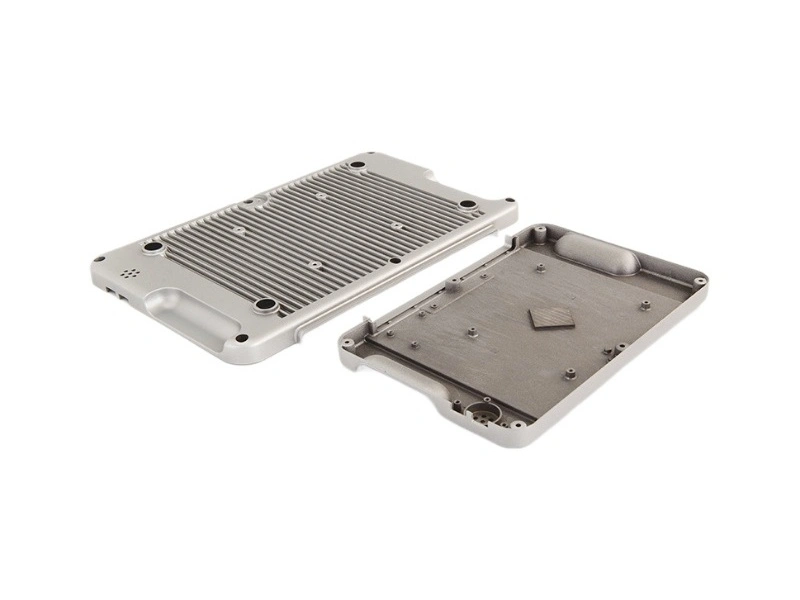
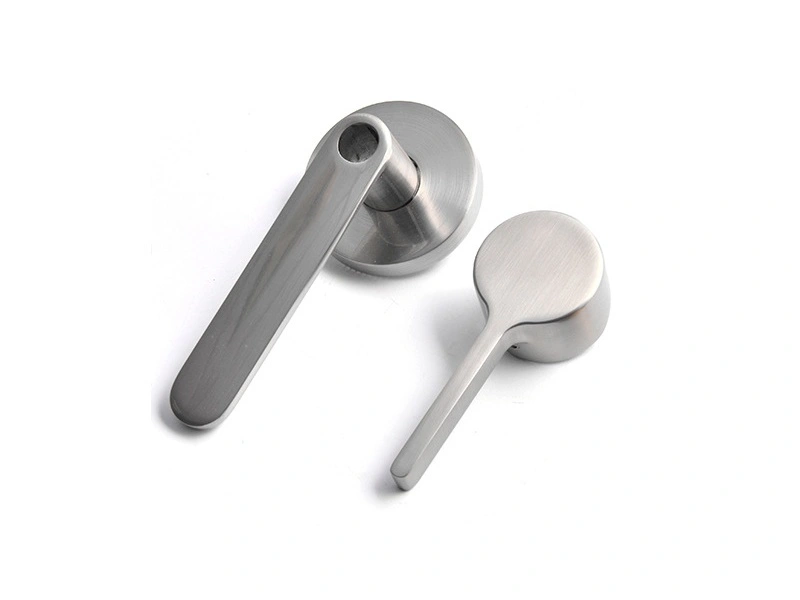
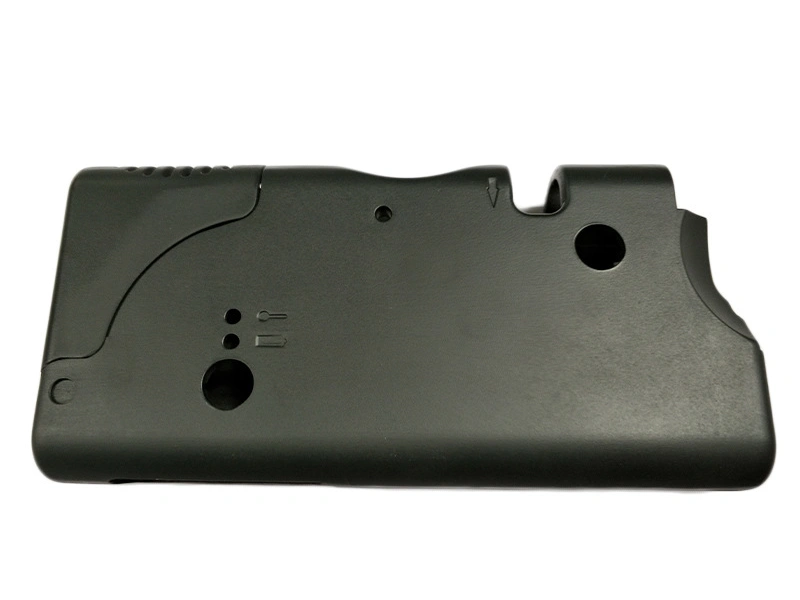
Plating-ready zinc die cast parts should be controlled through base casting surface quality, flash and burr level, parting line marks, ejector pin marks, gate removal marks, polishing consistency, surface cleaning, masking areas, plating thickness impact, final cosmetic inspection and packaging protection.
Plating-ready zinc die cast parts require full-process control from casting and deburring to polishing, cleaning, masking and packaging. If base casting defects are not controlled, plating may make cosmetic problems more visible and increase rework risk.
1. Control Base Casting Surface Quality
Base Casting Control | Why It Matters Before Plating | Risk if Ignored |
|---|---|---|
Surface quality | Plating reflects the condition of the base casting surface | Visible pores, pits, waves or uneven finish |
Parting line marks | Marks may become more obvious after polishing and plating | Cosmetic rejection after finishing |
Ejector pin marks | Visible ejector areas may affect final appearance | Customer-facing surface defects |
Gate removal marks | Trimming and polishing must leave a controlled surface | Uneven plating and polishing rework |
2. Control Flash, Burrs, Polishing and Cleaning
Plating-ready parts must be free from uncontrolled flash, heavy burrs, polishing inconsistency and surface contamination. These controls should be defined during production planning, not after defects appear.
Production Step | Control Purpose | Buyer Benefit |
|---|---|---|
Flash and burr control | Prevents rough edges, coating buildup and visible defects | Improves finishing yield |
Polishing consistency | Creates a more uniform surface before plating | Reduces cosmetic variation |
Surface cleaning | Removes oil, dust, polishing residue and contamination | Improves plating adhesion and appearance |
Masking areas | Protects holes, threads, contact areas or fit surfaces if needed | Reduces post-plating assembly issues |
3. Coordinate Tooling, Machining and Plating
Tooling for zinc die cast parts, casting, CNC machining after zinc die casting and plating should be reviewed together. Machined holes, threads and datum surfaces may be affected by plating thickness and masking requirements.
Coordination Area | Why It Matters | Risk Reduced |
|---|---|---|
Plating thickness impact | Can affect holes, threads, sliding areas and assembly gaps | Fit problems after finishing |
Machined surfaces | Need clear decisions on plating, masking or final inspection | Inspection disputes and functional failure |
Cosmetic zinc die cast parts | Need more careful review of marks, polishing and final appearance | Batch appearance rejection |
4. Compare Surface Quality Across Materials
Different materials require different surface quality planning. Aluminum die casting surface quality often focuses on coating, painting and visible housings. Copper alloy die casting parts often focus on functional faces and contact areas. A custom metal casting service review helps buyers select the right finishing strategy.
5. Summary
Production Control Area | Main Purpose |
|---|---|
Base casting surface quality | Prevent visible defects after plating |
Flash, burr and gate removal control | Reduce polishing and plating defects |
Polishing and cleaning consistency | Improve plating adhesion and cosmetic stability |
Masking and plating thickness control | Protect functional dimensions and assembly fit |
Final cosmetic inspection and packaging | Maintain final appearance before delivery |
In summary, plating-ready zinc die cast parts require full-process production control. The manufacturer should manage base casting quality, burrs, polishing, cleaning, masking, plating thickness, final inspection and packaging to prevent cosmetic defects and repeat production disputes.